Directions
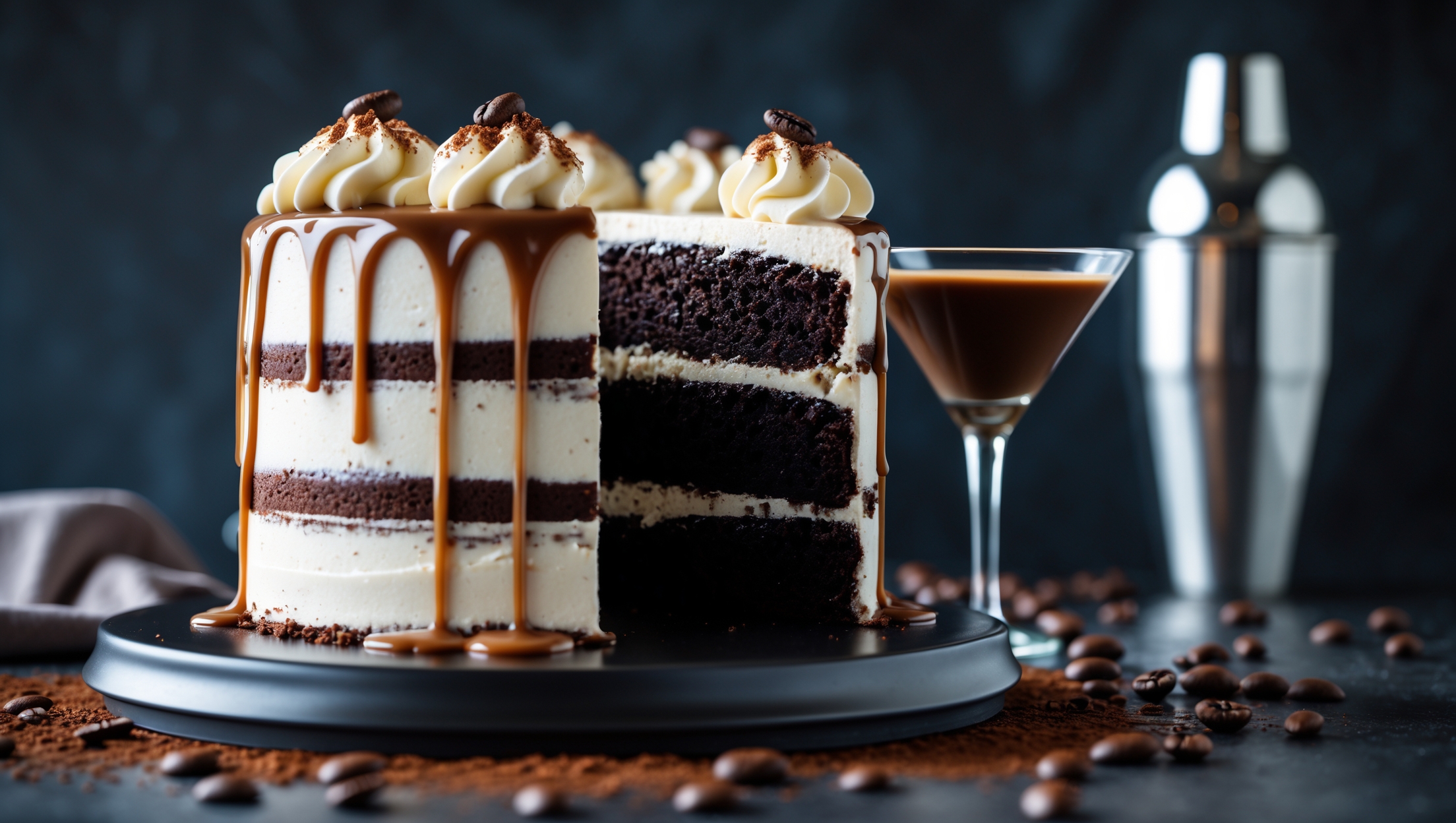
<ol class="no-list-style"><li class="MethodStepper"><h4 class="step-title">Step 1</h4>Preheat your oven to 180°C (160°C fan). Grease and line three 20cm round cake tins with baking parchment. If you only have one or two tins, you'll need to bake in batches.</li><li class="MethodStepper"><h4 class="step-title">Step 2</h4>For the sponge, cream together the butter and sugar until pale and fluffy – this should take about 5 minutes with an electric mixer. This extended beating creates tiny air pockets that give your cake its light texture, so don't rush this step.</li><li class="MethodStepper"><h4 class="step-title">Step 3</h4>Add the eggs one at a time, beating well after each addition. If the mixture begins to curdle, add a tablespoon of the flour. The mixture should be smooth and voluminous.</li><li class="MethodStepper"><h4 class="step-title">Step 4</h4>Sift in the flour and baking powder, then gently fold into the mixture using a large metal spoon or spatula. Be careful not to overmix, as this will knock out the air and result in a dense cake. Finally, fold in the vanilla extract and milk until just combined.</li><li class="MethodStepper"><h4 class="step-title">Step 5</h4>Divide the batter equally between the prepared tins, smoothing the tops with a spatula. Bake for 20-25 minutes until golden and springy to the touch. A skewer inserted into the center should come out clean. Allow to cool in the tins for 10 minutes before turning out onto a wire rack to cool completely.</li><li class="MethodStepper"><h4 class="step-title">Step 6</h4>While the cakes are cooling, prepare the coffee syrup. Mix the hot espresso with the Marsala wine and sugar, stirring until the sugar dissolves completely. Set aside to cool – the syrup needs to be completely cool before soaking the cakes to prevent them from becoming soggy.</li><li class="MethodStepper"><h4 class="step-title">Step 7</h4>For the mascarpone filling, beat the mascarpone in a large bowl until smooth. In a separate bowl, whip the double cream with the vanilla extract until it begins to thicken. Add the icing sugar and continue to beat until soft peaks form. Gently fold the whipped cream into the mascarpone until fully incorporated. Be careful not to overmix – mascarpone can separate if beaten too vigorously.</li><li class="MethodStepper"><h4 class="step-title">Step 8</h4>To assemble, place one sponge layer on your serving plate. Using a pastry brush, generously soak the top with about a third of the coffee syrup. The cake should be thoroughly moistened but not soggy. Allow the syrup to absorb for a minute.</li><li class="MethodStepper"><h4 class="step-title">Step 9</h4>Spread a generous layer of the mascarpone filling (about a third) over the soaked sponge, spreading it evenly to the edges. Place the second sponge on top and repeat the process with more coffee syrup and mascarpone filling.</li><li class="MethodStepper"><h4 class="step-title">Step 10</h4>Position the final sponge layer on top, brush with the remaining coffee syrup, and cover the top and sides of the cake with the remaining mascarpone filling. For the smoothest finish, use an offset spatula, working from the center outward on top and in upward strokes for the sides.</li><li class="MethodStepper"><h4 class="step-title">Step 11</h4>Refrigerate the cake for at least 4 hours, or preferably overnight. This resting time allows the flavors to meld and the cake to set properly, making it easier to slice cleanly.</li><li class="MethodStepper"><h4 class="step-title">Step 12</h4>Just before serving, dust the top liberally with cocoa powder using a fine mesh sieve. For an extra touch, scatter chocolate shavings around the edge. The contrast between the bitter cocoa and the sweet, creamy filling is the signature hallmark of a perfect tiramisu.</li></ol>