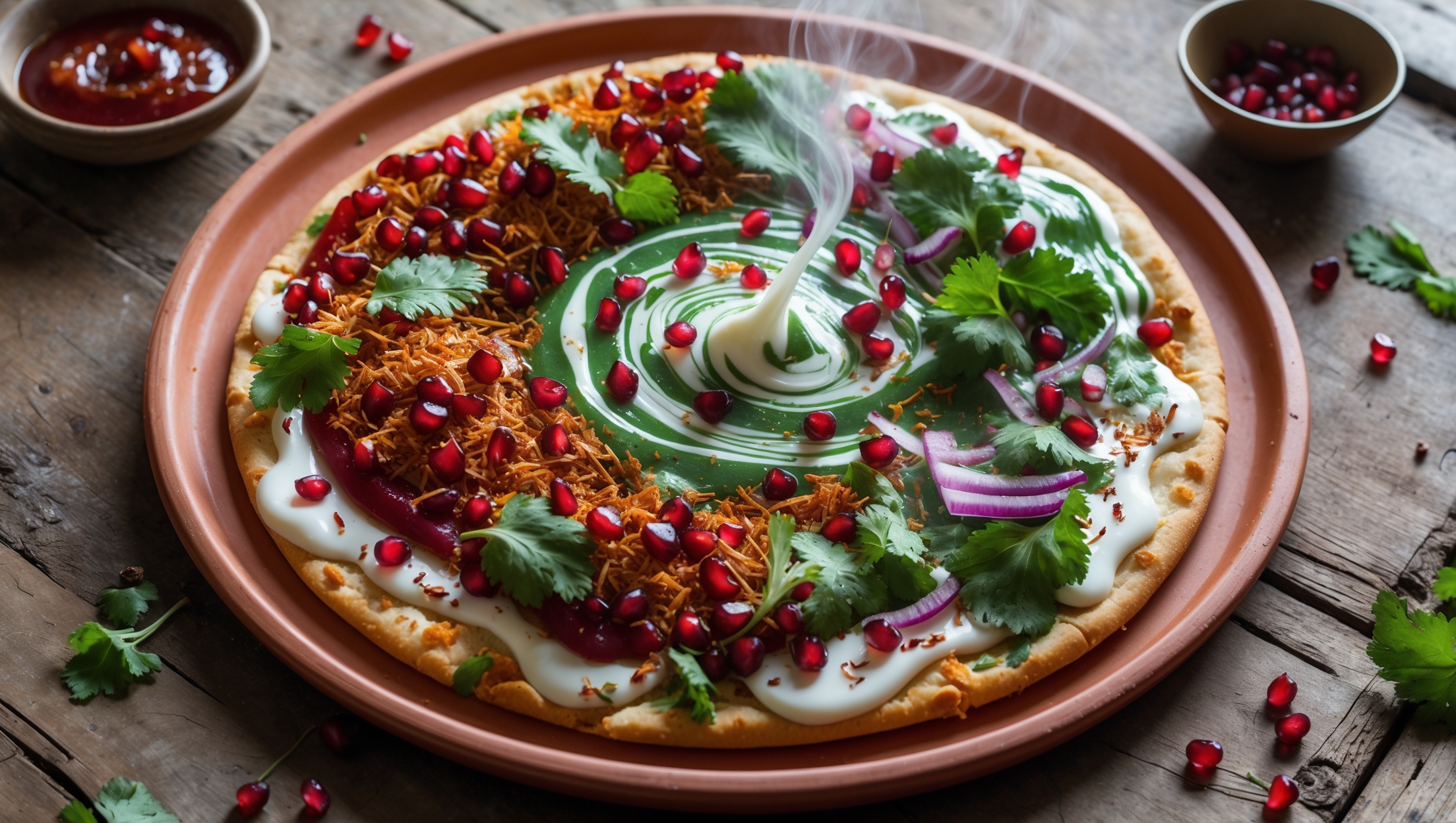
Directions
<ol class="no-list-style"><li class="MethodStepper"><h4 class="step-title">Step 1</h4>Begin by preparing the pizza dough. In a small bowl, combine the warm water (40°C), sugar, and yeast. Allow it to sit for about 5 minutes until frothy and activated. This activation process is crucial - if your mixture doesn't foam, your yeast might be expired.</li><li class="MethodStepper"><h4 class="step-title">Step 2</h4>In a large mixing bowl, combine the flour and salt. Make a well in the center and pour in the activated yeast mixture and olive oil. Mix with a wooden spoon until a shaggy dough forms, then turn out onto a lightly floured surface.</li><li class="MethodStepper"><h4 class="step-title">Step 3</h4>Knead the dough for 8-10 minutes until smooth and elastic. The dough should spring back when lightly pressed with your finger. This extended kneading develops the gluten structure, ensuring a chewy yet crisp crust.</li><li class="MethodStepper"><h4 class="step-title">Step 4</h4>Place the dough in a lightly oiled bowl, cover with a damp cloth, and let rise in a warm place for about 1 hour or until doubled in size. The slow rise develops flavor in your crust.</li><li class="MethodStepper"><h4 class="step-title">Step 5</h4>While the dough rises, prepare the peanut sauce. In a food processor or blender, combine peanut butter, soy sauce, rice vinegar, honey, sesame oil, garlic, and ginger. Pulse until smooth. Add warm water gradually until you reach a spreadable but not runny consistency. The sauce should coat the back of a spoon but still flow slowly.</li><li class="MethodStepper"><h4 class="step-title">Step 6</h4>Preheat your oven to its highest setting (usually 230-250°C) with your pizza stone or baking sheet inside. The preheated surface will create immediate heat to the bottom of your pizza, mimicking the effect of a professional pizza oven.</li><li class="MethodStepper"><h4 class="step-title">Step 7</h4>Once the dough has doubled, punch it down gently to release air bubbles. On a lightly floured surface, roll it out to a 30cm circle (or your preferred shape) about 5mm thick. If the dough resists stretching, let it rest for 5 minutes to relax the gluten, then try again.</li><li class="MethodStepper"><h4 class="step-title">Step 8</h4>Transfer the rolled dough to a piece of parchment paper (this makes transferring to the hot stone much easier). Spread a generous layer of the peanut sauce over the dough, leaving a 2cm border for the crust.</li><li class="MethodStepper"><h4 class="step-title">Step 9</h4>Evenly distribute the shredded chicken over the sauce, then sprinkle with two-thirds of the mozzarella cheese. The first layer of cheese helps the toppings adhere.</li><li class="MethodStepper"><h4 class="step-title">Step 10</h4>Arrange the sliced bell pepper, red onion, and julienned carrots over the cheese. Sprinkle the remaining cheese on top. The layering of cheese both under and over the vegetables helps them cook evenly without burning.</li><li class="MethodStepper"><h4 class="step-title">Step 11</h4>Carefully slide the pizza (with the parchment paper) onto the preheated stone or baking sheet. Bake for 12-15 minutes until the crust is golden brown and the cheese is bubbly and slightly browned. Look for color on the bottom of the crust - it should be crisp and spotted with brown.</li><li class="MethodStepper"><h4 class="step-title">Step 12</h4>Remove the pizza from the oven and immediately sprinkle with fresh cilantro, chopped peanuts, and red chili flakes if desired. The residual heat will slightly wilt the cilantro, releasing its aromatic oils.</li><li class="MethodStepper"><h4 class="step-title">Step 13</h4>Allow the pizza to cool for 2-3 minutes before slicing. This resting period allows the cheese to set slightly, making neater slices. Serve with lime wedges on the side for squeezing over individual slices, which adds a fresh brightness that balances the rich peanut sauce.</li></ol>