Directions
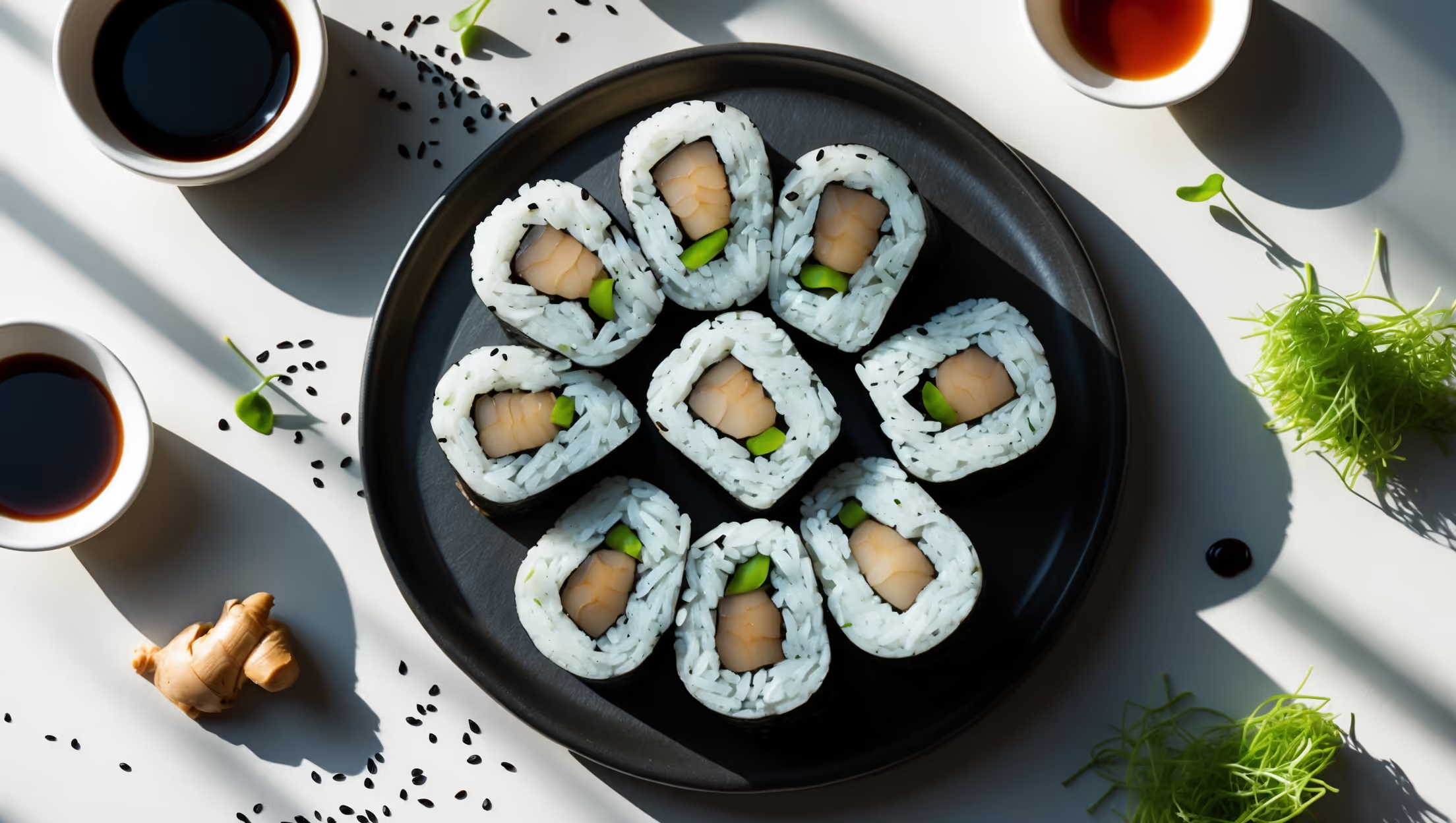
<ol class="no-list-style"><li class="MethodStepper"><h4 class="step-title">Step 1</h4>Rinse the sushi rice in cold water until the water runs clear, about 3-4 rinses. This removes excess starch and prevents the rice from becoming too sticky. Transfer to a rice cooker or heavy-bottomed pot with the measured water and let it soak for 30 minutes. This hydration step is crucial for achieving perfectly textured rice.</li><li class="MethodStepper"><h4 class="step-title">Step 2</h4>If using a rice cooker, cook according to the manufacturer's instructions. If using a pot, bring to a boil over medium-high heat, then reduce to low, cover, and simmer for 15 minutes. Remove from heat and let stand, covered, for 10 minutes. The rice should be tender and have absorbed all the water.</li><li class="MethodStepper"><h4 class="step-title">Step 3</h4>While the rice cooks, prepare the sushi vinegar mixture. Combine rice vinegar, sugar, and salt in a small saucepan over low heat, stirring until the sugar and salt dissolve completely (do not boil). Set aside to cool. This seasoning will give the rice its characteristic sushi flavor.</li><li class="MethodStepper"><h4 class="step-title">Step 4</h4>Slice the shiitake mushrooms into thin strips. Heat vegetable oil in a skillet over medium heat, add mushrooms and cook until they begin to brown, about 3-4 minutes. Add soy sauce, mirin, and sesame oil, continue cooking until the liquid is absorbed and mushrooms are caramelized, about 2-3 minutes more. The caramelization enhances the mushrooms' natural umami flavor. Set aside to cool.</li><li class="MethodStepper"><h4 class="step-title">Step 5</h4>Transfer the cooked rice to a large wooden or glass bowl (avoid metal as it can react with the vinegar). Using a wooden rice paddle or spatula, gently fold in the sushi vinegar mixture while fanning the rice to cool it quickly. This simultaneous cooling and seasoning gives sushi rice its glossy appearance and prevents it from becoming too gummy. Once mixed, cover with a damp cloth to keep it from drying out.</li><li class="MethodStepper"><h4 class="step-title">Step 6</h4>Place a bamboo rolling mat on your work surface and cover it with plastic wrap to prevent sticking. Lay a sheet of nori, shiny side down, on the plastic-covered mat. With moistened hands (keep a small bowl of water with a splash of rice vinegar nearby for this purpose), spread about 180g of prepared sushi rice evenly over the nori, leaving a 2cm border at the top edge. The thin layer of rice should completely cover the nori without being compressed too firmly.</li><li class="MethodStepper"><h4 class="step-title">Step 7</h4>Sprinkle some sesame seeds over the rice, then carefully flip the nori so the rice side faces down on the rolling mat. Along the center of the nori, arrange a line of the cooled shiitake mushrooms. Add cucumber strips and avocado slices if using. Don't overfill or your roll will be difficult to seal.</li><li class="MethodStepper"><h4 class="step-title">Step 8</h4>Using the bamboo mat for support, begin rolling from the edge closest to you, applying gentle but firm pressure to create a compact cylinder. The key is to roll tightly enough to hold together but not so tight that fillings squeeze out. Lift the edge of the mat as you continue rolling to avoid incorporating it into your sushi. Seal the roll by moistening the bare nori edge with a little water.</li><li class="MethodStepper"><h4 class="step-title">Step 9</h4>Let the completed roll rest for a minute to allow the nori to slightly soften and seal. Using a very sharp knife (dip in water between cuts to prevent sticking), slice the roll into 8 equal pieces. Clean the knife between each cut for the neatest presentation. For the cleanest cuts, use a gentle sawing motion rather than pressing down forcefully.</li><li class="MethodStepper"><h4 class="step-title">Step 10</h4>Arrange the sushi pieces on a serving platter and serve immediately with small dishes of soy sauce, wasabi, and pickled ginger. The sushi is best enjoyed fresh when the rice texture is at its optimal consistency and the nori retains some crispness. Leftovers can be wrapped tightly and refrigerated, but the texture will change significantly.</li></ol>