Directions
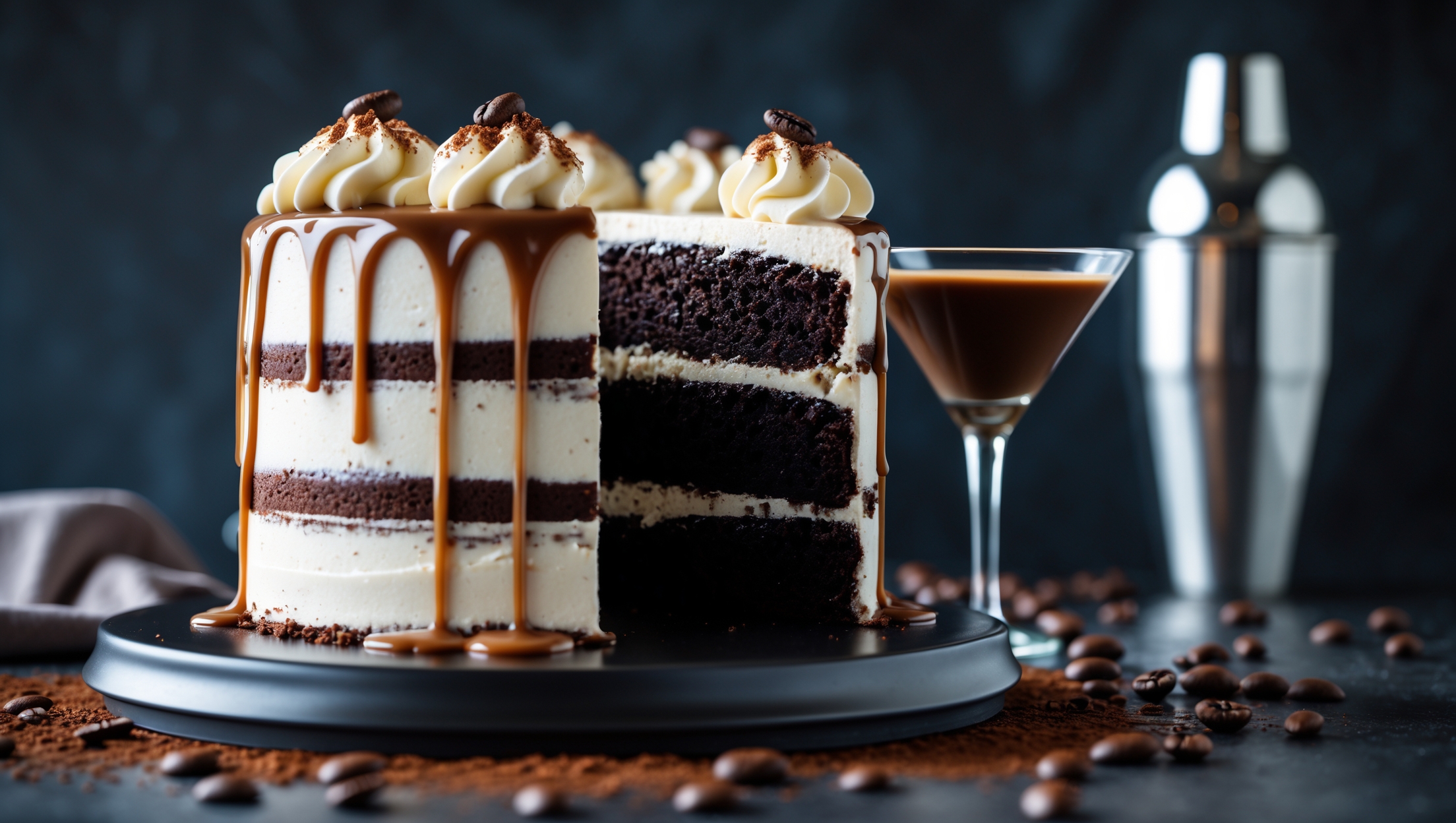
<ol class="no-list-style"><li class="MethodStepper"><h4 class="step-title">Step 1</h4>Preheat your oven to 220°C. Line three 30cm x 40cm baking sheets with silicone mats or parchment paper. This cake requires precise preparation, so I recommend measuring and preparing all ingredients before starting.</li><li class="MethodStepper"><h4 class="step-title">Step 2</h4>For the joconde sponge, begin by whisking 6 egg yolks with the icing sugar until pale and thick - about 5 minutes. The mixture should fall from the whisk in ribbons that hold their shape momentarily before dissolving. This step creates the base structure of your sponge.</li><li class="MethodStepper"><h4 class="step-title">Step 3</h4>Fold the ground almonds and flour into the egg yolk mixture using gentle, sweeping motions to maintain as much air as possible. Then fold in the melted butter. The butter adds moisture and richness to the otherwise dry almond mixture.</li><li class="MethodStepper"><h4 class="step-title">Step 4</h4>In a separate clean, grease-free bowl, whisk all 12 egg whites (the original 6 separated plus the additional 6) until foamy. Gradually add the granulated sugar and continue whisking until firm, glossy peaks form. This meringue is crucial for the light texture of the sponge - it should stand in stiff peaks when the whisk is lifted.</li><li class="MethodStepper"><h4 class="step-title">Step 5</h4>Carefully fold one-third of the meringue into the almond mixture to lighten it, then gently fold in the remaining meringue. Be careful not to overmix - stop folding as soon as no white streaks remain to preserve the air bubbles that will give your sponge its delicate texture.</li><li class="MethodStepper"><h4 class="step-title">Step 6</h4>Divide the batter equally between the three prepared baking sheets, spreading it evenly with an offset spatula to about 5mm thickness. Bake each sheet for 5-7 minutes until the sponge springs back when lightly touched and the edges are just beginning to color. Don't overbake or the sponge will become dry and brittle.</li><li class="MethodStepper"><h4 class="step-title">Step 7</h4>As soon as each sponge comes out of the oven, carefully flip it onto a clean tea towel dusted with icing sugar, then peel off the parchment or silicone mat. Allow to cool completely. The sugar prevents sticking while the immediate removal of the baking material prevents condensation from making the sponge soggy.</li><li class="MethodStepper"><h4 class="step-title">Step 8</h4>For the coffee syrup, combine the espresso and sugar in a small saucepan over medium heat. Stir until the sugar dissolves completely, then remove from heat and stir in the coffee liqueur if using. Allow to cool completely. This syrup will add moisture and flavor to the sponge layers.</li><li class="MethodStepper"><h4 class="step-title">Step 9</h4>To make the coffee buttercream, combine the sugar and water in a saucepan and heat to 121°C (soft ball stage) without stirring. Meanwhile, whisk the eggs in a stand mixer until pale and doubled in volume. With the mixer running, carefully pour the hot sugar syrup in a thin stream down the side of the bowl (not directly onto the whisk to avoid splattering). Continue whisking until the bowl feels cool to the touch - about 10 minutes.</li><li class="MethodStepper"><h4 class="step-title">Step 10</h4>Add the softened butter to the egg mixture a tablespoon at a time, ensuring each addition is fully incorporated before adding the next. The mixture might look curdled at some point - don't worry, keep beating and it will come together into a smooth, silky buttercream. Finally, beat in the coffee extract or dissolved espresso powder.</li><li class="MethodStepper"><h4 class="step-title">Step 11</h4>For the chocolate ganache, place the chopped chocolate in a heatproof bowl. Heat the cream until it just begins to simmer, then pour over the chocolate. Let stand for 1 minute, then stir gently until smooth. Add the room temperature butter and stir until it's fully incorporated and the ganache is glossy. Allow to cool until it reaches spreading consistency - it should be fluid but not runny.</li><li class="MethodStepper"><h4 class="step-title">Step 12</h4>Trim the cooled sponges into three equal rectangles, approximately 25cm x 20cm. Place one sponge layer on your serving plate or board and brush generously with coffee syrup. The sponge should be moist but not soggy - it will absorb more than you expect.</li><li class="MethodStepper"><h4 class="step-title">Step 13</h4>Spread half of the coffee buttercream evenly over the first soaked sponge layer. The buttercream should be at room temperature for easy spreading - if it's too firm, beat it briefly to soften. Place the second sponge layer on top, brush with coffee syrup, and spread with half of the chocolate ganache.</li><li class="MethodStepper"><h4 class="step-title">Step 14</h4>Add the third sponge layer, brush with the remaining coffee syrup, then spread with the remaining coffee buttercream. Refrigerate for at least 1 hour to set the layers. This chilling time is crucial for clean cuts and well-defined layers.</li><li class="MethodStepper"><h4 class="step-title">Step 15</h4>Once set, pour the remaining ganache over the top of the cake, using an offset spatula to create a perfectly smooth, glossy surface. Return to the refrigerator for at least 2 hours or ideally overnight to set completely.</li><li class="MethodStepper"><h4 class="step-title">Step 16</h4>To serve, warm a sharp knife in hot water, wipe dry, and slice the cake into neat rectangles. Clean and rewarm the knife between each cut for the cleanest edges. Let the cake sit at room temperature for 20-30 minutes before serving to allow the flavors and textures to fully develop.</li></ol>