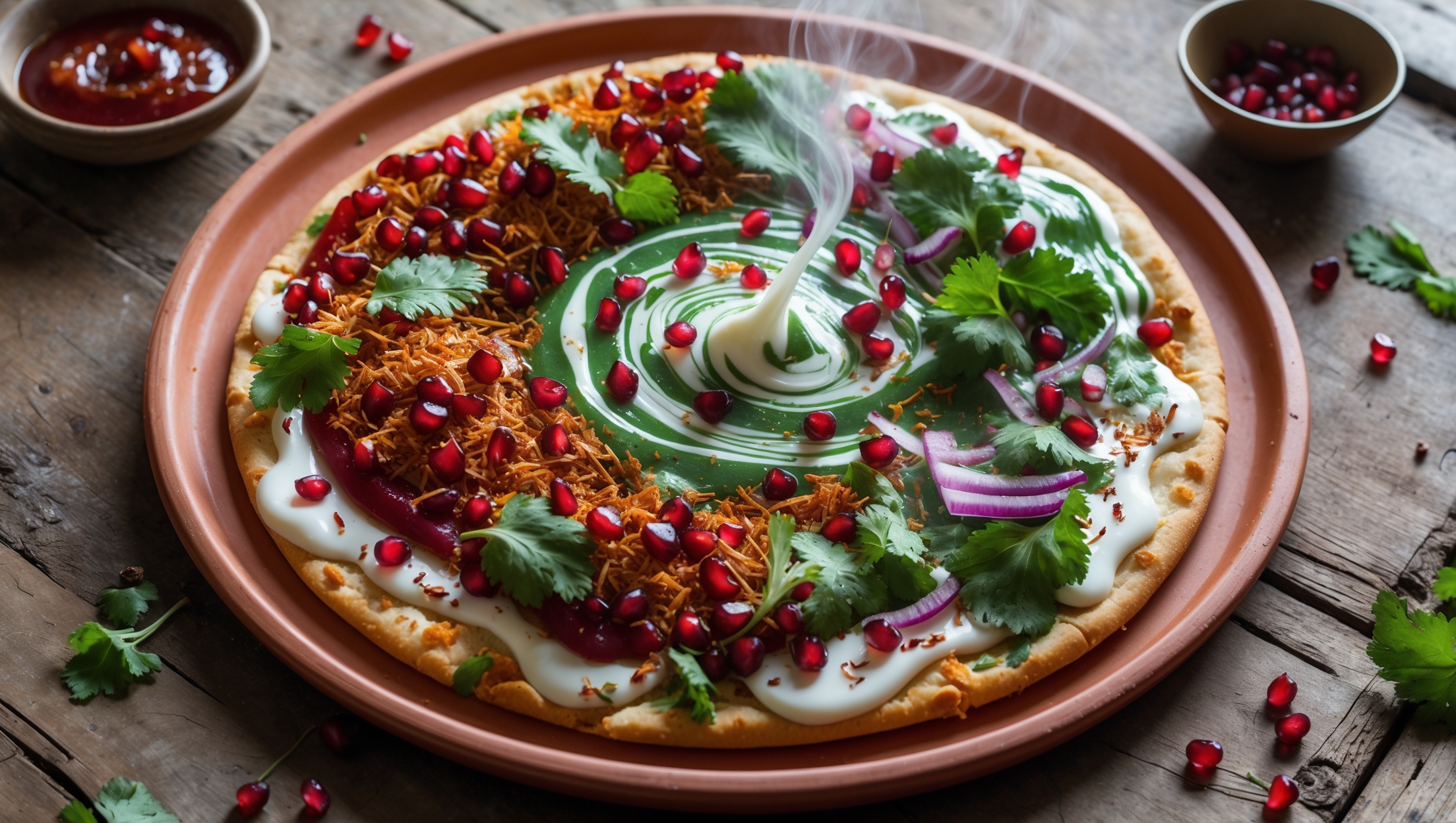
Directions
<ol class="no-list-style"><li class="MethodStepper"><h4 class="step-title">Step 1</h4>Begin by making the pizza dough. In a large bowl, dissolve the yeast in the lukewarm water (around 27°C is ideal – too hot will kill the yeast, too cold will slow activation). Allow it to sit for 5-10 minutes until it becomes foamy, indicating the yeast is alive and active.</li><li class="MethodStepper"><h4 class="step-title">Step 2</h4>Add about 10% of your flour to the yeast mixture and stir to create a loose batter. Let this rest for 20 minutes – this step, called an autolyse, allows the flour to fully hydrate and develops gluten even before kneading.</li><li class="MethodStepper"><h4 class="step-title">Step 3</h4>Add the remaining flour and salt, then knead for 8-10 minutes by hand on a lightly floured surface, or 5-6 minutes in a stand mixer with a dough hook until smooth and elastic. The dough should pass the "windowpane test" – you should be able to stretch a small piece until it's thin enough to see light through without tearing.</li><li class="MethodStepper"><h4 class="step-title">Step 4</h4>Form the dough into a ball and place in an oiled bowl, turning once to coat. Cover with a damp cloth or plastic wrap and let rise in a warm place (24-27°C) for about 1.5-2 hours, or until doubled in size. The slow rise develops complex flavors in your dough.</li><li class="MethodStepper"><h4 class="step-title">Step 5</h4>While the dough is rising, prepare your sauce. Drain and crush the tomatoes with your hands, removing any hard cores. Mix with minced garlic, a pinch of salt, and 5ml of olive oil. Traditional Neapolitan sauce is uncooked and simply crushed, allowing the pure tomato flavor to shine.</li><li class="MethodStepper"><h4 class="step-title">Step 6</h4>Once the dough has risen, gently punch it down and divide into four equal portions (about 200g each). Shape each portion into a tight ball by folding the edges underneath, creating surface tension. Place the dough balls on a lightly floured tray, cover, and let rest for another 30 minutes. This final proofing makes the dough more extensible for stretching.</li><li class="MethodStepper"><h4 class="step-title">Step 7</h4>Place your pizza stone or steel in the oven and preheat to the highest temperature possible (ideally 250-280°C) for at least 45 minutes. The intense heat mimics a traditional wood-fired oven and is crucial for proper crust development.</li><li class="MethodStepper"><h4 class="step-title">Step 8</h4>Working with one dough ball at a time (keeping others covered), dust your work surface and dough with flour or fine semolina. Using your fingertips, press down on the dough, working from the center outward, leaving a 1cm border for the crust. Gently stretch the dough by draping it over your knuckles and rotating, letting gravity help thin it out to about 25-30cm in diameter. The center should be thin but not torn.</li><li class="MethodStepper"><h4 class="step-title">Step 9</h4>Dust your pizza peel generously with semolina and transfer the stretched dough onto it. Give the peel a gentle shake to ensure the dough moves freely and isn't sticking. If it sticks, carefully lift the edges and add more semolina underneath.</li><li class="MethodStepper"><h4 class="step-title">Step 10</h4>Working quickly, spread about 3-4 tablespoons of tomato sauce over the dough in a spiral motion, leaving the border bare. Arrange 4 anchovy fillets in a star pattern on each pizza and scatter about 10g of capers evenly across the surface. Finish with a light drizzle of olive oil and a sprinkle of dried oregano.</li><li class="MethodStepper"><h4 class="step-title">Step 11</h4>With a quick jerking motion, slide the pizza from the peel onto the hot stone or steel. Bake for 4-5 minutes, until the crust is puffed and charred in spots, and the bottom is crisp. In a traditional Neapolitan oven, pizzas cook in just 60-90 seconds, but home ovens require a bit more time.</li><li class="MethodStepper"><h4 class="step-title">Step 12</h4>Remove the pizza with the peel and transfer to a cutting board. If desired, garnish with fresh basil leaves and another light drizzle of extra virgin olive oil. Slice and serve immediately while the crust is at its crisp-yet-chewy best. Repeat with remaining dough balls.</li></ol>