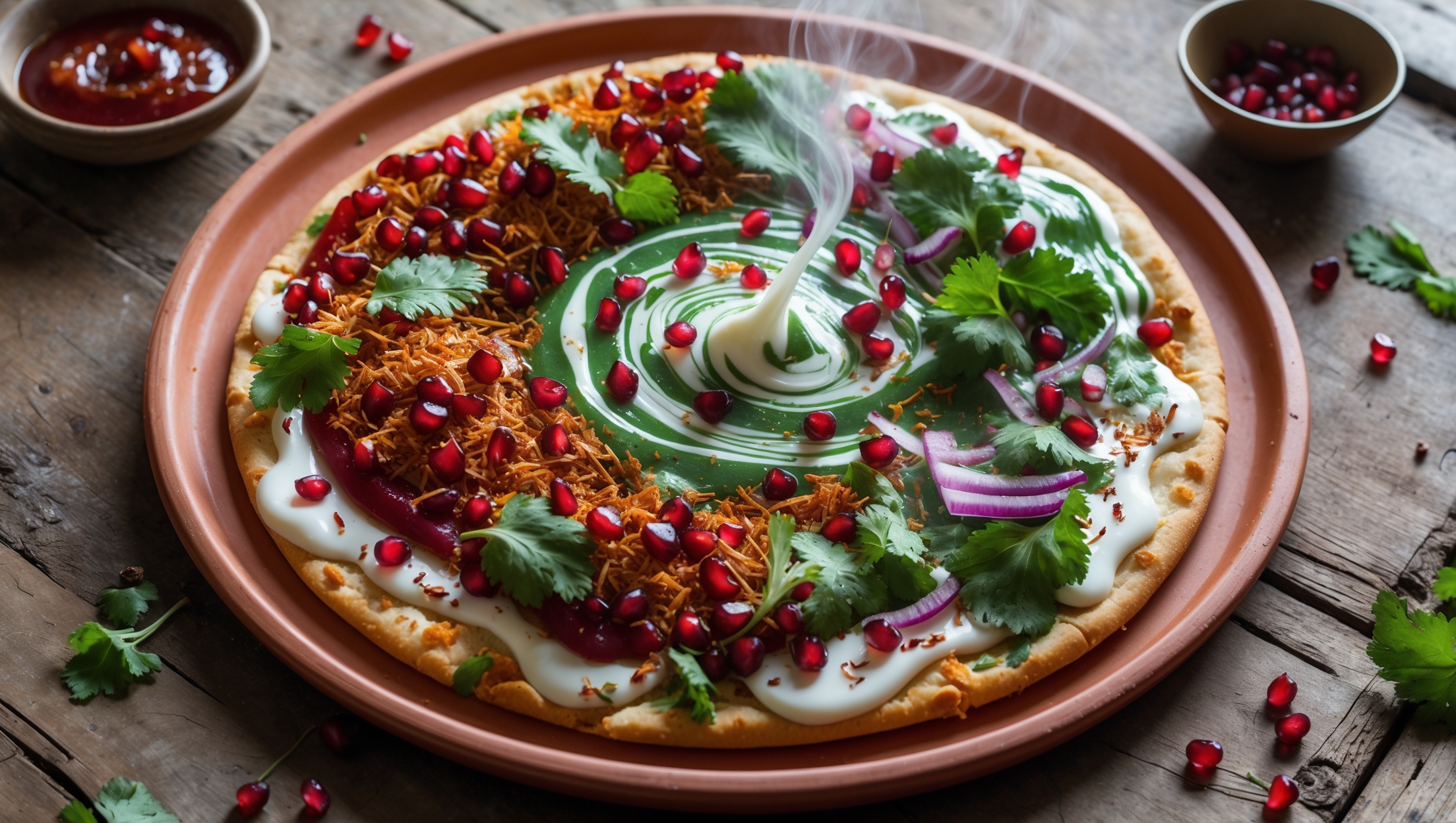
Directions
<ol class="no-list-style"><li class="MethodStepper"><h4 class="step-title">Step 1</h4>Begin by making the dough. In a small bowl, combine warm water (around 40°C—warm to the touch but not hot), sugar, and yeast. Let it sit for 5-10 minutes until frothy and activated. This activation ensures your dough will rise properly.</li><li class="MethodStepper"><h4 class="step-title">Step 2</h4>In a large bowl, combine flour and salt. Make a well in the center and pour in the activated yeast mixture and olive oil. Mix until a shaggy dough forms, then transfer to a floured surface and knead for 8-10 minutes until smooth and elastic. The gluten development during this kneading is crucial for a chewy yet structured pizza base.</li><li class="MethodStepper"><h4 class="step-title">Step 3</h4>Place the dough in an oiled bowl, turning to coat all sides. Cover with a damp cloth or plastic wrap and let rise in a warm place for 1-1.5 hours, or until doubled in size. The slow fermentation develops flavor and improves texture.</li><li class="MethodStepper"><h4 class="step-title">Step 4</h4>While the dough rises, prepare your masala sauce. Heat olive oil in a pan over medium heat. Add diced onions and sauté until translucent, about 3-4 minutes. Add minced garlic and cook for another 30 seconds until fragrant, being careful not to burn it.</li><li class="MethodStepper"><h4 class="step-title">Step 5</h4>Add all the spices (garam masala, cumin, coriander, turmeric, and chili powder) to the pan and toast for 30 seconds to release their aromatic oils. This blooming of spices is essential for developing deep flavor.</li><li class="MethodStepper"><h4 class="step-title">Step 6</h4>Pour in the pureed tomatoes and tomato paste, add sugar and salt to taste. Simmer on low heat for 15-20 minutes until thickened and the flavors have melded. The sauce should coat the back of a spoon. Let it cool completely before using.</li><li class="MethodStepper"><h4 class="step-title">Step 7</h4>Place your pizza stone or baking sheet in the oven and preheat to 250°C (or as high as your oven will go) for at least 30 minutes. The high temperature creates steam that helps the dough spring up quickly, creating those beautiful air pockets.</li><li class="MethodStepper"><h4 class="step-title">Step 8</h4>After the dough has risen, punch it down to release air bubbles and divide into two equal portions. On a floured surface, shape each portion into a ball and let rest for 15 minutes. This final rest allows the gluten to relax, making the dough easier to stretch.</li><li class="MethodStepper"><h4 class="step-title">Step 9</h4>Stretch or roll each ball into a 25-30cm circle, creating a slightly thicker rim for the crust. If the dough keeps springing back, let it rest for another 5 minutes before trying again. Transfer to parchment paper or a floured pizza peel.</li><li class="MethodStepper"><h4 class="step-title">Step 10</h4>Spread a generous layer of masala sauce over each base, leaving about 1cm around the edges for the crust. Sprinkle half the cheese over each pizza, then arrange your vegetables and paneer evenly across the top.</li><li class="MethodStepper"><h4 class="step-title">Step 11</h4>Sprinkle the remaining cheese on top and dust with a little extra garam masala for an aromatic finish. The layering of cheese both under and over the vegetables helps prevent the crust from becoming soggy.</li><li class="MethodStepper"><h4 class="step-title">Step 12</h4>Carefully transfer your pizza (with the parchment paper) onto the preheated stone or baking sheet. Bake for 10-15 minutes until the crust is golden brown and the cheese is bubbly and slightly browned. Watch closely as the hot oven can cause it to cook quickly.</li><li class="MethodStepper"><h4 class="step-title">Step 13</h4>Remove from oven and immediately sprinkle with fresh coriander leaves. Let rest for 2 minutes before slicing – this allows the cheese to set slightly and makes for neater slices. Serve hot and enjoy your aromatic Masala Veggie Pizza!</li></ol>