Lemon Pasta Recipe

This bright, silky lemon pasta balances tangy citrus with rich butter and cheese for a quick yet elegant meal that feels like sunshine on a plate.
Difficulty:
Beginner
Prep Time:
5 mins
Cook Time:
10 mins
Serves:
4 servings
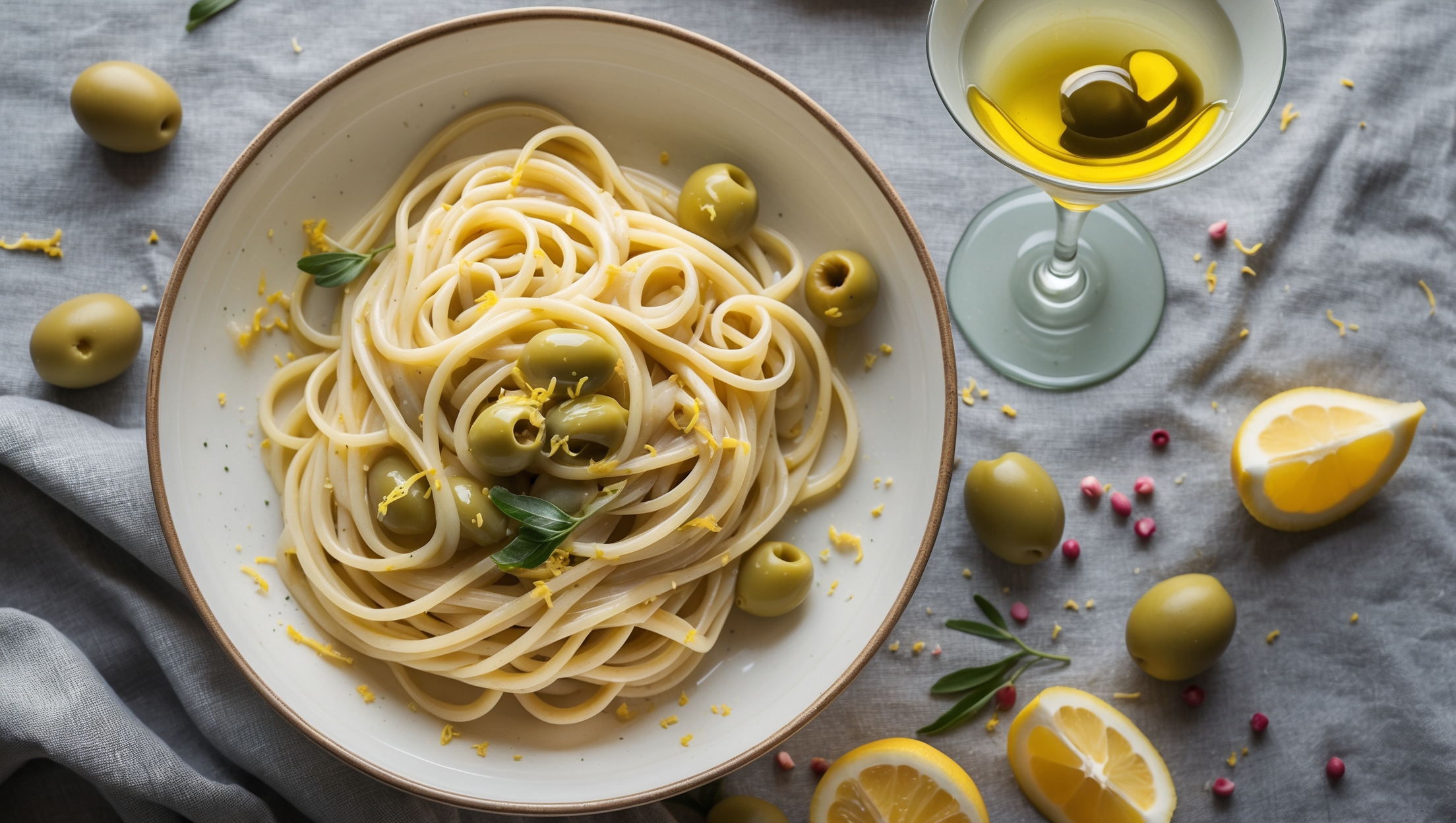
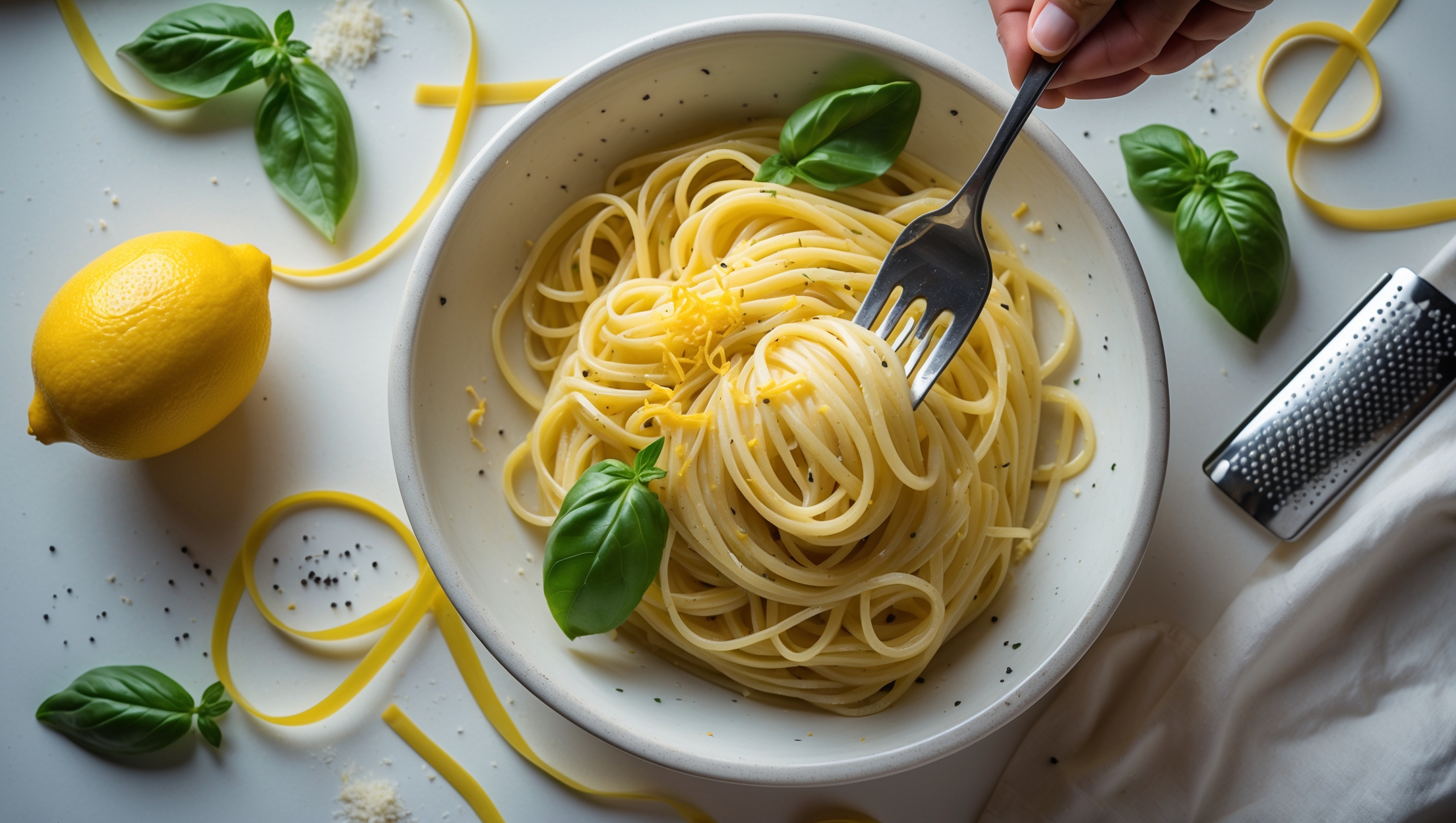
An overhead shot of a shallow white ceramic bowl filled with glossy lemon pasta, twirled into a perfect nest. Thin ribbons of lemon zest and fresh basil leaves are scattered across the top, providing vibrant color contrast against the pale yellow pasta. A half lemon and microplane grater sit nearby, suggesting freshness. A fork lifts a twirl of pasta, capturing the silky, butter-coated strands catching the soft natural light streaming through a kitchen window. Flecks of black pepper and a light dusting of Parmesan are visible, emphasizing the simple yet luxurious nature of this quick pasta dish.

Ingredients

<ul class="ingredients-main-list"><li class="ingredients-single-item">400g dried linguine (or spaghetti)</li><li class="ingredients-single-item">75g unsalted butter</li><li class="ingredients-single-item">3 medium lemons (zest of all, juice of 2)</li><li class="ingredients-single-item">80g Parmesan cheese, finely grated, plus extra for serving</li><li class="ingredients-single-item">240ml pasta cooking water, reserved</li><li class="ingredients-single-item">3 tbsp fresh basil, chopped (optional)</li><li class="ingredients-single-item">Salt and freshly ground black pepper, to taste</li></ul>

Equipment

<ul class="equipment-main-list"><li class="equipment-single-item">Large pot for boiling pasta</li><li class="equipment-single-item">Microplane zester or fine grater</li><li class="equipment-single-item">Large, wide saucepan</li><li class="equipment-single-item">Tongs</li></ul>
BAKE SMARTER

Kitchen Converter

Quickly switch between common baking units without leaving the recipe.

Convert
Result—

Volume uses US cups, tablespoons, and teaspoons. Converting weight to volume depends on the ingredient.

Directions

<ol class="no-list-style"><li class="MethodStepper"><h4 class="step-title">Step 1</h4>Bring a large pot of water to a rolling boil. Add a generous amount of salt (about 1 tablespoon) - this is crucial as it seasons the pasta from within. Add the pasta and cook until al dente according to package instructions, usually 8-10 minutes. The pasta should have a slight bite to it as it will continue cooking slightly in the sauce.</li><li class="MethodStepper"><h4 class="step-title">Step 2</h4>While the pasta cooks, prepare your lemon elements. Carefully zest all three lemons using a microplane, making sure to only remove the yellow outer layer (the white pith underneath is bitter). Then juice two of the lemons, straining out any seeds.</li><li class="MethodStepper"><h4 class="step-title">Step 3</h4>When the pasta is about 2 minutes from being done, scoop out about 240ml of the starchy cooking water and set aside - this pasta water is liquid gold as its starch helps create a silky emulsion with the butter and cheese.</li><li class="MethodStepper"><h4 class="step-title">Step 4</h4>In a large, wide saucepan, melt the butter over medium-low heat. Add the lemon zest and stir for about 30 seconds to infuse the butter with lemon flavor. Add 120ml of the reserved pasta water and the lemon juice, then bring to a gentle simmer.</li><li class="MethodStepper"><h4 class="step-title">Step 5</h4>Drain the pasta and immediately add it to the saucepan with the lemon butter sauce. Using tongs, toss the pasta continuously in the sauce for about 1-2 minutes. The continuous motion helps the starchy pasta water emulsify with the butter, creating a silky, cohesive sauce that clings to each strand.</li><li class="MethodStepper"><h4 class="step-title">Step 6</h4>Remove the pan from heat and gradually sprinkle in the grated Parmesan while continuing to toss the pasta. Adding cheese off heat prevents it from clumping or becoming stringy. If the sauce seems too thick, add a splash more pasta water to achieve a glossy coating that clings to the pasta.</li><li class="MethodStepper"><h4 class="step-title">Step 7</h4>Season with salt and freshly ground black pepper to taste, remembering that Parmesan adds saltiness. Fold in the chopped fresh basil if using. The heat from the pasta will release the basil's aromatic oils without cooking it.</li><li class="MethodStepper"><h4 class="step-title">Step 8</h4>Serve immediately in warmed bowls, topped with additional grated Parmesan and a final grind of black pepper. For an extra touch of freshness, you can add a small squeeze of lemon juice over each serving right before eating. Enjoy while hot, when the sauce is at its silkiest consistency!</li></ol>
Nutrition Facts (per serving)

🍽️ Serving Size: 1 slice
🔥 Calories: 310 calories
🥑 Fat: 14 g
🧈 Saturated Fat: 8 g
🍞 Carbohydrates: 43 g
🍭 Sugar: 28 g
🍗 Protein: 5 g
🫀 Cholesterol: 85 mg
🧂 Sodium: 180 mg

Chef’s Notes

A few helpful details for making this recipe.

Can lemon pasta be made ahead of time?

Lemon pasta is best enjoyed immediately after cooking when the sauce is silky and emulsified. If needed, you can prepare the components separately (zest lemons, grate cheese) ahead of time, but assemble just before serving for optimal texture and flavour.

What's the secret to a silky lemon pasta sauce that doesn't separate?

The key to a perfectly silky lemon sauce is continuous tossing off the heat when adding Parmesan and using starchy pasta water to create an emulsion with the butter. Don't rush this process - the constant movement helps the sauce cling to each pasta strand.

Which pasta shapes work best with a light, lemony sauce?

Long pasta shapes like linguine, spaghetti or fettuccine are ideal for light, butter-based citrus sauces as they provide maximum surface area for the silky sauce to cling to. The sauce coats these strands evenly, allowing for the perfect balanced bite.

Want to try something else in ...

More recipes you might like

Keep exploring with more recipes from What's Baking.