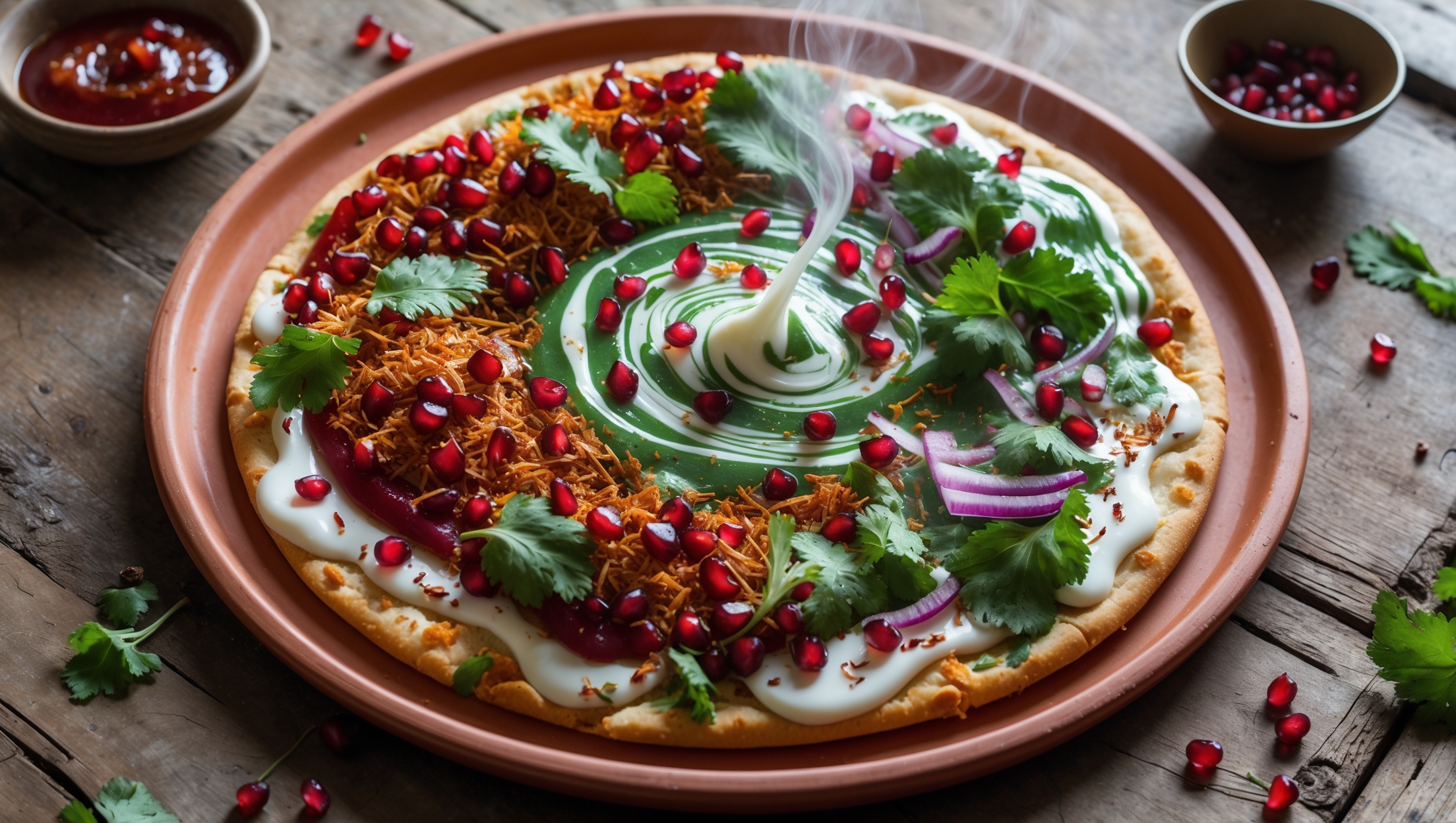
Directions
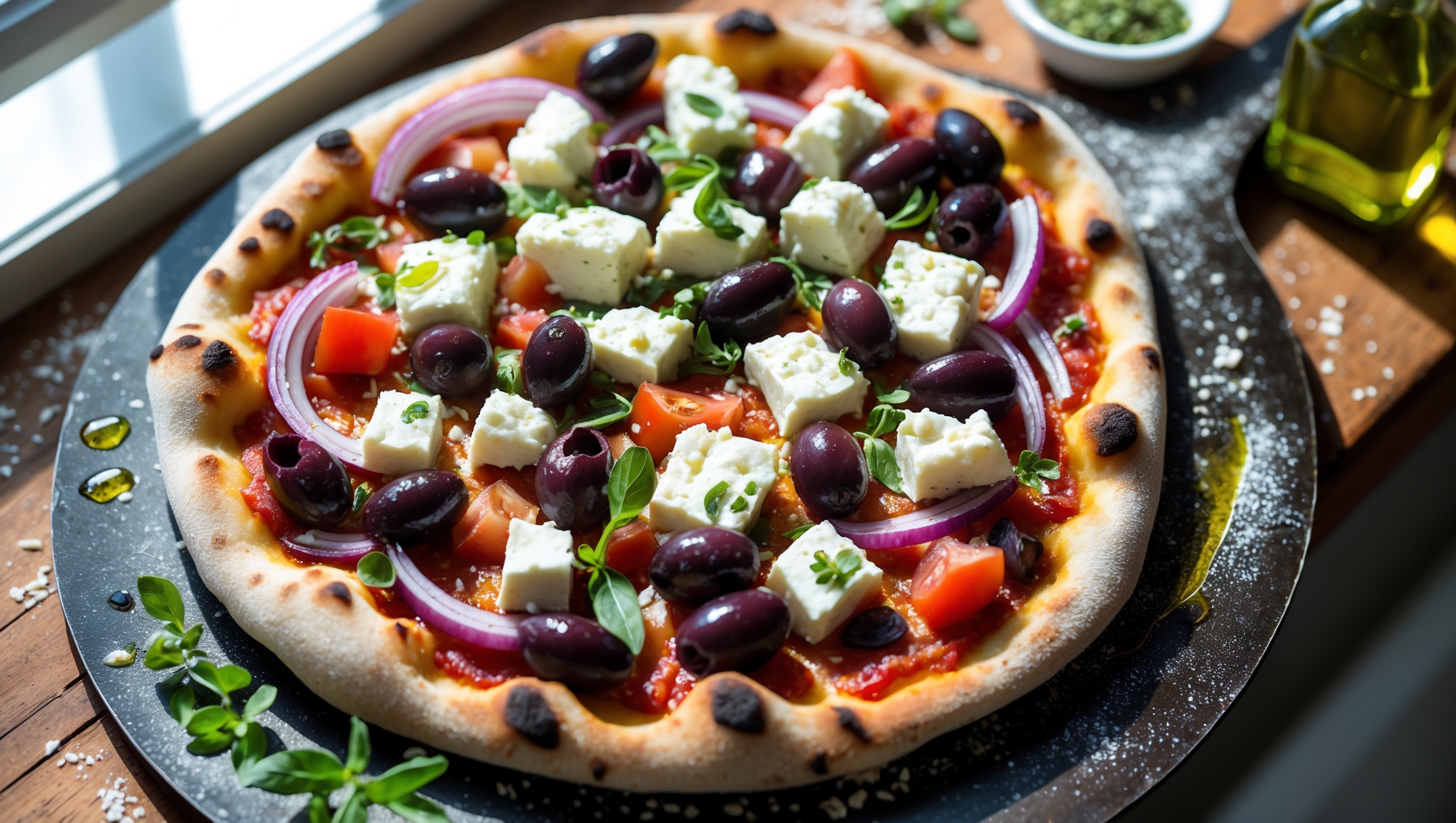
<ol class="no-list-style"><li class="MethodStepper"><h4 class="step-title">Step 1</h4>In a small bowl, combine the warm water (around 38°C - just warm to the touch, not hot) with the sugar and yeast. Stir gently and let it stand for about 5-10 minutes until it becomes frothy. This activation step ensures your dough will rise properly and develop good flavor.</li><li class="MethodStepper"><h4 class="step-title">Step 2</h4>In a large mixing bowl, combine the bread flour and salt. Make a well in the center and pour in the yeast mixture and olive oil. Mix with a wooden spoon until it forms a shaggy dough, then turn it out onto a lightly floured surface.</li><li class="MethodStepper"><h4 class="step-title">Step 3</h4>Knead the dough for 8-10 minutes until it becomes smooth, elastic, and springs back when poked gently. The gluten development during this kneading stage is crucial for a chewy yet tender crust. Form the dough into a ball.</li><li class="MethodStepper"><h4 class="step-title">Step 4</h4>Place the dough ball in a lightly oiled bowl, turning once to coat with oil. Cover with a damp kitchen towel or plastic wrap and let it rise in a warm place for about 1 hour, or until doubled in size. The slow rise develops flavor in your dough.</li><li class="MethodStepper"><h4 class="step-title">Step 5</h4>When the dough has risen, preheat your oven to its highest setting (usually 230-250°C) with the pizza stone or baking sheet inside. This preheating step is essential for achieving a crispy base.</li><li class="MethodStepper"><h4 class="step-title">Step 6</h4>Gently punch down the dough to release air bubbles and transfer it to a lightly floured surface. Use a rolling pin to roll it into a circle about 30cm in diameter. If the dough resists stretching, let it rest for 5 minutes to allow the gluten to relax, then try again.</li><li class="MethodStepper"><h4 class="step-title">Step 7</h4>Sprinkle the pizza peel or an upside-down baking sheet with semolina or cornmeal (this acts like tiny ball bearings to help slide the pizza onto the hot stone). Transfer your rolled dough onto this surface.</li><li class="MethodStepper"><h4 class="step-title">Step 8</h4>Brush the surface of the dough with olive oil, which helps prevent the crust from becoming soggy once toppings are added. Leave a 1cm border around the edge for the crust to form.</li><li class="MethodStepper"><h4 class="step-title">Step 9</h4>Arrange the diced tomatoes evenly over the dough, followed by the sliced red onions. Scatter the Kalamata olives around the pizza and then crumble the feta cheese on top. Sprinkle with half of the oregano, saving the rest for after baking.</li><li class="MethodStepper"><h4 class="step-title">Step 10</h4>Carefully slide the pizza onto the preheated stone or baking sheet in the oven. Bake for 12-15 minutes until the crust is golden brown and the cheese has softened (feta won't melt completely like mozzarella, which is characteristic of Greek pizza).</li><li class="MethodStepper"><h4 class="step-title">Step 11</h4>Remove from the oven and immediately sprinkle with the remaining fresh oregano. The heat will release the aromatic oils in the herb, enhancing the fragrance and flavor of your pizza. Drizzle with a little more olive oil if desired.</li><li class="MethodStepper"><h4 class="step-title">Step 12</h4>Allow the pizza to cool for 2-3 minutes before slicing. This brief rest allows the cheese to set slightly and makes for cleaner slices. Cut into 8 pieces and serve immediately while still warm and at its most delicious.</li></ol>