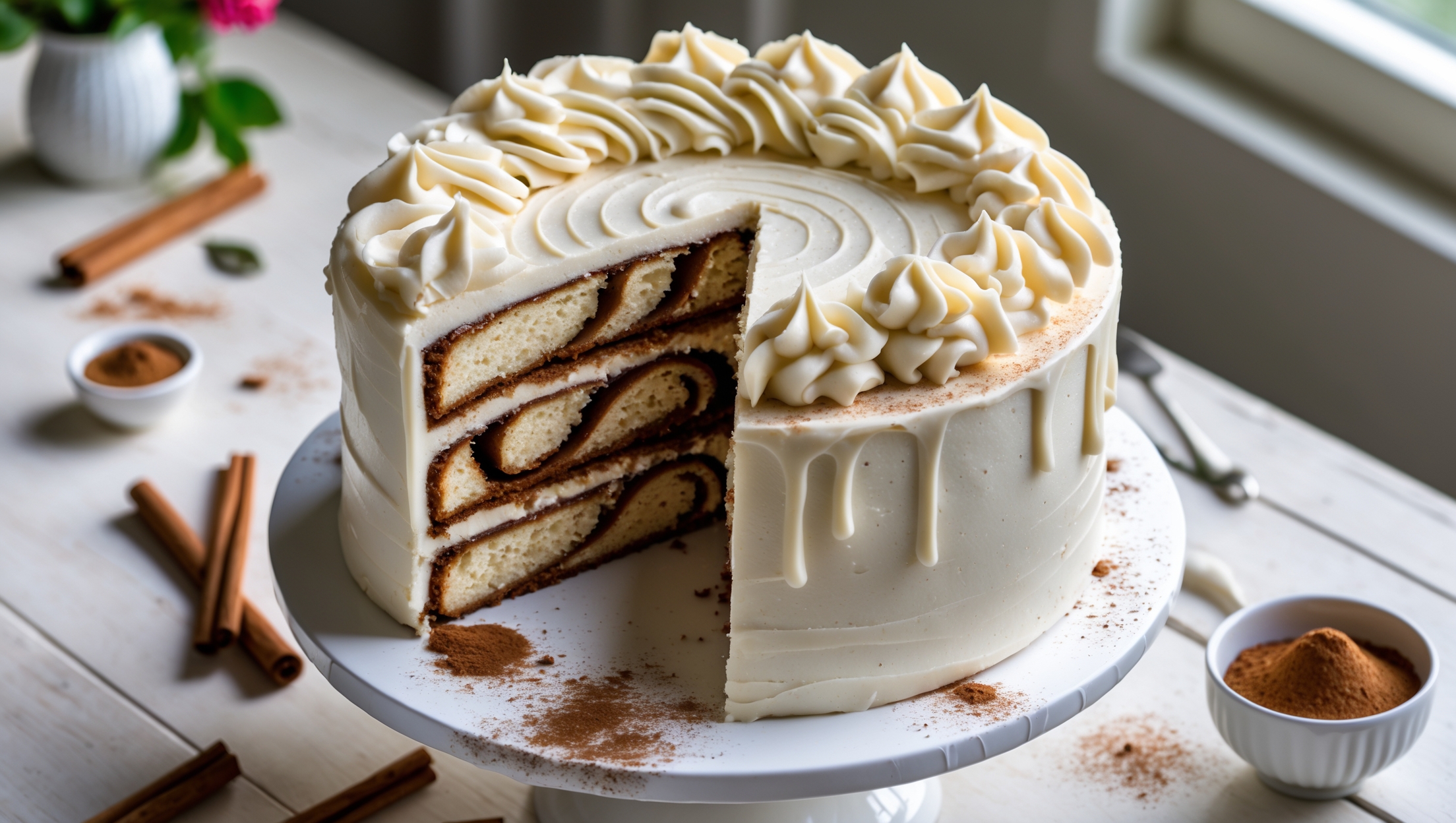
Directions
<ol class="no-list-style"><li class="MethodStepper"><h4 class="step-title">Step 1</h4>Begin by making the Earl Grey milk infusion. Heat the milk in a small saucepan until it just begins to simmer (don't let it boil). Remove from heat, add the tea bags or loose tea, cover, and let steep for 30 minutes. The milk should take on a caramel-beige color and become strongly flavored. Strain through a fine mesh sieve, pressing on the tea leaves to extract maximum flavor. Set aside to cool completely - this is the secret to distributing that beautiful Earl Grey flavor throughout your cake.</li><li class="MethodStepper"><h4 class="step-title">Step 2</h4>Preheat your oven to 180°C (160°C fan/gas mark 4). Grease and line the bases of three 20cm round cake tins with parchment paper. If you only have two tins, you can bake in batches, keeping the remaining batter covered at room temperature.</li><li class="MethodStepper"><h4 class="step-title">Step 3</h4>For the cake, cream together the butter and sugar using a stand mixer or electric hand mixer until extremely light and fluffy - don't rush this step, it takes about 5-7 minutes. This extended creaming creates air pockets that give your cake its tender crumb structure.</li><li class="MethodStepper"><h4 class="step-title">Step 4</h4>Add the eggs one at a time, beating well after each addition. If the mixture looks like it might curdle, add a tablespoon of the flour to stabilize it. The mixture should look glossy and voluminous when properly incorporated.</li><li class="MethodStepper"><h4 class="step-title">Step 5</h4>In a separate bowl, whisk together the flour, baking powder, and salt. Fold this dry mixture into the butter mixture in three additions, alternating with the 150ml of Earl Grey milk infusion, beginning and ending with the dry ingredients. Fold gently but thoroughly to maintain the air you've worked to incorporate. Finally, fold in the lemon zest which will enhance the bergamot notes of the Earl Grey.</li><li class="MethodStepper"><h4 class="step-title">Step 6</h4>Divide the batter evenly between the prepared tins - each should be about two-thirds full. Smooth the tops with an offset spatula. Bake for 25-30 minutes until golden brown and a skewer inserted in the center comes out clean. The cakes should be springy to the touch and just starting to pull away from the sides of the tins.</li><li class="MethodStepper"><h4 class="step-title">Step 7</h4>Allow the cakes to cool in their tins for 10 minutes before turning out onto a wire rack to cool completely. While cooling, the cakes will release their residual steam, developing more flavor as they rest.</li><li class="MethodStepper"><h4 class="step-title">Step 8</h4>For the buttercream, beat the butter in a large bowl until very pale and creamy - about 5 minutes. The butter needs to be almost white before you add any sugar; this prevents a greasy buttercream. Gradually add the sifted icing sugar in three additions, beating well between each. Slowly drizzle in the remaining 100ml of Earl Grey milk infusion while continuing to beat. Add the bergamot extract and ground tea leaves if using. Beat for another 3-5 minutes until extremely light and fluffy - the buttercream should hold its shape but spread easily.</li><li class="MethodStepper"><h4 class="step-title">Step 9</h4>If your cakes have domed tops, level them with a cake leveler or serrated knife to create flat surfaces. Place one cake layer on your serving plate or cake stand. Spread a generous layer of buttercream (about 1cm thick) over the top, reaching all the way to the edges. Place the second cake layer on top, pressing down gently, and repeat with buttercream. Add the final layer and cover the entire cake with a thin layer of buttercream (this is your crumb coat). Refrigerate for 30 minutes to set.</li><li class="MethodStepper"><h4 class="step-title">Step 10</h4>After chilling, apply a final layer of buttercream to the cake, creating a smooth finish or decorative swirls as desired. Return to the refrigerator for another 30 minutes to firm up while you prepare the glaze.</li><li class="MethodStepper"><h4 class="step-title">Step 11</h4>For the lavender glaze, sift the icing sugar into a bowl and gradually add the remaining Earl Grey milk infusion, stirring until you achieve a pourable consistency that's thick enough to coat the back of a spoon. Add the lavender extract if using, and just a tiny drop of purple food coloring if you want a subtle lavender hue. The glaze should flow slowly but not be runny.</li><li class="MethodStepper"><h4 class="step-title">Step 12</h4>Remove the cake from the refrigerator and pour the glaze over the top, allowing it to drip artfully down the sides. Work quickly as the cold cake will help set the glaze. Before the glaze sets completely, decorate with dried edible flowers or fresh lavender sprigs if desired.</li><li class="MethodStepper"><h4 class="step-title">Step 13</h4>Allow the cake to come to room temperature for at least 1 hour before serving – this is crucial as cold cake has muted flavors. The Earl Grey flavor will continue to develop and meld with the bergamot and lavender notes over time, making this cake even more delicious the day after baking.</li></ol>