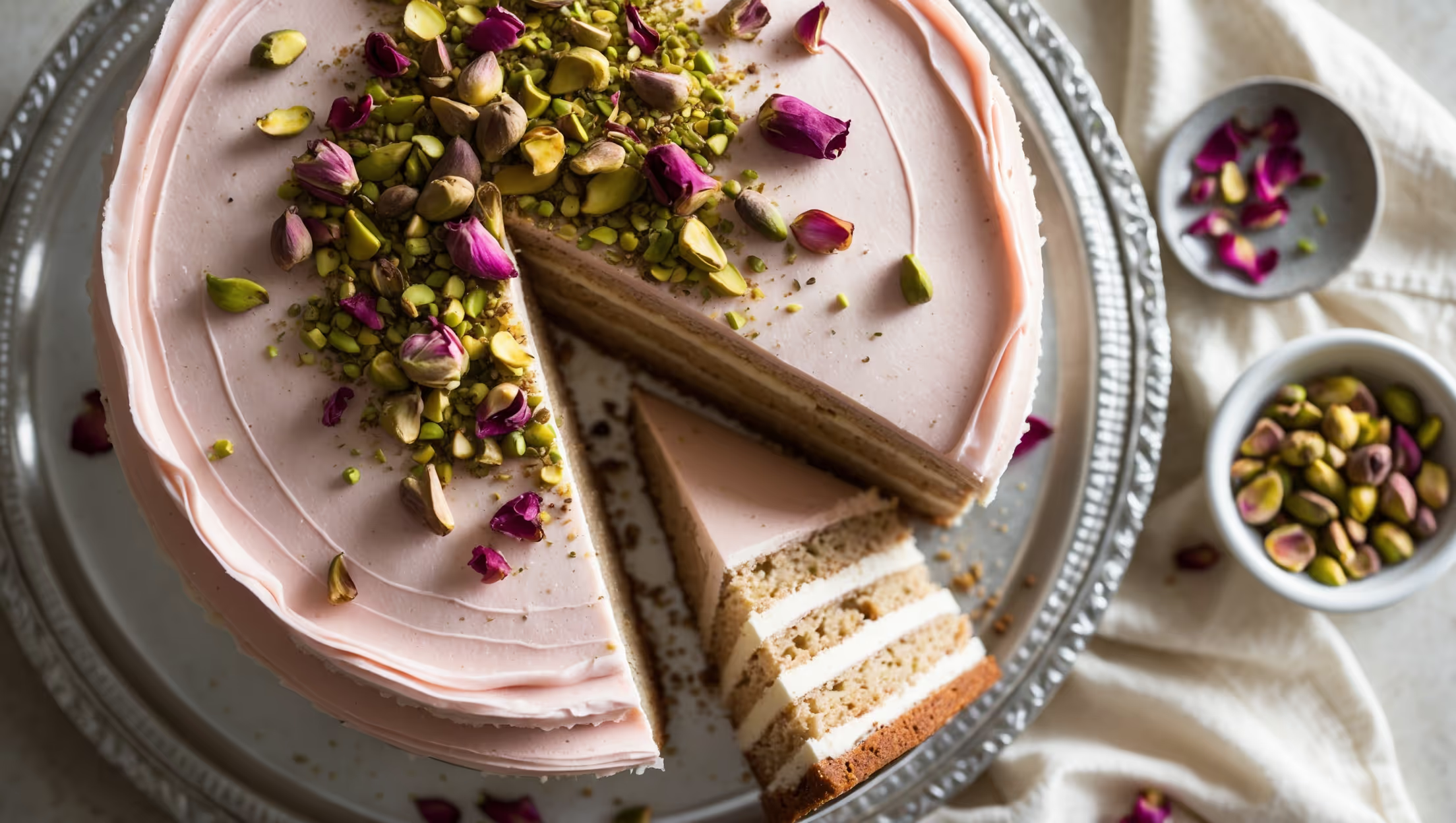
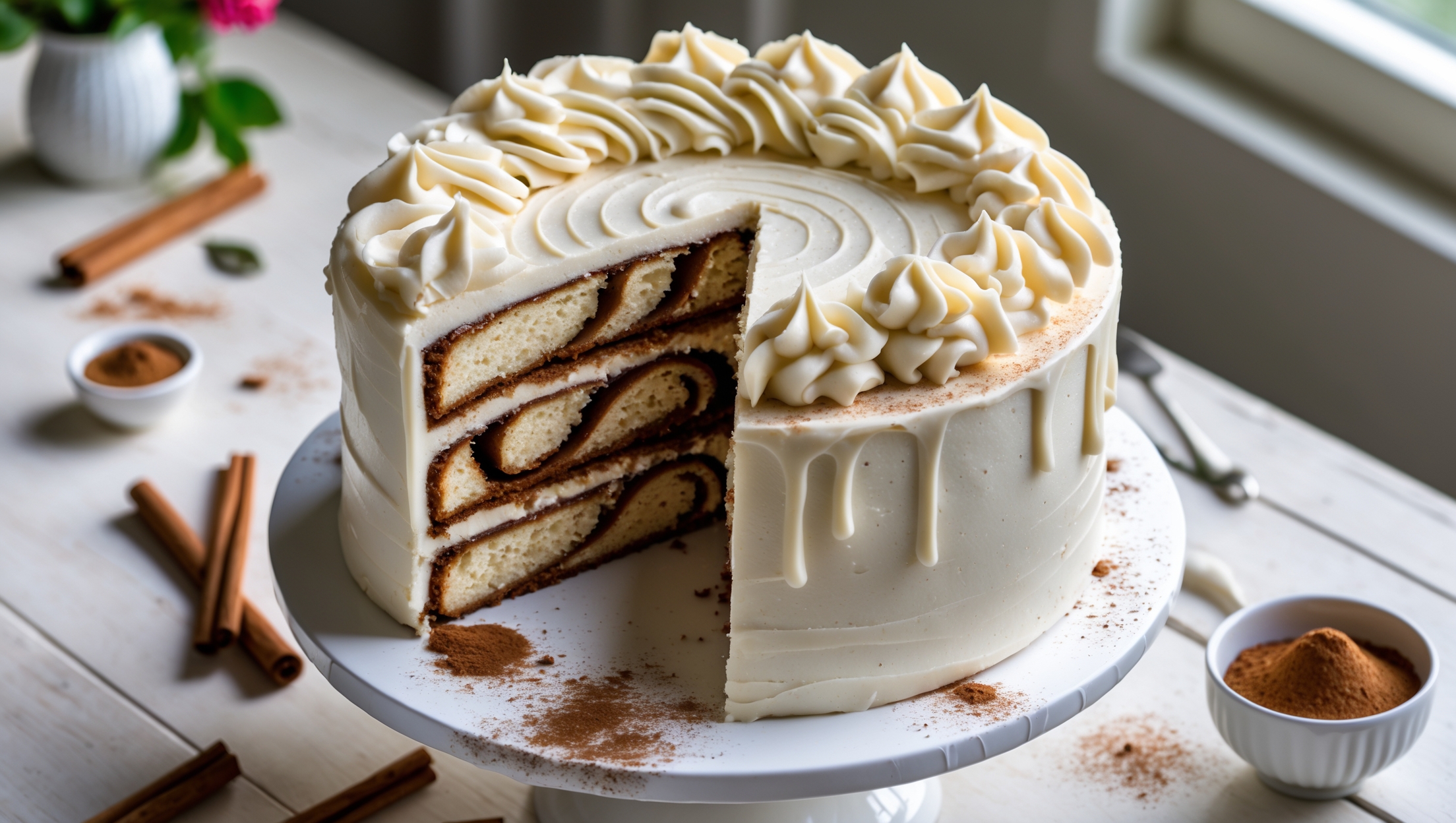
Directions
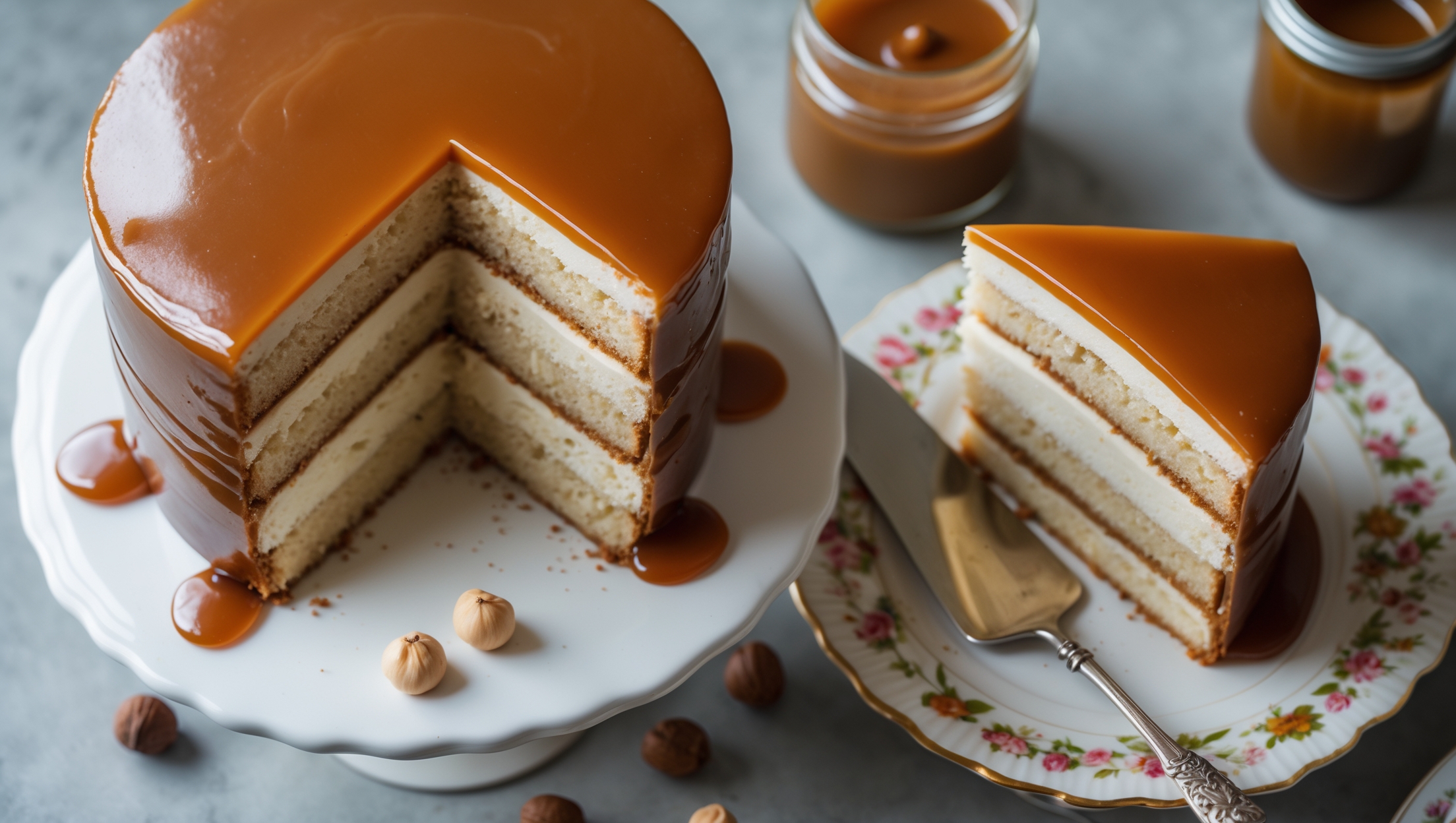
<ol class="no-list-style"><li class="MethodStepper"><h4 class="step-title">Step 1</h4>Preheat your oven to 175°C (350°F). Grease two 20cm (8-inch) round cake pans and line the bottoms with parchment paper. For perfect release, also dust the sides lightly with flour, tapping out any excess.</li><li class="MethodStepper"><h4 class="step-title">Step 2</h4>In a medium bowl, whisk together the flour, baking powder, and salt. This pre-mixing ensures the leavening agents are evenly distributed throughout the batter, preventing any pockets of bitterness or uneven rising.</li><li class="MethodStepper"><h4 class="step-title">Step 3</h4>In the bowl of your stand mixer fitted with the paddle attachment, cream the butter and sugar together on medium-high speed for 4-5 minutes until very light and fluffy. This extended creaming process incorporates air into the mixture, creating the foundation for a tender, light cake texture.</li><li class="MethodStepper"><h4 class="step-title">Step 4</h4>Add the eggs one at a time, beating well after each addition. Scrape down the sides of the bowl frequently to ensure even mixing. If the mixture appears curdled, don't worry – it will come together when you add the flour.</li><li class="MethodStepper"><h4 class="step-title">Step 5</h4>Beat in the vanilla extract until well combined. Then, alternately add the flour mixture and milk in three additions, beginning and ending with the flour. Mix on low speed just until combined after each addition – overmixing will develop gluten and result in a tough cake.</li><li class="MethodStepper"><h4 class="step-title">Step 6</h4>Divide the batter evenly between the prepared pans, smoothing the tops with an offset spatula. Tap the pans firmly on the counter a few times to release any large air bubbles that could create holes in your cake.</li><li class="MethodStepper"><h4 class="step-title">Step 7</h4>Bake for 25-30 minutes, or until a toothpick inserted into the center comes out clean or with a few moist crumbs. The cakes should be golden and spring back lightly when touched. Avoid opening the oven door during the first 20 minutes as this can cause the cakes to sink.</li><li class="MethodStepper"><h4 class="step-title">Step 8</h4>Let the cakes cool in the pans for 10 minutes before inverting onto wire racks to cool completely. The residual heat in the pans helps the cakes set properly before removal.</li><li class="MethodStepper"><h4 class="step-title">Step 9</h4>While the cakes cool, prepare the dulce de leche buttercream. Beat the softened butter in your stand mixer on medium-high speed for 5 minutes until very pale and fluffy. This extended beating creates a super-light base for your buttercream.</li><li class="MethodStepper"><h4 class="step-title">Step 10</h4>Add the dulce de leche and beat for another 2 minutes until well incorporated. With the mixer on low, gradually add the sifted powdered sugar, then the vanilla extract and salt. Once all is incorporated, increase the speed to medium-high and beat for 3 more minutes until silky smooth and fluffy.</li><li class="MethodStepper"><h4 class="step-title">Step 11</h4>Using a serrated knife, carefully slice each cooled cake horizontally into two even layers, creating four layers total. Place your first layer on a cake board or serving plate, securing it with a small dollop of buttercream underneath.</li><li class="MethodStepper"><h4 class="step-title">Step 12</h4>Spread a generous layer of buttercream (about 120g) evenly over the first cake layer. Top with the second layer and repeat the process with the remaining layers, ensuring the top layer is placed bottom-side up for a perfectly flat top surface.</li><li class="MethodStepper"><h4 class="step-title">Step 13</h4>Apply a thin layer of buttercream all over the cake to lock in any crumbs – this is your crumb coat. Refrigerate for 20-30 minutes until firm. This step ensures your final coat will be smooth and crumb-free.</li><li class="MethodStepper"><h4 class="step-title">Step 14</h4>Apply the remaining buttercream evenly around the sides and top of the cake using an offset spatula or bench scraper for a smooth finish. Return the cake to the refrigerator while you prepare the caramel drip.</li><li class="MethodStepper"><h4 class="step-title">Step 15</h4>For the caramel drip, place the sugar in a medium saucepan over medium heat. Watch carefully as the sugar melts and turns amber – do not stir, but you can gently swirl the pan. When the sugar is completely melted and amber-colored (around 170°C/340°F if using a thermometer), remove from heat immediately.</li><li class="MethodStepper"><h4 class="step-title">Step 16</h4>Carefully add the warm heavy cream (warming prevents splattering) while whisking continuously – the mixture will bubble vigorously, so be cautious. Once the bubbling subsides, add the butter and salt, whisking until smooth. Transfer to a heat-proof container and allow to cool until just warm to the touch and slightly thickened – about 10-15 minutes.</li><li class="MethodStepper"><h4 class="step-title">Step 17</h4>Remove the cake from the refrigerator. Using a spoon or piping bag, apply the caramel around the edge of the cake, allowing it to drip down the sides naturally. Fill in the top with the remaining caramel, spreading gently with an offset spatula. The cake should be cold and the caramel just warm for perfect drips that don't run too far.</li><li class="MethodStepper"><h4 class="step-title">Step 18</h4>If desired, use any remaining buttercream to pipe decorative swirls on top of the cake. Allow the cake to sit at room temperature for at least 1-2 hours before serving to ensure the best flavor and texture – cold cake dulls the flavor notes of both vanilla and caramel.</li></ol>