Directions
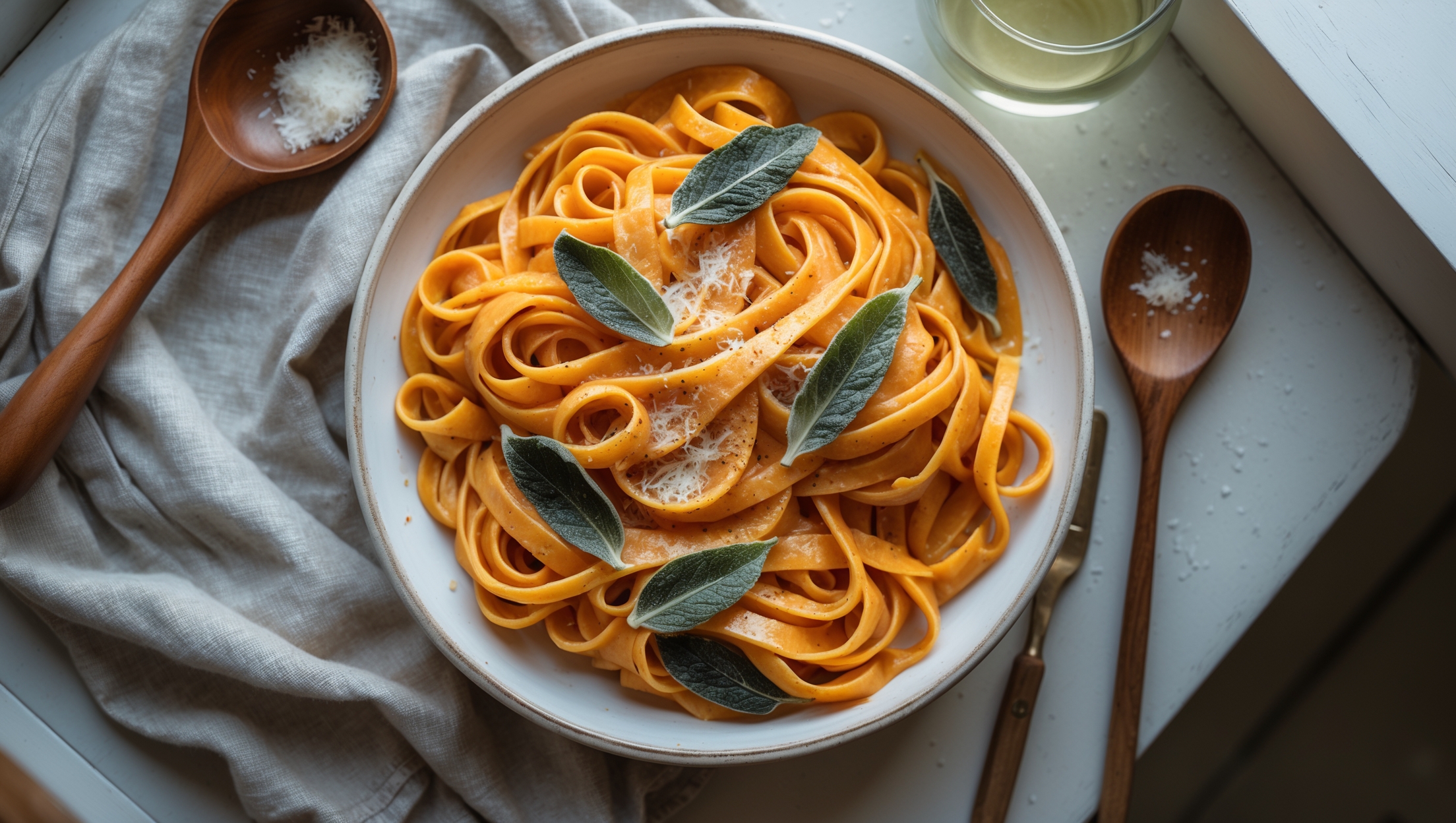
<ol class="no-list-style"><li class="MethodStepper"><h4 class="step-title">Step 1</h4>Preheat your oven to 200°C. Toss the pumpkin cubes with 1 tablespoon of olive oil and a generous pinch of salt on a baking tray. Spread them out in a single layer, ensuring they're not overcrowded (overcrowding causes steaming rather than roasting). Roast for 25-30 minutes until the pumpkin is tender and caramelized at the edges. The caramelization adds depth of flavor to your final sauce.</li><li class="MethodStepper"><h4 class="step-title">Step 2</h4>While the pumpkin roasts, heat the remaining olive oil in a large saucepan over medium heat. Add the diced onion with a pinch of salt and cook for 7-8 minutes until translucent and starting to caramelize. The slow cooking of onions releases their natural sugars, creating a sweet foundation for the sauce.</li><li class="MethodStepper"><h4 class="step-title">Step 3</h4>Add the minced garlic and chopped sage to the onions, cooking for another 1-2 minutes until fragrant. Be careful not to burn the garlic as it can become bitter. Stir in the freshly grated nutmeg.</li><li class="MethodStepper"><h4 class="step-title">Step 4</h4>Once the pumpkin is roasted, transfer it to a blender or food processor along with the sautéed onion mixture and vegetable stock. Blend until completely smooth. The stock helps thin the puree while adding flavor – you may need slightly more or less depending on your pumpkin's water content.</li><li class="MethodStepper"><h4 class="step-title">Step 5</h4>Return the blended sauce to the saucepan and bring to a gentle simmer. Pour in the cream and stir to incorporate. Allow the sauce to simmer gently for 5 minutes, stirring occasionally. The sauce should coat the back of a spoon but still be pourable.</li><li class="MethodStepper"><h4 class="step-title">Step 6</h4>Meanwhile, bring a large pot of well-salted water to a boil and cook the pasta according to package instructions until al dente. Reserve 120ml of pasta cooking water before draining. The starchy pasta water helps bind the sauce to the pasta.</li><li class="MethodStepper"><h4 class="step-title">Step 7</h4>For crispy sage garnish (optional but recommended): Heat the butter in a small pan until foaming, then add whole sage leaves. Fry for 20-30 seconds until crisp but still green. Remove with a slotted spoon onto paper towels.</li><li class="MethodStepper"><h4 class="step-title">Step 8</h4>Add the drained pasta directly to the sauce, along with the grated Parmesan cheese. Toss together, adding splashes of reserved pasta water as needed to reach your desired consistency. The pasta will continue to absorb sauce as it sits, so slightly looser is better.</li><li class="MethodStepper"><h4 class="step-title">Step 9</h4>Season with salt and freshly ground black pepper to taste. Remember, Parmesan adds saltiness, so taste before adding additional salt. Serve immediately in warmed bowls topped with extra Parmesan, freshly cracked black pepper, and crispy sage leaves if made. The pasta is best enjoyed fresh while the sauce is creamy and the pasta perfectly al dente.</li></ol>