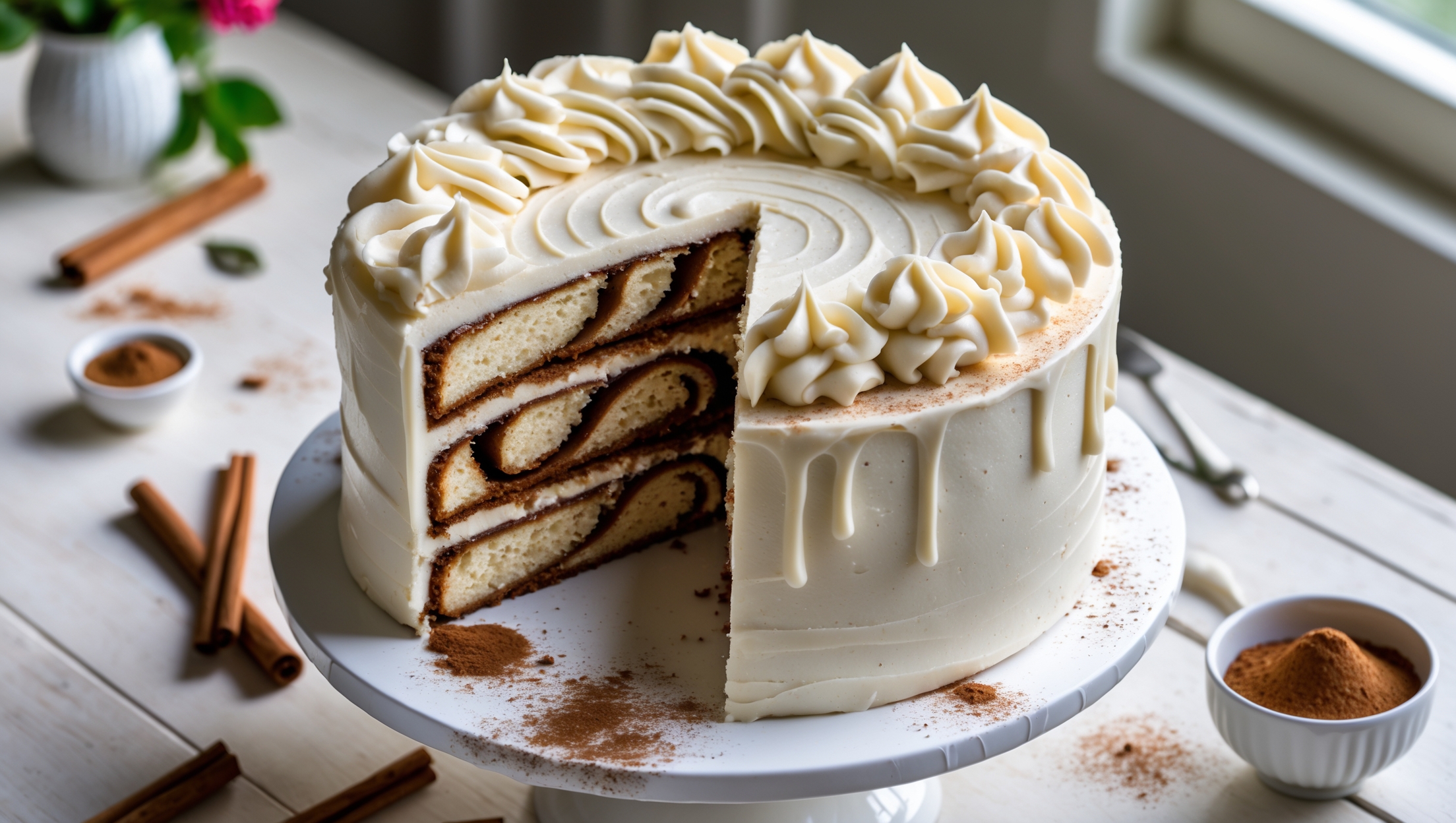
Directions
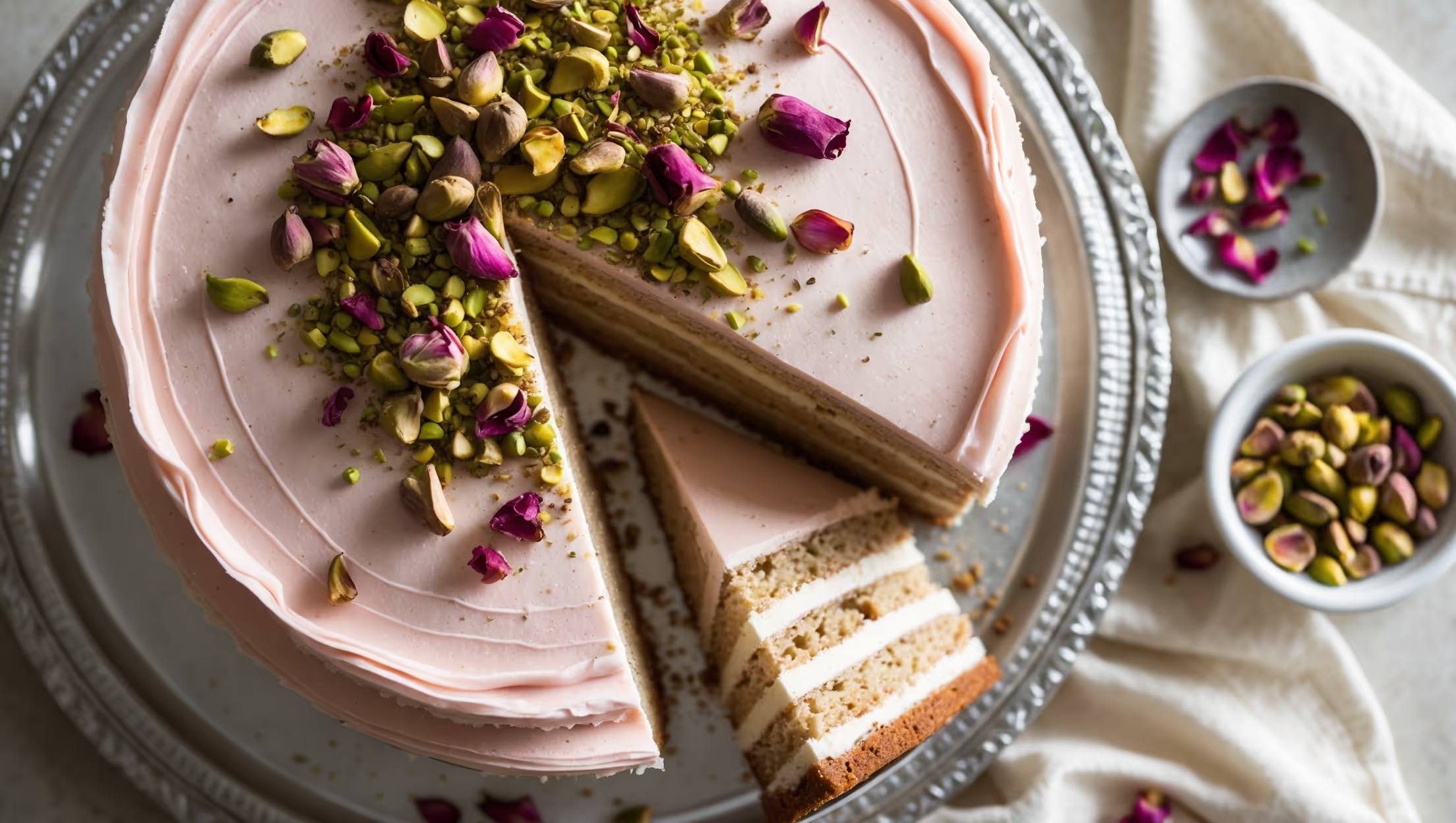
<ol class="no-list-style"><li class="MethodStepper"><h4 class="step-title">Step 1</h4>Preheat your oven to 180°C (160°C fan). Thoroughly grease three 20cm round cake tins and line the bottoms with parchment paper. This careful preparation ensures your cakes will release cleanly after baking.</li><li class="MethodStepper"><h4 class="step-title">Step 2</h4>If using whole cardamom pods, crack open about 30-40 pods and grind the black seeds in a spice grinder or mortar and pestle until finely ground. Freshly ground cardamom has a significantly more vibrant flavor than pre-ground, which transforms the cake's aromatic profile.</li><li class="MethodStepper"><h4 class="step-title">Step 3</h4>In a large mixing bowl, cream together the softened butter and caster sugar for a full 5-7 minutes until extremely pale and fluffy. This extended creaming creates tiny air pockets that give your cake its light texture. The mixture should be almost white and doubled in volume.</li><li class="MethodStepper"><h4 class="step-title">Step 4</h4>Add the eggs one at a time, beating thoroughly between each addition. If the mixture begins to curdle, add a tablespoon of your measured flour to stabilize the emulsion. Proper incorporation at this stage ensures an even, tender crumb.</li><li class="MethodStepper"><h4 class="step-title">Step 5</h4>In a separate bowl, whisk together the flour, salt, and ground cardamom. Gently fold half of this dry mixture into the butter mixture using a large metal spoon or silicone spatula, cutting through the center and folding over the sides to maintain as much air as possible.</li><li class="MethodStepper"><h4 class="step-title">Step 6</h4>Mix the vanilla extract into the milk, then add half to the batter, folding gently. Continue alternating between the remaining dry ingredients and milk until just combined. The batter should be dropping consistency - when lifted with a spoon, it falls in thick ribbons.</li><li class="MethodStepper"><h4 class="step-title">Step 7</h4>Divide the batter equally between your prepared tins (about 550-600g per tin if you want to be precise). Level the tops gently and bake in the preheated oven for 25-30 minutes, or until a skewer inserted comes out clean and the cakes spring back when lightly pressed. The cakes should be golden on top with a slight dome.</li><li class="MethodStepper"><h4 class="step-title">Step 8</h4>Allow the cakes to cool in their tins for 10 minutes before turning out onto a wire rack to cool completely. Placing them bottom-side up helps flatten any domes. For easier frosting, wrap the completely cooled layers in plastic wrap and refrigerate for at least an hour or overnight.</li><li class="MethodStepper"><h4 class="step-title">Step 9</h4>For the buttercream, beat the softened butter in a large bowl for 5 minutes until extremely pale and fluffy. This extended beating incorporates air and reduces the greasy mouthfeel of the final frosting.</li><li class="MethodStepper"><h4 class="step-title">Step 10</h4>Gradually add the sifted icing sugar, about 100g at a time, beating well between additions. Once all sugar is incorporated, add the rose water or extract a small amount at a time, tasting after each addition until you reach your desired flavor intensity. Rose can easily overwhelm, so proceed cautiously.</li><li class="MethodStepper"><h4 class="step-title">Step 11</h4>Add milk one tablespoon at a time until you achieve a smooth, spreadable consistency. If using food coloring, add a tiny amount and mix thoroughly to achieve a delicate pink shade. Remember that the color will deepen slightly as it sits.</li><li class="MethodStepper"><h4 class="step-title">Step 12</h4>If your cake layers have domes, carefully level them using a long serrated knife. Place one cake layer on your serving plate or cake stand. Spread about a fifth of your buttercream evenly over the top, extending slightly beyond the edges. Place the second layer on top and repeat.</li><li class="MethodStepper"><h4 class="step-title">Step 13</h4>Place the final layer on top, bottom-side up for the flattest surface. Apply a thin layer of buttercream over the entire cake to seal in crumbs (this is your crumb coat), then refrigerate for at least 30 minutes until firm.</li><li class="MethodStepper"><h4 class="step-title">Step 14</h4>Apply the remaining buttercream to the chilled cake, creating smooth sides and top with an offset spatula. For an ombré effect, add more pink coloring to any remaining buttercream and apply to the bottom third of the cake, blending upward.</li><li class="MethodStepper"><h4 class="step-title">Step 15</h4>Decorate the top of your cake with a sprinkle of chopped pistachios around the perimeter, then arrange dried rose petals in the center. Dust lightly with the remaining ground cardamom for a finishing touch that hints at the flavors inside.</li><li class="MethodStepper"><h4 class="step-title">Step 16</h4>Allow the cake to sit at room temperature for at least 1-2 hours before serving to allow the flavors to meld and the buttercream to soften slightly. This cake is actually even better on the second day when the cardamom has fully permeated the sponge with its warm, aromatic essence.</li></ol>