Directions
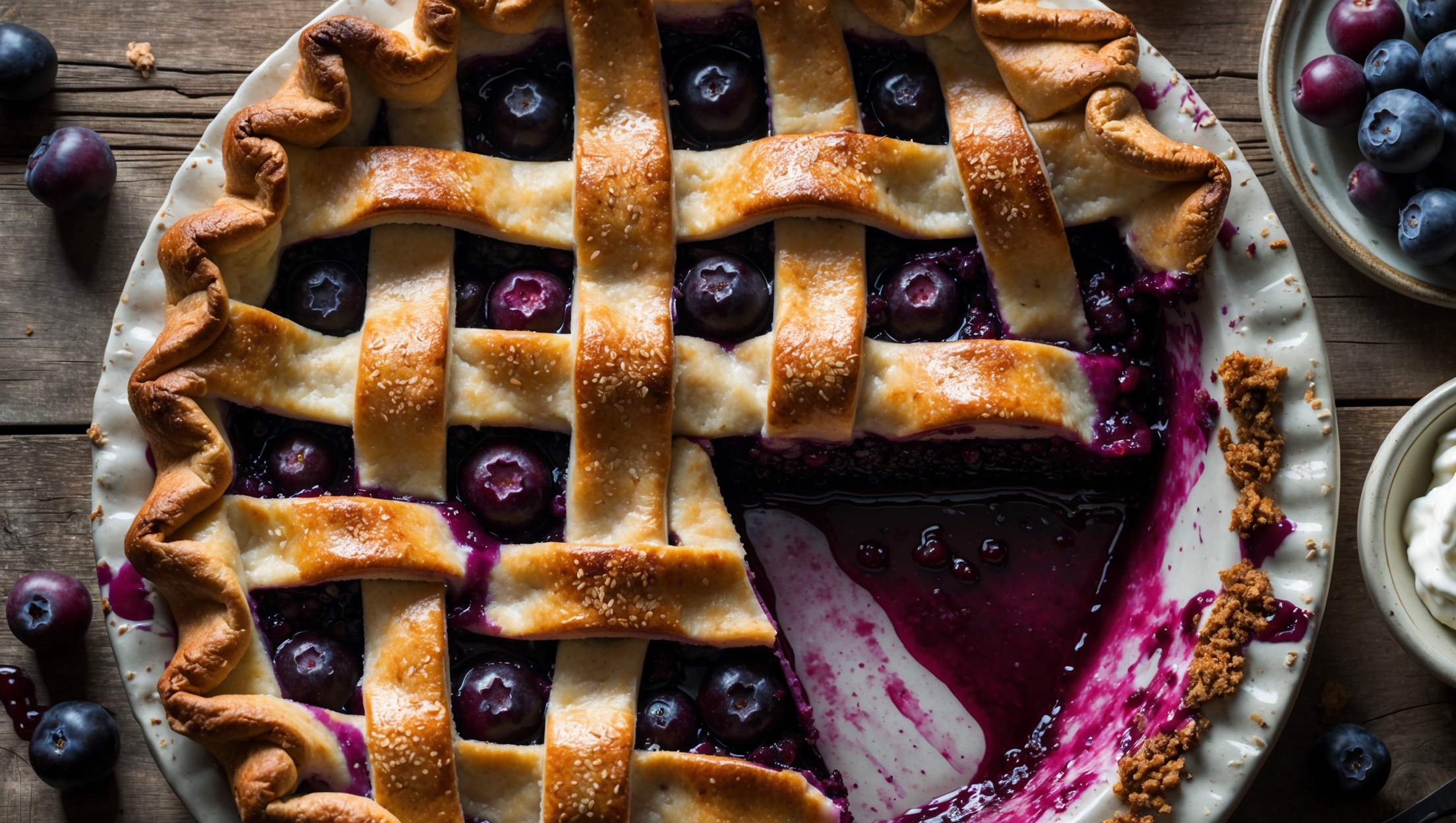
<ol class="no-list-style"><li class="MethodStepper"><h4 class="step-title">Step 1</h4>Begin by preparing your pie crust. In a large bowl, whisk together the flour, sugar, and salt. Add the cold cubed butter and use a pastry cutter or your fingertips to work it into the flour until you have pea-sized pieces. The varied butter chunks create layers in your dough that translate to flakiness when baked.</li><li class="MethodStepper"><h4 class="step-title">Step 2</h4>Mix the ice water and apple cider vinegar in a small cup. The vinegar inhibits gluten development, ensuring a more tender crust. Drizzle 6 tablespoons of the liquid over the flour mixture and gently combine with a fork. Add more water, 1 tablespoon at a time, until the dough just holds together when pinched (you may not need all the liquid).</li><li class="MethodStepper"><h4 class="step-title">Step 3</h4>Divide the dough into two slightly unequal portions – about 60% for the bottom crust and 40% for the lattice top. Shape each portion into a disc, wrap in plastic, and refrigerate for at least 2 hours or up to 2 days. Cold dough is essential for a flaky texture as it keeps the butter from melting too quickly.</li><li class="MethodStepper"><h4 class="step-title">Step 4</h4>While the dough chills, prepare your filling. In a large bowl, gently toss the boysenberries with sugar, cornstarch, lemon juice, zest, cinnamon, and nutmeg. Let the mixture sit for 15-20 minutes to allow the berries to release some juices and the cornstarch to begin dissolving. This resting period helps prevent a runny filling.</li><li class="MethodStepper"><h4 class="step-title">Step 5</h4>Preheat your oven to 200°C (425°F) and place a baking sheet on the lower rack to catch any potential drips. On a lightly floured surface, roll out the larger disc of dough to about 30cm (12 inches) in diameter. Roll the dough around your rolling pin to easily transfer it to your pie dish, gently pressing it into the corners without stretching.</li><li class="MethodStepper"><h4 class="step-title">Step 6</h4>Pour the boysenberry filling into the dough-lined pie dish, mounding slightly in the center. Roll out the second disc of dough and cut into 2.5cm (1-inch) strips for the lattice top. Arrange half the strips across the pie, then weave the remaining strips perpendicular to create a lattice pattern. Trim any excess dough, leaving a 2.5cm (1-inch) overhang.</li><li class="MethodStepper"><h4 class="step-title">Step 7</h4>Fold the overhang under itself and crimp the edges decoratively with your fingers or a fork. Brush the entire top crust with egg wash, which creates that beautiful golden sheen during baking, and sprinkle generously with coarse sugar for a delightful crunch and sparkle.</li><li class="MethodStepper"><h4 class="step-title">Step 8</h4>Place the pie on the preheated baking sheet and bake at 200°C (425°F) for 20 minutes. This initial high heat helps set the crust structure. Then, reduce the temperature to 180°C (350°F) and continue baking for 35-40 minutes more, until the filling is bubbling vigorously and the crust is deeply golden. If the edges brown too quickly, shield them with foil or a pie shield.</li><li class="MethodStepper"><h4 class="step-title">Step 9</h4>Allow the pie to cool completely on a wire rack for at least 4 hours before slicing. This cooling period is crucial – it allows the filling to set properly so it won't run when cut. For the cleanest slices, refrigerate for 1-2 hours after cooling to room temperature. Serve slightly warm or at room temperature with a dollop of whipped cream or vanilla ice cream.</li></ol>