Directions
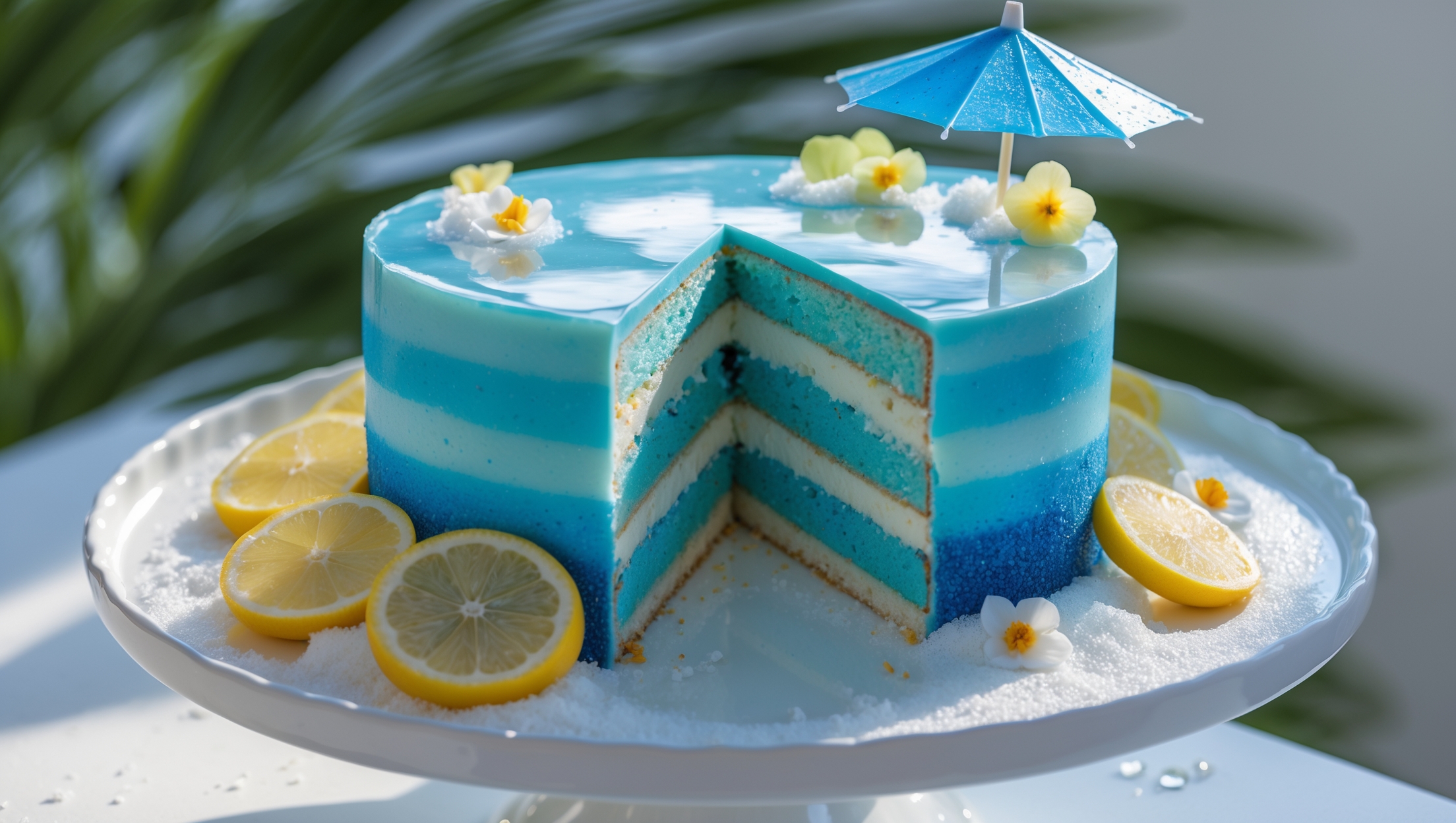
<ol class="no-list-style"><li class="MethodStepper"><h4 class="step-title">Step 1</h4>Preheat your oven to 180°C. Grease and line three 20cm round cake tins with parchment paper. This preparation ensures your cakes will release cleanly after baking.</li><li class="MethodStepper"><h4 class="step-title">Step 2</h4>In a medium bowl, whisk together the flour, baking powder, baking soda, and salt. Proper mixing of dry ingredients ensures even leavening throughout the cake.</li><li class="MethodStepper"><h4 class="step-title">Step 3</h4>In the bowl of a stand mixer fitted with the paddle attachment, cream the butter and sugar on medium-high speed for 5 minutes until pale and fluffy. This extended creaming creates air pockets that help your cake achieve a light texture.</li><li class="MethodStepper"><h4 class="step-title">Step 4</h4>Add eggs one at a time, beating well after each addition. Scrape down the sides of the bowl frequently to ensure even incorporation. The mixture may look slightly curdled, but don't worry – this is normal.</li><li class="MethodStepper"><h4 class="step-title">Step 5</h4>Mix in vanilla extract, coconut extract, and lemon zest. In a separate small bowl, combine buttermilk and lemon juice.</li><li class="MethodStepper"><h4 class="step-title">Step 6</h4>Alternately add the dry ingredients and buttermilk mixture to the batter, beginning and ending with the dry ingredients (3 additions of dry, 2 of wet). Mix only until just combined after each addition – overmixing will develop gluten and create a tough cake.</li><li class="MethodStepper"><h4 class="step-title">Step 7</h4>Divide the batter equally into three portions. Leave one portion plain, add a small amount of blue food coloring to the second portion for a light blue shade, and add more coloring to the third portion for a deeper blue. This creates the beautiful ombré effect reminiscent of the blue lagoon.</li><li class="MethodStepper"><h4 class="step-title">Step 8</h4>Pour batters into the prepared tins and smooth the tops with an offset spatula. Tap the pans gently on the counter to release any large air bubbles.</li><li class="MethodStepper"><h4 class="step-title">Step 9</h4>Bake for 23-25 minutes, or until a toothpick inserted into the center comes out clean and the edges start to pull away from the sides. The cakes should spring back when lightly touched.</li><li class="MethodStepper"><h4 class="step-title">Step 10</h4>While the cakes are baking, prepare the coconut syrup by combining sugar and water in a small saucepan. Bring to a boil, stirring until sugar dissolves. Remove from heat, add coconut extract, and let cool completely.</li><li class="MethodStepper"><h4 class="step-title">Step 11</h4>Allow cakes to cool in pans for 10 minutes, then turn out onto wire racks. While still warm, brush liberally with coconut syrup – the warm cakes will absorb the syrup better, creating a moist, flavorful result. Let cool completely.</li><li class="MethodStepper"><h4 class="step-title">Step 12</h4>For the buttercream, beat butter until pale and creamy (about 4 minutes). Gradually add icing sugar, coconut cream, vanilla, and blue curaçao syrup, beating until light and fluffy. The extended beating time creates a silky, stable frosting.</li><li class="MethodStepper"><h4 class="step-title">Step 13</h4>Level cake layers if needed. Place the darkest blue layer on a cake board. Spread an even layer of buttercream, then add the medium blue layer. Repeat with buttercream and top with the lightest layer (or plain) for the ombré effect.</li><li class="MethodStepper"><h4 class="step-title">Step 14</h4>Apply a thin crumb coat of buttercream to the entire cake and refrigerate for 30 minutes until firm. This seals in crumbs for a smoother final finish.</li><li class="MethodStepper"><h4 class="step-title">Step 15</h4>Apply a final, smooth layer of buttercream and chill the cake for at least 2 hours or overnight. A thoroughly chilled cake is essential for the mirror glaze to set correctly.</li><li class="MethodStepper"><h4 class="step-title">Step 16</h4>For the mirror glaze, bloom gelatin in cold water for 5 minutes. In a saucepan, bring sugar and 100ml water to a boil. Remove from heat, add the bloomed gelatin, and stir until dissolved.</li><li class="MethodStepper"><h4 class="step-title">Step 17</h4>Add condensed milk to the gelatin mixture, then pour over the white chocolate in a heatproof bowl. Let stand for 2 minutes, then stir gently until smooth. Add blue food coloring to achieve your desired shade.</li><li class="MethodStepper"><h4 class="step-title">Step 18</h4>Allow glaze to cool to 32-35°C – this temperature is crucial for proper pouring consistency. If the glaze is too hot, it will melt the buttercream; too cool and it won't flow properly.</li><li class="MethodStepper"><h4 class="step-title">Step 19</h4>Place the chilled cake on a wire rack over a baking sheet. Pour the glaze evenly over the top, allowing it to flow down the sides naturally. Gently tap the rack to help the glaze settle and create a smooth surface. Leave for 10 minutes to set.</li><li class="MethodStepper"><h4 class="step-title">Step 20</h4>Carefully transfer the glazed cake to your serving plate. Create a beach effect by pressing desiccated coconut around the base. Arrange candied lemon slices and edible flowers on top to mimic a garnished cocktail. Refrigerate until ready to serve.</li></ol>