
On this page
From Gooey Chocolate Chip Cookies to Elegant Macarons – Your Ultimate Baking Guide
Craving something sweet, salty, or downright indulgent? These 5 showstopping baked treats strike the perfect balance between comfort and sophistication, from classic chocolate chip cookies to gourmet macarons. Whether you're a home baker or a dessert enthusiast, these recipes—inspired by What's Baking—will satisfy every craving.
Let’s dive into these must-try sweets that are perfect for weekend baking, special occasions, or just because!
Why these five desserts belong on your baking list
Some bakes are made for quiet afternoons: a tray of warm chocolate chip cookies, a cup of tea, and the pleasure of eating something while the chocolate is still soft. Others turn an ordinary gathering into an occasion. A box of jewel-like macarons is delicate, personal, and surprisingly memorable. This guide brings both moods together without pretending that a cookie and a macaron require the same technique. Each dessert has its own ingredients, preparation style, and ideal moment.
We have chosen two chocolate chip cookie recipes and three macaron variations because their contrasting textures teach genuinely useful baking skills. The cookies show how butter temperature, chocolate selection, portion size, and chilling influence spread. The macarons demonstrate the role of a stable meringue, measured folding, and a balanced filling. Learn these principles and you can apply them to many other recipes beyond this collection.
Use the linked recipe pages for exact ingredient quantities, oven settings, and complete instructions. This article is your companion: it explains the decisions that influence the outcome, what to watch for while baking, and how to adapt the presentation without guessing at the underlying formulas. Start with the dessert that matches your time, equipment, and confidence, then return to the others as your skills grow.
At a glance: the five treats
- Sea salt chocolate chip cookies: classic comfort with a sharp, elegant sweet-salty finish.
- Triple chocolate chip cookies: deep cocoa notes and generous chocolate in every bite.
- Maple bacon macarons: a carefully balanced sweet-and-savory filling for adventurous bakers.
- Champagne macarons: delicate almond shells and a celebration-ready sparkling-wine buttercream.
- Birthday cake macarons: vanilla-forward, colourful sandwich cookies made for gifting and parties.
1. Sea Salt Chocolate Chip Cookies: A Sweet & Salty Favorite
These chewy, buttery cookies get an upgrade with flaky sea salt, creating the perfect sweet-salty balance that keeps you reaching for more.

Why You’ll Love Them:
🍪 Crispy edges, soft centers – The ideal cookie texture
🧂 Flaky sea salt – Enhances the chocolate flavor
🌿 Vanilla bean paste – For a richer taste
Pro Tip: Use high-quality dark chocolate (70% or higher) for the best flavor contrast.
What makes the sea salt version special?
A good sea salt chocolate chip cookie should not taste salty. The purpose of a restrained finish is contrast: a few flakes sharpen the chocolate aroma, balance the sweetness, and make the buttery dough taste more complex. Flaky salt is especially attractive because its irregular crystals remain distinct on the surface. Fine table salt dissolves quickly and tastes more uniformly salty, so the two are not interchangeable as a finishing touch. Follow the recipe for salt inside the dough, and use the final sprinkle lightly.
Pay attention to chocolate shape. Chips are designed to hold their shape, whereas chopped baking chocolate often melts into broader, irregular pockets. Either can be delicious, but the eating experience changes. If you prefer the image of a bakery-style cookie with visible pools of chocolate, use the type recommended by the linked recipe or a similarly formulated baking chocolate. Cocoa percentage changes the sweetness and intensity; a higher percentage is not automatically superior if it overwhelms the rest of the cookie.
For a pleasing contrast between edges and centre, weigh the flour if you can, avoid unnecessary extra mixing after it goes in, and portion evenly. Cookies made from very different sized scoops bake at different speeds even on the same tray. Watch the edges rather than relying on a timer alone. When they look set and lightly golden, the centres may still appear slightly soft; many cookie recipes are designed to finish setting as they cool. The exact doneness cue belongs to the original recipe.
Small presentation details that matter
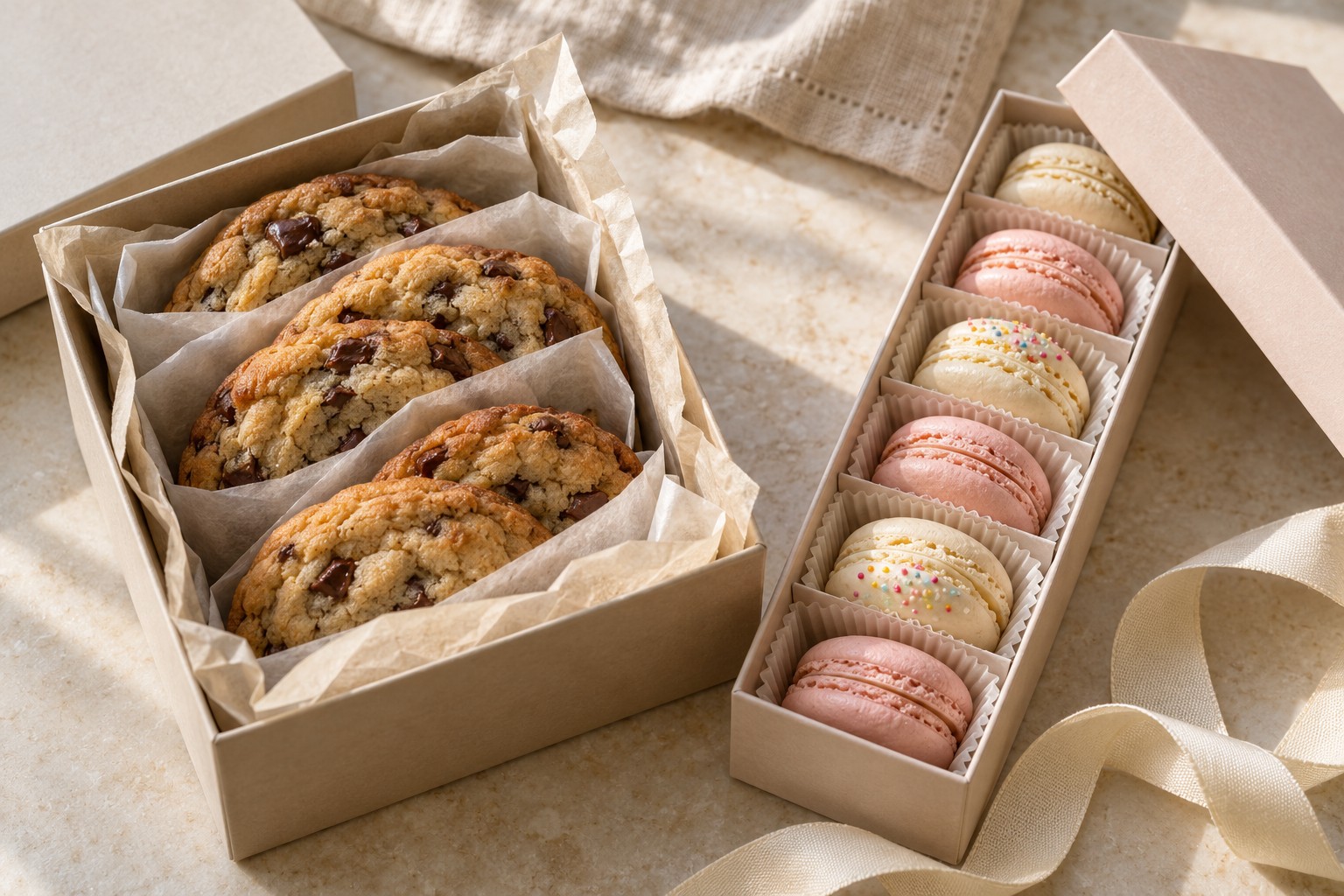
Reserve a few chocolate pieces to press gently into the tops of portioned dough, if your recipe allows. They remain visible after baking and make each cookie look intentional. Add finishing salt at the stage the recipe recommends so that it adheres without disappearing into the dough. Present the cookies in a shallow ceramic dish or on parchment-lined boards, with space between them; a crowded heap can hide their golden edges. For a gift, allow cookies to cool completely before packaging so condensation does not soften them.

2. Triple Chocolate Chip Cookies: For the Ultimate Chocoholic
If one type of chocolate isn’t enough, these cookies pack milk, dark, and white chocolate chips into every bite.

What Makes Them Special:
🍫 Three chocolates = maximum decadence
🔥 Slightly underbaked for a fudgy center
🧈 Brown butter – Adds a nutty depth
Perfect For:
• Late-night cravings • Cookie exchanges • Gifts
Building chocolate flavour without making the cookie heavy
The attraction of triple chocolate is variety: milk chocolate contributes sweetness and creaminess, dark chocolate brings cocoa intensity, and white chocolate gives a vanilla-rich contrast. A great cookie should taste like a balanced mixture rather than a handful of unrelated mix-ins. Measure the chocolates as directed instead of adding unlimited extra pieces. Excessive additions can break up the dough and produce a cookie that does not hold together as intended.
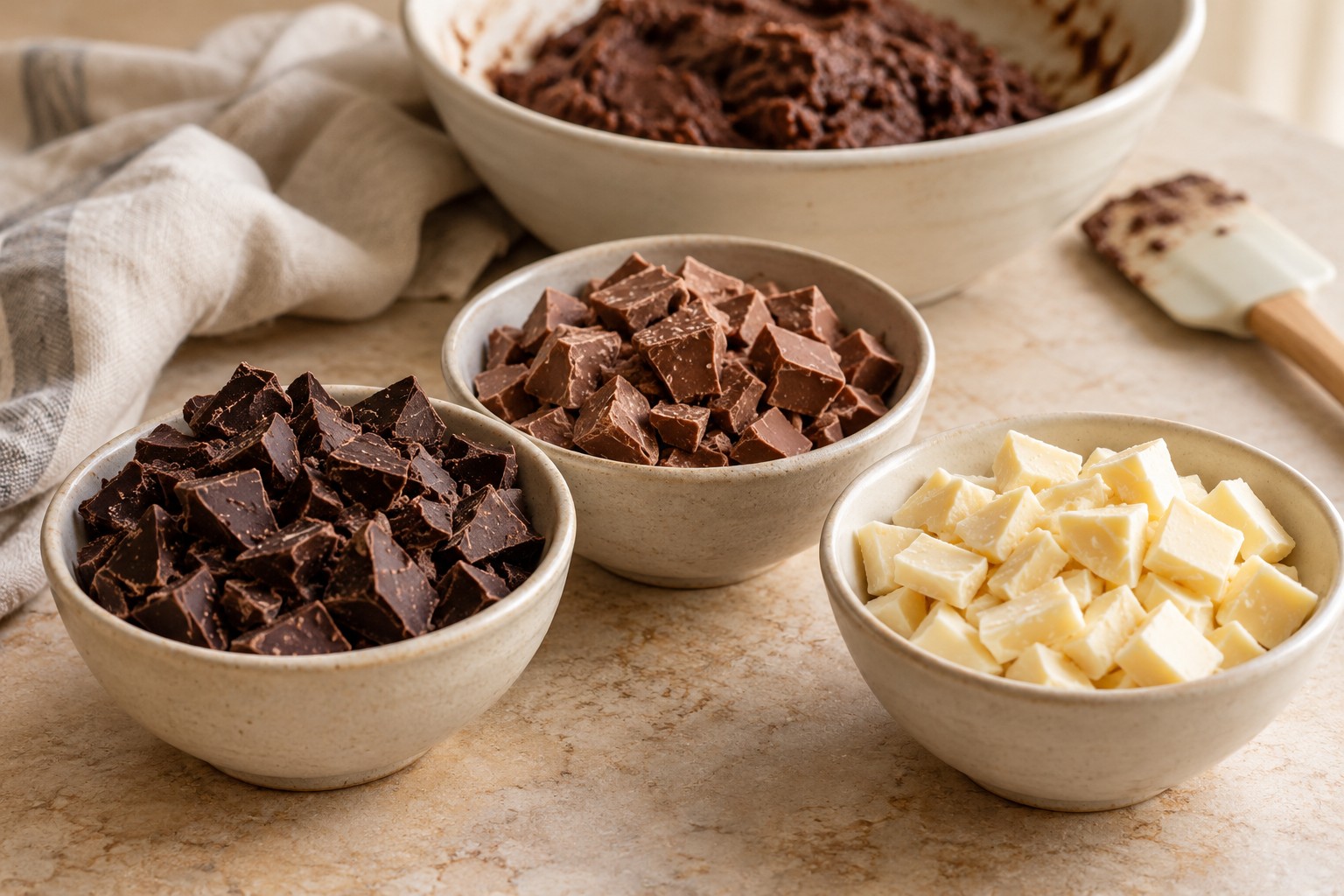
Chocolate is sensitive to heat and time. A pale cookie dough containing several types of chocolate can appear underbaked because the melted chips are still glossy, while a cocoa-rich dough may look dark long before its centre is ready. Use the recipe's expected texture, edge firmness, and cooling instructions as better signals than colour alone. An oven thermometer can help if batches routinely bake faster or slower than the published guidance.
If your dough includes browned butter, as some triple-chocolate variations do, learn what that means before making a substitution. Browning drives off some water and develops toasted milk-solid flavour. It is not identical to simply melting butter, and it can affect the amount of liquid left in the dough. Do not change a standard butter-based recipe to browned butter casually; use a formula written for it. If brown butter is not listed in your chosen recipe, a conventional butter preparation can still deliver excellent results.
How to keep a rich cookie enjoyable
Contrast is your friend. A small glass of milk, unsweetened coffee, or tart berries beside a chocolate-heavy cookie gives the palate a break from sweetness. For a dessert plate, serve one slightly warm cookie rather than stacking several large pieces. If you are baking ahead, cool them fully and store them in a sealed container. Brief, gentle warming immediately before serving can restore a softer chocolate texture, but watch closely: chocolate can become hot before the cookie itself feels hot.
3. Maple Bacon Macarons: A Sweet & Savory Fusion
These French macarons combine smoky bacon and sweet maple buttercream for a gourmet treat that surprises and delights.
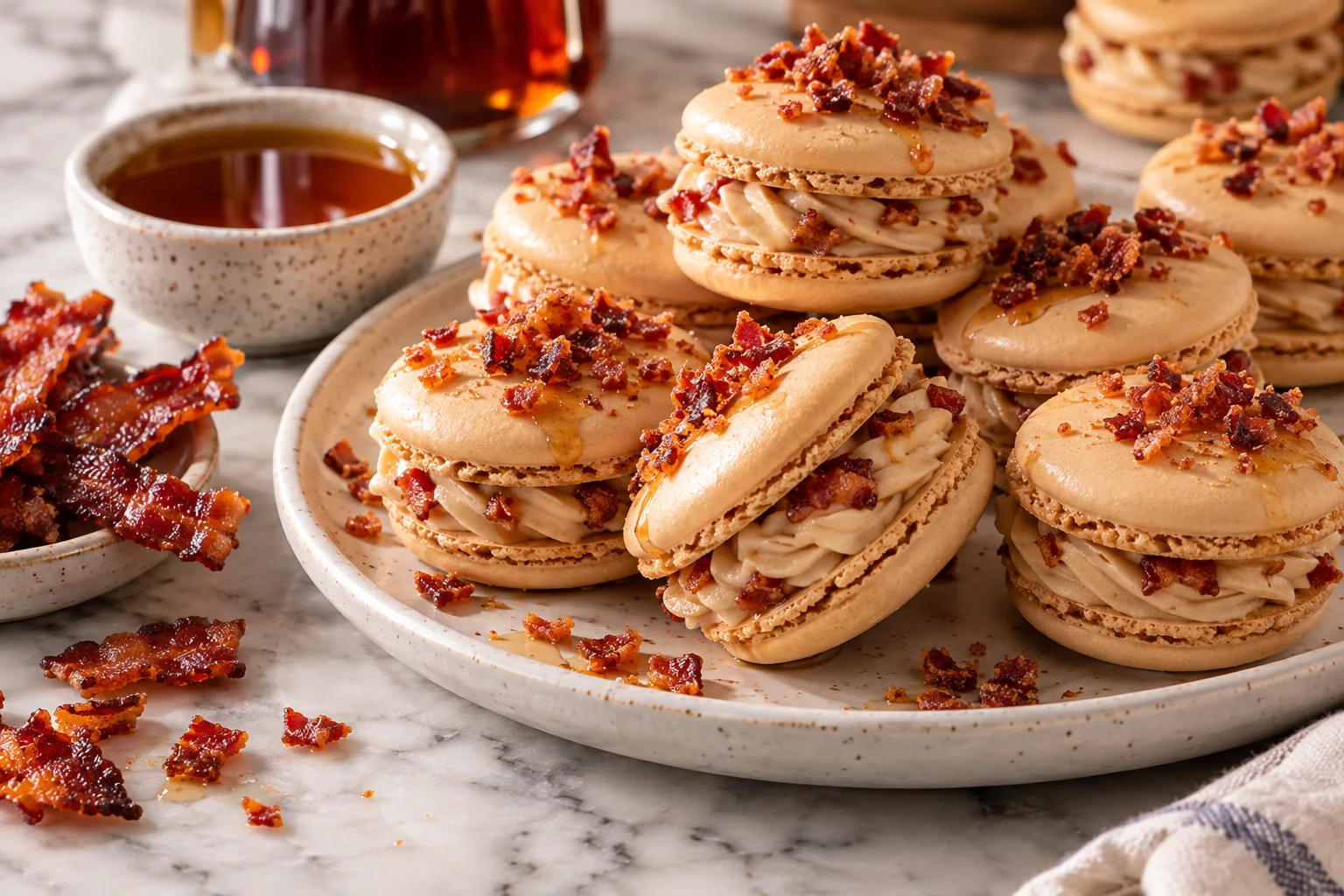
Key Features:
🥓 Candied bacon bits – Crunchy, salty, sweet
🍁 Real maple syrup – No artificial flavors
💫 Perfectly smooth shells – With the classic "feet"
Serving Idea: Pair with a bourbon cocktail for a next-level dessert experience.
Sweet and savoury: keeping maple, bacon, and almond in balance
Maple bacon macarons are not an everyday choice, and that is exactly their appeal. Almond shells provide a lightly sweet foundation; maple lends a rounded, caramel-like flavour; bacon contributes salt, smoke, and crunch. For a coherent result, each flavour should be noticeable without dominating. Real maple syrup behaves differently from maple-flavoured pancake syrup because their concentration and added ingredients vary. Use the exact maple ingredient and amount called for by the recipe rather than swapping syrups without adjustment.
Moisture control matters more here than it does with a plain cookie. A wet filling can soften the delicate shells too quickly, while poorly drained bacon pieces can make the filling greasy. Cook bacon thoroughly, let it cool, and blot surface fat before using it as directed. Crispy pieces generally contribute a clearer textural contrast than soft pieces, but the linked recipe should decide whether the bacon goes into the filling, onto the shell, or both.
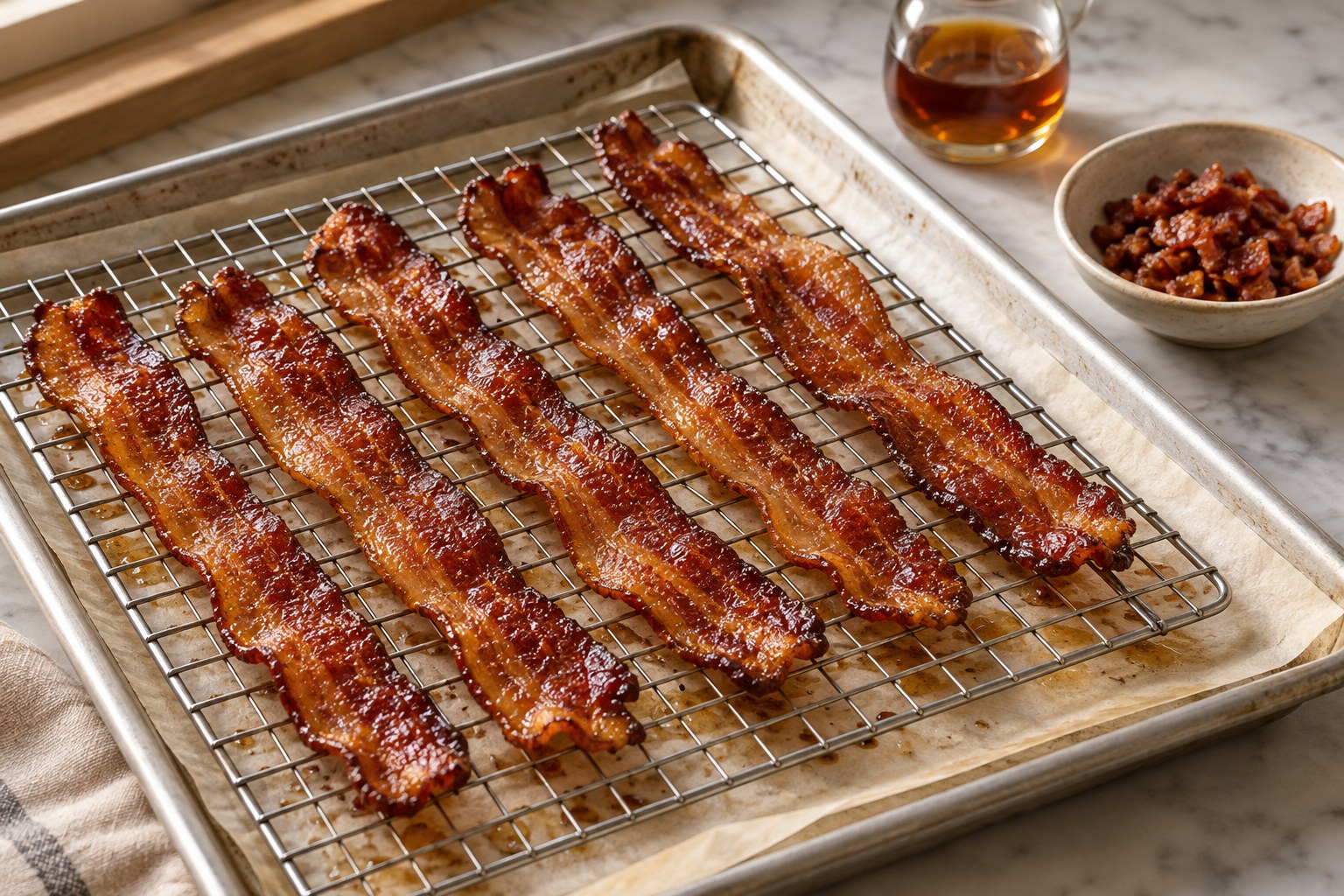
Think about portion size and audience. This flavour works well as one selection in a varied dessert box rather than the only macaron offered. Label it clearly: bacon is meat, and macaron shells typically contain almonds and egg, while buttercream may contain dairy. Guests need to know what they are choosing. Keep these filled macarons refrigerated according to the original recipe's instructions, particularly when the filling contains perishable ingredients. Do not use the room-temperature storage advice for plain cookies as a substitute.
How to serve them beautifully
A restrained visual style suits an adventurous filling. Use a simple white plate, a few small maple-coloured details, and modest toppings rather than covering the shells with decoration. If adding bacon as a garnish, make it clearly recognizable and place it just before serving when appropriate, so it keeps more of its crunch. Pair with unsweetened tea or coffee to keep the whole tasting experience balanced.
4. Champagne Macarons: Elegant Treats for Special Occasions
Celebrate in style with these delicate, bubbly-infused macarons—perfect for weddings, New Year’s Eve, or bridal showers.

Why They Shine:
🥂 Champagne reduction in the filling for real flavor
💖 Pink or gold dust for a luxe finish
🌹 Pairs beautifully with actual champagne
Pro Tip: Use dry champagne (not sweet) to avoid overly sticky filling.
What champagne contributes to a macaron filling
Champagne macarons feel festive because their aroma is more delicate than a bold chocolate or maple filling. Sparkling wine contributes acidity and subtle fruit or yeast notes, but its flavour can be lost when a large quantity of sugar and butter is involved. The linked recipe uses a sparkling-wine component in its buttercream; reducing it concentrates flavour and changes its water content. Use the recipe's reduction method and cool any reduction fully before combining it with butter or other temperature-sensitive ingredients.
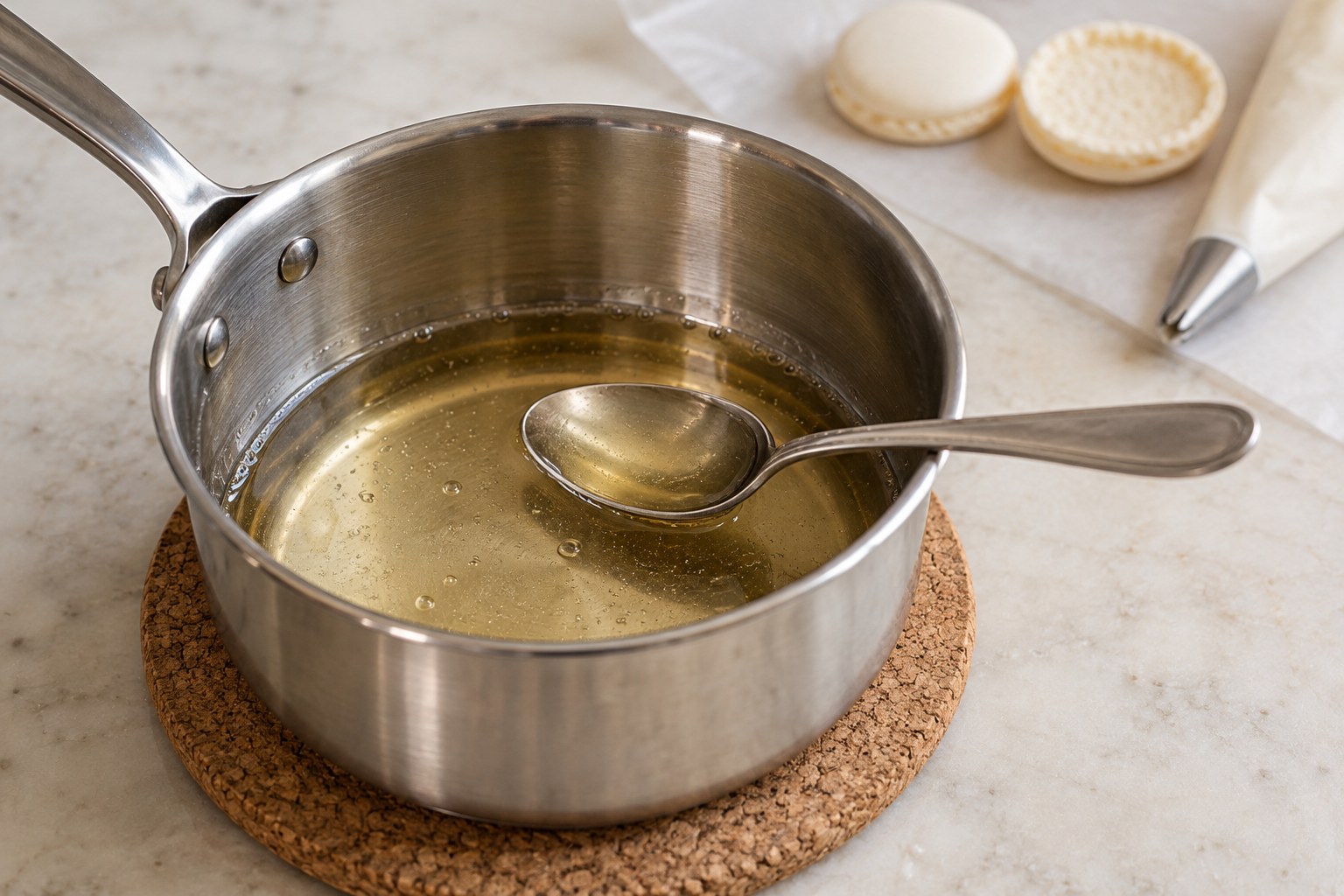
It is helpful to separate presentation from technique. Gold lustre dust, pastel colouring, and elegant packaging can make a macaron look celebration-ready, but none of those additions fixes an unstable meringue or poorly folded batter. Concentrate first on round shells, proper resting where the chosen method calls for it, and a filling that pipes cleanly without running. Decorative finishes should be edible and labelled food-safe; craft glitter is not a baking ingredient.
Alcohol does not necessarily disappear completely during cooking, and a champagne-flavoured filling may retain some alcohol depending on its process. That matters when serving children, pregnant guests, or people who avoid alcohol. Offer a clearly labelled alcohol-free alternative if needed, such as a vanilla or fruit macaron made from a separate tested recipe. Do not assume replacing champagne with juice will work in the same quantity without changing the buttercream texture.
A celebration-worthy finish
For weddings, anniversaries, and holiday tables, consistency matters more than elaborate ornament. Match shells by diameter and fill each pair to a similar depth. Present the macarons in a single row on a stand or within individual paper cups so the delicate feet remain visible. If transporting them, use a rigid food-safe box that prevents rolling. Chill or thaw according to the filling recipe, then serve at the temperature recommended there for the best balance between creamy filling and tender shell.
5. Birthday Cake Macarons: A Festive Delight
Bring the joy of birthday cake into dainty, colorful macarons with funfetti-filled buttercream.
What Makes Them Fun:
🎉 Rainbow sprinkles – Inside and out
🍰 Cake batter extract – For authentic flavor
🎁 Great for party favors – Individually wrapped
Decorating Idea: Use edible glitter for extra sparkle!
Birthday cake flavour without a complicated cake
Birthday cake macarons offer a playful alternative to traditional birthday cake. The appeal comes from familiar vanilla notes, a creamy filling, and sprinkles that make the dessert feel celebratory before the first bite. For this style, a clean vanilla flavour often works better than several competing extracts. The linked birthday cake recipe gives the correct quantities; if it uses almond extract, remember that a little goes a long way and should not dominate the vanilla.
Sprinkles are not all alike. Some bleed colour into wet buttercream or dissolve into a sticky paste, while firmer varieties hold their shape for longer. Use the kind specified in the recipe and add them at the recommended stage. If decorating the shells, keep the quantity light: too many heavy decorations can interrupt the smooth surface or affect the appearance of the macaron's signature ruffled foot.
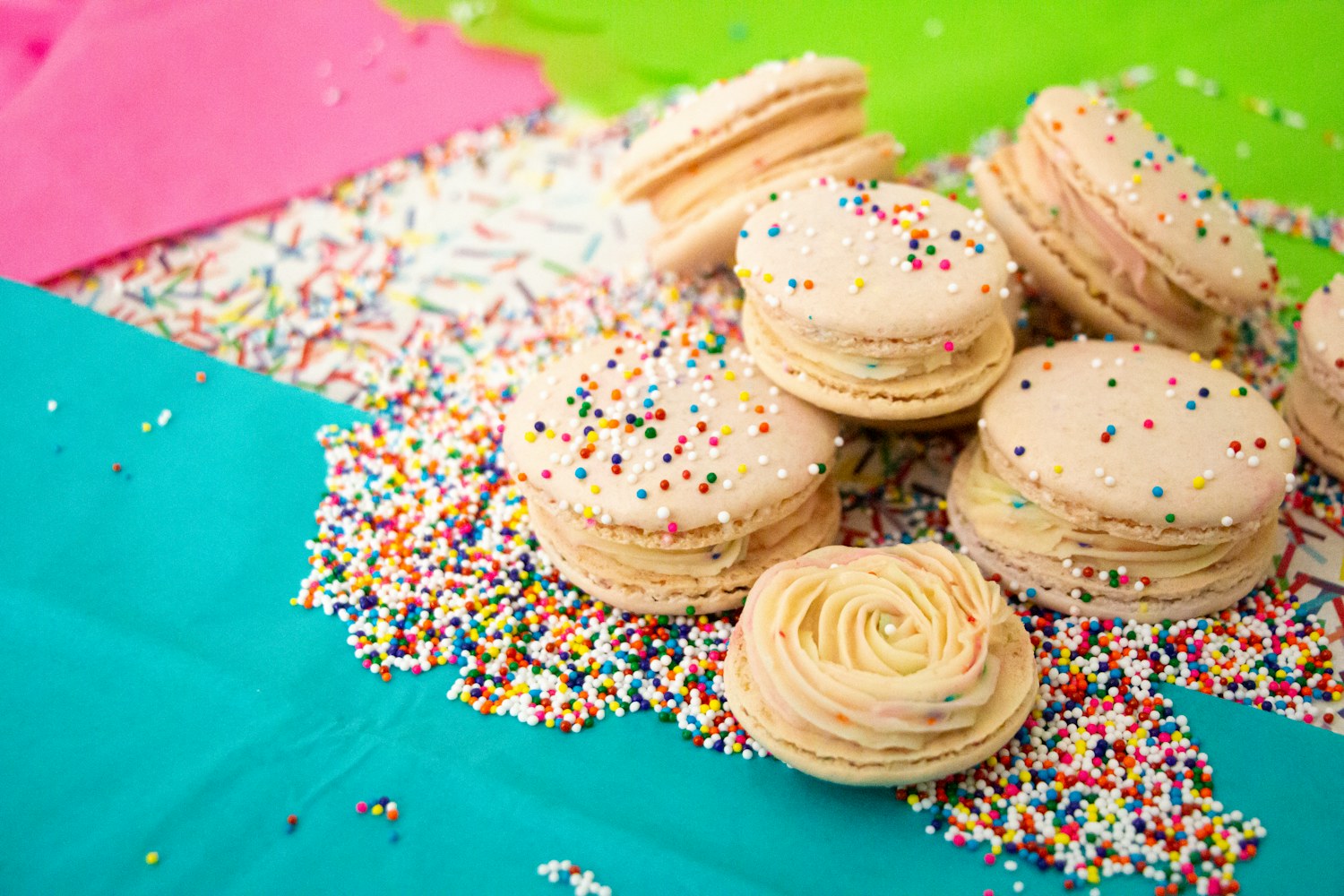
Macarons are an especially thoughtful birthday gift because they can be organized by colour and packed individually. Choose a small palette, such as cream, pale pink, and soft yellow, rather than every colour at once. A box with repeated colours looks polished and intentional. Match each shell pair carefully and leave enough space inside the packaging to avoid crushing the tops.
Most important, this is a macaron recipe, not a cake batter baked in miniature circles. Its structure comes from whipped egg whites and finely ground almond flour. Do not introduce ordinary cake flour, extra liquid flavouring, or whole cake crumbs unless the linked recipe specifically includes them. Those substitutions can affect the meringue and destroy the texture that makes macarons distinct.
Which decadent treat should you bake first?
If this is your first time baking from the collection, start with sea salt chocolate chip cookies. The ingredients and tools are familiar, and you can learn to recognize spread, browning, and cooling behaviour in a forgiving format. Choose triple chocolate next when you want to experiment with the balance of several chocolates. Both cookie recipes are useful for bake sales, informal gatherings, and an evening when you want dessert without assembling filled shells.
If you have already made successful cookies and want to improve precision, move to birthday cake macarons. Their flavour is familiar, so the technical challenge remains the shells and filling rather than complex additions. Champagne macarons make sense for an elegant event when presentation matters; maple bacon macarons work best for a smaller group excited to try a savoury twist. None is universally better: the right recipe depends on your time, patience, guests, and purpose.
For every choice, read the whole recipe before starting. Check whether you need extra cooling, a dough rest, a pastry bag, a kitchen scale, or refrigerator space. Planning these details avoids a common frustration: finishing the mixing stage only to discover that the dessert needs an hour or more before the next step. Cookies can often be prepared in stages, and macarons particularly reward an organized workspace.
Baking Tips for Perfect Cookies & Macarons
Cookie science: why ingredients and technique change the result
Flour measurement is one of the easiest things to get wrong. Scooping directly into the bag can compress flour, leaving you with more than the recipe intended. Extra flour may produce a dry, thick cookie with reduced spread. Weigh ingredients when gram measures are available, or use the spoon-and-level approach if the recipe is written in cups. Repeat the same method from batch to batch, because consistency is what helps you troubleshoot.
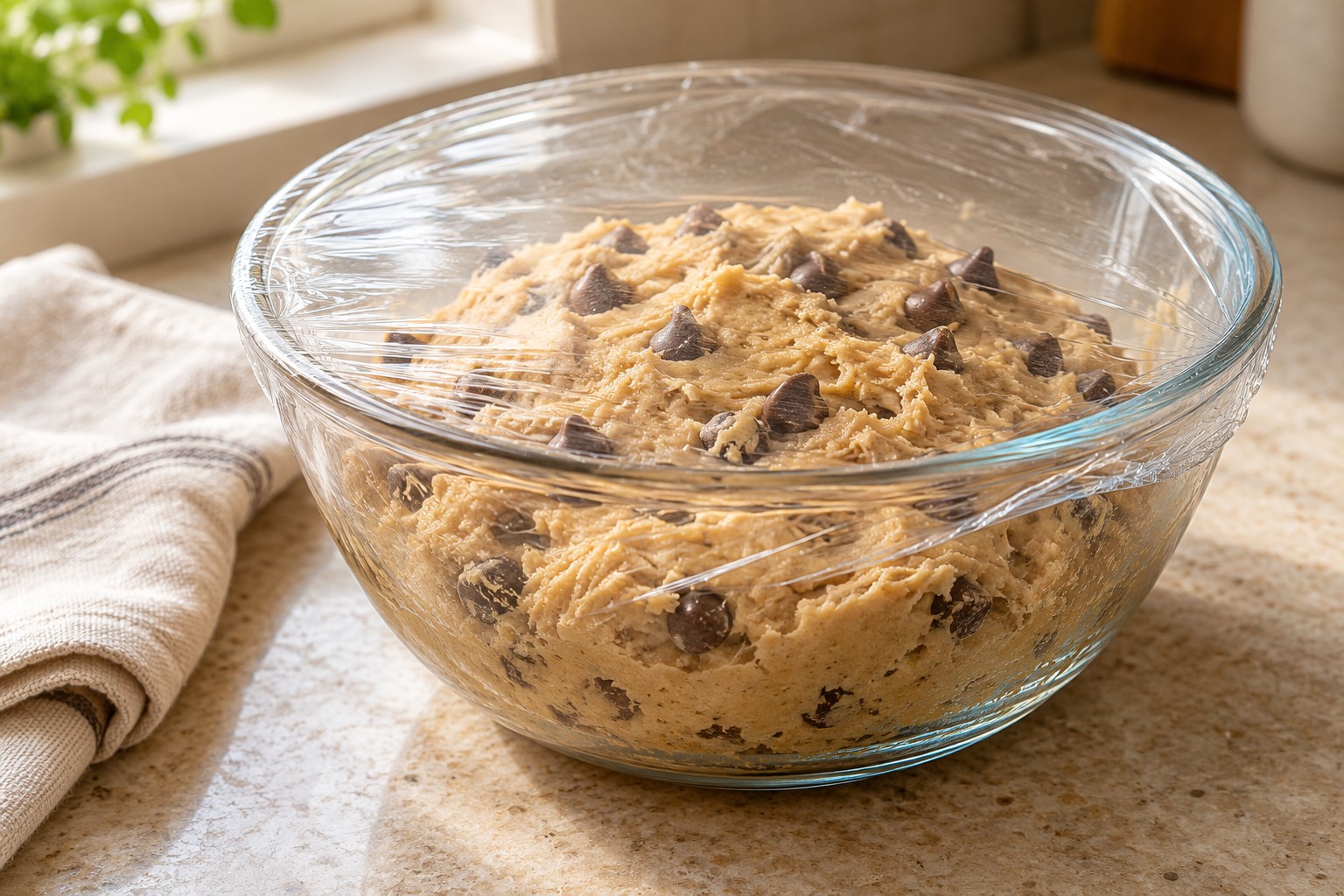
Butter temperature affects both mixing and spreading. Softened butter should yield under gentle pressure without appearing oily or melted if the method calls for creaming. Melted butter behaves differently and may need a rest or a specific sugar balance. Chilled dough generally spreads less because the fat takes longer to soften in the oven. King Arthur Baking's cookie-dough tests found visible differences even after a relatively short chill; follow the particular recipe rather than treating chilling as an optional decoration step.
Mixing should match the stage. Butter and sugar may need sufficient beating to reach the texture specified in the method, but flour is usually mixed only until no obvious dry pockets remain. Working wheat-flour dough excessively after adding flour can alter its texture. Fold chocolate through evenly so each scoop gets a fair share, then use a consistent scoop size. Portioning makes bake times more predictable and gives a gift box a professional look.
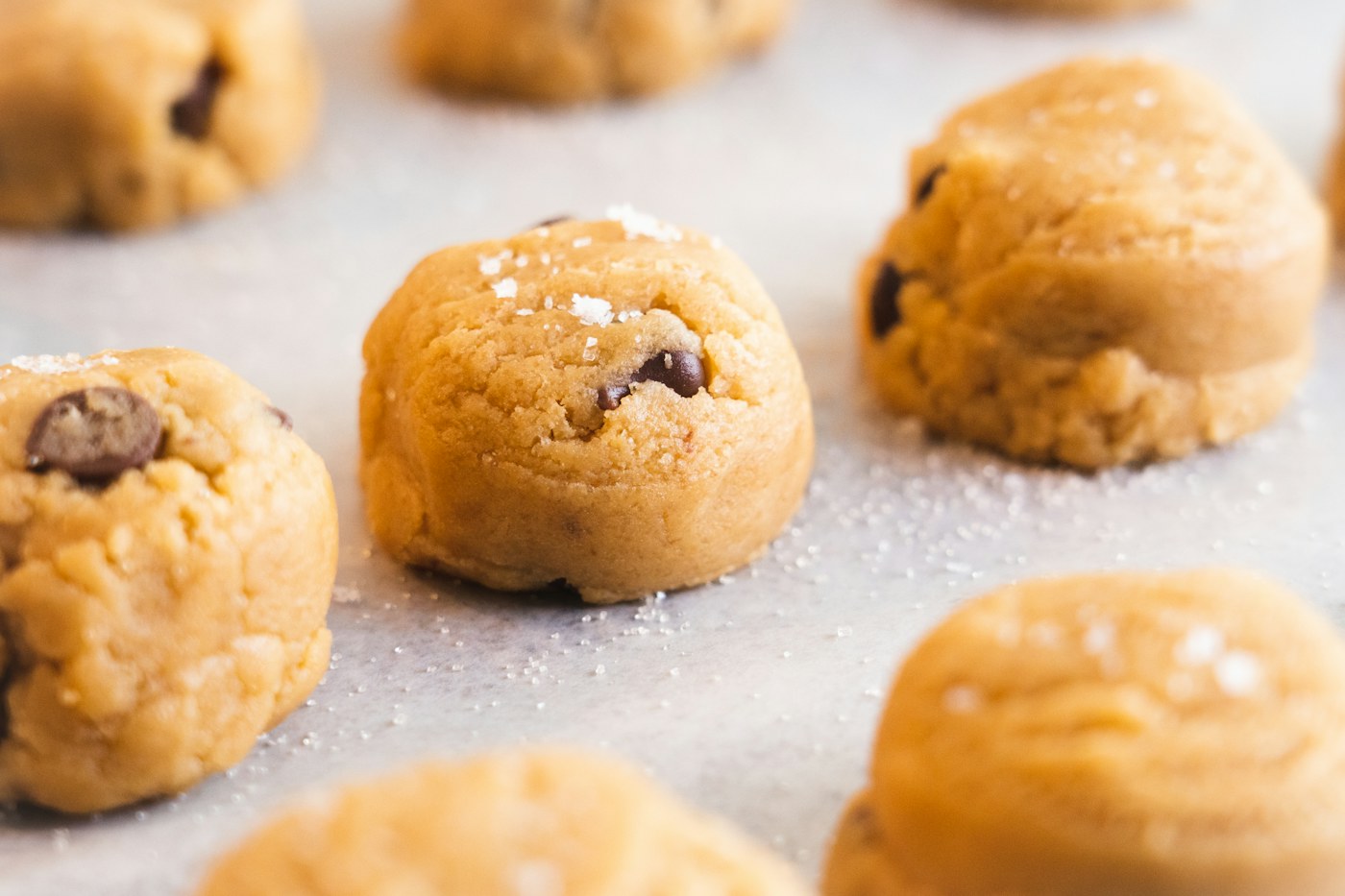
Pan choice and spacing matter as well. A dark baking sheet may brown a cookie base more rapidly than a lighter one, and overcrowded pans make it harder to judge the bake. Parchment is a practical, repeatable lining for many cookie recipes; use silicone only where the method allows it, since liners can alter spread and bottom colour. Bake a test cookie if you are using a new oven or a substantially different portion size. Adjust the next tray using evidence, not guesswork.
Cookie Success Secrets
✔ Chill the dough – Prevents spreading
✔ Use a cookie scoop – For even sizing
✔ Rotate pans – For even browning
Macaron science: why shells need such careful handling
A French macaron is built from almond flour, sugar, and meringue. The meringue supplies air and structure, while the almond mixture contributes flavour and texture. Clean equipment matters because grease can interfere with egg-white foaming. Use the method stated in your recipe: French and Italian meringue approaches differ, and their temperatures, sugar stages, and mixing cues cannot be swapped freely.
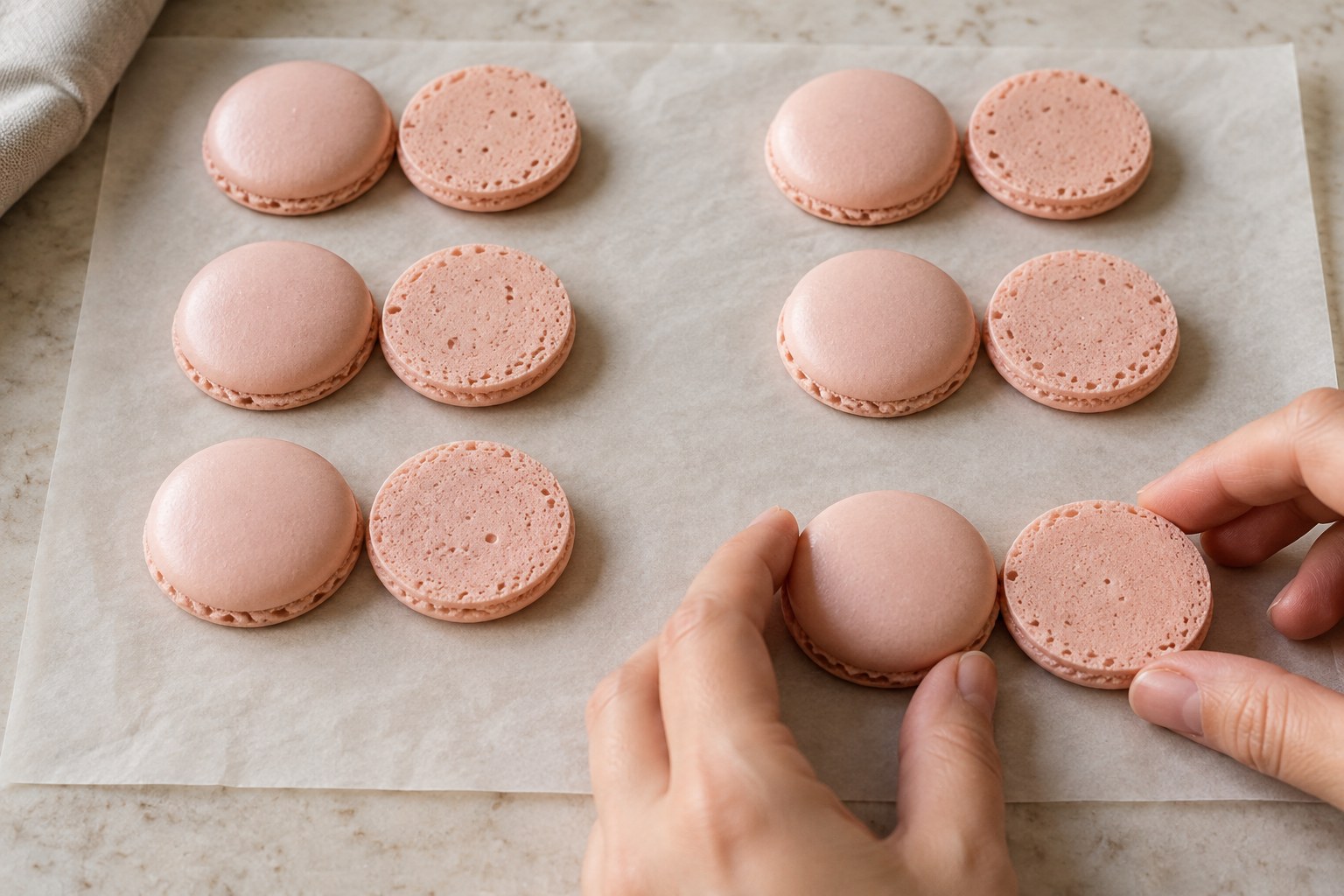
Macaronage is the controlled folding process that changes a thick, airy mixture into a batter that can settle into smooth rounds. Fold too little and the piped shells may keep a pointy peak or develop rough surfaces. Fold too far and the batter may run outward, producing flat or fragile shells. The batter should flow in ribbons and settle gradually; consult the original recipe's precise visual test because no single number of folds works for every batch or bowl size.
Piping is a separate skill worth practicing. Hold the bag as upright as possible and pipe consistently sized circles. Tap the trays only as the recipe directs to release air bubbles, then examine the surface for large trapped pockets. Some macaron methods require the piped batter to stand until it develops a dry surface. Humidity affects this stage; a humid kitchen may lengthen the wait. Follow the recipe's touch test rather than forcing a fixed number of minutes.
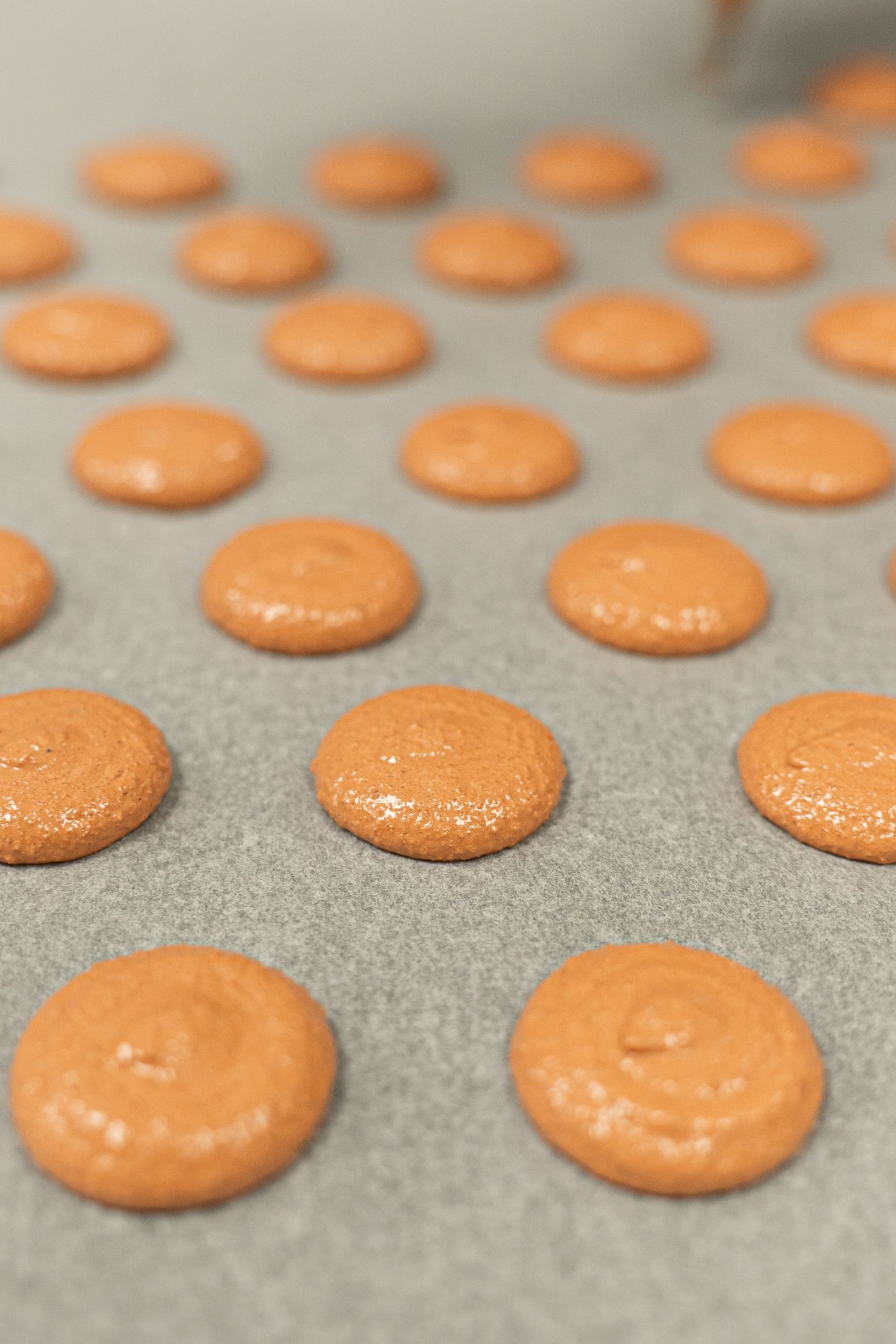
Oven control is another reason macarons feel demanding. A home oven can overshoot its temperature or heat more strongly on one side. Use an oven thermometer, preheat fully, and begin with a single test tray if you are uncertain. A shell that looks smooth on top but collapses, cracks, or sticks after baking may point to several different problems. Diagnose the symptoms and change one factor at a time rather than simultaneously altering the recipe, temperature, piping size, and resting period.
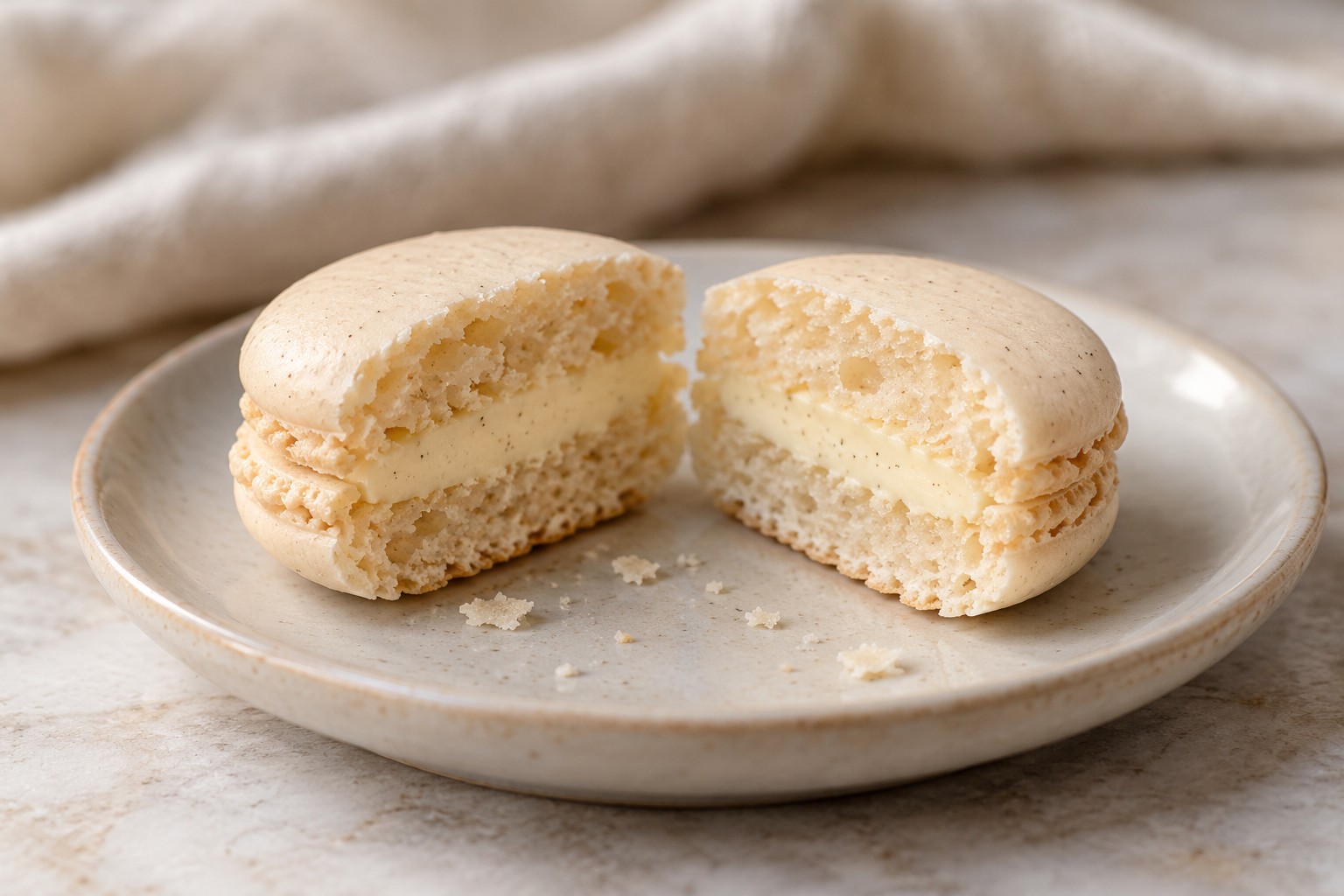
Filling and maturation complete the dessert. Fully cooled shells are easier to handle and less likely to melt buttercream. Match them by size, fill moderately, and refrigerate filled macarons where the recipe recommends it. Many buttercream-filled macarons improve after a refrigerated rest because moisture gradually softens the shell interior and the flavours meld. The process is different from leaving exposed shells uncovered; use a sealed container to protect them from refrigerator odours and drying.
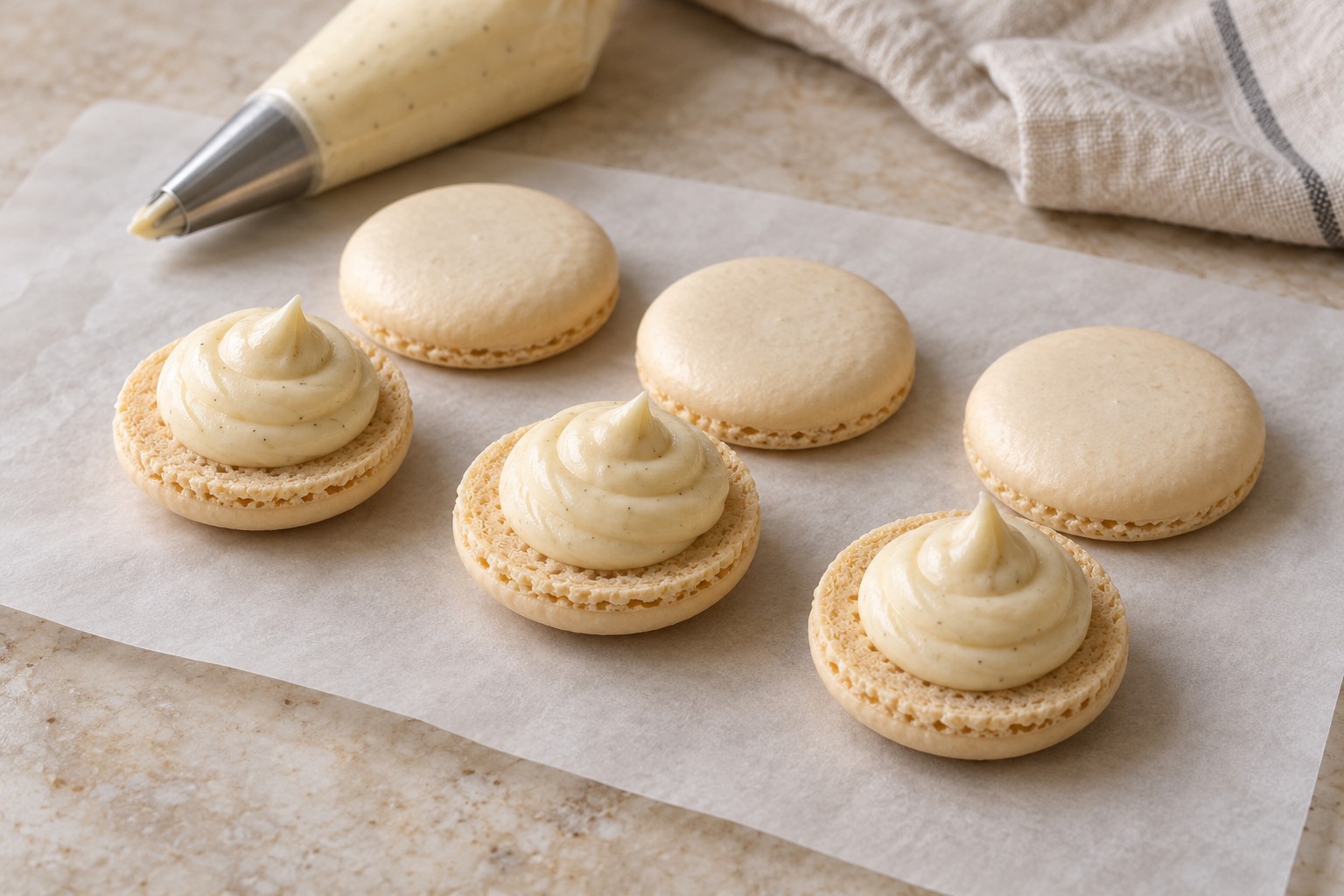
Macaron Mastery
✔ Sift almond flour – For ultra-smooth shells
✔ Rest before baking – Helps form the "feet"
✔ Pipe consistently – Use a template if needed
Common baking problems and how to troubleshoot them
My cookies spread into thin puddles. What happened?
Start with butter temperature, flour quantity, and whether the dough was chilled as directed. Very warm dough spreads early, and an under-measured amount of flour may lack enough structure. Check whether the baking sheet was still hot when you placed a fresh batch onto it. Avoid adding large amounts of extra flour immediately; compare the finished texture and first correct measurement or chilling mistakes. If the next tray holds its shape after one change, you have learned something useful about the cause.
My cookies look done outside but are too soft inside.
First check whether that softness is intentional. Many chocolate chip cookies firm up substantially as they cool, especially when baked for a chewy centre. If the middle remains raw or very wet after the instructed cooling period, confirm the oven temperature with a thermometer and check your scoop size. Oversized scoops need a different baking profile from small ones. Do not rely exclusively on an oven's display or on the colour of chocolate-rich dough to judge whether a cookie is safe and properly baked.
Why are my macarons cracked, hollow, or missing their feet?
These symptoms can have more than one cause. Cracks can be associated with trapped air, an unsuitable oven temperature, or insufficient surface drying in a method that requires it. Hollow shells may relate to meringue structure, mixing, or baking conditions. Missing feet can appear when the batter is overmixed, the meringue is weak, or the shells do not set as expected. Take notes on how the batter flowed, how long the surface rested, and what the oven did during the bake. Make one measured adjustment on your next batch.
Why is my macaron buttercream runny or grainy?
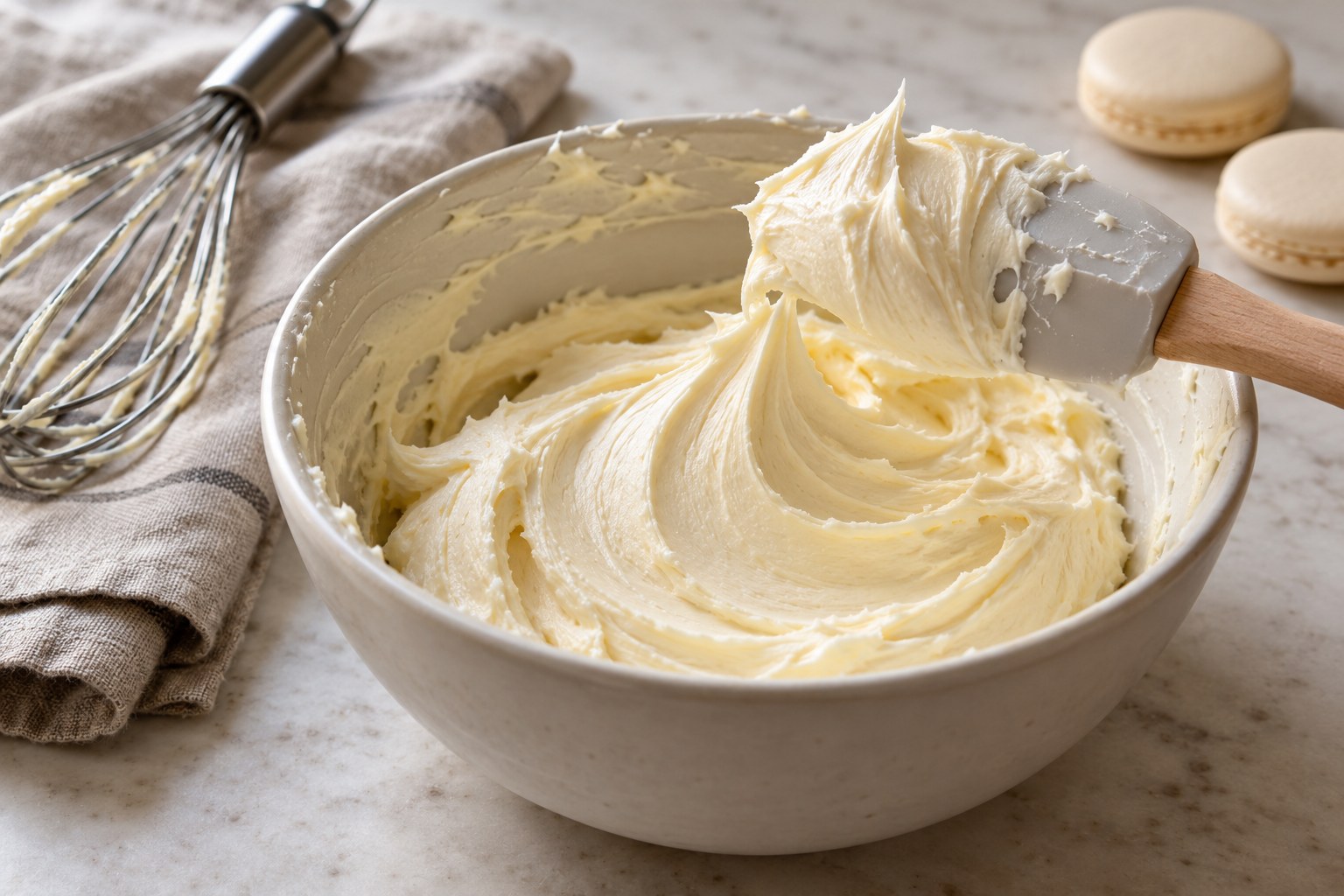
Temperature and ingredient incorporation are common starting points. If butter is too warm, a butter-based filling may struggle to hold its shape; if ingredients are too cold or added too quickly, the mixture can look grainy or separated. Pause and compare your preparation to the original recipe before adding more powdered sugar or liquid. Champagne reductions, maple syrup, and flavourings contribute moisture, so substituting them freely can shift the balance. Chill or gently adjust temperature only when the recipe's method supports it.
Make-ahead, storage, and thoughtful gifting
Cookies: Cool completely on a rack before transferring to a container. Keep crisp and soft varieties separate when practical; their moisture levels can affect one another. An airtight container at a cool room temperature works for many plain chocolate chip cookies for a short period, but the recipe's storage guidance takes priority. If freezing dough, portion it before freezing and label the container with its date and baking instructions. Frozen portions may need adjustments, so follow tested guidance rather than assuming the original time remains exact.
Macarons: Treat the filling as the deciding factor in storage. Buttercream, dairy, or meat-containing fillings may require refrigeration even if an unfilled shell can be stored differently. Use rigid, shallow containers and avoid pressing several layers together without separators. For longer storage, consult the recipe's freezing advice and protect macarons from moisture and freezer odours. Thaw while contained where recommended, rather than letting condensation settle directly on their decorated surfaces.
Gifts and parties: Create a visual rhythm. Choose two or three shell colours for macarons or a mix of light and dark chocolate cookies. Include a small label naming each flavour and highlighting common allergens. Almond macarons contain tree nuts and usually egg; cookies commonly contain wheat, dairy, and eggs; bacon macarons contain meat. If you are baking for someone with allergies, avoid promising that a home kitchen is free from cross-contact without appropriate controls. Clear, accurate labelling is more important than decorative packaging.
Frequently asked questions
Are macarons the same as coconut macaroons?
No. French macarons are sandwich cookies made primarily with an almond-based meringue shell and a filling. Coconut macaroons are a different dessert, usually formed from shredded coconut with a binder. The names sound similar, but their appearance, ingredients, and method are not interchangeable. For this collection, all three macaron variations are French-style almond-shell desserts.
Can I make macarons without a kitchen scale?
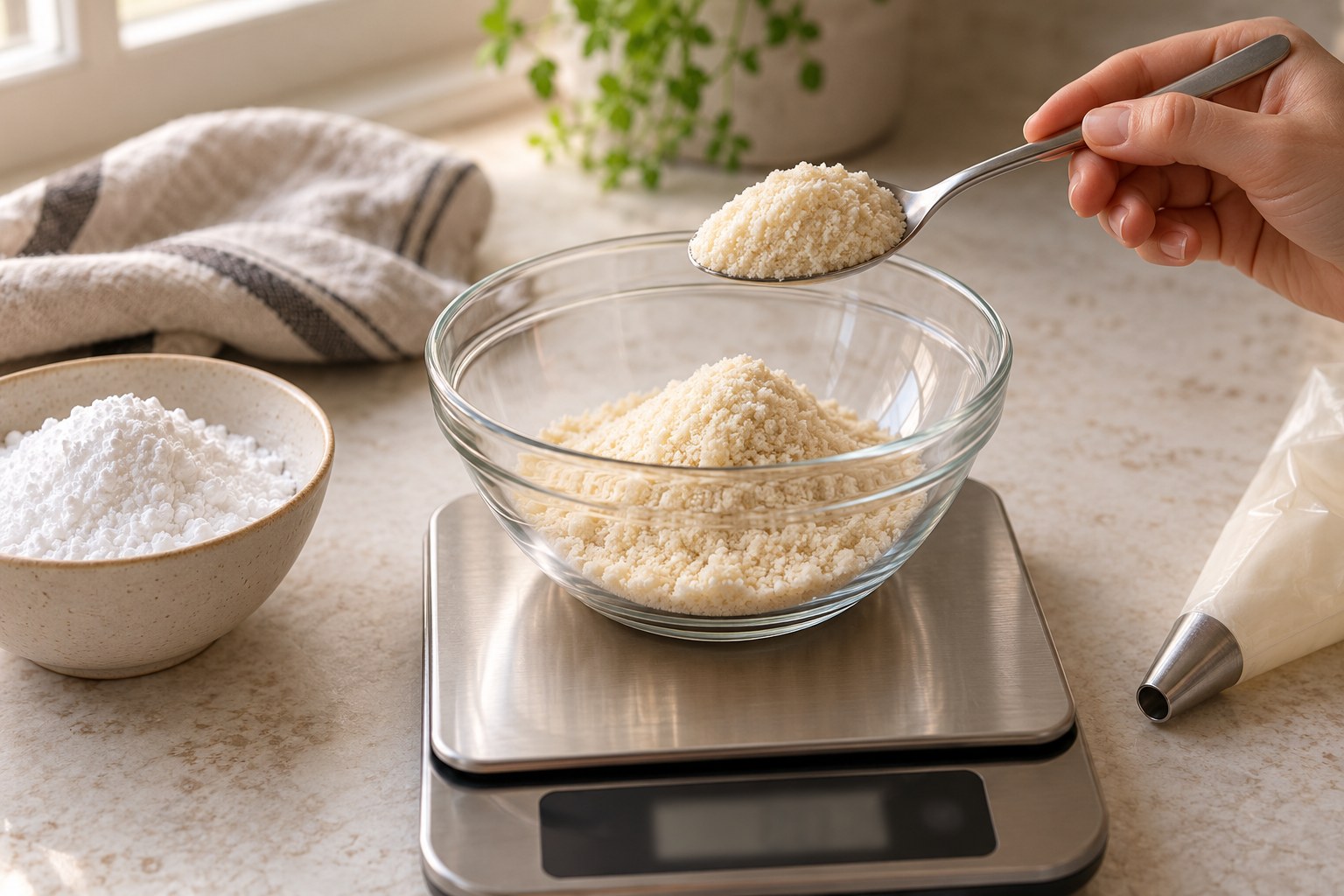
You can find volume-measured recipes, but a reliable digital scale makes repeating a precise macaron formula easier. Almond flour and powdered sugar settle differently depending on how they are scooped, so weights help remove a variable. If macarons are a new project, a scale, a piping bag, and a suitable baking sheet are more useful investments than elaborate decorations.
What is the easiest dessert on this list for beginners?
Sea salt chocolate chip cookies are the most approachable starting point for many home bakers because they require fewer specialized techniques and are forgiving of small presentation differences. Triple chocolate cookies are the next natural step. Macarons are achievable at home, but they generally require more attention to measurement, piping, and batter consistency. Start with the process you will enjoy learning.
Can the cookie recipes be made ahead for a party?
Often yes. Most bakers can prepare dough in advance or bake cookies before the event, provided they follow the particular recipe's chilling and storage instructions. For the freshest impression, portion uniformly, cool fully, and package close to serving time. A party tray becomes more appealing when each cookie is easy to pick up and clearly distinguishable from the others.
How can I make the dessert table look elegant without extra ingredients?
Limit the number of colours, repeat serving vessels, and vary height sparingly. A neutral ceramic plate, a small cake stand, parchment-lined trays, and clearly spaced treats are enough for a polished presentation. Let the texture of chocolate chunks and the smooth macaron shells do the visual work. Thoughtful lighting and simple styling usually beat a crowded arrangement of decorative toppings.
Final Thoughts
Whether you're in the mood for nostalgic chocolate chip cookies or elegant French macarons, these 5 recipes prove that baking can be both comforting and luxurious.
Prefer a warm, spoonable dessert? Try this dates pudding with a rich, comforting finish.
Which treat will you bake first? Let us know in the comments! For more decadent dessert recipes, visit What’s Baking.
Pin this guide for your next baking adventure! 🎂✨
IN PICTURES
From the baking notebook
FROM THE RECIPE BOX


