
On this page
New to vegan baking? You can make tender cakes, chewy cookies, soft muffins, flaky pastries, and satisfying breads without eggs, butter, or dairy milk. The secret is not finding one magical replacement for every animal-based ingredient. It is understanding what each ingredient does in a recipe, then choosing a plant-based alternative that performs a similar job.
That distinction makes baking far less frustrating. A flax egg can help hold a batch of oatmeal cookies together, but it cannot replace the lift of several beaten eggs in a sponge cake. Oat milk can work beautifully in muffins, while soy milk may be a better choice when protein and structure matter. A firm vegan butter stick can give pastry layers definition; a tub of soft spread may behave differently.
This guide explains the essential ingredients, substitutions, methods, and common mistakes, with practical choices for beginners. You do not need a cupboard full of specialty products. Start with a few basics, choose a reliable recipe designed to be vegan, and learn what to look for as you bake.
Vegan baking at a glance
Vegan baking excludes ingredients derived from animals, including eggs, dairy milk, butter, cream, honey, and gelatin. The aim is still the same as conventional baking: good flavor, reliable structure, appealing texture, and consistent results. Vegan does not automatically mean gluten-free, nut-free, soy-free, low-sugar, or healthier; those are separate considerations.
If you remember only five principles, make them these:
- Choose a recipe developed for vegan baking whenever possible. Replacing multiple ingredients in a conventional recipe introduces several variables at once.
- Match the substitution to the job. Eggs may bind, emulsify, moisten, or help a batter rise. No single replacer does all four equally well.
- Use dependable measurements. A scale and clearly specified ingredients reduce guesswork.
- Watch the batter, dough, and finished bake. Texture and appearance often tell you more than a timer alone.
- Change one thing at a time. When you experiment, keep notes so you can tell what worked.
Why conventional baking ingredients matter
Understanding the basic science makes substitutions easier. Eggs contain water, proteins, and fat. Their proteins set during heating and help support cakes and custards. Eggs can also bind ingredients together, help emulsify fat into liquid, and trap air when whipped. That is why replacing an egg in a cookie differs from replacing four eggs in an airy cake.
Butter also has more than one job. It brings fat, water, flavor, and—in many recipes—a texture that changes with temperature. Creaming solid butter with sugar creates tiny air pockets. Cold pieces of fat in pastry interrupt gluten formation and help create tenderness or distinct layers. Melted fat contributes richness but does not behave like firm, chilled butter.
Milk provides liquid, but it also contributes varying amounts of protein, fat, and sugar. Those components can affect browning, crumb texture, and flavor. Plant milks differ significantly from one another, so selecting one intentionally can improve your results.
Finally, flour and leavening still do their usual work. Wheat flour builds structure as gluten develops when hydrated and mixed. Baking soda reacts with acids to produce carbon dioxide. Baking powder contains its own acid components. Yeast produces gas through fermentation. Vegan recipes use these same processes; the balance of ingredients and technique determines how well they work.
Build a practical vegan baking pantry
You can begin with ordinary grocery-store ingredients. Buy things you will use frequently rather than stocking every egg replacement or specialty flour on day one.

Flour, starch, and structure
All-purpose flour is a sensible starting point for cookies, muffins, quick breads, and many cakes. Bread flour has more protein and is useful when a recipe needs a stronger, more elastic dough. Whole-wheat flour adds flavor and fiber but absorbs water differently and can make some bakes denser if substituted freely.
Cornstarch helps thicken fillings and can soften some cookie or cake textures. Oat flour, almond flour, and gluten-free blends each have different properties. Almond flour is not a one-for-one substitute for wheat flour in most recipes because it contains no gluten and has considerable fat. Oat flour is also not interchangeable without adjustment. If you need gluten-free vegan baking results, select a recipe developed for a particular gluten-free flour blend.
Plant-based liquids
Keep an unsweetened, unflavored plant milk on hand. Soy milk is a versatile choice, particularly for enriched doughs and recipes where a higher protein content helps. Oat milk works well in many everyday bakes. Almond milk can work in cakes and cookies, but its lower protein and fat levels may matter in delicate desserts. Check labels: vanilla-flavored or sweetened versions can alter taste and sweetness.
Water is appropriate in some lean breads, and strong coffee can deepen chocolate flavor. Plant-based yogurt can contribute moisture and acidity, but the thickness and fat content vary by brand. For a specific recipe, use the type it calls for before experimenting.
Fats and richness
A firm vegan butter stick is useful for recipes that involve creaming, chilling, rolling, or creating pastry layers. Look for a product sold for baking rather than assuming every soft spread will behave identically. Neutral oils such as canola or sunflower oil work well in many moist snack cakes and muffins. Coconut oil has a different melting behavior and can contribute a noticeable flavor; it is not automatically better.
Keep in mind that vegan butter products vary in water content, salt, and firmness. If a recipe was tested with a particular type, a different product may give a different spread or texture. Measure the fat as directed, and keep it at the temperature the recipe specifies.
Binders, sweeteners, and flavor
Ground flaxseed, chia seeds, or canned chickpeas provide several affordable egg-replacement options. Applesauce and mashed banana are useful in some soft bakes. Sugar, brown sugar, maple syrup, and dates provide sweetness, but they are not freely interchangeable: liquid sweeteners add moisture, while granulated sugars influence spread, structure, and browning.
Vanilla extract, cinnamon, cocoa powder, citrus zest, and a little salt help create satisfying flavor. Baking soda, baking powder, and yeast belong in most baking cupboards. Check their freshness when results become inconsistent. You do not need nutritional yeast to bake sweet cakes or cookies; it is mainly useful for savory, cheesy flavor.
The beginner’s guide to egg replacements
Instead of asking, “What replaces an egg?” ask, “What is this egg doing here?” A binder for chewy cookies may be completely unsuitable for a delicate meringue. Use the following as starting guidance, not a promise that every recipe will behave identically.
Flax eggs: ideal for chewy, sturdy bakes
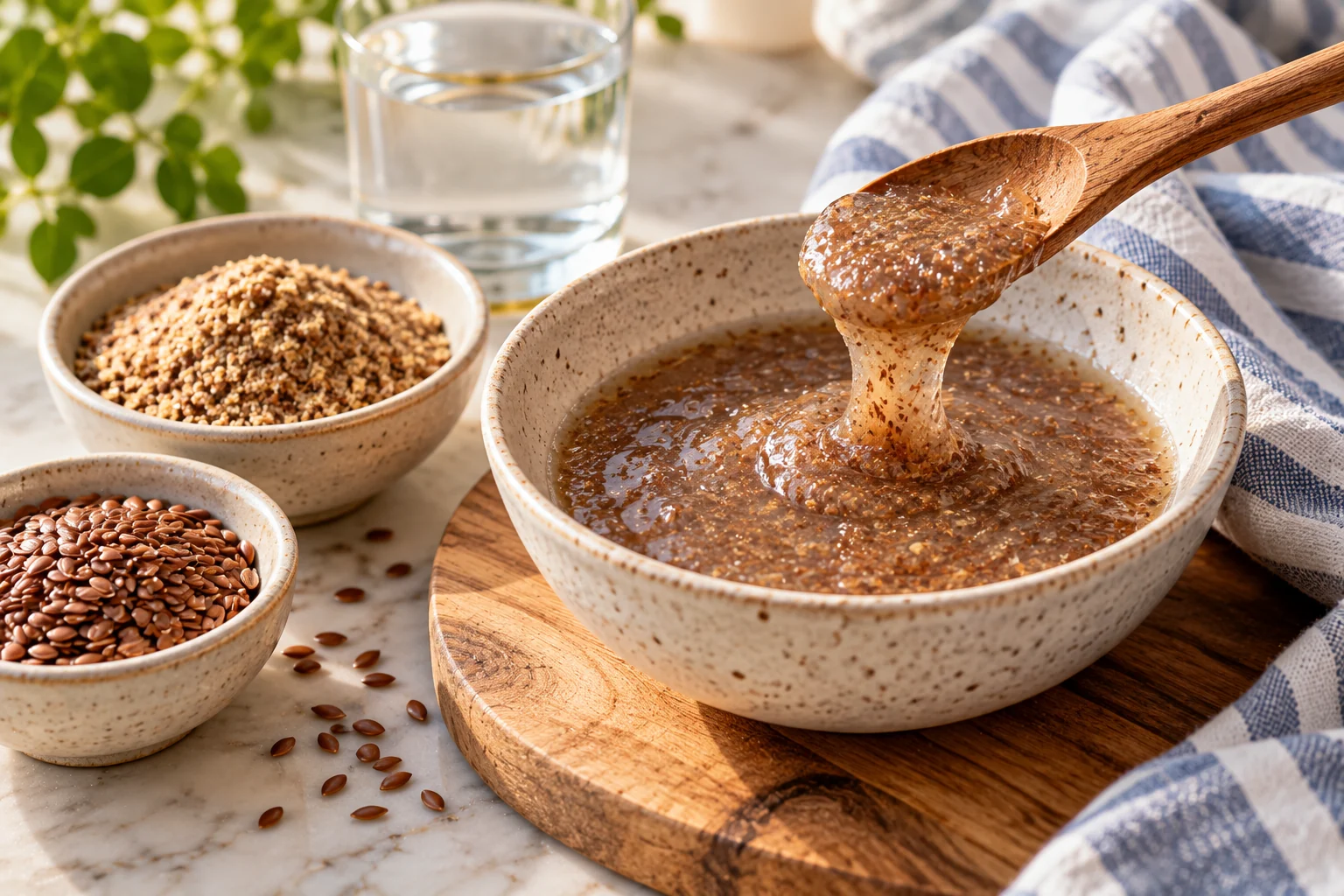
For a commonly used flax egg, stir 1 tablespoon ground flaxseed with 3 tablespoons water and let the mixture rest for roughly 5–10 minutes until thickened. Ground flax absorbs moisture and forms a gel that helps bind ingredients.
Try it in oatmeal cookies, brownies, banana bread, hearty muffins, and some quick breads. The tiny flecks and slightly nutty taste are often barely noticeable in darker or whole-grain recipes. A flax egg does not whip like a chicken egg and usually will not provide enough lift for a very airy sponge cake.
Chia eggs: another useful binder
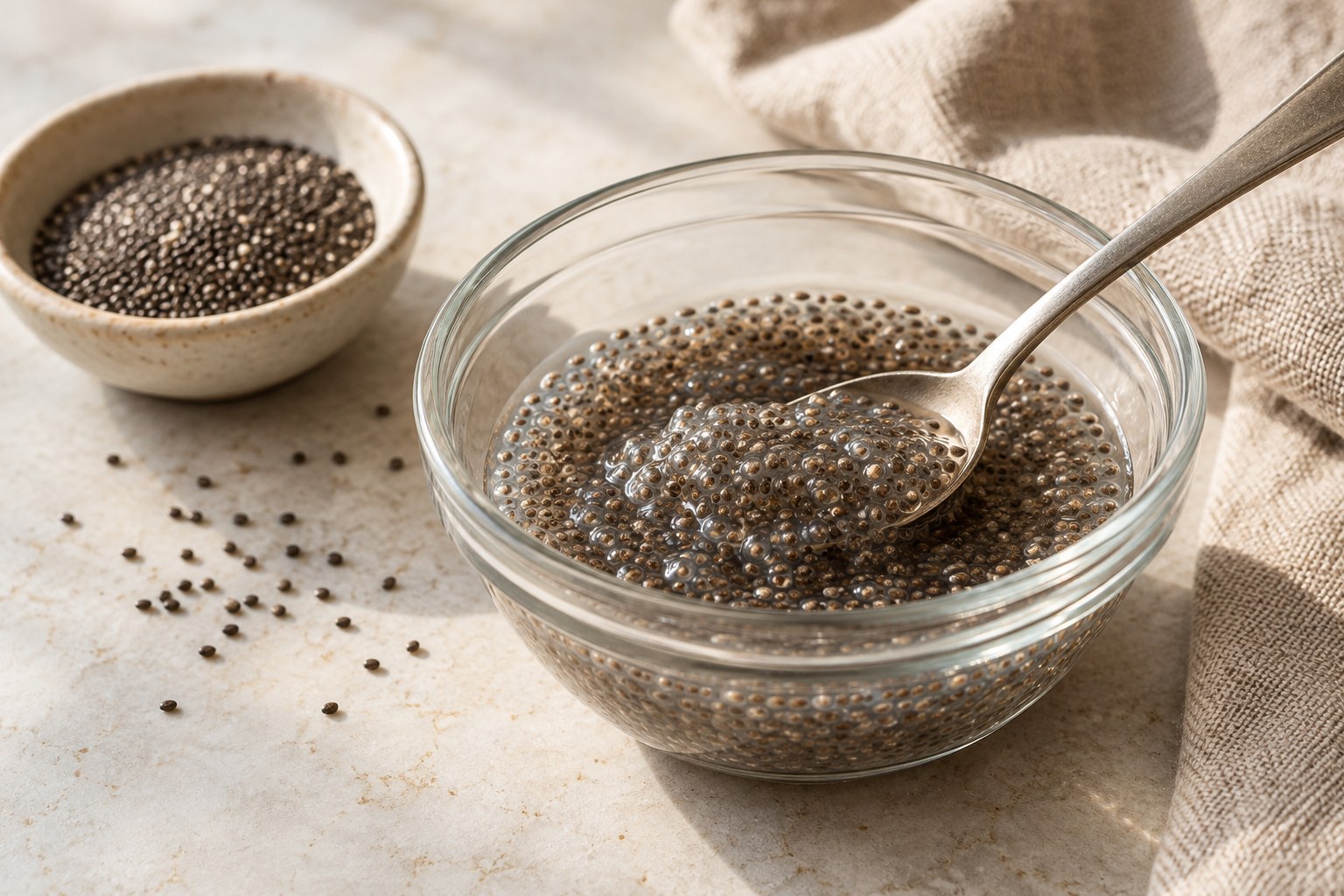
Mix 1 tablespoon chia seeds with 3 tablespoons water and allow the mixture to gel. Ground chia can blend more smoothly into pale batters, while whole seeds are often visible. It works best in recipes that welcome moisture and a somewhat substantial crumb.
Chia is not a universal one-for-one replacement either. Too much can make a bake gummy or heavy, particularly when the recipe already contains banana, pumpkin, or another thick purée.
Aquafaba: useful when airiness matters
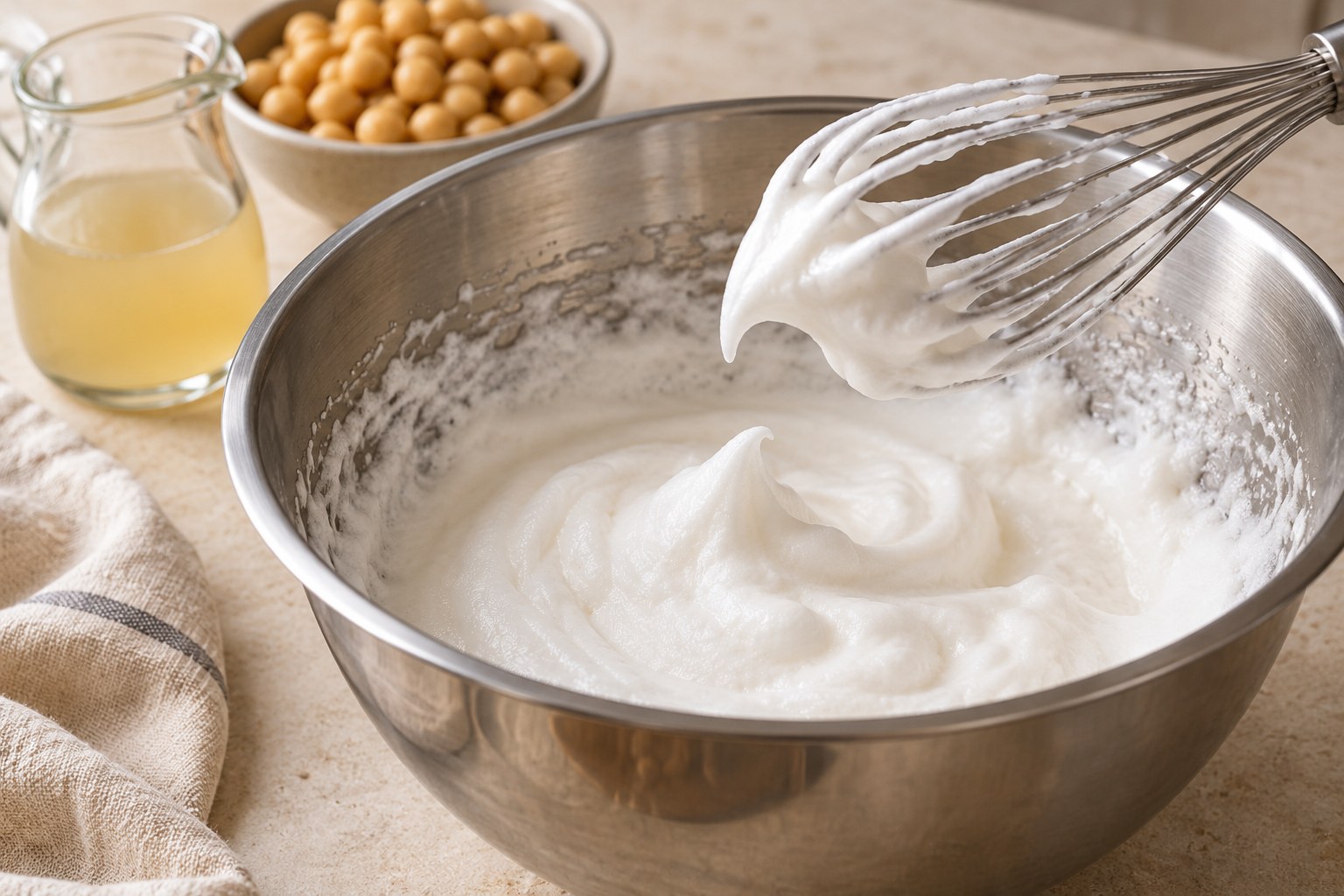
Aquafaba is the liquid from cooked or canned chickpeas. It can foam and whip, so it serves a different purpose from flax. As a rough substitution guide, 2 tablespoons can stand in for one egg white in some applications, and ¼ cup can replace one whole egg in selected recipes. The best quantity depends on what is being made.
Aquafaba is especially helpful in properly formulated vegan meringues, frostings, and some cakes. However, whipped aquafaba does not reliably support every traditional egg-white-based bake. Classic angel food cakes and macarons are examples where direct substitution can be unreliable; use a tested vegan recipe for those projects. Results depend on the liquid’s concentration, other ingredients, and technique.
Applesauce and mashed banana: moisture first
Unsweetened applesauce and ripe mashed banana can add moisture and some binding. About ¼ cup purée per egg is a common starting point in muffins, snack cakes, and quick breads, but it is not a dependable replacement in every formula. Banana adds a noticeable flavor and sweetness; applesauce is milder.
Too much fruit purée can leave a cake dense, sticky, or under-set. These options are usually poor choices when the original eggs are providing the main structure or loft. Start with an egg-free recipe that deliberately uses fruit rather than changing a complicated conventional cake.
Silken tofu: for smooth, moist textures
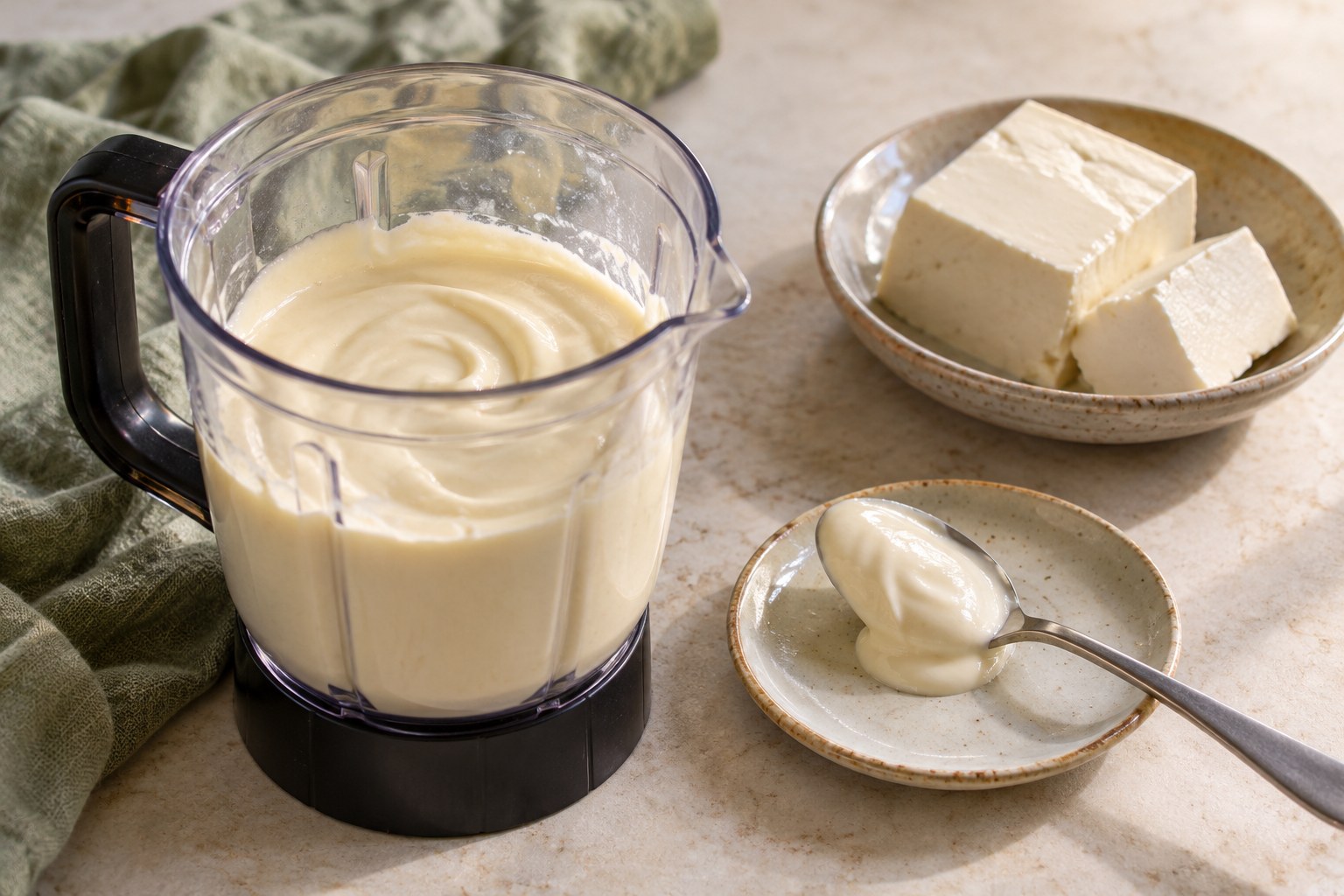
Blended silken tofu can be useful in dense cakes, brownies, creamy fillings, and some quick breads. Approximately ¼ cup blended tofu per egg is a common guideline, but recipe-specific ratios are better. Blend it thoroughly so lumps do not remain. Since tofu adds moisture and density rather than aeration, it is less suitable for recipes built on light, whipped eggs.
Commercial egg replacers: convenient, but different
Packaged egg replacers may use starches, gums, leavening agents, or other blends. Follow the manufacturer’s directions and check the intended uses. Some products are designed for baking structure; others mimic scrambled eggs and may not be appropriate for cakes. A product that works in pancakes may not perform identically in cookies or pastry.
Best beginner approach: For your first vegan cake, choose a vegan cake recipe. For your first vegan cookies, use a recipe developed for that cookie style. Learning with a successful baseline is easier than modifying a recipe that needs several egg functions at once.
How to replace milk, butter, yogurt, and cream
Choosing the right plant milk
In many cakes, muffins, and cookies, plain plant milk can replace dairy milk by volume. But the type of milk still matters. Soy milk tends to have more protein and a composition closer to dairy milk than almond or oat milk. That may help in enriched breads, custard-style preparations, and other recipes that depend on structure. Oat milk is often a convenient choice for everyday baking, while coconut milk brings its own flavor and richness.
Do not confuse refrigerated coconut beverage with full-fat canned coconut milk: they are very different products. And do not assume any plant milk will thicken into pastry cream exactly like dairy milk. For custards, puddings, and cream fillings, use a recipe tested with your chosen milk and thickener.
Making a plant-based buttermilk substitute
If a tested recipe calls for a quick acidic milk mixture, combine 1 cup unsweetened soy milk with 1 tablespoon lemon juice or white vinegar, stir, and let it stand for around 5 minutes. This is useful in some muffins, pancakes, and quick breads, particularly where acidity is needed to interact with baking soda.
This mixture is not identical to cultured dairy buttermilk in thickness, flavor, or composition. Do not automatically use it in every recipe that calls for buttermilk. Follow the recipe if it specifies a different ratio or a cultured plant-based product.

Working with vegan butter
For cookies and cakes, a firm vegan butter may replace dairy butter in a conventional formula, but spread and texture can change depending on the product. Creaming requires a fat that holds some shape: melted or very soft spread cannot trap air in the same way. For pastry, keep the fat chilled as directed, and work quickly enough that layers remain distinct.

When a recipe calls for oil, use oil rather than substituting solid vegan butter without considering the water and fat balance. The two create different textures. Butter-style products offer a richer, sometimes more buttery flavor, while neutral oil often produces a moist, tender crumb.
Replacing yogurt, cream, and cream cheese
Plant-based yogurt can work in quick breads, muffins, cakes, and some doughs, but a thin yogurt may add too much liquid compared with a thick one. For frosting, a stable vegan cream cheese formulated for spreading may behave differently from a product intended for cooking. Coconut cream can be whipped in certain recipes, though it typically needs chilling and careful separation of the richer portion. Follow a tested formula for frostings that must hold decorations or cakes that will be displayed for several hours.
Learn the leavening basics
Vegan baking does not require mysterious chemistry, but it rewards attention to what makes a bake rise. Baking soda needs available acid and moisture to react effectively. Ingredients such as lemon juice, vinegar, certain cocoa powders, and plant yogurt can contribute acidity. Baking powder contains both alkaline and acidic components, so it is usually more self-contained. They are not interchangeable teaspoon for teaspoon.
When a cake tastes soapy or browns unusually fast, too much baking soda or an imbalance of acid may be involved. When a cake is flat, expired leavening, insufficient mixing of dry ingredients, an incorrect pan, or an oven that is not fully heated could be contributing factors. Avoid adding extra baking powder simply because you removed eggs; too much can produce a coarse texture or cause the cake to rise and collapse.
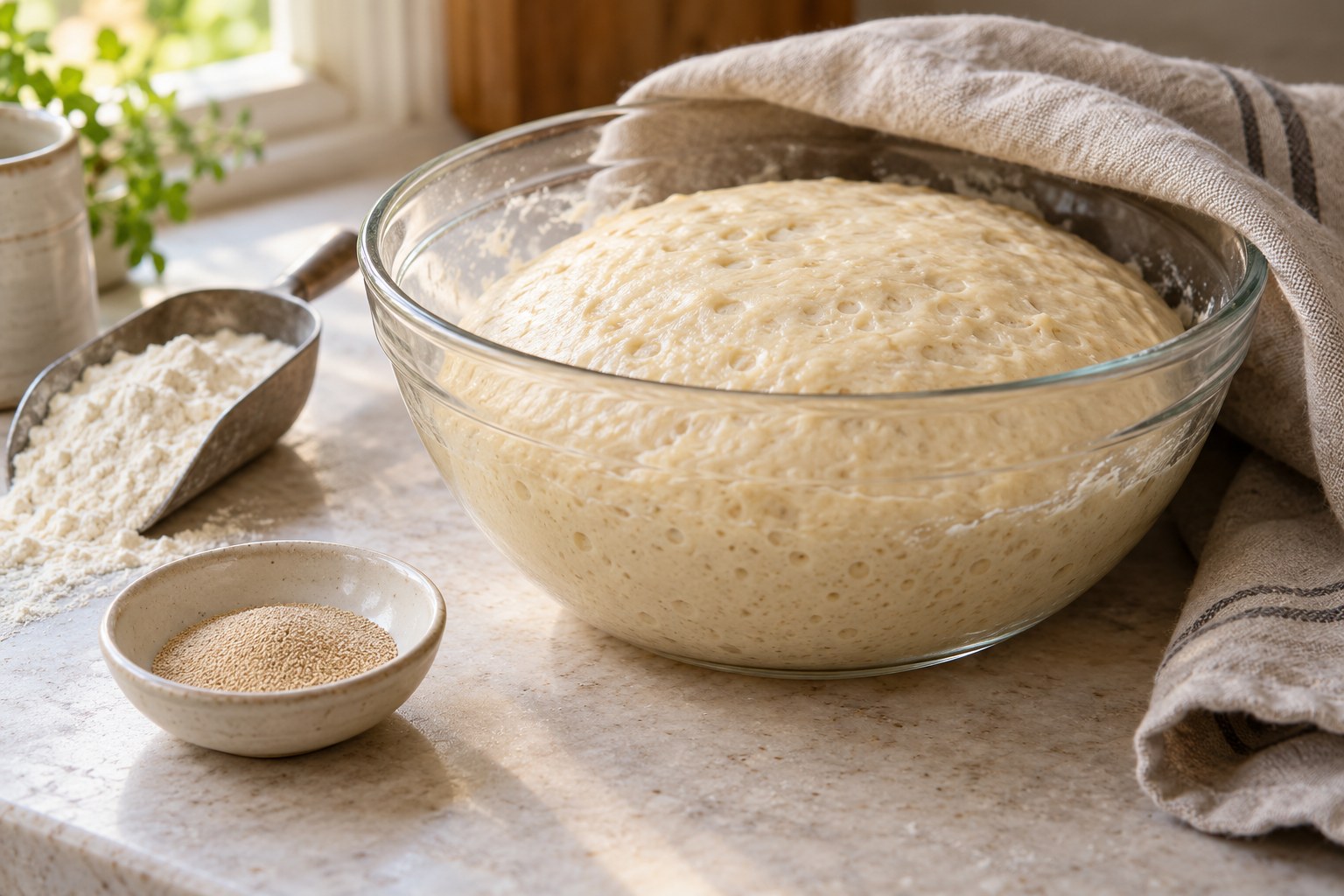
Yeast works differently. It ferments sugars and generates gas over time. Many basic lean breads are naturally vegan already when made from flour, water, yeast, and salt. Enriched doughs with eggs, milk, or butter need a more thoughtful vegan formulation because those ingredients affect softness, browning, and dough strength.
Techniques that make vegan baking more reliable
Measure ingredients carefully
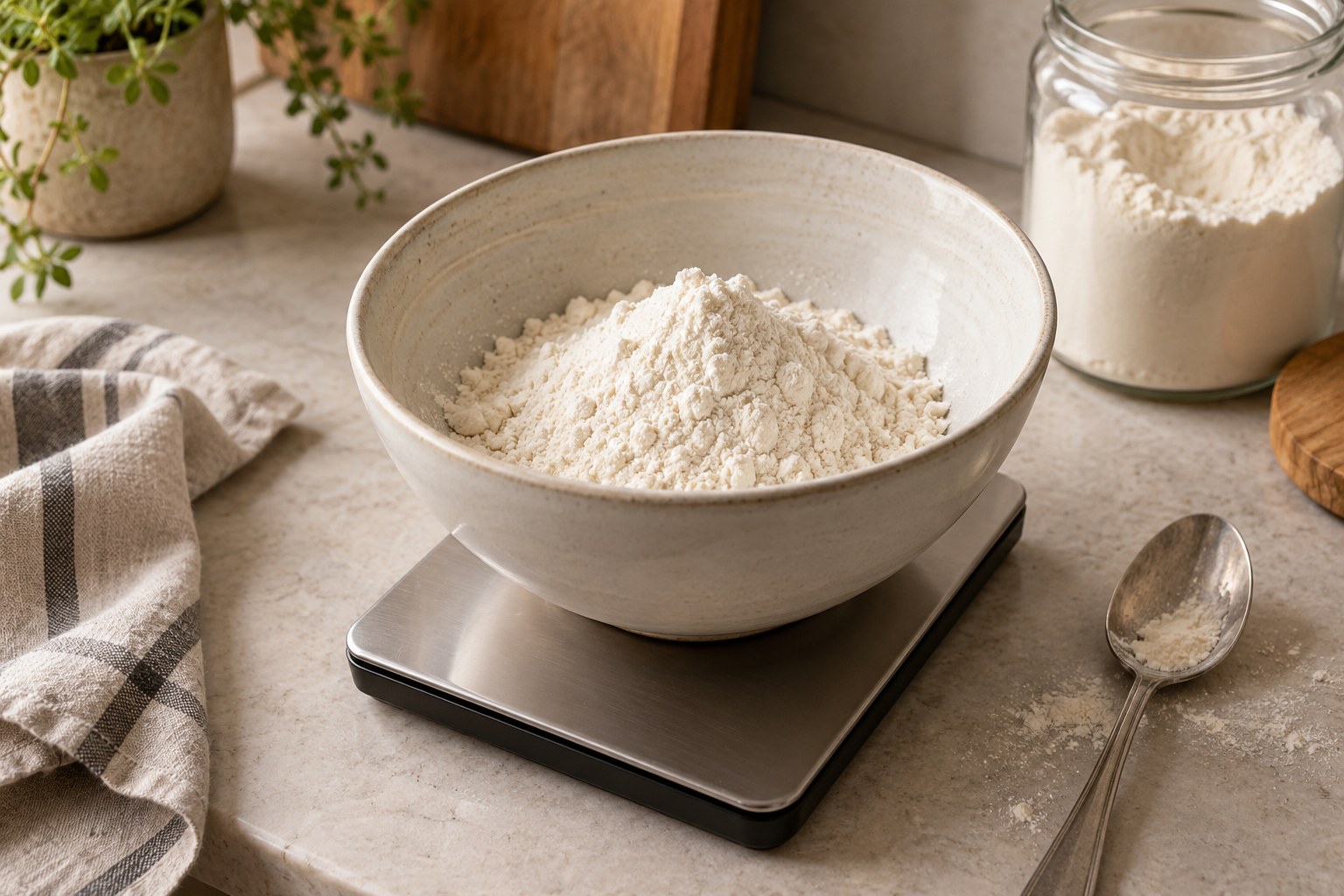
For consistent baking, a digital kitchen scale is one of the most useful tools you can own. Flour varies dramatically depending on whether you scoop directly from a bag or spoon it into a measuring cup. Follow gram measurements when a recipe provides them. For small amounts of baking soda, powder, and salt, use accurate measuring spoons and level them off.
Measure wet ingredients according to the recipe. A recipe calling for 120 grams of soy milk is more precise than one calling vaguely for a generous splash. When using substitutions, write down both the quantity and brand; fat and liquid content can differ among products.
Respect mixing instructions
Overmixing wheat-flour cake or muffin batter can create a tough texture or tunnels because gluten develops with hydration and agitation. Mix only until the flour disappears when the recipe directs you to do so. Cookie doughs, yeasted breads, and some batters require different amounts of mixing, so do not apply one rule universally.
If creaming vegan butter with sugar, follow the recipe’s temperature guidance. If using a recipe designed for oil, simply whisk or stir as instructed. Resist adding more flour to every sticky dough; some enriched and high-hydration doughs are supposed to feel tacky.
Preheat your oven and choose the correct pan
An oven can announce that it is ready before temperatures have fully stabilized. Allow adequate preheating, particularly for a cake that needs quick early lift. An oven thermometer can help identify a significant temperature mismatch. Use the recommended pan dimensions and material when possible: a wider pan changes batter depth and baking time, while dark metal may brown edges faster than light metal.
Position pans so air can circulate. Avoid opening the oven repeatedly during the early rise of a delicate cake. For cookies, cool pans between batches if the recipe expects room-temperature baking sheets; warm pans can accelerate spreading before the dough sets.
Check doneness intelligently
Visual cues matter. Cakes generally spring back lightly when touched and should not have raw batter clinging to a tester; moisture-rich cakes may leave a few crumbs. Cookies often firm as they cool, so removing them at the recommended stage helps control texture. Bread should have the crust, internal structure, and doneness described in its recipe, not just a browned surface.
Let cakes cool in their pans for the specified time before transferring. Cutting a quick bread while hot can make the crumb seem gummy. For crisp cookies, cooling on a rack helps steam escape. Follow storage recommendations based on the filling or frosting; not every plant-based topping is safe or stable at room temperature.
What changes when you bake different things?
Vegan cakes
Choose cakes where the structure comes from flour, balanced liquid, leavening, and a carefully designed fat system rather than several whipped eggs. Oil-based chocolate cakes and simple snack cakes are forgiving entry points. Follow the order of wet and dry ingredients, use the intended pan size, and resist increasing raising agents without a tested reason.
For a small first cake-style project, Vegan Vanilla Bean Cupcakes provide a tested plant-based formula rather than an improvised egg swap.

Vegan cookies
Cookie texture depends on fat temperature, sugar type, flour quantity, hydration, and chilling. Brown sugar generally promotes chewiness and moisture retention, while white sugar often contributes spread and crispness, though the complete recipe matters. Vegan butter can vary in softness; a dough that spreads too much may need chilling or a better-matched fat rather than simply more flour.
Vegan muffins and banana bread
These are particularly beginner-friendly because banana, pumpkin, applesauce, and plant yogurt can contribute moisture and some binding. Mix gently, fill tins as directed, and do not judge doneness by color alone. A dense or gummy center may mean too much purée, insufficient baking, or an imbalanced recipe—not automatically that vegan ingredients are the problem.
Try Vegan Carrot Muffins to see how a purpose-built muffin batter balances moisture and structure.

Vegan brownies and bars
Brownies can tolerate a more substantial, fudgy structure than a chiffon cake. Fat, chocolate, sugar, and the chosen binder interact to determine chewiness. Aquafaba, flax, or starch-based ingredients can work in different formulas, but swapping them carelessly changes the result. Allow bars to cool fully before slicing so their structure has time to set.
Vegan pies and pastries
Firm plant-based butter or a suitable fat can produce delicious pie pastry. Keep ingredients cool, avoid excessive water, and minimize handling once the dough comes together. The goal is to prevent a tough gluten network while keeping small pieces or layers of fat intact. Vegan laminated pastry is possible, but it is a more advanced project best approached with a dedicated formula.

Vegan breads and sweet rolls
Lean bread requires little or no substitution. Sweet rolls, brioche-style doughs, and enriched sandwich breads are different because dairy and eggs influence softness and browning. Soy milk, vegan butter, and appropriate dough hydration can help. Proof according to dough expansion and temperature rather than relying on the clock alone; a cold kitchen can slow fermentation dramatically.
Vegan baking troubleshooting: common problems and practical fixes
My cake is dense or heavy. Check whether you used too much flour, overmixed after adding flour, or substituted a thick purée for an egg that was meant to give structure. Confirm that your baking powder is fresh and your oven was sufficiently preheated. Next time, measure by weight and start with a recipe specifically formulated for a fluffy vegan cake.
My cake sinks in the center. A cake can collapse if it was underbaked, the oven door was opened too early, or the batter had more leavening than its structure could support. A very wet batter may also set slowly. Use the correct pan, measure carefully, and confirm doneness before removing it from the oven.
My cookies spread into thin puddles. Very soft vegan butter, melted fat, a warm baking tray, excessive sugar, or insufficient flour can all contribute. Check the recipe’s intended fat and chilling instructions. Test-bake a single cookie when using an unfamiliar butter brand before committing the entire batch.

My cookies are dry or crumbly. Too much flour, prolonged baking, or inadequate binding may be the issue. Do not automatically pour in extra plant milk; that can change texture unexpectedly. First check the measured flour, oven temperature, and whether the binder was prepared as directed.
My muffins have gummy centers. Too much mashed banana or applesauce, a thick batter that was not baked through, or excessive mixing may be to blame. Let the muffins cool before judging their texture. If they are genuinely underbaked, adjust baking time according to the recipe’s guidance rather than raising the oven temperature sharply.
My frosting will not hold its shape. The fat may be too warm, the plant-based product may contain too much water, or the formula may need a different balance of sugar and fat. Chill briefly when appropriate and use a tested vegan buttercream for piping. Soft spreads are often less suitable than firm sticks for stable decorations.
My bread barely rises. Check yeast freshness, dough temperature, proofing time, and whether you used the correct flour and liquid amount. Do not add extra yeast blindly. If the dough is rich in fat and sugar, proofing may simply take longer. Follow the recipe’s appearance and volume cues.
My pastry is greasy rather than flaky. Fat that becomes too warm can melt into the dough instead of remaining as distinct pieces or layers. Refrigerate according to the formula, handle gently, and avoid overworking. A plant-based spread with high water content may behave poorly in a recipe intended for block-style fat.
My bake has an unusual aftertaste. Check whether the recipe uses too much baking soda, strongly flavored oil, stale flour, or an unfamiliar plant milk. Some sweetened milks contain vanilla or other flavorings that affect delicate cakes. Choose unsweetened, neutral ingredients until you know how a recipe behaves.
Four beginner-friendly baking projects
Starting with a few different bake styles will teach you more than attempting a complicated showpiece immediately. Pick one reliable recipe in each category and record what you notice.
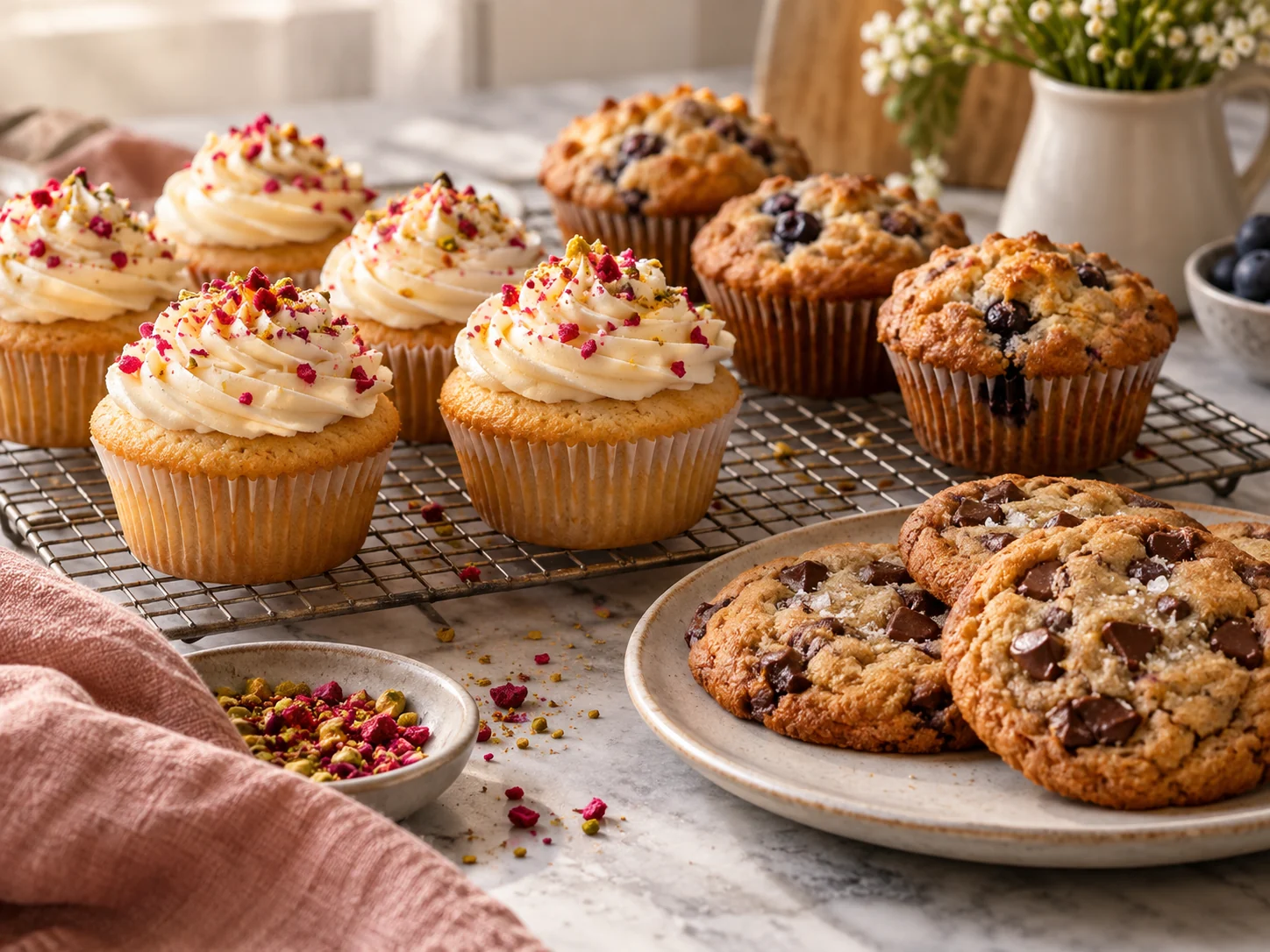
1. Vegan chocolate chip cookies. Begin with a recipe created for plant-based butter or oil rather than an improvised conventional cookie conversion. Pay attention to dough temperature, chilling, and the visual signs of doneness. For inspiration, explore What’s Baking?’s vegan chocolate chip cookies.
2. Vegan banana bread. Ripe banana already contributes moisture, sweetness, and binding, which makes this a friendly first quick bread. Measure the flour precisely, do not overmix, and allow the loaf to cool before slicing. See the vegan gluten-free banana bread for a recipe that addresses two distinct dietary needs.
3. Simple plant-based pancakes. Pancakes teach you how batter thickness, resting, pan heat, and leavening affect texture. Choose a recipe explicitly developed for vegan pancakes, then cook a small test pancake so you can adjust the heat before making the whole batch. Do not assume a recipe is vegan just because it looks simple: many pancakes contain eggs, dairy milk, or butter.
4. Vegan dinner rolls. Bread helps you understand hydration, dough handling, and doneness. A no-yeast roll behaves differently from a fluffy yeasted roll, so choose the method that matches your time and expectations. Consider vegan gluten-free dinner rolls and follow its specific flour and binding instructions.
Try the projects on separate days rather than changing ingredients in all of them at once. Save your recipe notes: which milk or butter you used, any adjustments, how the batter looked, how long the bake took, and what you would repeat next time.
How to adapt a conventional recipe cautiously
Sometimes you love a family recipe and want a vegan version. Before making substitutions, look at how many eggs are involved and what texture you are trying to preserve. A simple muffin with one egg and a little milk is a more forgiving project than a six-egg sponge cake. A pie crust with a small amount of butter is generally a different challenge from a highly laminated dough.
Begin by changing the milk, if needed, because plain unsweetened plant milk works well in many ordinary bakes. Choose a suitable fat based on whether the original method calls for creaming, melting, or chilling. Then consider the eggs: are they mainly holding the mixture together, or are they providing major structure and lift? When multiple functions are involved, find a tested vegan adaptation rather than guessing.
Keep the initial trial small if the recipe allows it. Take notes and evaluate flavor, rise, tenderness, and moisture independently. If you make three or four adjustments simultaneously, it becomes difficult to identify which change caused the result. Be especially cautious about reducing sugar or replacing all the flour during the same trial; both alterations can significantly change texture and browning.
Questions beginners often ask
Can I replace every egg with a flax egg?
No. Flax works well as a binder in many cookies, brownies, muffins, and quick breads, but it cannot reproduce all the structure or aeration provided by beaten eggs. A delicate sponge, meringue, or custard requires a more specific approach. The easiest route is a recipe tested without eggs.
Is vegan baking automatically healthier?
Not necessarily. Vegan baked goods can still contain substantial amounts of sugar, fat, and refined flour. Their nutritional profile depends on the complete recipe and serving size. Vegan simply describes the ingredients’ animal-product status; it does not guarantee a particular nutrition outcome.
Is vegan baking also gluten-free or allergy-friendly?
No. Many vegan bakes contain wheat, soy, nuts, or other allergens. If you are baking for someone with an allergy, check every ingredient label and consider cross-contact from equipment, storage containers, and work surfaces. A vegan label alone is not an assurance that a food is appropriate for every allergy.
Can I use any plant milk in cake batter?
Many cakes work well with a range of unsweetened plant milks, but differences in protein, fat, sweetness, and thickness can influence results. Soy is versatile and relatively protein-rich; oat and almond milk are often workable in less demanding batters. Use the milk recommended by the recipe when making it for the first time.
Why do some vegan cakes turn out gummy?
Too much fruit purée, excessive liquid, insufficient cooking time, or an under-set starch structure can all contribute. Cooling also matters, particularly for moist quick breads. Follow a tested ratio rather than adding more binder or flour at random.
Do I need expensive vegan baking products?
No. Flour, sugar, vegetable oil, baking powder, plant milk, and inexpensive binders can take you a long way. A digital scale is often a better first investment than a shelf of specialty replacements. As you gain confidence, buy products for specific recipes rather than assuming every alternative will improve the result.
Can I make vegan frosting that pipes neatly?
Yes, but choose a recipe designed for piping and a firm, suitable fat. Temperature makes a significant difference. Some tub spreads produce very soft frostings, and some plant-based cream cheeses are better for spreads than intricate decorations. Chill, test, and adjust only according to the formula you are using.

What should I bake first?
Try chocolate chip cookies, a simple chocolate snack cake, banana bread, or pancakes. These recipes teach mixing, hydration, leavening, and doneness without requiring advanced egg-foam techniques. Success with a few fundamentals builds confidence for pastries, layer cakes, and enriched breads later.
Your first five-bake learning plan
A simple progression can turn unfamiliar substitutions into dependable baking habits. First, bake a vegan cookie recipe as written. Second, make banana bread to understand how fruit affects moisture. Third, try a simple cake and compare the mixing instructions with those for cookies. Fourth, make pancakes and practise controlling the heat and batter thickness. Fifth, try a basic bread or dinner roll to learn how dough behaves.
After each bake, write down three things: what worked, what you would change, and what you learned. If you eventually experiment with a substitution, alter only one variable and compare the outcome with your original version. This habit is more useful than memorizing a universal conversion chart, because it helps you understand why the recipe works.
Final thoughts: start simple, learn the why
Vegan baking is not about settling for a lesser version of a favorite dessert. It is about using ingredients thoughtfully. Once you understand the difference between binding, moisture, lift, structure, and richness, plant-based baking becomes more predictable—and much more enjoyable.
Choose a well-tested recipe, measure carefully, and give yourself permission to learn through a few imperfect batches. Whether your next project is a chewy cookie, a glossy chocolate cake, or a soft loaf of bread, each bake teaches you something useful. For more ideas, explore the plant-based recipes collection and return to this guide whenever you want to troubleshoot a substitution.
A simple pantry of plant milk, flour and egg-replacement ingredients can support many plant-based bakes. AI editorial illustration.
Ground flaxseed mixed with water develops a gel-like texture that can work as a binder in suitable recipes. AI editorial illustration.
IN PICTURES
From the baking notebook
FROM THE RECIPE BOX



