
On this page
A chilled drink can make an ordinary afternoon feel special, whether you are blending fruit after school, building a colourful party table, or sharing a creamy dessert on a warm weekend. Homemade drinks are especially useful because you can decide how much to make, choose familiar ingredients, and change the presentation to suit the occasion. The trick is to distinguish drinks that belong in everyday routines from sweeter milkshakes, slushies, and ice-cream treats.
This guide brings together twelve published What’s Baking? drink recipes, from strawberry milk and vanilla banana smoothies to chocolatey frozen drinks and refreshing gingerade. Instead of claiming every homemade drink is automatically low in sugar or nutritionally superior to a packaged alternative, we explain what each recipe actually contains and how to serve it sensibly. Each linked recipe card remains the reference for exact quantities and step-by-step instructions.
First, choose the right kind of drink
Water is a simple everyday choice for hydration; plain milk or a suitable fortified alternative can also be part of a balanced eating pattern. Fruit juices, soda, syrups, milkshakes, and sweetened slushies are better understood as occasional drinks, not replacements for water. Fruit itself supplies fibre that is often lost when fruit becomes juice. In a family drink rotation, balance is more helpful than labelling sweet treats either magical or forbidden.
For young children, think carefully about portions, added sugar, potential allergens, and age-appropriate garnishes. Honey must not be given to infants under one year. Small, firm or round toppings can pose choking hazards for younger children; avoid whole berries, hard sweets, and large pieces of ice for children who cannot safely manage them. Keep any drinks requiring refrigeration cold and serve blended dairy-based beverages promptly.
The twelve drinks at a glance
These drinks occupy different roles. Strawberry milk and a banana smoothie offer familiar fruit-and-milk flavours. Gingerade, lemonade, and a raspberry-coconut-water refresher are brighter and lighter in style, though their published formulas still include sweeteners. Frozen hot chocolate, Oreo milkshake, butterbeer, and frosted lemonade are more dessert-like. Knowing the difference helps you plan a menu that feels varied rather than creating a dozen similar sugary drinks.
1. Frozen Hot Chocolate: A frozen chocolate dessert in a glass
The full Frozen Hot Chocolate recipe is available in the What’s Baking? recipe collection. Follow the original measurements if this is your first attempt; the notes below explain the technique and how it fits into a family drink rotation.
What is actually in the published recipe?
The published recipe blends whole milk or a plant-based alternative, chocolate chips, chocolate syrup, cocoa, sugar, vanilla ice cream and ice. Whipped cream and optional marshmallows finish the glass. Because it uses several sweet ingredients, describe it as a dessert rather than a healthier version of ordinary chocolate milk.

How to get the texture right
Melt or incorporate the chocolate as the recipe directs, then blend until no ice chunks remain. If your blender struggles, process smaller amounts rather than adding large amounts of extra milk; too much liquid turns a frozen drink into a thin shake.
When and how to serve it
Serve in a chilled small glass with a spoon. Prepare it immediately before serving, because the frozen texture softens quickly. For younger children skip hard or bulky toppings.
One sensible variation
For a different presentation, dust the whipped topping lightly with cocoa. If you reduce any syrup or sugar, taste and adjust gradually rather than assume the published flavour will remain unchanged.
2. Strawberry Milk: Naturally pink fruit-and-milk drink
The full Strawberry Milk recipe is available in the What’s Baking? recipe collection. Follow the original measurements if this is your first attempt; the notes below explain the technique and how it fits into a family drink rotation.
What is actually in the published recipe?
The published strawberry milk uses fresh strawberries, cold milk, honey or maple syrup, vanilla, and a pinch of salt. It optionally adds freeze-dried strawberry powder. The pink shade comes from real fruit, but the base recipe does include added sweetener.

How to get the texture right
Hulling and blending the berries carefully keeps the finished drink smoother. A fine sieve is useful for children sensitive to seeds or pulp, although straining also removes some of the fruit solids. Use ripe berries for the most expressive colour and flavour.
When and how to serve it
Serve well chilled in a clear glass so the pale pink colour shows. This is the drink pictured in a previously approved editorial food photograph; retain that photograph without creating duplicate glasses or image captions.
One sensible variation
Start with less sweetener and taste once the berries and milk are combined. Use an unsweetened fortified alternative if avoiding dairy, and check its suitability for the person drinking it.
3. Vanilla Banana Smoothie: Soft, creamy and gently fragrant
The full Vanilla Banana Smoothie recipe is available in the What’s Baking? recipe collection. Follow the original measurements if this is your first attempt; the notes below explain the technique and how it fits into a family drink rotation.
What is actually in the published recipe?
The actual formula uses two ripe bananas, milk, vanilla yogurt, vanilla extract, optional honey, cinnamon and ice. Its texture is creamy because of the fruit and yogurt rather than because it contains protein powder or special supplements.

How to get the texture right
Freeze peeled banana pieces in advance if you prefer a thicker smoothie. When using a powerful blender, process the milk and yogurt first, then add banana and ice. If the smoothie becomes too thick, add a small splash of milk rather than a large pour.
When and how to serve it
A smaller glass can accompany breakfast or an afternoon snack. If the smoothie is served to a child, focus on taste and comfort rather than claiming it is a complete meal on its own.
One sensible variation
Cinnamon changes the aroma with almost no effort. If the bananas are sweet enough, the optional honey can be omitted.
4. Oreo Milkshake: A genuine cookies-and-cream treat
The full Oreo Milkshake recipe is available in the What’s Baking? recipe collection. Follow the original measurements if this is your first attempt; the notes below explain the technique and how it fits into a family drink rotation.
What is actually in the published recipe?
The published milkshake contains vanilla ice cream, whole milk, Oreo cookies, whipped cream and optional chocolate syrup. It is not a Greek-yogurt drink and should not be sold as a nutritionally upgraded cookie smoothie.

How to get the texture right
Pulse the cookies briefly for visible flecks, or blend longer for a smooth texture. Add cookies near the end to control how finely they break down. Thin with a little milk only when the blender needs help.
When and how to serve it
This is best served immediately in a small, chilled glass. A light scatter of cookie crumbs can communicate the flavour without an oversized pile of toppings.
One sensible variation
For a less sweet version, use fewer cookies or skip optional syrup, understanding that the resulting drink will differ from the published recipe.
5. Raspberry Peach Slushie: Bright berry and stone-fruit slush
The full Raspberry Peach Slushie recipe is available in the What’s Baking? recipe collection. Follow the original measurements if this is your first attempt; the notes below explain the technique and how it fits into a family drink rotation.
What is actually in the published recipe?
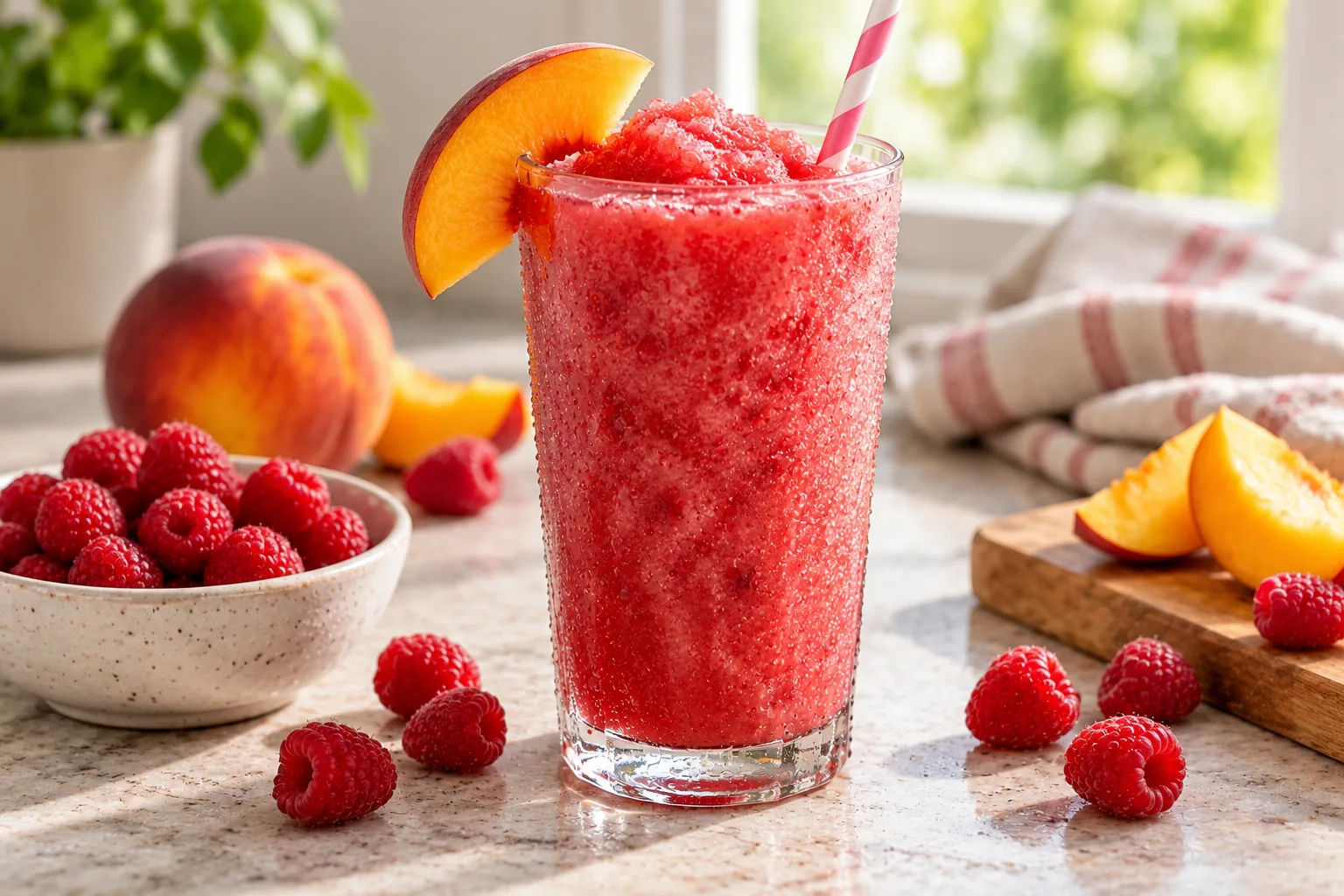
Frozen raspberries and frozen peaches are blended with apple or white grape juice, honey or maple syrup, yogurt, lemon juice and crushed ice. The yogurt gives body, so the drink is not simply fruit and water. Its juice and sweetener also add sweetness.
How to get the texture right
Keep the fruit frozen until just before blending. Add liquid gradually and pulse in stages so the blades can catch without melting the mixture. If the peaches are especially sweet, consider reducing the optional added sweetener.
When and how to serve it
Serve straight after blending. A chilled cup and a short straw help keep the texture enjoyable; for younger children a spoon may be more practical.
One sensible variation
You can vary the ratio of raspberries to peaches for a sharper or softer flavour, but keep enough liquid to blend safely. Do not assume every frozen-fruit substitution behaves identically.
6. Butterbeer: A playful soda-shop dessert
The full Butterbeer recipe is available in the What’s Baking? recipe collection. Follow the original measurements if this is your first attempt; the notes below explain the technique and how it fits into a family drink rotation.
What is actually in the published recipe?
The published non-alcoholic butterbeer combines cream soda, butterscotch syrup, melted butter, vanilla, salt and a sweetened heavy-cream topping. Despite the name, it is a soda-and-cream treat, not an ordinary hydration drink.

How to get the texture right
Chill the cream soda ahead. Prepare the topping separately and pour the soda gently to avoid a foam overflow. Heavy stirring can flatten the carbonation quickly.
When and how to serve it
Offer this as an occasional party beverage in a modest glass. Label dairy and other allergens and serve promptly so the topping retains its shape.
One sensible variation
A caramel drizzle is optional in the published recipe. Skipping it leaves the main butterbeer flavours while reducing the number of sweet components.
7. Frosted Lemonade: Tart lemonade meets vanilla ice cream
The full Frosted Lemonade recipe is available in the What’s Baking? recipe collection. Follow the original measurements if this is your first attempt; the notes below explain the technique and how it fits into a family drink rotation.
What is actually in the published recipe?
The linked copycat recipe combines freshly squeezed lemon juice, sugar, cold water and vanilla ice cream. It is a citrus-flavoured frozen dessert, not an unsweetened lemonade or a recipe based on yogurt.

How to get the texture right
Prepare the lemonade base and chill it first so the ice cream does not melt as soon as it is added. Blend just until smooth, then stop; extended blending warms the mixture and loses its thick, frosted body.
When and how to serve it
Serve immediately in a smaller glass. Lemon zest can make a pretty garnish, but avoid adding so much zest that the finish tastes pithy.
One sensible variation
Balance matters: lemon acidity makes the sweetness less obvious, not absent. Consider this a special treat rather than a substitute for plain water.
8. Gingerade: Lemon, ginger and lively bubbles
The full Gingerade recipe is available in the What’s Baking? recipe collection. Follow the original measurements if this is your first attempt; the notes below explain the technique and how it fits into a family drink rotation.
What is actually in the published recipe?
The published drink uses fresh ginger, honey or maple syrup, lemon juice and sparkling water with crushed ice. It is alcohol-free but still contains added sweetener, and its ginger can taste quite strong to a child.

How to get the texture right
Slice the ginger thinly as directed in the recipe and follow its method for extracting the flavour. Chill the ginger-lemon base before adding sparkling water. Add carbonated water at the end so you retain the bubbles.
When and how to serve it
Offer a small taste first, especially to children who have never tried ginger. For younger drinkers, a diluted version with more plain water may be more enjoyable.
One sensible variation
A sprig of mint adds aroma without extra syrup. Avoid presenting gingerade as a treatment for nausea or other medical symptoms.
9. Never Bitter Lemonade: Clean lemon flavour without pithy harshness
The full Never Bitter Lemonade recipe is available in the What’s Baking? recipe collection. Follow the original measurements if this is your first attempt; the notes below explain the technique and how it fits into a family drink rotation.
What is actually in the published recipe?
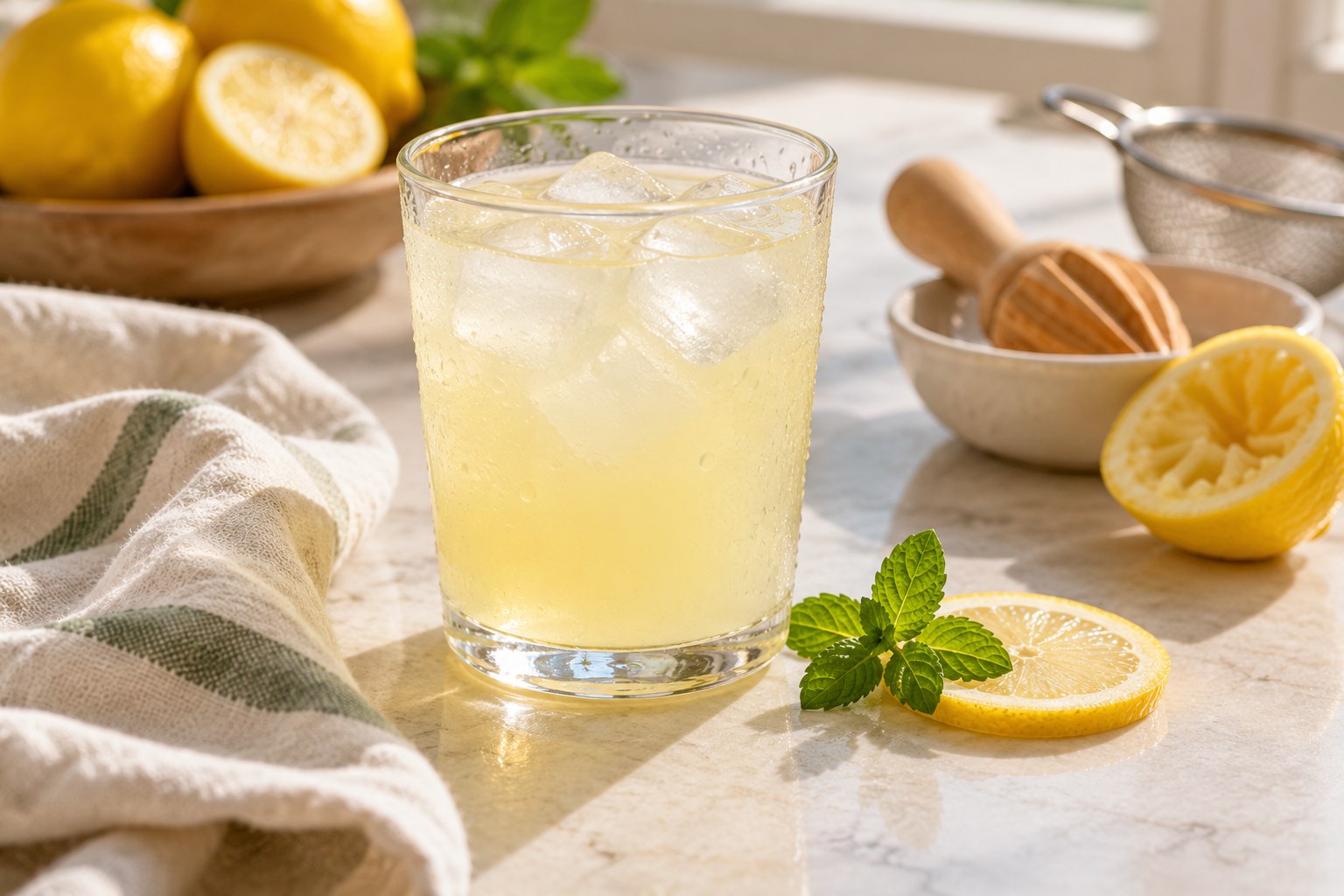
The recipe includes lemon juice, sugar, water, a little baking soda, optional sparkling water, mint and lemon garnish. “Never bitter” is a recipe name, not a guarantee that all lemons and every preparation will taste identical.
How to get the texture right
Avoid crushing white lemon pith or seeds into the juice; the pith contributes unwanted bitterness. Dissolve the sugar as the recipe instructs and add the baking soda carefully because it can cause fizzing. Taste chilled before making adjustments.
When and how to serve it
Serve over ice at a picnic or lunch table. When using lemon wheels for garnish, remove them from young children’s glasses if they could present a chewing or choking problem.
One sensible variation
Use sparkling water only as directed for added fizz. A pitcher of plain chilled water beside the lemonade gives guests an everyday alternative.
10. Frozen Pineapple Whip Drink: A tropical frozen-fruit favourite
The full Frozen Pineapple Whip Drink recipe is available in the What’s Baking? recipe collection. Follow the original measurements if this is your first attempt; the notes below explain the technique and how it fits into a family drink rotation.
What is actually in the published recipe?
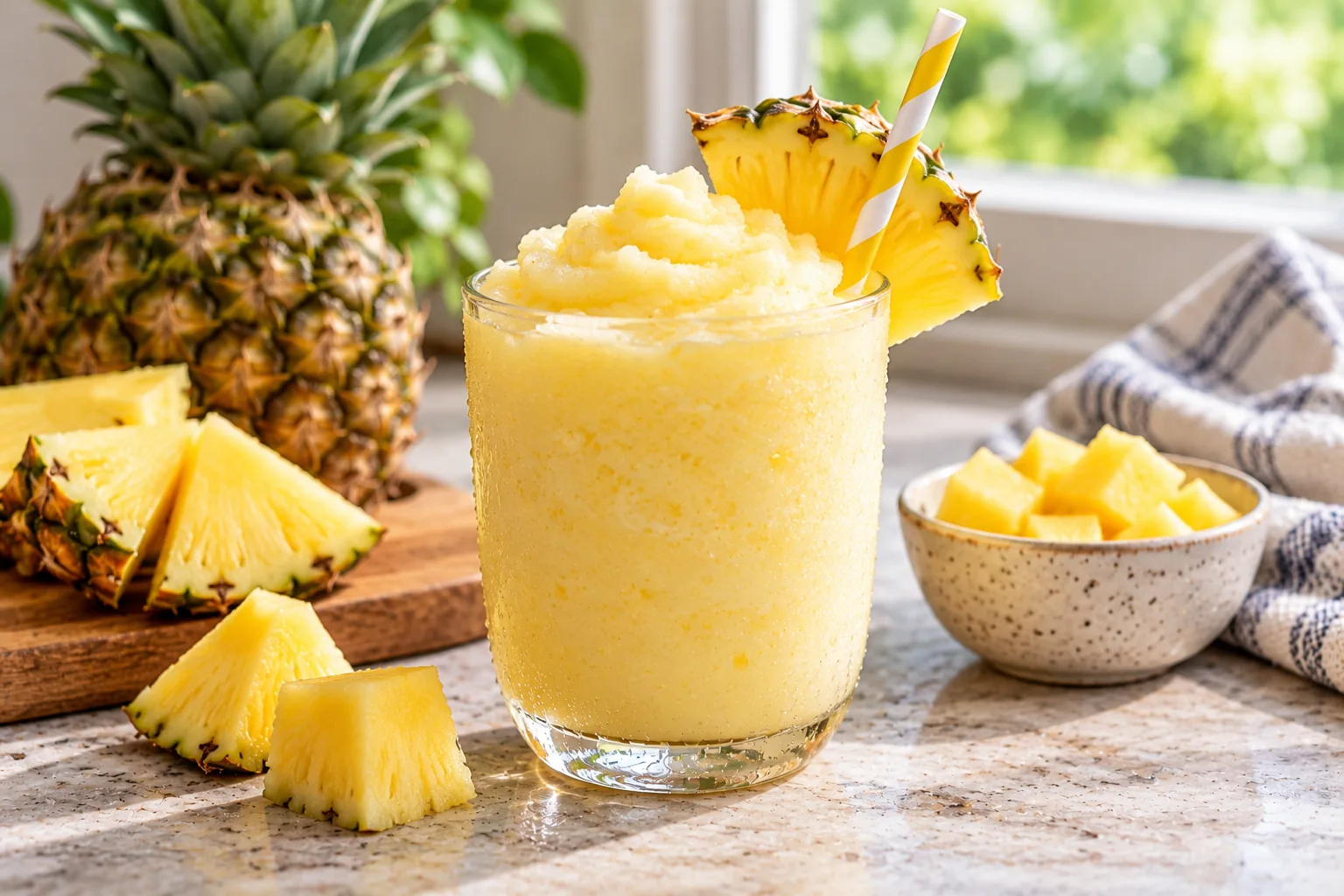
The linked drink is made from frozen pineapple chunks, coconut water or pineapple juice, fresh lime juice, and optional honey or maple syrup. It does not use coconut milk in the published recipe.
How to get the texture right
Frozen fruit gives the whip its signature thickness. Work in short pulses, scraping down the sides as required, and add the coconut water gradually. Too much liquid produces a smoothie rather than a spoonable whip.
When and how to serve it
Serve straight away in a bowl or sturdy cup with a spoon. Frozen pineapple can taste especially refreshing after outdoor play but this is still a fruit-based treat rather than a hydration plan.
One sensible variation
Lime brightens the pineapple. Taste before adding optional sweetener, as ripe frozen pineapple may already be sweet enough.
11. Chocolate Milk Upgrade: A comforting classic with subtle spice
The full Chocolate Milk Upgrade recipe is available in the What’s Baking? recipe collection. Follow the original measurements if this is your first attempt; the notes below explain the technique and how it fits into a family drink rotation.
What is actually in the published recipe?
The published chocolate milk uses cold milk, finely chopped milk chocolate, chocolate syrup, vanilla and a pinch of cinnamon, with optional whipped cream. It is not simply milk plus an unsweetened cocoa spoonful.

How to get the texture right
The chopped chocolate should be mixed according to the recipe method until fully incorporated; small unmelted pieces can settle at the bottom. Chilling before serving helps the drink feel consistent.
When and how to serve it
Use a small glass for an afternoon treat and a simple dusting of cinnamon instead of elaborate candy toppings. Check the ingredients of any plant-based milk alternative if substituting.
One sensible variation
Try a tiny pinch of cinnamon or vanilla before adding extra syrup. Some adults may like a more cocoa-forward flavour, but that is an adaptation rather than the exact published formula.
12. Raspberry Coconut Water Refresher: A bright pink drink with a sparkling finish
The full Raspberry Coconut Water Refresher recipe is available in the What’s Baking? recipe collection. Follow the original measurements if this is your first attempt; the notes below explain the technique and how it fits into a family drink rotation.
What is actually in the published recipe?
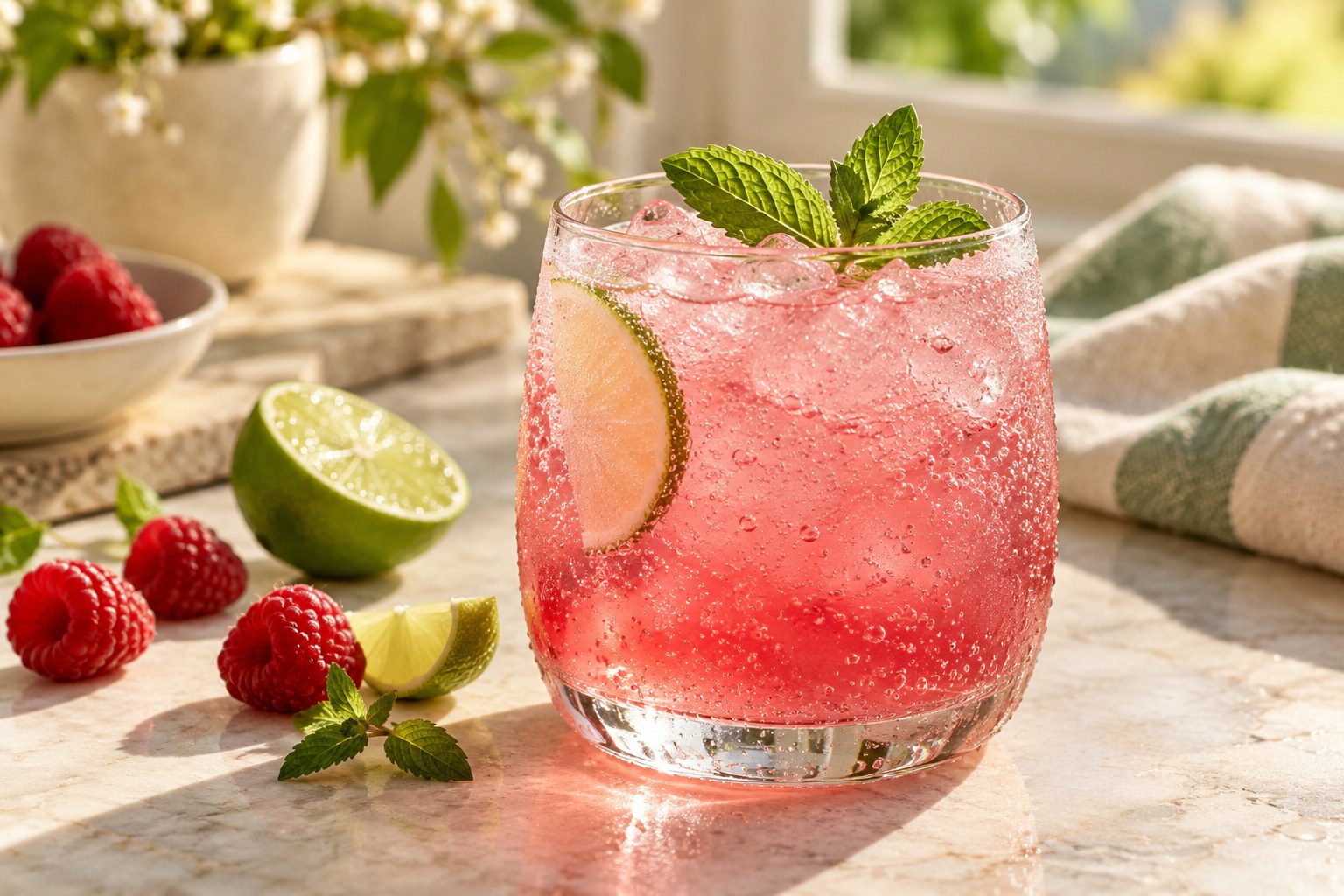
The published refresher blends chilled coconut water with raspberries, lime, honey or maple syrup, sparkling water, crushed ice and mint. It is not plain fruit-infused water.
How to get the texture right
Mash or blend the berries lightly and strain if seeds are unwelcome. Chill the base first, then add sparkling water as the final step so bubbles remain lively.
When and how to serve it
Serve in a clear cup with a little crushed ice and skip whole berry garnishes for younger children. The colour is vibrant enough without artificial colouring.
One sensible variation
Use less added sweetener when the berries are ripe. For a truly unsweetened option, offer water chilled with sliced fruit separately rather than relabelling this recipe.
How to build a homemade drink station without a dozen ingredients
You do not need to make all twelve beverages at once. Pick one fruit-based option, one creamy option, and an unsweetened water option. For a summer gathering, strawberry milk and pineapple whip provide contrasting textures; a pitcher of chilled water with cucumber or citrus slices rounds out the table. For a birthday party, frozen hot chocolate and butterbeer are obviously dessert-style options, so smaller servings make sense.
Group ingredients by preparation rather than recipe: wash and hull fruit, measure garnishes, chill glasses, then blend one drink at a time. Ice and frozen fruit should remain cold until service. If a recipe has whipped cream, prepare that topping separately so it does not deflate while the blender is running. Provide a spoon for drinks thick enough to be eaten rather than sipped.
For a children's gathering, avoid making the counter into a toppings free-for-all with hard candy, large marshmallows, and whole berries. Serve age-appropriate portions, keep allergen-containing ingredients separate, and have an adult supervise blender use. A short, clearly labelled menu is more helpful than twelve elaborate drink names with no ingredient information.
Make-ahead planning: What you can prepare and what you should not
Washing berries, peeling bananas, freezing fruit in portions and chilling milk are useful ahead-of-time tasks. Preparing a lemon or ginger base in advance can also reduce work, as long as it is promptly refrigerated and used within a safe period. However, a thick milkshake or frozen slush should be blended close to serving. Ice crystals soften, dairy drinks warm, and toppings lose their shape.
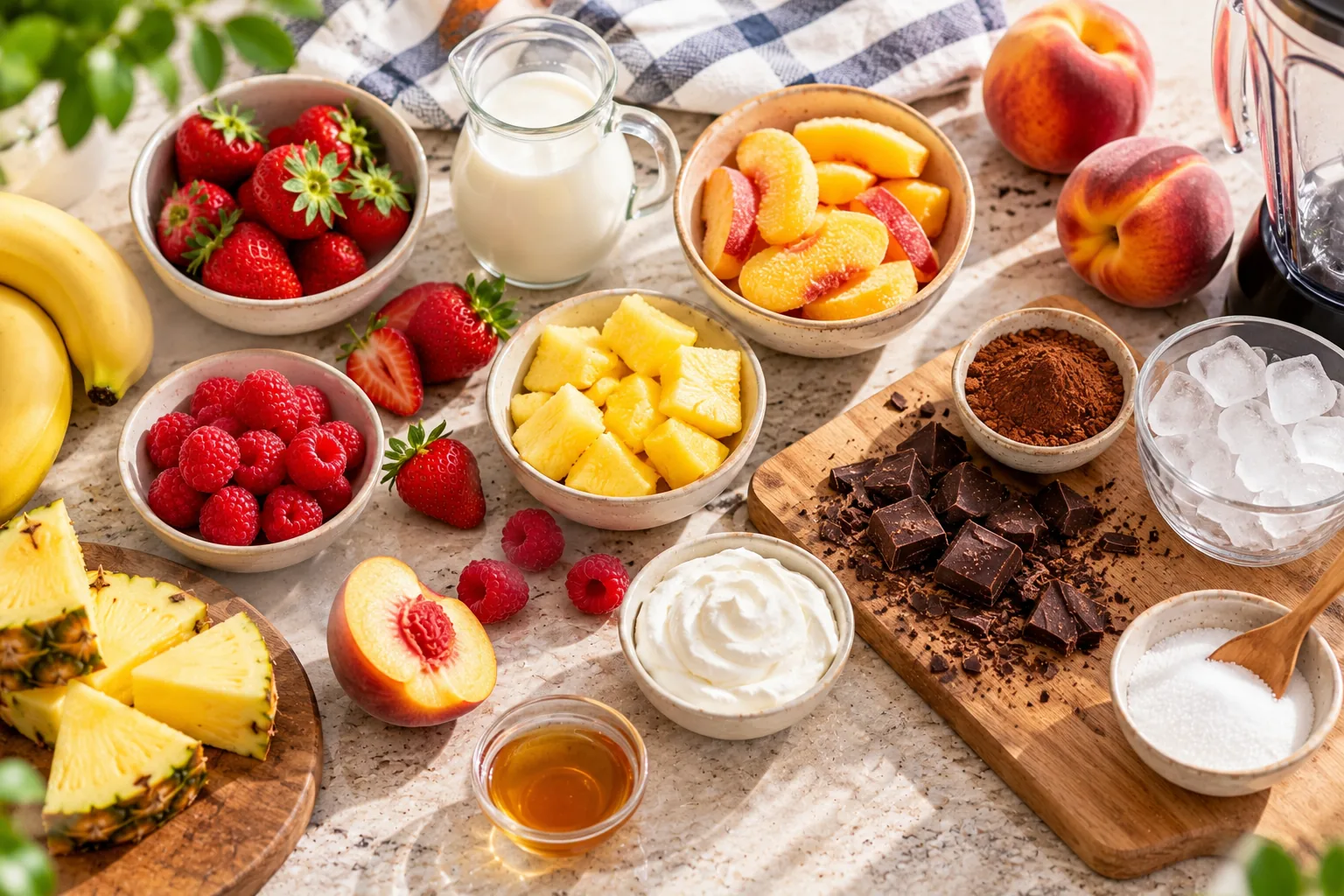
Store prepared perishable ingredients in the refrigerator at 4°C/40°F or colder, and do not let milk-based beverages sit unrefrigerated on a party table. Discard drinks that have been left at unsafe temperatures rather than attempting to rescue them with more ice. Follow storage guidance for ingredients that have already been opened or blended. When preparing beverages for people with food allergies, carefully check every ingredient and prevent cross-contact with equipment and utensils.
One practical strategy is to assemble drink kits: one container with measured washed fruit, a separate measured dry spice or topping, and a note pointing to the published recipe. At serving time, add the cold milk, yogurt, water or other liquid and blend. Do not freeze a fully assembled carbonated drink. The bubbles are lost and the container may not be safe for that use.
How to balance sweetness without losing the recipe's character
Sweetness is not only a question of spoonfuls of sugar. Ice cream, soda, chocolate syrup, fruit juice and sweetened yogurt all contribute. A drink can contain no additional white sugar in the blender and still be very sweet. The strawberry milk recipe uses optional choices of honey or maple syrup; the Oreo shake gets much of its sweetness from ice cream and cookies. Frozen hot chocolate has several separate sweet ingredients.
The safest approach to modifications is gradual. Taste fruit before adding sweetener, use unsweetened milk alternatives where suitable, and start with the published recipe for a reliable baseline. If you change several sweeteners and liquids at once, texture and flavour may shift substantially. For a drink intended mainly to quench thirst, plain water is a better starting point than a radically diluted dessert shake.
Choosing a dairy or plant-based milk
Different milks change body, flavour and how a drink blends. Whole milk makes a classic rich milkshake. Unsweetened soy milk may produce a different protein and texture profile from oat or almond milk, and not every alternative has the same nutrient fortification. Yogurt contributes thickness and acidity; swapping it for water changes the result.
Check package labels for allergens, added sugar and fortification, especially when serving young children. The published recipe may explicitly allow a plant-based alternative, but that does not mean every substitution will behave the same way. If making drinks for someone with a medically necessary dietary restriction, rely on appropriate dietary advice rather than treating a flavour variation as an adequate nutritional substitute.
Equipment that makes drink preparation easier
A sturdy blender is useful for frozen pineapple and thick slushies, while a regular jug and whisk may be enough for certain lemonade bases. A small mesh sieve removes raspberry seeds when desired. A kitchen scale or measuring cups help keep a recipe consistent when working with concentrated syrup or fruit juice. For frozen drinks, do not fill the blender beyond the manufacturer’s limit; stop the machine before scraping down the sides.
Chilling serving glasses helps preserve a frozen drink for a little longer. A lipped tray catches spills when children help pour. Reusable straws are practical when cleaned thoroughly, but thick frozen drinks may be easier to enjoy with spoons. Keep hot ingredients away from children and never blend hot liquids in an unsuitable sealed blender.
Common homemade drink problems and quick fixes
The strawberry milk is pale or watery. The fruit may have been underripe, the milk-to-fruit ratio may have shifted, or the berries may have been rinsed but not drained. Start with the quantities in the actual recipe. You can add a little more strawberry, but keep in mind that the final serving size changes.
My slushie became soup. Frozen fruit warmed during preparation or too much liquid was added. Chill the ingredients and blend in smaller batches. Extra ice may help some formulas, though it also dilutes flavour.
My milkshake is too thick to pour. Let the ice cream soften only slightly or add milk by the tablespoon while blending. Do not add so much that you lose the intended cookies-and-cream character.
My lemonade tastes bitter. Pith, seeds, or an overworked lemon peel may have entered the juice. Strain and taste; do not assume doubling the sugar will remove the underlying bitterness.
The gingerade lost its fizz. The sparkling water was added too early or stirred too aggressively. Chill and prepare the base first, then add bubbles immediately before serving.
My pineapple whip will not blend. Frozen chunks may be too large for the blender or the liquid may be insufficient to begin the process. Use short pulses, scrape down carefully with the machine stopped, and add small amounts of liquid.
Fruit seeds bother someone. Strain raspberry drinks, use well-blended strawberry purée, and choose a smooth garnish-free presentation. There is no need to force a texture on children who dislike it.
Frequently asked questions
Are homemade drinks always healthier than packaged drinks?
No. You control ingredients at home, which is helpful, but a milkshake made with ice cream and chocolate syrup is still a sweet dessert. Compare ingredients and portions rather than relying on homemade labels.
Can kids drink these every day?
Water is the straightforward everyday hydration option. The milk, fruit, and dessert-style drinks in this collection have different nutritional profiles and sweetness levels; they should not all be treated as equivalent substitutes for water.
Can I skip every sweetener?
Sometimes, especially when using ripe fruit, but not always without changing the intended taste. Ice cream, syrup and soda may supply sweetness even if you add no separate sugar. Follow recipe-specific notes.
Is strawberry milk the same as a strawberry smoothie?
Not necessarily. This linked recipe is a milk-and-strawberry drink, while a smoothie may contain yogurt, frozen fruit, or other ingredients that change its thickness. Use the recipe names accurately.
Can I make the frozen drinks the night before?
You can portion ingredients ahead, but finished frozen shakes and slushies are best served soon after blending. Freezing an already mixed drink often changes its texture when thawed.
Which drink is the easiest for a child to help prepare?
Strawberry milk, banana smoothie, or a simple cooled lemonade base can work well with adult supervision. Assign age-appropriate tasks such as washing fruit or measuring ingredients; adults should handle sharp tools and blender operation.
What should I serve at a party with dairy allergies?
Look for recipes whose ingredient lists explicitly offer suitable alternatives and check every milk, yogurt, chocolate, whipped topping and syrup label. Avoid cross-contact by using clean tools and separate garnishes.
What if my family dislikes ginger?
Try strawberry milk, the raspberry refresher, or lemonade instead. Not every child has to enjoy the same flavour, and there is no need to hide ginger or claim medicinal benefits.
Can I use honey for a baby?
No. Do not give honey to infants under 12 months because of the risk of infant botulism, whether it is in a drink or another food. Consult a qualified clinician for infant feeding questions.
Do these drinks replace meals?
Not as a general rule. Some contain fruit and milk while others are chiefly dessert drinks. A balanced meal includes other foods and nutrients; treat any drink as a part of that eating pattern, not a guaranteed complete replacement.
Final thoughts: Keep homemade drinks fun and accurately described
Twelve colourful drinks do not need to become a complicated project. Choose one recipe based on what you have, follow its actual ingredient list, and pay attention to the texture cues that make it appealing. A carefully blended strawberry milk can be as memorable as a towering milkshake; a simple glass of water with fruit slices can sit proudly beside both.
If you are planning your next family afternoon, start with Kid-Friendly Strawberry Milk, Vanilla Banana Smoothie, or Never Bitter Lemonade. Keep portions and allergies in mind, serve frozen treats promptly, and enjoy the experience of making something together.
A serving illustration for this drink, rather than a photograph of a tested recipe. AI editorial illustration.
A serving illustration for this drink, rather than a photograph of a tested recipe. AI editorial illustration.
IN PICTURES
From the baking notebook
FROM THE RECIPE BOX


