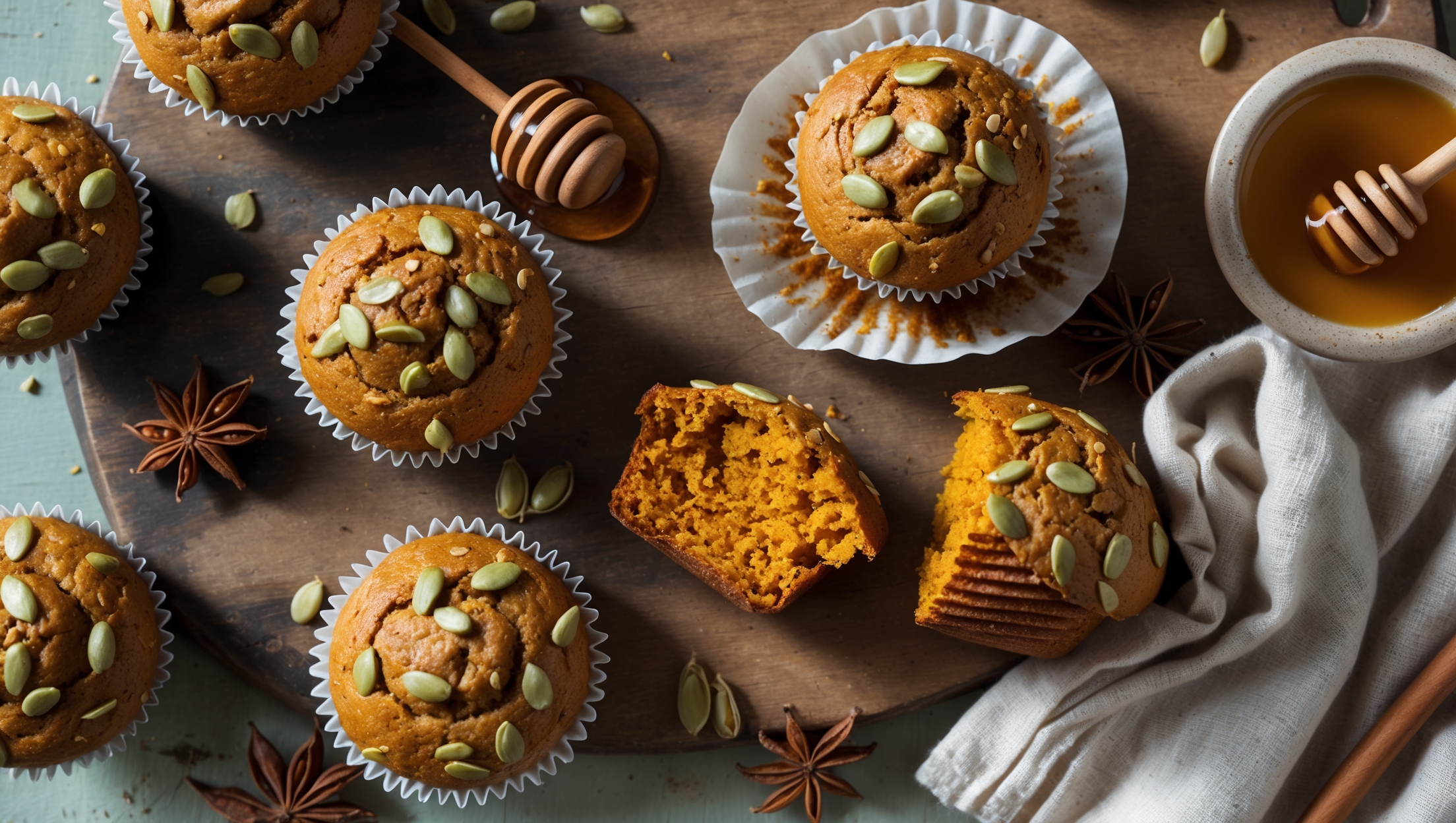
Directions
<ol class="no-list-style"> <li class="MethodStepper"> <h4 class="step-title">Step 1</h4> Preheat your oven to 190°C (375°F) and line a 12-cup muffin tin with paper liners. Take a moment to properly position your oven rack in the center position for even baking. </li> <li class="MethodStepper"> <h4 class="step-title">Step 2</h4> In a small bowl, combine the granulated sugar with the lemon zest and dried lavender buds. Use your fingertips to massage the zest and lavender into the sugar for about 2 minutes. This important step releases the essential oils, infusing the sugar with wonderful aromatic compounds that will distribute throughout your muffins. </li> <li class="MethodStepper"> <h4 class="step-title">Step 3</h4> In a large bowl, whisk together the flour, baking powder, baking soda, and salt. Creating this dry mixture separately ensures even distribution of leavening agents throughout the batter. </li> <li class="MethodStepper"> <h4 class="step-title">Step 4</h4> Pour the aquafaba into a medium bowl and whip with an electric mixer for about 30 seconds until slightly foamy. This step introduces air into the aquafaba, which helps create structure in your eggless muffins. Add the infused sugar and continue mixing until well combined. </li> <li class="MethodStepper"> <h4 class="step-title">Step 5</h4> Add the plant milk, vegetable oil, lemon juice, and vanilla extract to the aquafaba mixture. Whisk until thoroughly combined. The mixture might look slightly curdled due to the reaction between the lemon juice and plant milk – this is perfectly normal and actually beneficial for the texture! </li> <li class="MethodStepper"> <h4 class="step-title">Step 6</h4> Pour the wet ingredients into the dry ingredients and gently fold with a spatula until just combined. You should still see a few streaks of flour – overmixing activates gluten and will make your muffins tough rather than tender. The batter will be relatively thick but pourable. </li> <li class="MethodStepper"> <h4 class="step-title">Step 7</h4> Divide the batter evenly among the muffin cups, filling each about 3/4 full. The ideal amount is about 3 tablespoons of batter per cup, which gives room for rising without overflowing. Sprinkle the tops generously with demerara sugar to create a delightful crunchy top that contrasts with the soft interior. </li> <li class="MethodStepper"> <h4 class="step-title">Step 8</h4> Bake for 20-22 minutes, or until a toothpick inserted into the center comes out clean or with just a few moist crumbs. Look for golden brown tops and slightly domed surfaces – visual cues that indicate perfect baking. Avoid opening the oven during the first 15 minutes of baking as the sudden temperature change can cause muffins to sink. </li> <li class="MethodStepper"> <h4 class="step-title">Step 9</h4> Allow the muffins to cool in the tin for 5 minutes before transferring to a wire rack. This brief resting period allows the structure to set while still in the tin. Once moved to the cooling rack, the muffins can cool completely while maintaining their perfect texture. </li> <li class="MethodStepper"> <h4 class="step-title">Step 10</h4> Enjoy warm or at room temperature! These muffins stay fresh in an airtight container at room temperature for 2-3 days, or can be frozen for up to 3 months. To refresh them after storage, warm in a 160°C (320°F) oven for 5 minutes. </li> </ol>