Directions
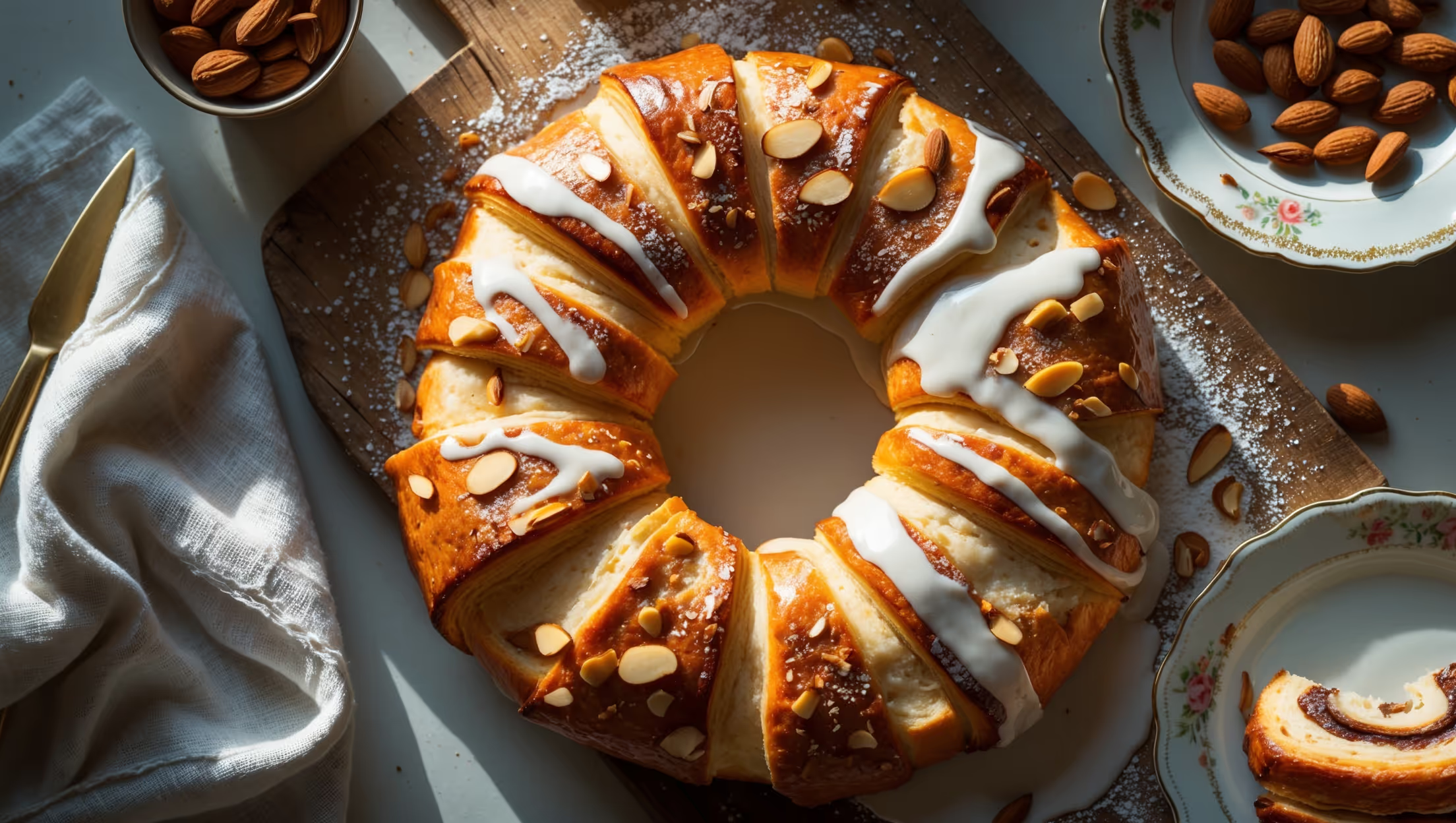
<ol class="no-list-style"><li class="MethodStepper"><h4 class="step-title">Step 1</h4>Begin by making the pastry dough. In a large bowl or food processor, combine the flour and salt. Add the cold butter cubes and cut in using a pastry cutter or pulse in the processor until the mixture resembles coarse crumbs with some pea-sized pieces of butter still visible. This uneven butter distribution creates pockets of steam during baking, resulting in those signature flaky layers.</li><li class="MethodStepper"><h4 class="step-title">Step 2</h4>Mix together the cold water and vinegar in a small bowl. The vinegar helps inhibit gluten formation, keeping your pastry tender. Gradually add this liquid to your flour mixture, stirring with a fork until the dough just begins to come together. It should be shaggy and not completely smooth—this is perfect!</li><li class="MethodStepper"><h4 class="step-title">Step 3</h4>Turn the dough onto a lightly floured surface and gently press it together into a rectangle. Wrap in plastic and refrigerate for at least 1 hour. Cold dough is crucial for maintaining those butter layers that create flakiness.</li><li class="MethodStepper"><h4 class="step-title">Step 4</h4>While the dough chills, prepare your almond filling. In a stand mixer fitted with the paddle attachment, beat together the almond paste and sugar until crumbly. Add the softened butter and beat until light and fluffy, about 3 minutes. The thorough creaming incorporates air, creating a lighter filling texture.</li><li class="MethodStepper"><h4 class="step-title">Step 5</h4>Add eggs one at a time to your filling mixture, beating well after each addition. Mix in the almond extract, then gently fold in the flour until just combined. The flour will help stabilize the filling during baking. Cover and refrigerate until ready to use.</li><li class="MethodStepper"><h4 class="step-title">Step 6</h4>After chilling, roll the dough on a lightly floured surface into a large rectangle about 30×40 cm and 5 mm thick. Work quickly to keep the butter cold. Fold the dough into thirds like a letter, then turn it 90 degrees. Roll it out again and repeat the folding process. This creates even more delicate layers in your pastry. Wrap and chill for another 30 minutes.</li><li class="MethodStepper"><h4 class="step-title">Step 7</h4>Preheat your oven to 190°C and line a large baking sheet with parchment paper. Roll the chilled dough into a rectangle approximately 25×35 cm. Place on the baking sheet and spread the almond filling down the center lengthwise, leaving about 7 cm on each side.</li><li class="MethodStepper"><h4 class="step-title">Step 8</h4>Cut diagonal slits along both sides of the dough, about 2.5 cm apart and 7 cm long. Fold these strips over the filling, alternating sides to create a braided appearance. Shape the dough into an oval or circle by connecting the ends, pinching to seal. This traditional shape is what gives the kringle its distinctive ring appearance.</li><li class="MethodStepper"><h4 class="step-title">Step 9</h4>Bake for 25-30 minutes until golden brown and the pastry is fully cooked. The interior temperature should reach about 90°C when tested with a thermometer. Let it cool on the baking sheet for 10 minutes before transferring to a wire rack to cool completely.</li><li class="MethodStepper"><h4 class="step-title">Step 10</h4>For the glaze, whisk together powdered sugar, milk, and vanilla extract until smooth. Add more milk if needed to reach a thick but pourable consistency. Once the kringle has cooled, drizzle generously with glaze and immediately sprinkle with toasted sliced almonds before the glaze sets.</li><li class="MethodStepper"><h4 class="step-title">Step 11</h4>Allow the glaze to set for about 15 minutes before slicing. Almond Kringle is best enjoyed the day it's made but will keep well covered at room temperature for 2 days, or refrigerated for up to 5 days. The flavor actually improves slightly on day two as the pastry and filling meld together!</li></ol>