
On this page
Putting a plant-based meal on the table for children can be rewarding, but it is not always straightforward. One child wants pasta without sauce; another will eat crunchy carrots but not roasted ones; someone else is suspicious of anything green. The answer is rarely to find a single “magic” recipe that every picky eater loves. A more useful approach is to offer familiar flavours, thoughtful textures, manageable choices, and repeated, pressure-free chances to try something different.
This guide gathers vegan kid-friendly recipes from What’s Baking? that actually use plant-based ingredients, alongside practical ideas for breakfast, lunch, dinner, snacks, and family baking. You'll learn how to adapt presentation without preparing a completely separate meal, how to make food more approachable for selective eaters, and how to think about important nutrients when a child eats a vegan diet. There are also tips for lunchboxes, food allergies, safe food preparation, and cooking together.
A child does not have to finish a plate or enthusiastically try a new vegetable for a meal to be worthwhile. Celebrate curiosity, keep offering a variety of foods, and look at eating patterns across days rather than judging one dinner. The recipes below are possibilities, not guaranteed favourites. Start with what suits your child's age, skills, allergies, and preferences.
The quick-start guide for busy families
- Choose one familiar anchor. Pasta, toast, rice, potatoes, or a favourite fruit can make a new dish less overwhelming.
- Change one thing at a time. Try a familiar noodle shape with a new sauce, not a new noodle, sauce, and topping all at once.
- Offer components separately when useful. A child who dislikes mixed dishes may explore pasta, peas, and sauce more comfortably side by side.
- Serve small starter portions. A tiny taste-sized serving reduces waste and leaves room for seconds if the child wants them.
- Build nutritional variety across the week. Rotate beans, lentils, tofu, fortified plant-based beverages, grains, vegetables, fruit, and fats rather than relying on sweets or one favourite recipe.
- Keep allergies and safety in view. Vegan dishes can contain soy, wheat, peanuts, sesame, or tree nuts; age-appropriate textures and cuts still matter.
- Make mealtimes low pressure. Parents and caregivers offer food and structure; children can decide how much to eat from what is offered.
If you're looking for one easy first project, begin with the Vegan Chocolate Chip Cookies as a supervised baking activity, or the Vegan Mac and Cheese as a family dinner. They serve different purposes: a cookie is a treat and learning experience, while macaroni can be part of a broader meal with vegetables and other foods.
Why picky eating happens—and why pressure seldom helps
Children's food preferences are shaped by taste, smell, colour, texture, temperature, hunger, familiarity, and developmental stage. Selective eating is particularly common in the toddler and preschool years. Some children prefer predictability: the same brand of crackers, the same shape of pasta, or foods that do not touch. Others are interested in bold flavours but strongly dislike mushy or mixed textures. None of that means one recipe can solve every challenge.
The American Academy of Pediatrics' HealthyChildren guidance recommends regular family meals, including at least one familiar food, modelling varied eating, and repeated offers without coercion. A food refused today can be offered again in another form or at another meal. The goal is to build familiarity and trust, not win an argument about three bites of broccoli.
An invitation such as “Would you like your sauce on the pasta or on the side?” provides a real choice without turning dinner into a negotiation. A tiny portion of a new dish beside a preferred food is often more approachable than a full bowl of something unfamiliar. Avoid calling a food “bad,” promising dessert for eating vegetables, or making children responsible for adult anxiety about the meal.
Try to be realistic about time. A child may touch, smell, lick, or simply tolerate a new food on the table before choosing to taste it. Progress can be gradual. If eating is consistently distressing, growth is a concern, or the range of accepted foods is very limited, a paediatric healthcare professional or registered dietitian can offer individual guidance.
What makes a family-friendly vegan recipe work?
A useful family recipe is not defined only by vegetables or by a short ingredient list. It should make sense for the household: affordable ingredients, achievable preparation, understandable flavours, safe textures, and flexible serving options. Familiar formats help. Think pasta spirals, mini sandwiches, bite-size biscuits, muffins, and snack plates with clear components.
Mild does not mean bland. Garlic, cinnamon, vanilla, lemon, and herbs can add flavour without overwhelming heat. Offer chilli sauce, intense spice, or crunchy toppings separately so everyone can personalise their portion. If a child prefers plain food, let the main dish stay simple while adding flavour to adult portions at the table.
Texture matters. One child loves crunchy oven-baked edges; another wants smooth sauces. A lentil sauce may be more welcome when blended, but some children prefer seeing exactly what is in it. Try both presentations instead of assuming that hiding ingredients is the only solution.
Participation matters. Washing berries, tearing lettuce, stirring batter, choosing a pasta shape, or putting toppings onto a plate can create interest. Kitchen work should be appropriate to the child's age and supervised around hot pans, appliances, knives, raw flour, and other hazards.
1. Creamy vegan mac and cheese: The familiar dinner favourite
Make What’s Baking? Vegan Mac and Cheese.
Macaroni is a reassuring format for many children because its shape and texture are familiar. This published recipe uses pasta with a blended sauce of cashews, butternut squash or sweet potato, carrots, nutritional yeast, seasonings, plant milk, and other ingredients. The vegetables contribute colour and body; the nutritional yeast contributes savoury flavour. It is not a 20-minute recipe: the published page lists preparation and cooking times of approximately 20 and 30 minutes, respectively, and the cashews require soaking or boiling as directed.
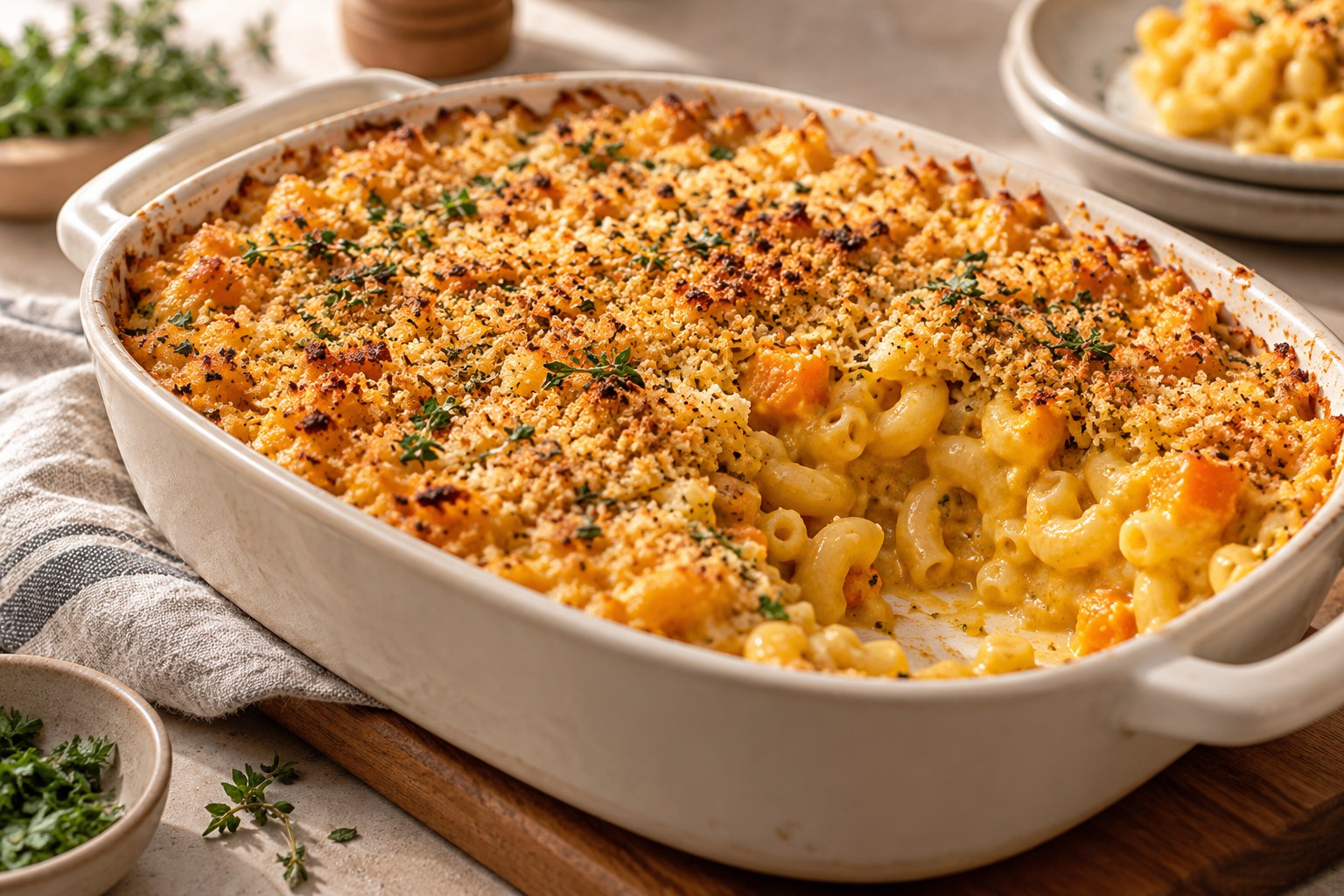
For a child who prefers a very smooth sauce, blend carefully and strain only if needed. Start with sauce lightly coating the pasta instead of pouring on a large amount. Offer peas, steamed broccoli, or sliced cucumber alongside rather than mixing everything together immediately. Older children can help measure the pasta or sprinkle breadcrumbs onto their own serving.
The cashews are a significant tree-nut allergen. Do not describe this particular recipe as nut-free. If your household or school needs a nut-free meal, use a separately tested sauce based on an appropriate alternative; simply omitting the cashews may change thickness and flavour. Check plant-milk and packaged ingredient labels for additional allergens.
Make-ahead idea: Prepare the sauce separately, refrigerate promptly, and cook fresh pasta when practical. A splash of unsweetened plant milk can loosen leftover sauce over gentle heat. Keep the sauce and pasta in separate containers if a child dislikes softened noodles.
2. Vegan gluten-free banana bread: A softer breakfast or snack
Make What’s Baking? Vegan Gluten-Free Banana Bread.
This is a genuinely vegan recipe: it uses ripe bananas, a gluten-free flour blend, a flaxseed-and-water mixture, plant milk, oil, cinnamon, and other pantry ingredients instead of eggs or dairy. Walnuts are listed as an optional ingredient, which is important when baking for a nut-restricted school or household. Always check the actual flour blend and any shared equipment for cross-contact if someone has coeliac disease or a diagnosed allergy.
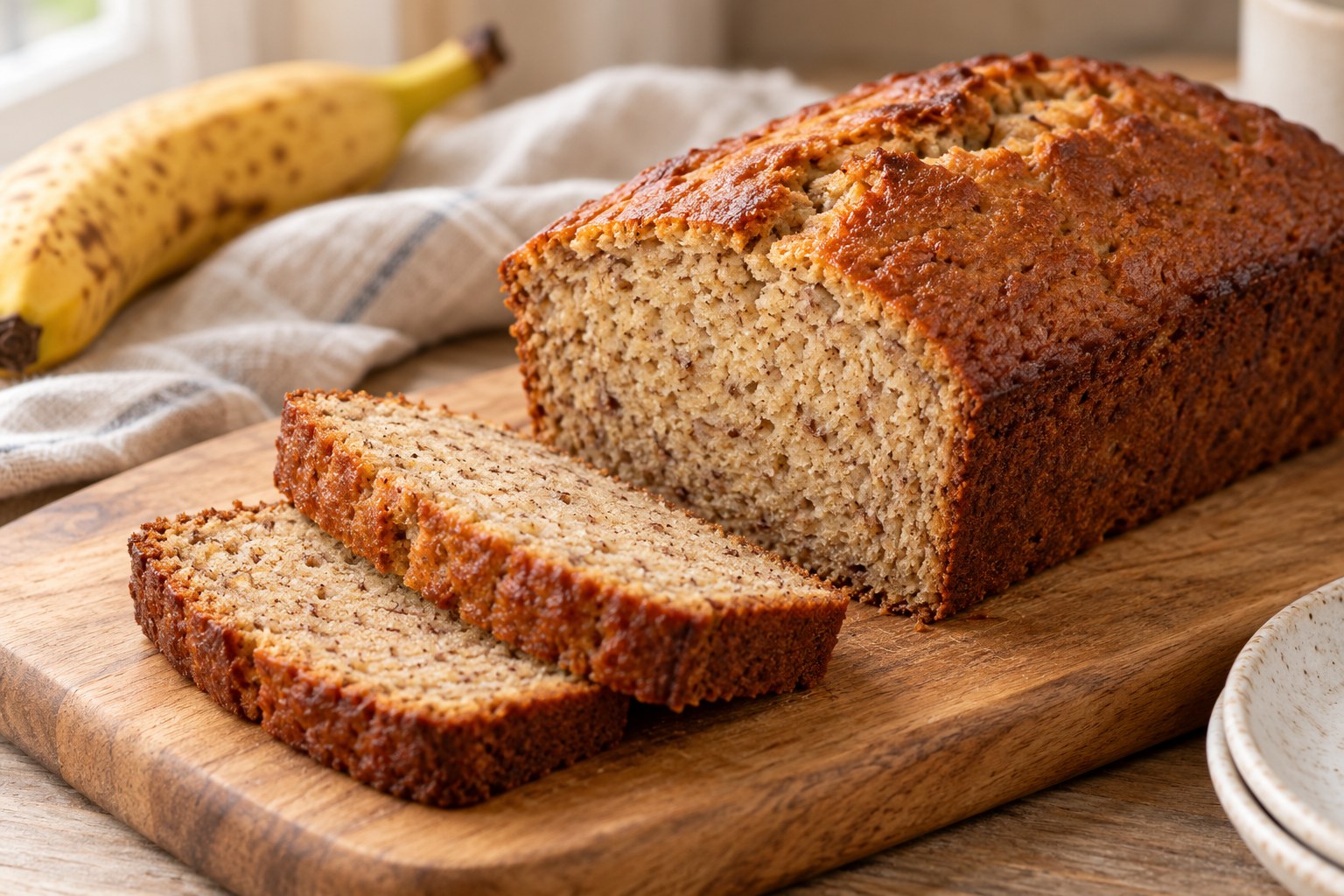
Ripe bananas help bring sweetness, aroma, and moisture; the flax mixture adds binding. The published recipe takes approximately 15 minutes to prepare and 60 minutes to bake, so this is better as a weekend project than a last-minute school-morning bake. Let the loaf cool completely before slicing, otherwise its soft crumb may seem gummy and crumble as you cut it.
Offer a thin slice with a fortified plant-based beverage and fruit at home. For a lunchbox, pack the cooled slice separately from damp produce so the bread stays pleasant. If your child prefers a crisp surface, toast a slice lightly at home. If they enjoy small shapes, cut a cooled slice into manageable strips, adapting the size to the child’s eating skills.
Because this is still banana bread, it should not be treated as the sole source of protein or key nutrients for a day. Pair it with other foods that help round out the meal. Optional nuts require careful attention to allergies and choking risk; whole nuts and chunky hard toppings are unsuitable for young children.
3. Vegan chocolate chip cookies: A familiar baking activity
Make What’s Baking? Vegan Chocolate Chip Cookies.
Cookies can be a welcoming introduction to vegan baking because the techniques are familiar: measure flour, cream softened vegan butter with sugar, add plant milk, fold in chocolate, portion dough, and bake. This recipe includes dairy-free chocolate pieces, cornstarch, and standard baking staples. It does not need an egg to create a satisfying cookie texture when followed as written.
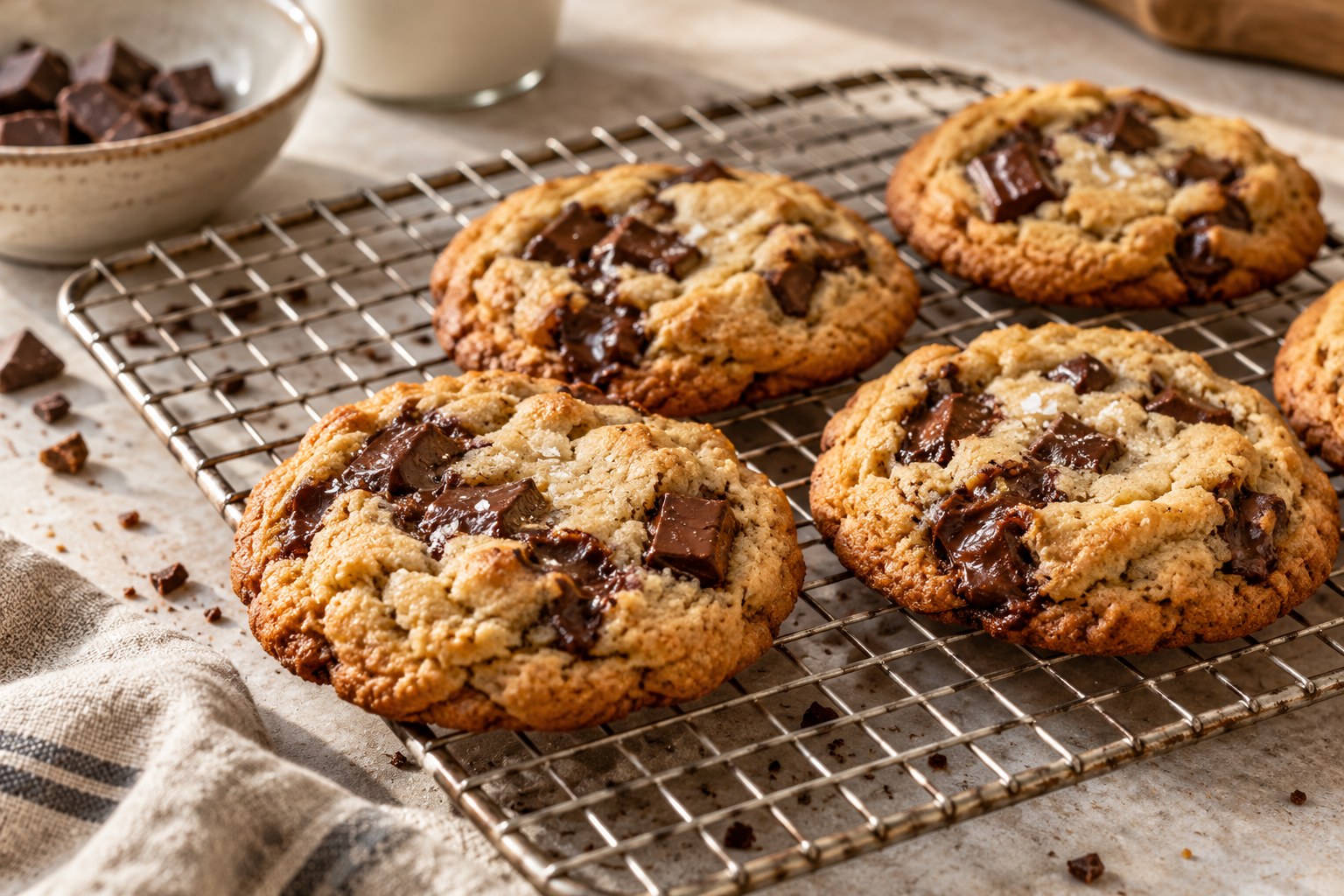
Young bakers can count scoops, line trays, and help choose whether to add a tiny sprinkle of flaky salt, while an adult handles the oven. For children who find mixed textures difficult, make a few cookies with fewer visible chocolate chunks rather than assuming everyone wants the same density of add-ins. Use a consistent scoop size so the batch bakes evenly, and allow the cookies to cool on the tray briefly before moving them.
Nutrition perspective: A cookie is a treat, not a substitute for a varied meal. There is no need to disguise this fact or claim that a cookie is “healthy” because it is vegan. Enjoying occasional sweets in a relaxed way can fit within an overall varied eating pattern.
Allergy check: Vegan does not mean free of wheat, soy, or nuts. Read the vegan-butter and chocolate labels carefully. For school events, follow the school's ingredient rules rather than assuming a homemade plant-based cookie is safe for everyone.
4. Vegan cheesy garlic biscuits: A savoury, shareable side
Make What’s Baking? Vegan Cheesy Garlic Biscuits.
If your family loves garlic bread, these biscuits offer a different, easy-to-portion shape. The published recipe uses flour, cold vegan butter, shredded vegan cheddar-style cheese, unsweetened plant milk, herbs, garlic, and a buttery garlic topping. It is a biscuit, not pizza, and it should not be advertised as “vegan pizza roll-ups.” The recipe lists roughly 15 minutes of preparation and 18 minutes of baking.
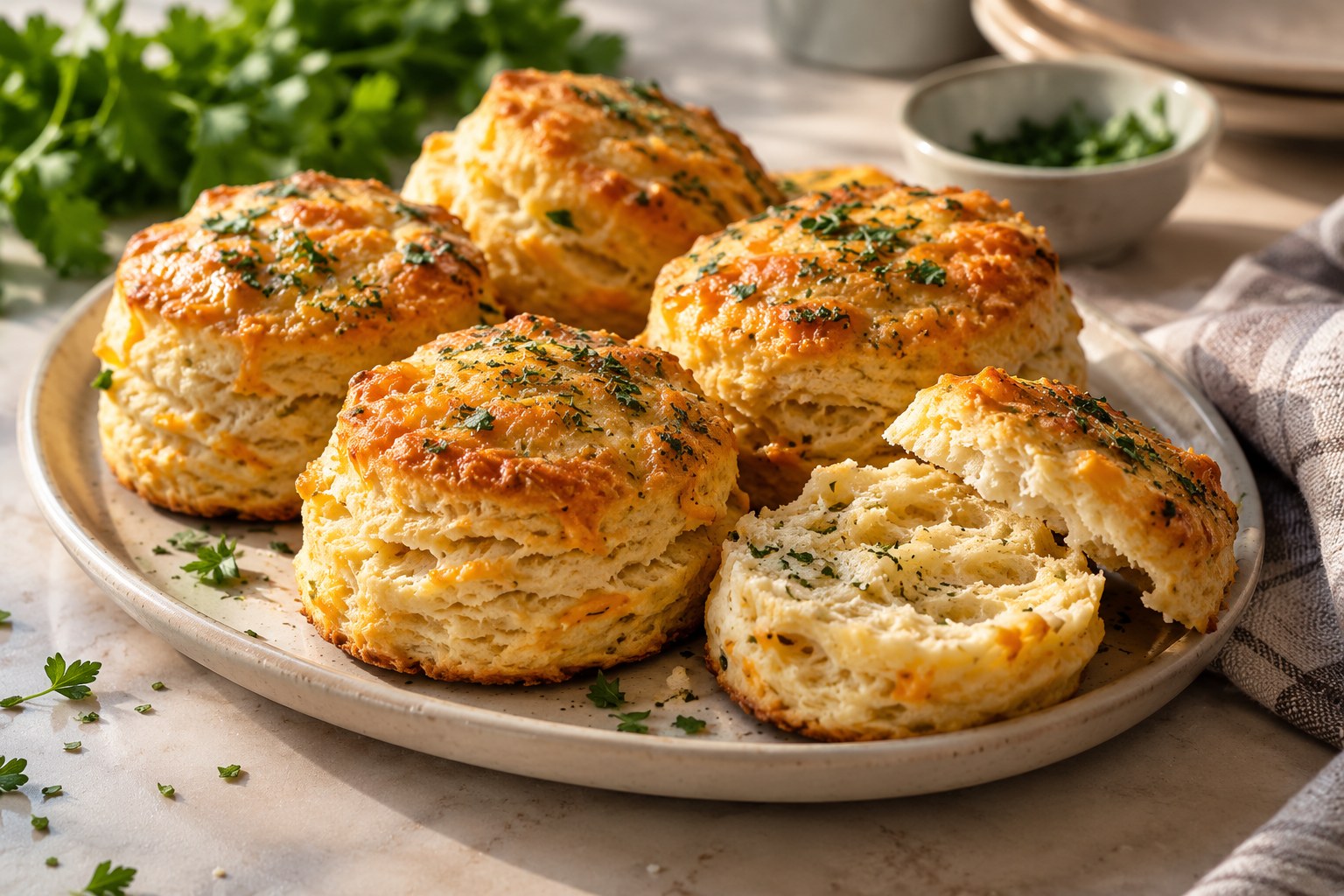
The method depends on handling cold fat gently and avoiding excessive mixing. An adult can cut in the cold vegan butter and manage the oven. Children can help combine dry ingredients, pat portions into shape, or choose a dipping sauce. Serve the biscuits with a bowl of tomato soup, a bean-and-vegetable stew, or mild pasta rather than presenting them as a complete meal on their own.
Try offering one plain biscuit and one lightly brushed with garlic topping. The side-by-side comparison lets a selective eater experience a familiar base and a small flavour variation. For lunchboxes, cool them completely before packing; a sealed container of hot biscuits traps steam and softens their crust.
Packaged vegan cheeses differ considerably in salt, texture, and meltability. Use the recipe's guidance as the starting point and adjust expectations if you change brands. Check labels for soy, coconut, and other ingredients that may affect family allergies or preferences.
5. Vegan peanut-butter banana cake: A dessert, not an oatmeal cookie
Make What’s Baking? Vegan Peanut Butter Banana Cake.
The original article called this link “peanut-butter oatmeal cookies,” but the actual linked recipe is a banana cake with peanut butter and an optional-style cake presentation, including a rich peanut-butter frosting recipe. Calling a cake a cookie would frustrate readers expecting a lunchbox snack. Here it is described accurately as cake and positioned as a dessert or occasion bake.
Bananas, peanut butter, flaxseed, flour, plant milk, and baking ingredients form the cake base. The frosting adds vegan butter, more peanut butter, and powdered sugar. Families can serve small slices at birthdays or as an occasional treat, with fresh fruit available on the table. If you want a simpler snack, use the vegan banana bread above rather than implying that this frosted cake has the nutrition profile of a bowl of oats.
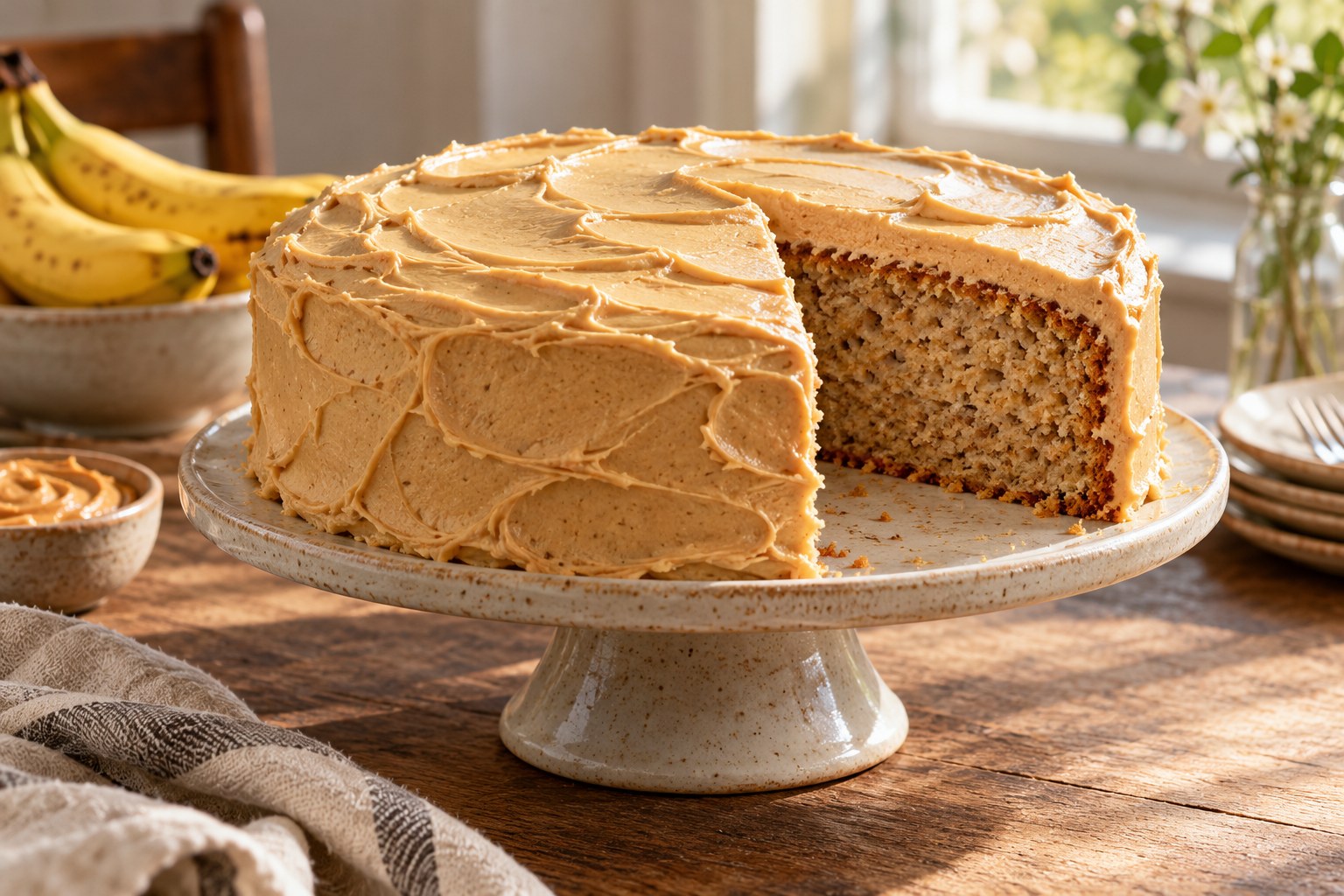
Important: This recipe contains peanuts. Substituting sunflower-seed butter is not a verified one-for-one adaptation of this published cake, especially because it may change colour, flavour, and consistency. For someone with a peanut allergy, choose a tested peanut-free recipe and follow professional allergy-management advice rather than experimenting in a shared kitchen.
Children can help mash bananas, prepare a paper cake decoration, or scatter a safe, age-appropriate topping after the cake has cooled. Keep raw batter tasting off the menu: raw flour can carry germs, even in an egg-free batter.
6. Strawberry shortcake cupcakes: A colourful baking project
Make What’s Baking? Vegan Strawberry Shortcake Cupcakes.
These cupcakes use a plant-milk-and-oil cake base with strawberries and a coconut whipped topping. They are vegan as written and work especially well when strawberries are in season. Their bright fruit topping makes them visually appealing without relying on complicated decorations or artificial colours.
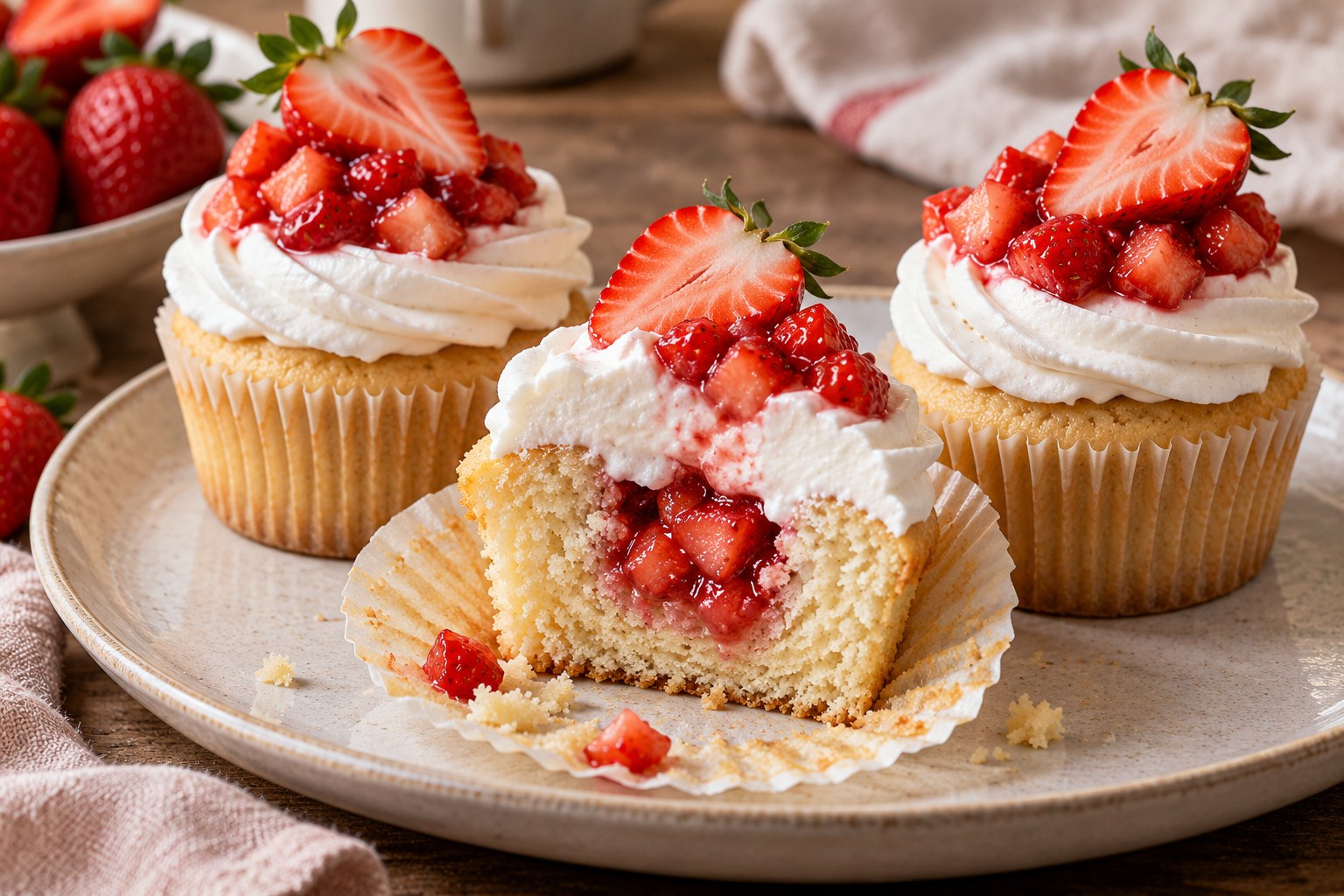
For baking with children, separate the tasks: an adult manages hot pans and the oven, while a child can help wash strawberries, count paper liners, mix the dry ingredients, or spoon on the cooled fruit topping. The recipe includes coconut milk for whipped cream. Chill the coconut milk as instructed and build the cupcakes close to serving time so the topping stays neat.
Let children choose whether they want fruit on top, on the side, or gently mashed into a spoonable sauce. These options preserve the recipe idea while respecting texture preferences. Serve cupcakes as a celebratory dessert, not as proof that children have eaten enough fruit for the day.
7. Optional older-child project: Turtle-shaped matcha cookies
See What’s Baking? Vegan Turtle-Shaped Matcha Cookies.
The published turtle-shaped cookies are genuinely vegan and visually playful. However, they contain matcha, a caffeinated powdered green tea. They are not my first recommendation for toddlers or young children. For young bakers, consider a simpler caffeine-free cookie project instead, such as the vegan chocolate chip cookies above, shaped or decorated in an age-appropriate way.
For an older child or family that already uses matcha in baking, review the recipe and caffeine considerations with their caregiver before choosing it. Matcha's grassy, slightly bitter flavour may also be less familiar than vanilla or chocolate. Never assume that something is especially good for children simply because it is green or plant-based.
The real useful idea here is hands-on shaping. You can create a similar creative activity with a separately tested, caffeine-free dough rather than changing the published matcha formula and claiming identical results.
How to build a satisfying vegan meal without making three dinners
Start with a familiar format and add components that provide energy, protein, and variety. For example, a bowl might include rice, tofu or beans, a vegetable, and a sauce. Serve components separately if that makes them easier to explore. A pasta dinner can include macaroni, a plant-based sauce, vegetables on the side, and fruit. A sandwich plate can include hummus, safe-to-eat sliced vegetables, fruit, and whole-grain bread.
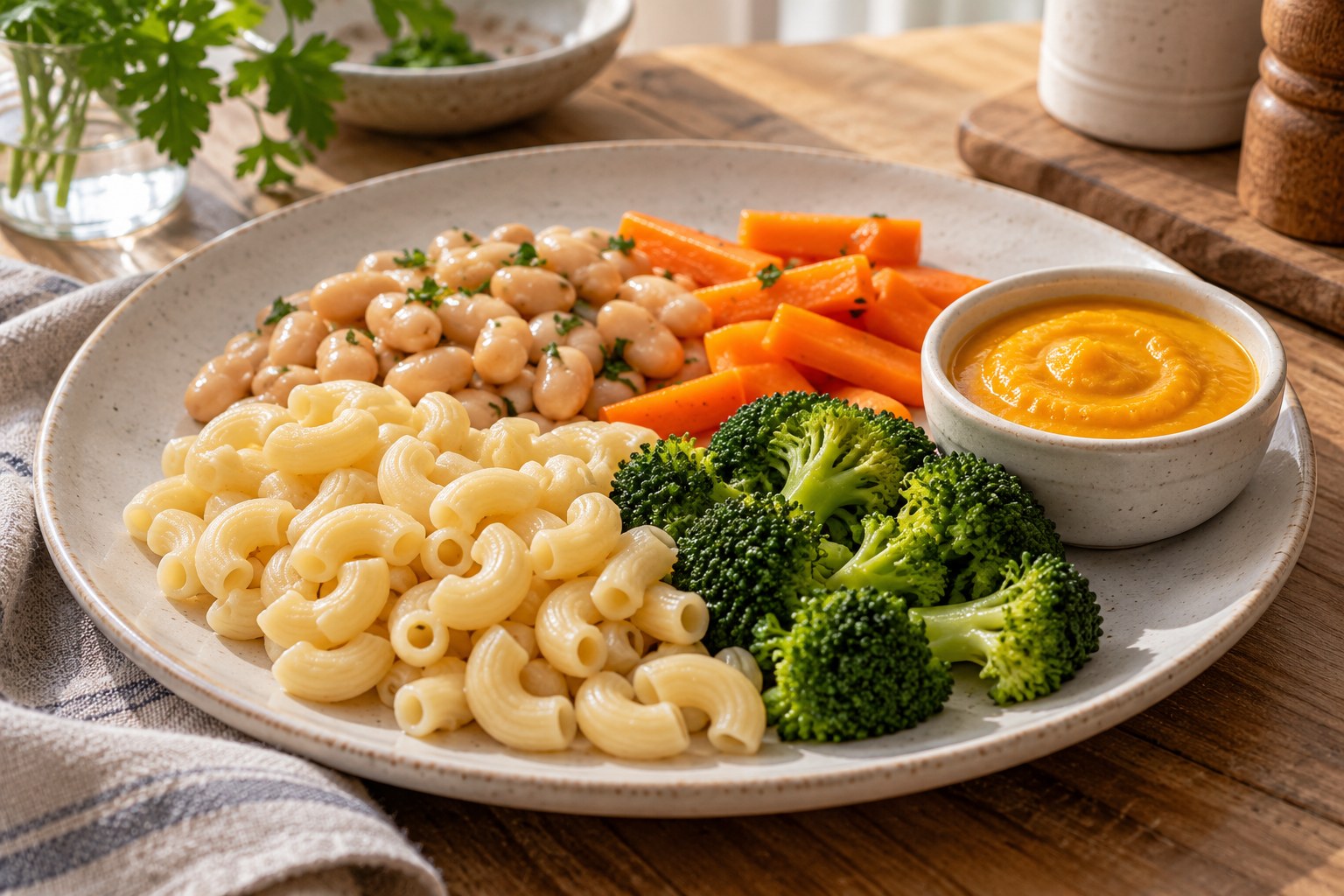
You do not need to put every nutrient in every bite. Across meals and snacks, make room for foods such as beans, lentils, chickpeas, tofu, soy foods, nut or seed spreads where safe, whole grains, fruits, vegetables, and fats. Include sources of iron and calcium, and pay particular attention to vitamin B12 and vitamin D when a child's entire diet is vegan.
A quick serving formula is one familiar food + one protein-containing food + a fruit or vegetable + an optional dip or topping. These are flexible categories, not rules for exact portions. A toddler, preschooler, and teenager have very different energy needs and eating skills, so use age-appropriate guidance rather than a fixed plate size.
A pasta plate might be macaroni and plant-based sauce, white beans offered separately, and cucumber slices. A lunch might be a hummus sandwich, softened or appropriately cut vegetables, and fruit. Breakfast might pair banana bread with a fortified soy beverage or another suitable protein source. Adjust the examples to actual preferences, school rules, and allergies.
Seven practical meal combinations for a family week
The following is a flexible inspiration plan, not a prescribed diet or claim that these foods alone meet a child's nutrition needs. Repeat familiar elements, add suitable snacks and other meals, and keep portions responsive to appetite.
Monday: Macaroni night
Make the verified vegan mac and cheese. Offer sauce on the side for anyone who wants to control how much goes on their noodles. Add a simple vegetable plate and a familiar fruit. Store leftovers promptly in a shallow covered container and reheat until thoroughly hot, following food-safety guidance.
Tuesday: A build-your-own rice bowl
Serve rice with cooked lentils or tofu, soft-cooked vegetables, and a mild dressing. Put ingredients in separate bowls so children can choose the arrangement. If tofu is new, offer one small piece alongside a preferred protein-containing food instead of requiring an entire tofu-based meal.
Wednesday: Soup and savoury biscuits
Pair tomato-and-bean soup or another family-approved plant-based soup with the vegan cheesy garlic biscuits. A child who dislikes dipping can keep the soup and biscuit separate. Freeze extra baked biscuits when appropriate, following safe cooling and storage practices.
Thursday: Baked potato bar
Bake potatoes and put soft beans, cooked corn, chopped vegetables, plant-based toppings, and sauces into individual dishes. Children can start with a plain potato and explore one addition. This is also a useful way to serve everyone the same basic meal without expecting identical toppings.
Friday: Familiar sandwich night
Offer sandwiches made with a suitable spread, hummus, or mashed chickpeas, plus age-appropriate vegetables and fruit. If a child dislikes mixed sandwiches, serve the bread, filling, and sides separately. Check that hummus or other dips do not contain an allergen that must be avoided.
Saturday: Bake together
Prepare the vegan chocolate chip cookies or gluten-free banana bread as a shared project. Let a child choose a task they can safely complete. Enjoy the finished baking alongside regular meals rather than making sweets a reward for vegetables.
Sunday: Prep one thing for the week ahead
Wash produce, cook a grain, prepare a dip, or bake a batch of biscuits. Avoid an exhausting all-day production plan. A small amount of reliable prep often makes Monday easier than seven elaborate meals that sit in the fridge for too long.
Breakfast ideas when mornings are rushed
A good breakfast does not need to look like a traditional cooked breakfast. Toast with a thin layer of suitable seed or nut butter, fruit, and a fortified plant-based beverage may work for one family. Another might prefer overnight oats, reheated porridge, or a portion of the vegan banana bread paired with another food. For a child who prefers savoury flavours, breakfast could be leftovers from dinner, such as a small bean-and-rice bowl.
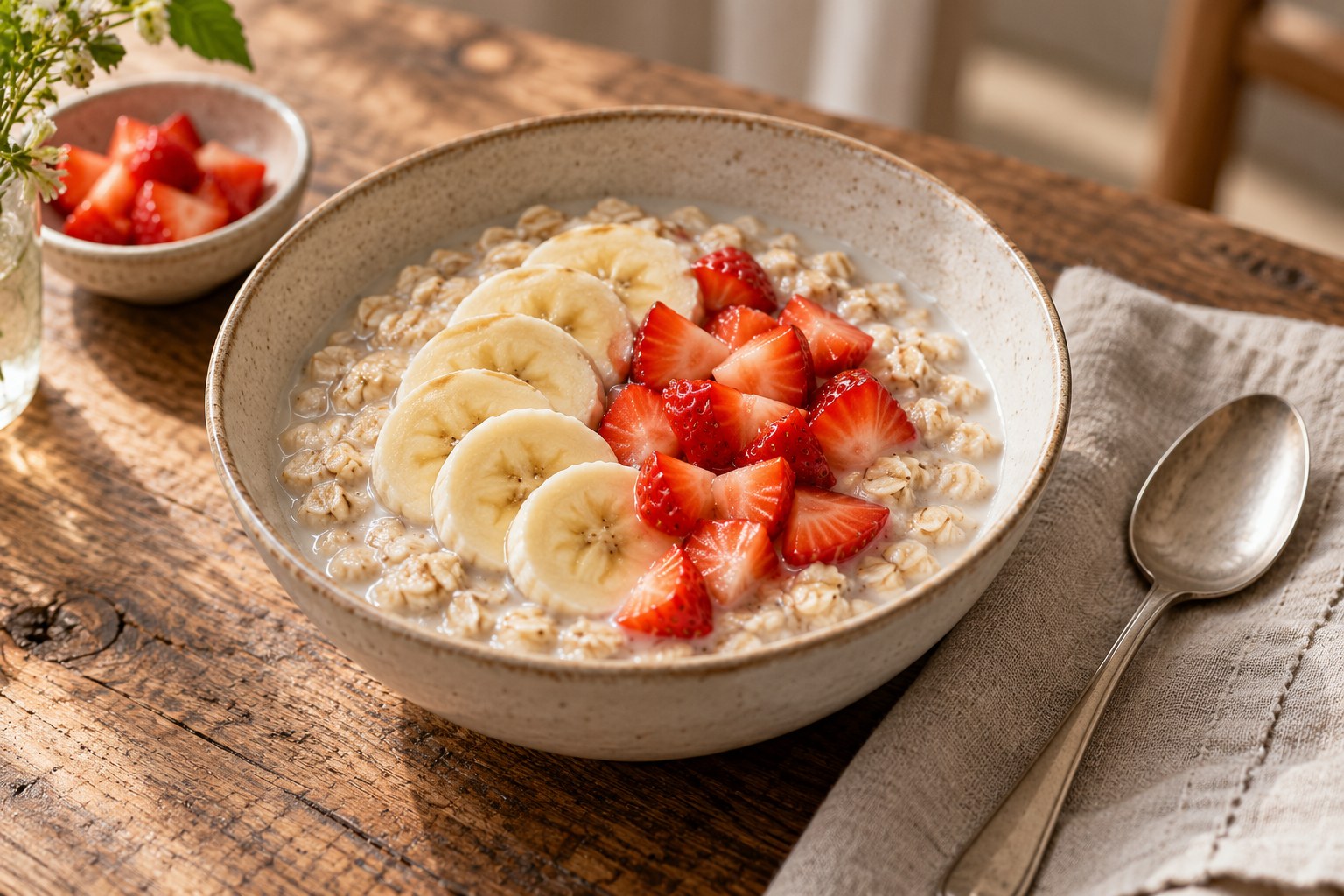
Prepare what you can the night before: wash fruit, portion dry oats, or set out plates and utensils. Keep cold ingredients refrigerated. A child who dislikes warm oatmeal might enjoy it cooled; another may prefer oats baked into a soft bar or loaf. Adjust texture without telling the child that their preference is wrong.
Smoothies can be useful for some families but should not be assumed to replace the experience of eating varied foods. Blend fruit with an age-appropriate fortified beverage and consider a suitable protein-containing ingredient, being careful with allergies. If a child strongly dislikes smoothies, there is no need to force them.
Lunchbox ideas that travel well
Pack food a child can realistically eat in the time available. A beautiful, complicated lunchbox is not useful if the child cannot open its compartments, is uncomfortable with the textures, or faces an unfamiliar meal during a busy school day. Ask what actually came home uneaten without criticism, and use that information to adapt the next lunch.
Start with reliable building blocks: a familiar sandwich, an appropriate plant-based protein or spread, cut fruit, manageable vegetables, and an optional treat. Banana bread and cooled savoury biscuits can be packed as part of a varied lunch. Cookies can be an occasional extra. A thermos can work for suitable hot meals if used according to its manufacturer’s instructions, and cold perishable foods need an insulated lunch bag and properly conditioned ice packs as applicable.
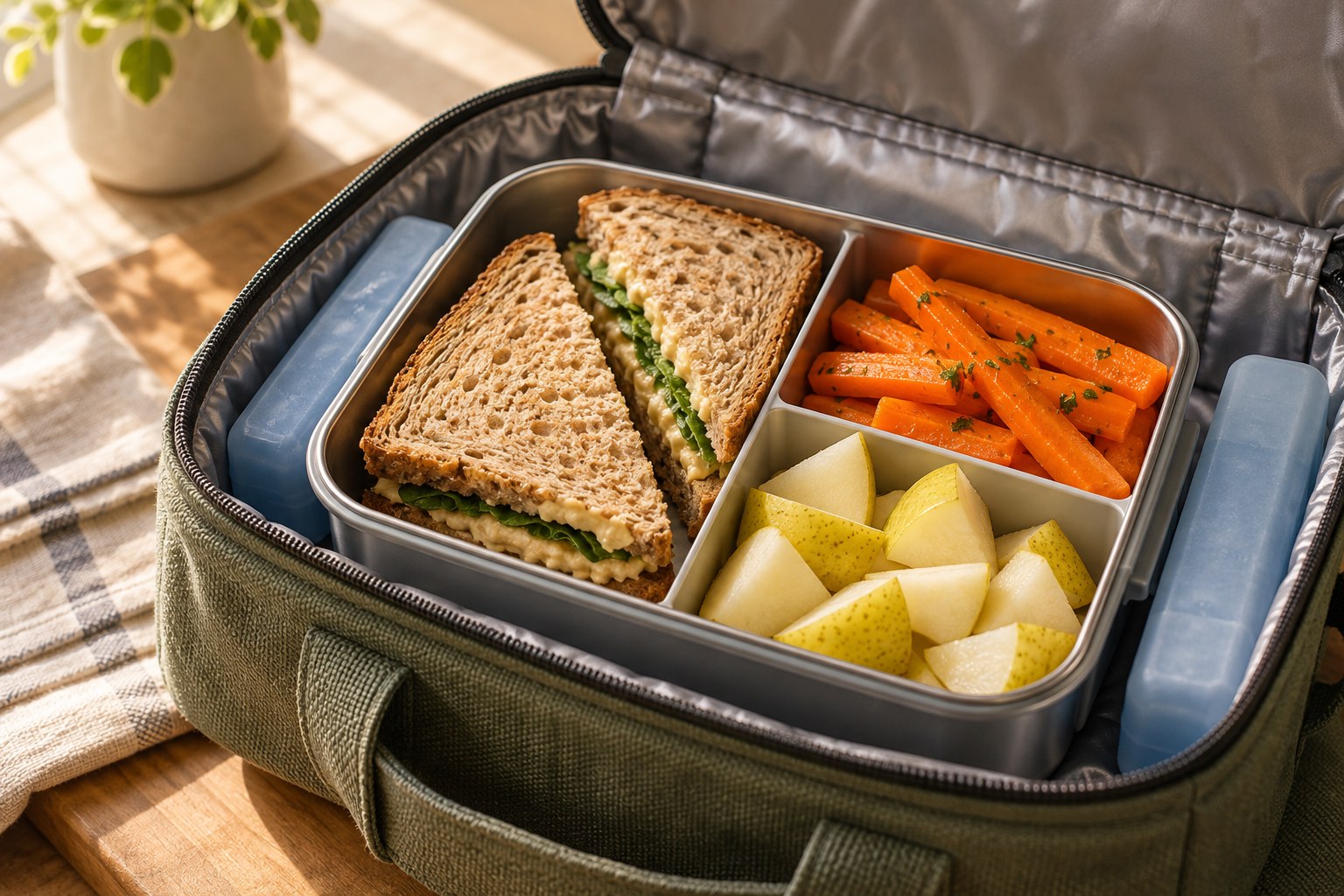
Check your school's peanut, tree-nut, sesame, and other allergy restrictions. Remember that a vegan recipe may still contain these ingredients. Read packaged-food labels for the exact brand purchased, and be mindful of cross-contact when preparing food for someone with a confirmed allergy.
For younger children, cut foods safely: whole grapes, hard raw carrot rounds, whole nuts, chunky nut-butter spoonfuls, and similarly risky textures can be choking hazards. The same food may need different preparation for a preschooler than for an older child. Eating should take place seated and supervised as appropriate, not while running or playing.
Should you hide vegetables in children's food?
Blending vegetables into a sauce can be a practical cooking technique. Squash adds colour and body to the verified vegan mac and cheese, and mashed banana adds moisture to baked goods. But hiding every new ingredient can create mistrust if a child later discovers a food they did not know was there, particularly when allergies or sensory sensitivities are involved.
A balanced approach is to be straightforward and calm. You might say, “The orange sauce has squash and carrots; would you like to try a little on the side?” A child may not love the idea immediately, but transparency helps build food literacy and trust. You can still make a smooth sauce because the texture is appealing, not because you need to trick someone into eating it.
Use visible vegetables too. Offer a small carrot stick prepared safely, a few peas, or a spoonful of roasted squash next to a familiar food. Touching, smelling, or ignoring it today can be part of a gradual learning process. The point is not to count hidden spinach leaves, but to help children encounter foods in different low-pressure ways over time.
Texture, temperature, and presentation: Small changes that matter
For children who avoid mushy food
Keep sauces separate, toast bread lightly, and serve toppings immediately before eating. A crispy biscuit alongside soup may be more appealing than a biscuit soaked in the bowl. For roasted vegetables, do not store them covered while steaming hot, because trapped moisture softens the surface.
For children who dislike crunchy edges
Offer the softer centre of a loaf or a well-cooked vegetable rather than insisting that crispness is better. A smoother sauce may be easier than whole visible beans. The correct texture is the one that is both safe and manageable for that individual child.
For children who want predictable foods
Keep some elements constant: the same plate, a familiar pasta shape, or a known seasoning. Introduce one change while leaving other parts recognizable. Mention what will be different before serving it, without making promises that it tastes exactly like dairy cheese or traditional cake.
For children who are sensitive to colour
Use naturally colourful produce as an invitation, not a test. Put fruit or vegetables in small groups, or allow different foods to occupy different sections of a plate. A child who rejects green sauce may be willing to try the identical ingredients served differently at another time, but you should not present that as guaranteed.
For children who want to help
Give a job with a beginning and an end: “Can you put four paper liners into the tin?” or “Would you like to stir the cinnamon into the dry ingredients?” Concrete tasks build confidence without requiring a child to eat what they prepared.
Cooking with children: Age-appropriate jobs
Younger children can help rinse sturdy produce under supervision, move napkins to the table, tear soft lettuce, choose a fruit, or put paper liners into a muffin tin. Avoid tasks involving raw flour dust, hot liquid, sharp utensils, or small choking hazards. An adult stays responsible for safety and food handling.
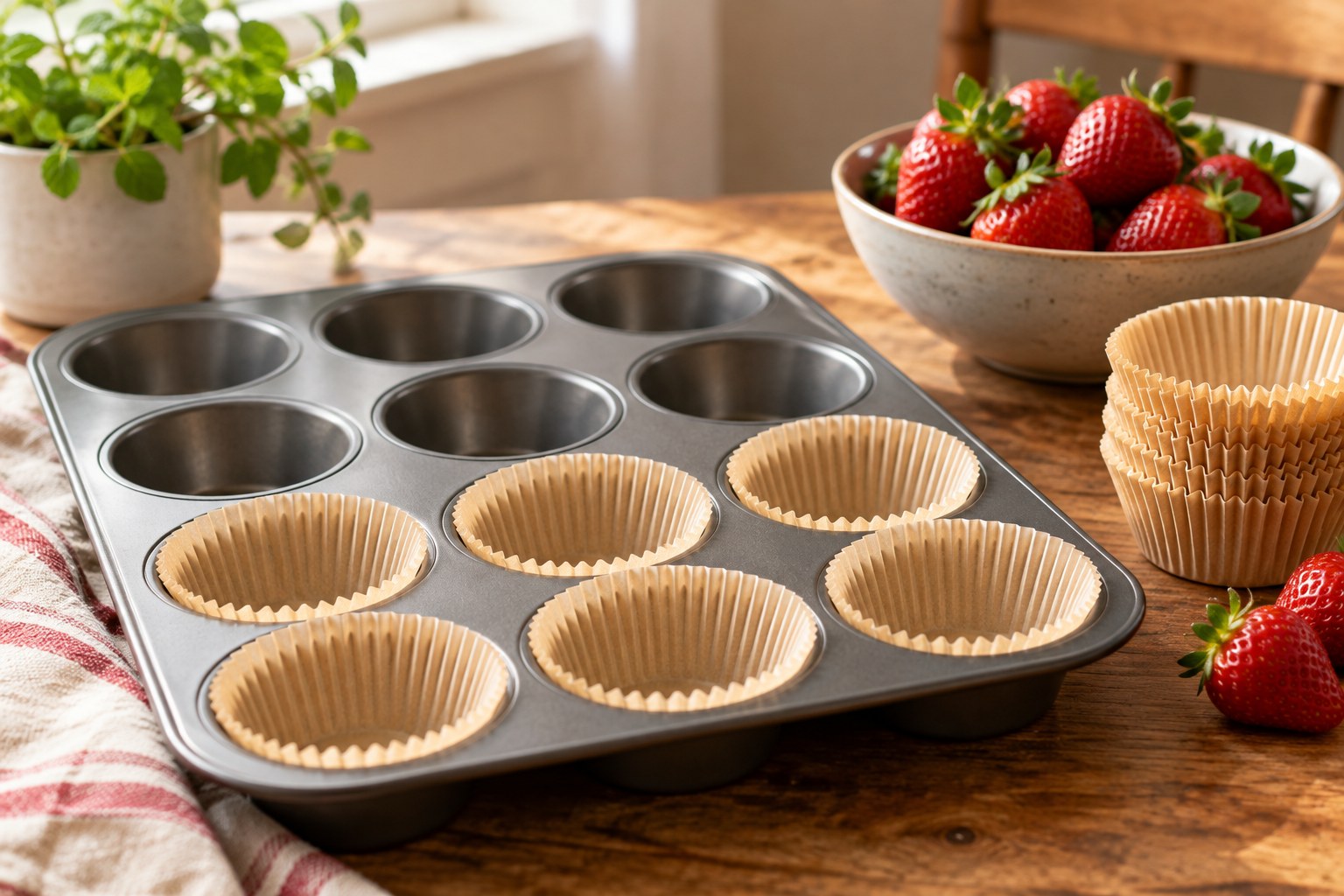
School-age children may be able to measure ingredients, mash bananas, stir cool mixtures, shape biscuits, and read the next step. Teach handwashing, cleaning surfaces, and staying away from hot oven doors. Do not allow tasting raw dough or batter simply because a recipe has no eggs; flour itself is a raw ingredient.
Older children and teens can participate in planning a menu, reading labels, comparing recipes, building a shopping list, and progressively learning appliance skills with suitable supervision. They can learn why cashew-based sauce differs from dairy cheese, or how plant milk changes batter consistency. Keep the process collaborative instead of using food preparation as a way to pressure them to eat.
Give children some choices, but keep them reasonable. “Should we bake the banana loaf or cookies on Saturday?” is easier to answer than “What do you want to eat for the entire week?” Involvement works best when it is an invitation and not a demand.
Nutrients to consider in a fully vegan child's diet
A well-planned vegan pattern requires attention to specific nutrients, particularly for growing children. This article offers general food information, not an individual nutrition plan. If a child eats entirely vegan or has significant food restrictions, ask a registered dietitian or paediatric clinician for age-specific advice, including whether a supplement is appropriate.
Protein and adequate energy
Foods such as soy products, beans, lentils, chickpeas, tofu, nut or seed products where safe, and grains can contribute protein across the day. Growth also depends on adequate overall food and energy intake, not protein alone. Children have different needs at different ages; avoid imposing adult dieting rules or unnecessary low-fat restrictions on a child.
Iron and zinc
Plant-based iron and zinc sources include legumes, tofu, whole grains, nuts, and seeds where safe. Pairing iron-containing foods with sources of vitamin C—such as strawberries, citrus, peppers, or other fruits and vegetables—can help support absorption of non-heme iron. Children with limited food variety may need individual assessment rather than a generic “superfood” solution.
Calcium and vitamin D
Calcium-set tofu, some leafy greens, and appropriately fortified plant-based beverages can contribute calcium. Vitamin D may need deliberate attention through fortified foods or a professionally recommended supplement. Read labels rather than assuming all plant milks provide the same nutrients.
Vitamin B12
Vitamin B12 is a critical consideration in fully vegan diets because reliable natural plant sources are lacking. Fortified foods may contribute, but the amounts and the child's actual intake matter. Get professional advice on a reliable age-appropriate B12 source rather than assuming that nutritional yeast, fermented food, or an occasional fortified drink will be sufficient.
Plant-based beverages for children
Canada's dietary guidance notes that fortified soy beverages typically provide more protein than many almond and oat beverages. Other fortified plant drinks may still have a role, but they are not automatically nutritional equivalents. The choice and amount depend on the child's age and overall diet. For infants and young toddlers, do not replace breast milk or appropriately indicated infant formula with ordinary plant beverages without qualified medical guidance.
Omega-3 fats and varied foods
Ground flaxseed, chia, walnuts where safe, and certain plant oils can provide alpha-linolenic acid (ALA), a type of omega-3 fat. Different people may have different needs and dietary gaps. A dietitian can help families assess whether additional sources or supplements warrant consideration. Choose age-appropriate forms and avoid whole nuts or seeds for young children at choking risk.
Useful references: Health Canada: considerations for vegetarian diets and Health Canada: nutrition considerations for children and adolescents.
School allergies, gluten-free needs, and food safety
“Vegan,” “allergy-friendly,” and “gluten-free” are not interchangeable labels. The vegan mac and cheese contains cashews; the peanut-butter banana cake contains peanuts; the garlic biscuits and chocolate chip cookies use wheat flour. Some recipes include soy or ingredients made in facilities that handle other allergens. Check individual ingredient labels and avoid offering unverified substitutions to someone with a diagnosed food allergy.
A gluten-free-labelled dish also requires appropriate ingredient sourcing and preparation. A recipe that calls for gluten-free flour is not automatically safe if toppings contain gluten or kitchen tools are contaminated. For coeliac disease, use the advice supplied by the family's medical team and choose certified or otherwise appropriate ingredients.
Cook and cool foods safely. Place perishable leftovers in the refrigerator promptly, divide larger batches into shallow containers for faster cooling, and follow Canadian food-safety guidance for storage and reheating. Keep hot and cold lunch foods at appropriate temperatures. When in doubt about how long food has been left unrefrigerated, prioritise safety rather than trying to rescue it for the next day.
For younger children, choking risk depends on shape, size, hardness, and stickiness, not whether food is vegan. Prepare grapes, raw carrots, nut or seed products, and similar foods in age-appropriate ways. Avoid giving young children large spoons of sticky nut butter. Refer to Health Canada's infant-feeding and choking guidance for more detail.
Budget-friendly vegan family cooking
A plant-based family menu can be economical when built around pantry basics, but specialty vegan cheeses, packaged snacks, and convenience products may be expensive. Use dried or canned beans, lentils, oats, rice, potatoes, seasonal produce, and frozen vegetables as the backbone of meals. Compare the price per unit and choose ingredients that can work in several dishes.
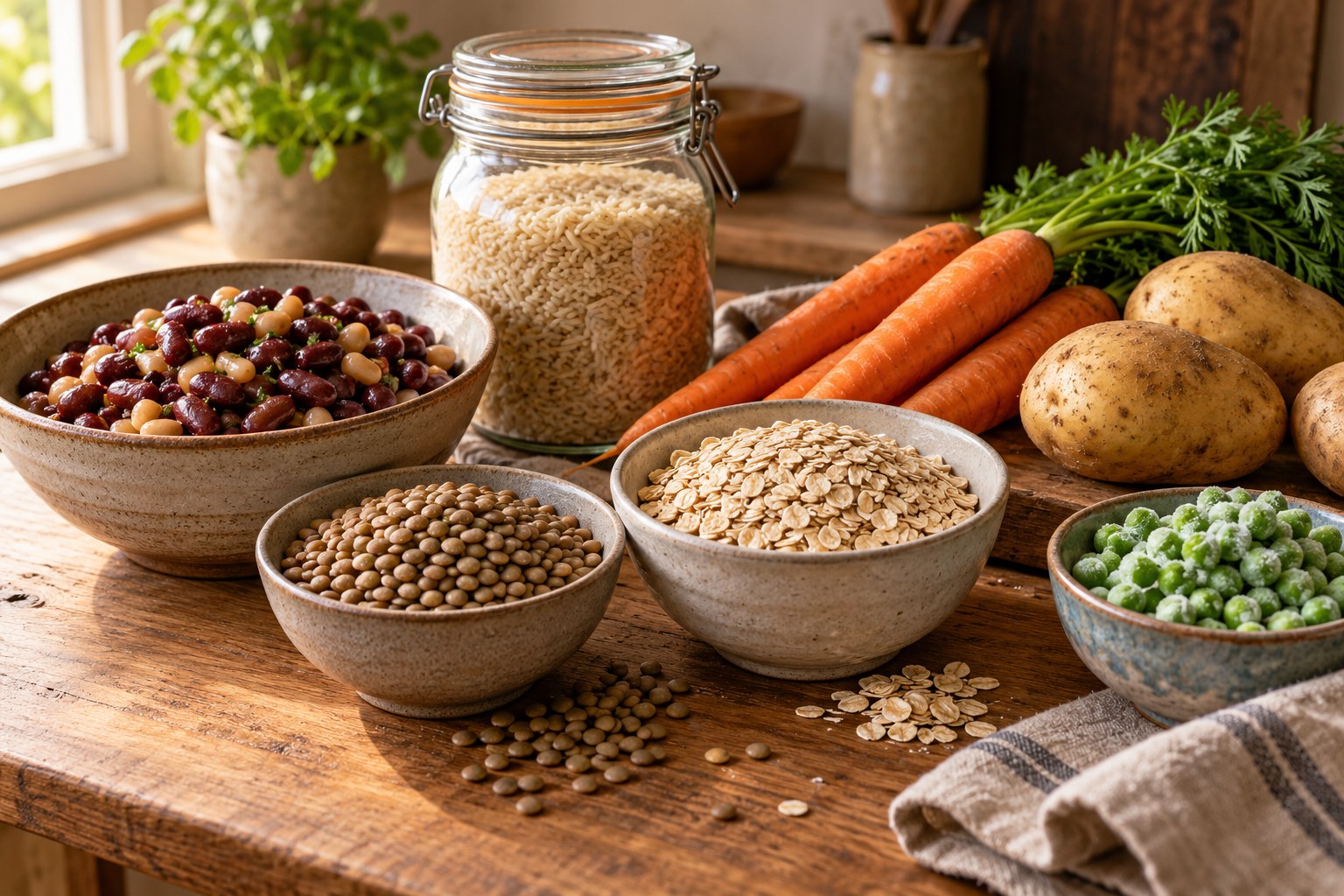
For example, a bag of oats can become breakfast porridge, a topping, or part of a homemade baked item. A batch of lentils can supply filling for a rice bowl or a hearty sauce. A container of frozen peas works as a quick pasta side, a soup addition, or a colourful plate component. These flexible ingredients help avoid buying one expensive item for every recipe.
Specialty foods still have their place. A good vegan cheese can make an occasional favourite meal fun, and dairy-free chocolate is useful when baking cookies. Budget intentionally instead of assuming that every vegan replacement must be purchased. Choosing simple ingredients can also make ingredient labels easier to understand.
How to plan a small weekend prep session
Start with one recipe you already know your family will eat. Add one optional new food rather than making five unfamiliar recipes. Check the fridge and pantry before shopping; decide which parts can be washed, chopped, mixed, frozen, or prepared fresh. Put perishable foods away promptly after preparation.
A reasonable session might be: wash berries, cook a pot of grains, prepare a container of cooked beans or lentils, and bake a banana loaf. On the next day, all you may need is fresh vegetables or a reheated sauce. Avoid cooking a week's worth of perishable meals and assuming they will stay safe indefinitely; freeze suitable portions or prepare the later-week meals closer to serving.
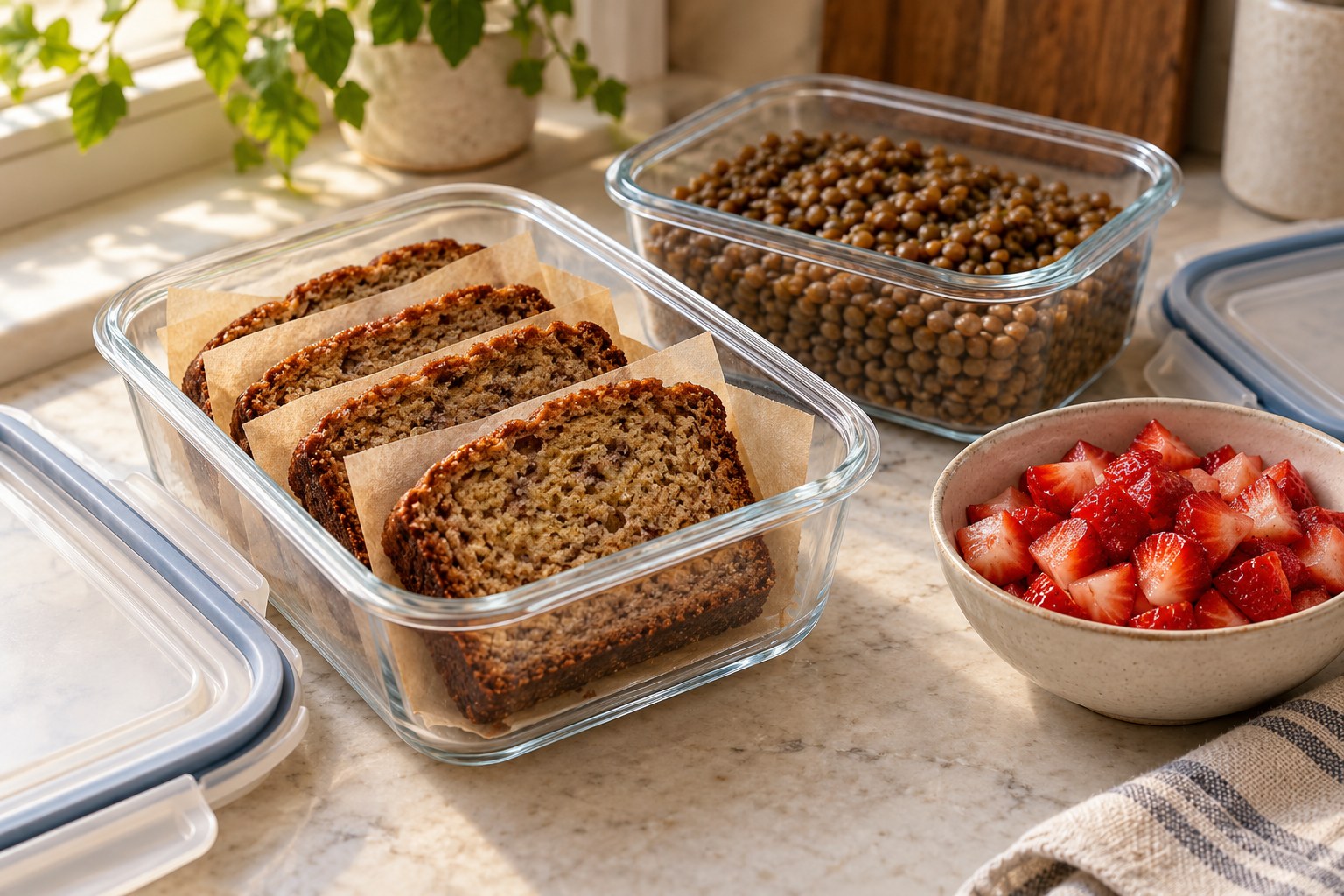
Keep a short note of what worked. Was the sauce too thick? Did the child prefer a biscuit without garlic topping? Did the cupcake fruit topping make a lunchbox too wet? These observations help improve future meals more than chasing a fresh set of elaborate recipes each week.
If your household has mixed dietary preferences, build meals from shared components. A pasta bar, baked potato night, or rice-bowl assembly makes it easier for one person to choose vegan toppings while another chooses different components. The child still sees a common family meal, and adults can model varied eating without making someone's plate the centre of attention.
Troubleshooting common family-meal challenges
My child says a vegan sauce tastes different from cheese
They're noticing a real difference. Cashew, squash, and nutritional yeast do not taste identical to dairy cheese. Describe the sauce accurately, try a smaller amount, serve it separately, or choose a different familiar plant-based dish. Avoid promising an exact replica when it is not one.
My child eats bread and fruit but refuses beans
Keep offering a small amount of bean-based food in a low-pressure setting, while maintaining other suitable protein sources the child already accepts. Hummus, mashed beans, whole cooked beans, and lentil sauce have different textures. Which one is acceptable may change. If the diet remains extremely narrow, speak with a healthcare professional.
My homemade banana bread is dense or gummy
Check the gluten-free flour blend, measure by weight when possible, use the correct amount of banana, and bake fully according to the linked recipe. Let the loaf cool before slicing. Changing several ingredients at once can make it difficult to identify the problem. Do not assume every gluten-free flour blend behaves the same way.
The vegan cheese or sauce separates when reheated
Heat gently, stir, and add a small quantity of suitable plant milk if needed. Some starch-thickened sauces become overly thick or grainy after chilling. Make fresh pasta and reheat sauce separately when possible, while ensuring any leftover food is reheated safely.
My child asks for the same meal every day
Keep a reliable favourite in rotation while offering variety elsewhere. You could serve the same pasta with a familiar fruit one day and a new vegetable on the side another. A repeated anchor food can make experimentation easier rather than preventing it.
A recipe seems “healthy” because it is vegan, but mostly consists of sugar and flour
Plant-based treats can be delicious, but vegan is an ingredient category, not a guarantee of nutrient density. Use cakes and cookies as desserts or snacks, and build other meals around a wider range of foods. Avoid nutrition claims unsupported by an actual recipe analysis.
Everyone wants a different texture
Serve sauces and toppings separately, and offer a mixture of soft and crisp components when practical. A child who dislikes the surface of a biscuit may prefer its softer centre. A child who dislikes mixed macaroni may enjoy plain noodles beside the sauce. These adjustments often require less extra cooking than preparing a different meal.
Frequently asked questions
What are the best vegan recipes for picky eaters?
There is no universal winner, but familiar formats such as macaroni, banana bread, mild biscuits, simple rice bowls, and fruit-topped cupcakes may be easier starting points than unfamiliar mixed dishes. Choose according to the child's preferences and offer new foods without pressure. For an existing verified What’s Baking? starting point, try the vegan mac and cheese or banana bread linked above.
Can children eat a fully vegan diet?
A vegan diet can be planned, but children's requirements for energy and nutrients are specific to their age and growth. Vitamin B12, iron, calcium, vitamin D, zinc, and adequate energy and protein deserve attention. Consult a registered dietitian or paediatric healthcare provider for individual planning, particularly for young children or those with food restrictions.
Are vegan recipes automatically nut-free or gluten-free?
No. Plant-based recipes may contain cashews, peanuts, soy, sesame, wheat, and other allergens. A gluten-free recipe may still contain nuts, and a nut-free recipe may contain gluten. Read the entire ingredient list and packaging, and account for cross-contact when needed.
How do I make vegetables more appealing without hiding them?
Offer familiar shapes, small amounts, dips or sauces on the side, and chances to explore vegetables during low-pressure meals. Some children like raw crunch; others prefer cooked softness. Let them help choose or prepare produce, and keep expectations realistic. Repeated exposure can help over time but is not a guaranteed quick fix.
What vegan snacks can I pack for school?
Possible options include appropriate fruit, vegetables, sandwiches with suitable fillings, cooled banana bread, savoury biscuits, or an occasional cookie. Match the food to the child's age, allergies, school rules, and safe storage needs. Use an insulated bag or suitable container for perishable items.
How can I make a meal higher in protein without protein powder?
Use ordinary protein-containing foods such as tofu, lentils, beans, chickpeas, soy products, or suitable seed spreads. Pair them with grains and produce in ways your child enjoys. If intake is a concern, a dietitian can help assess whether the overall pattern meets the child's actual needs.
Is plant milk the same as dairy milk for a child?
Not necessarily. Different plant beverages have different protein, fat, vitamin, and mineral profiles, even when fortified. Fortified soy beverages typically provide more protein than many almond and oat drinks. Check age-specific Canadian guidance and discuss any concerns with a qualified clinician, especially for toddlers.
Should I require one bite of a new food?
A compulsory bite can create conflict for some children. Consider offering the food calmly alongside something familiar and allowing the child to decide how much to eat. HealthyChildren recommends repeated offers, family modelling, and low-pressure routines over forcing or bribing.
Can kids help make these recipes?
Yes, with age-appropriate tasks and adult supervision. Younger children might count muffin liners or wash produce; older children can measure, stir, and help assemble food. Adults should control the oven, knives, hot pans, and risky food-handling tasks. Avoid tasting raw dough or batter.
Do I need to bake all these recipes every week?
No. A dependable dinner, one batch of snacks, and a few flexible pantry ingredients can be more manageable than a large rotating menu. Repeat what works, gradually vary one component, and freeze suitable extras. The point is to make everyday meals easier, not turn family cooking into another stressful project.
Final thoughts: Familiar food, patient repetition, and realistic expectations
Feeding children is not a contest to create the most colourful plate or to make every vegetable disappear inside a muffin. A useful vegan family recipe is one that the household can prepare safely, offer without pressure, and fit into a varied eating pattern. Some days that will mean smooth mac and cheese with vegetables on the side. Other days it might be banana bread for an afternoon snack or a relaxed weekend of baking cookies together.
Explore the Vegan Mac and Cheese, Vegan Gluten-Free Banana Bread, and Vegan Chocolate Chip Cookies as starting points. Use the ingredient details, allergens, and serving suggestions to choose something appropriate for your family rather than assuming every child will enjoy every dish.
A thoughtful rhythm—offer variety, include something familiar, let children participate safely, and respect hunger and fullness cues—will serve your family better than promises about “picky-eater-proof” recipes. With patient practice and sensible nutrition planning, plant-based cooking can become one more enjoyable part of family life.
Nutrition and child-feeding references: Health Canada: children and adolescents; Health Canada: vegetarian diets; HealthyChildren.org: helping picky eaters; Health Canada: choking safety.
IN PICTURES
From the baking notebook
FROM THE RECIPE BOX


