On this page
A useful sample day, not a claim about someone’s personal diet
A vegan and gluten-free day can be colourful, filling, practical and satisfying. But it needs more than a succession of sweet baked goods, and it should never rely on misleading labels. Vegan means avoiding animal-derived ingredients; gluten-free means avoiding gluten-containing grains and preventing cross-contact where required. One label does not guarantee the other.
This is a sample day of meal ideas inspired by the What’s Baking? recipe collection, not a diary of meals that anyone actually ate. We will assemble a realistic breakfast, lunch, dinner and snacks, explain why each component belongs on the plate, and distinguish verified recipes from proposed serving combinations. Quantities are flexible and should follow appetite, age, activity level and individual nutritional needs. The purpose is to make meal planning easier, not to prescribe a fixed amount of food or suggest that one day represents an ideal diet for everyone.
The original article included muffins and cookies that were incorrectly described as vegan. Their linked recipes use eggs and butter. It also called the gluten-free dinner rolls yeast-free, even though the published recipe contains active dry yeast. This revised guide corrects those mistakes. It will focus on recipes whose actual ingredients support their descriptions, and on straightforward combinations made from ordinary ingredients. When we suggest adding a bean salad, tofu, fruit or vegetables, that is a serving idea rather than a separate published recipe.
At a glance: The day on one page
Breakfast: A slice of verified vegan gluten-free banana bread alongside unsweetened fortified soy yogurt or another suitable protein-containing breakfast food, plus fresh fruit. The bread contains bananas, gluten-free flour, flaxseed, oil and plant milk; it is not an oil-free formula.
Mid-morning: Fresh fruit with nuts, seeds, or a labelled gluten-free oat-based snack if those ingredients suit your household. A cookie may be a treat, but not a substitute for a balanced snack every day.
Lunch: A savoury grain-and-bean bowl, built from cooked quinoa or rice, chickpeas or beans, chopped vegetables and a lemon-olive-oil dressing. This is a suggested combination, not a claimed What’s Baking? recipe.
Afternoon: A small slice of banana bread or a smoothie made with unsweetened fortified plant milk, fruit and a source of protein. Choose one based on appetite rather than treating every snack as mandatory.
Dinner: A vegetable-and-lentil soup, tofu-and-vegetable bowl or bean-based main dish with the published vegan gluten-free dinner rolls. The rolls are a side, not a balanced dinner by themselves.
Dessert: A portion of the published Vegan Gluten-Free Chocolate Tart, made with gluten-free oats, nut flour, coconut oil, dairy-free chocolate and coconut milk. It is rich and sweet despite being vegan and gluten-free. Enjoy it as dessert, not as a nutrition intervention.
Understanding vegan and gluten-free before planning a menu
Vegan recipes exclude meat, fish, dairy, eggs and ingredients derived from animals, such as gelatin and honey. Gluten-free eating requires avoiding wheat, barley, rye and ingredients containing gluten. Oats are a special case: although oats do not naturally contain the same gluten proteins as wheat, they can be contaminated during growing and processing. For a strict gluten-free diet, use oats specifically labelled gluten-free and follow medical guidance where relevant.
Check sauces, soup bases, spice blends, packaged snacks and seasoning pastes rather than assuming they are safe because they look plant-based. Conventional soy sauce commonly contains wheat. Some meat alternatives use seitan, which is made from wheat gluten. Dairy-free chocolate may still share equipment with milk products, and a vegan food can contain wheat flour. These are distinct concerns requiring label checks.
For anyone with celiac disease, cross-contact matters as much as the ingredient list. A crumb-covered cutting board, shared toaster, contaminated flour bin or reused wooden spoon can undermine an otherwise suitable recipe. Keep preparation surfaces clean, use uncontaminated utensils, and choose products appropriate for the person eating them. For a suspected food allergy, follow the relevant medical advice rather than relying on generic substitution claims.
The goal is to reduce confusion. A food can be vegan without being gluten-free; gluten-free without being vegan; both; or neither. Clear labels, specific ingredient descriptions and honest recipe recommendations are more helpful than sweeping statements.
Breakfast: Banana bread that actually meets both descriptions
The Vegan Gluten-Free Banana Bread Recipe is a sensible baked element for the morning. Its published ingredient list includes ripe bananas, vegetable oil, plant milk, sugar, ground flaxseed and water, a gluten-free flour blend, baking powder, baking soda, cinnamon and optional walnuts. There is no egg or dairy ingredient in that formula. It is therefore much more appropriate for this article than the previous muffin link, which contained eggs, buttermilk and butter.
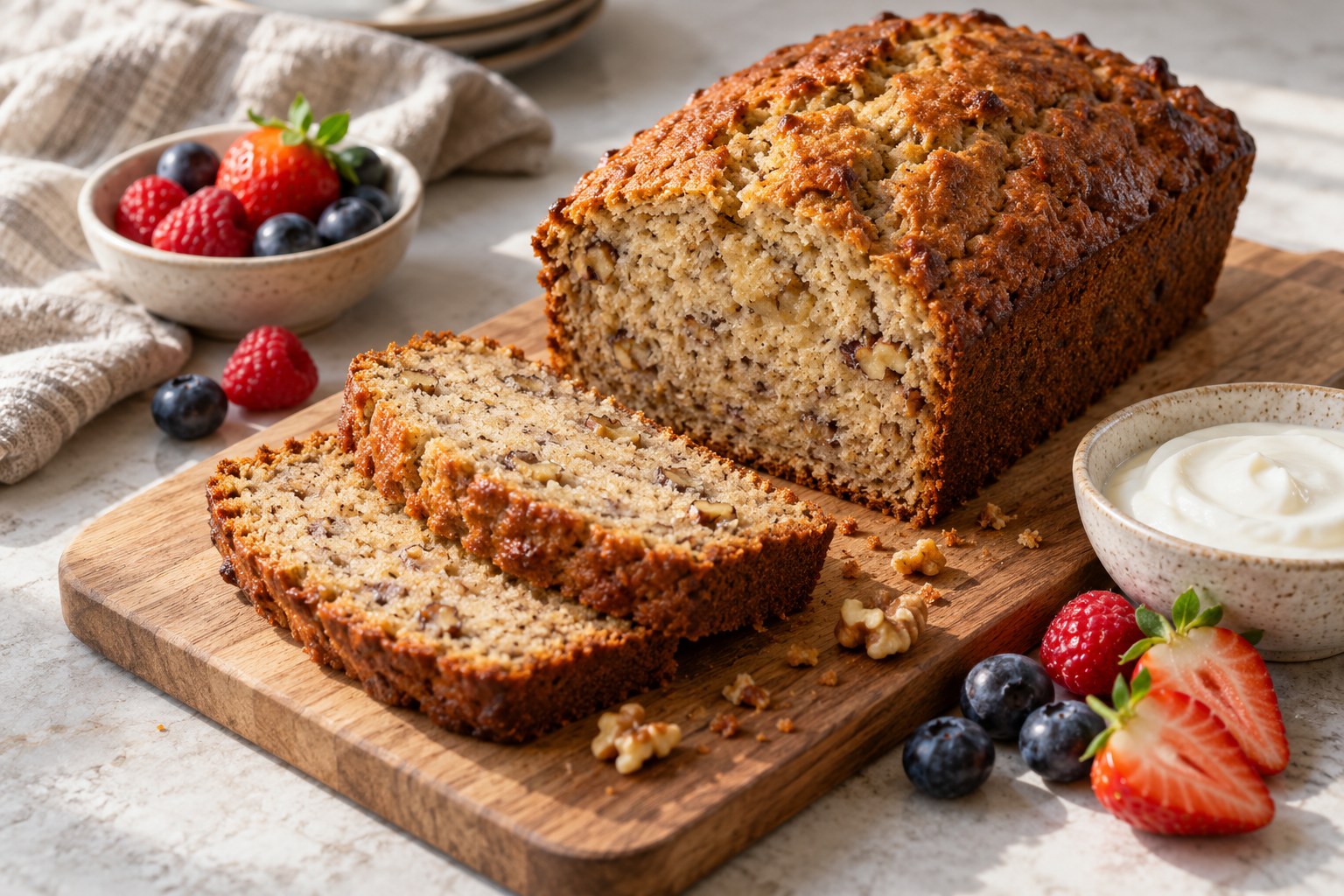
For a more rounded breakfast, pair a slice with an option that contributes additional protein, such as fortified soy yogurt, plain tofu scramble or another suitable plant-based food. Add a piece of fruit or berries if desired. The bread offers convenience and flavour, while the additional food helps make breakfast feel more complete. No particular portion size is universal. Start with what works for your appetite and adjust if you are hungry again quickly.
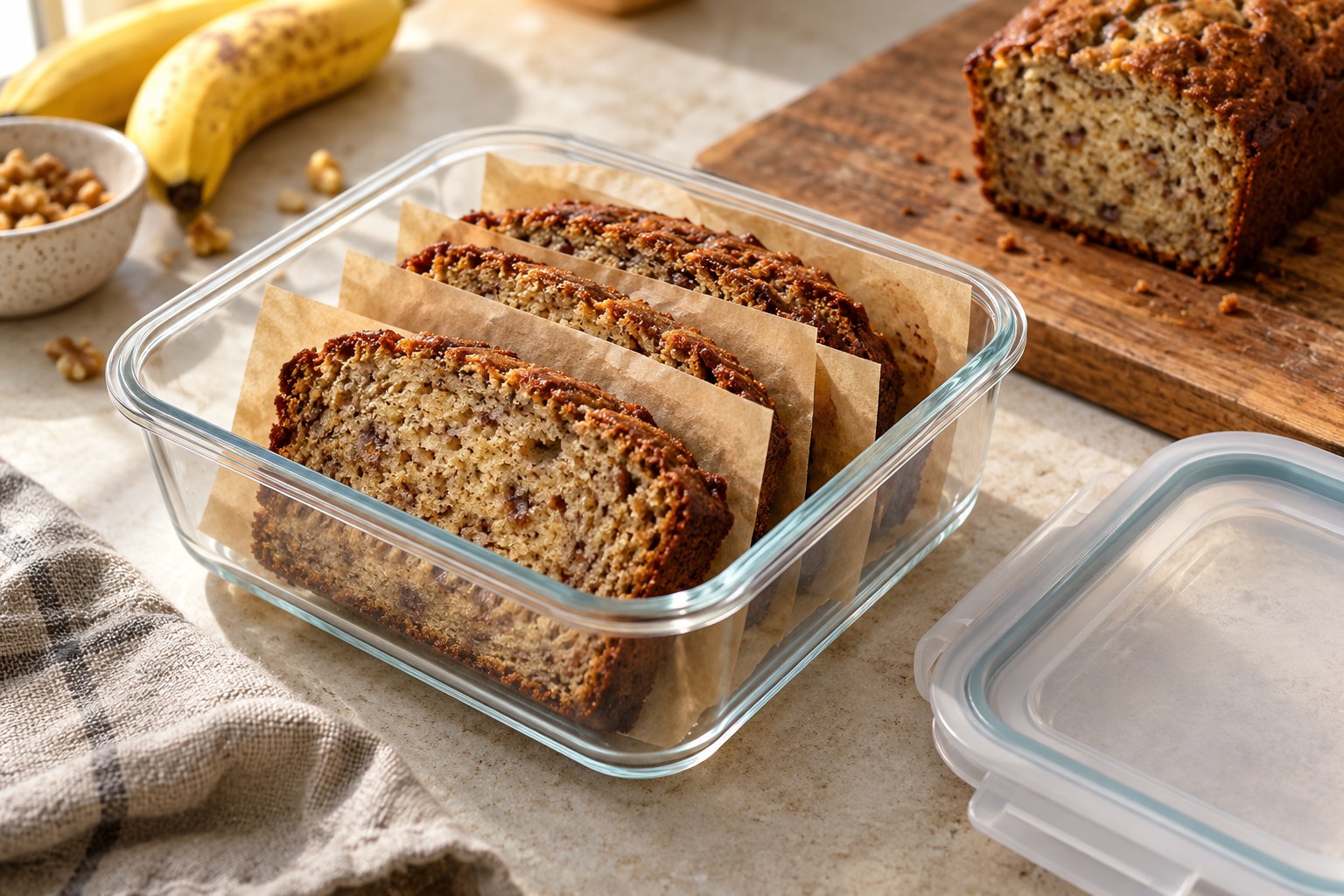
A helpful batch-prep routine is to bake the loaf ahead, let it cool thoroughly, slice it and freeze portions individually. This avoids leaving a moist loaf at room temperature longer than needed. Reheat only the portion you plan to eat. Because this formula contains oil, do not call it oil-free; because it includes added sugar, do not describe it as sugar-free. An accurate ingredient list is more useful than an impressive-sounding claim.
When baking with gluten-free flour, use the blend specified by the recipe. Different blends have different starches and binders. Swapping one for another can change moisture retention and the structure of the loaf. If you bake for celiac disease, verify that the flour blend and baking powder are gluten-free and prepare the loaf in a clean work area.
What went wrong with the original muffin suggestion?
The older post linked to a Blackberry Cornmeal Muffins Recipe while calling it vegan gluten-free blueberry muffins. The real recipe uses all-purpose wheat flour, buttermilk, two eggs and unsalted butter, and its fruit is blackberries. That is neither a vegan nor a gluten-free recipe as written. The difference is not a minor wording problem: it changes what someone with an allergy, ethical restriction or medically required gluten-free diet may reasonably expect to receive.
This article does not recommend treating those muffins as safe or suitable by changing their label. Turning a conventional muffin into a vegan gluten-free one could require replacing wheat flour, eggs, dairy and butter, then testing hydration, binding, leavening and bake time. Such a conversion might be a worthwhile kitchen experiment, but it is not the published original.
If you want a berry-flavoured breakfast while using a verified recipe, add washed fresh berries beside the banana bread. Alternatively, make a simple bowl of certified gluten-free oats with fortified plant milk and berries, using suitable brands and separate utensils. That gives readers a genuinely useful option without falsely presenting an untested muffin as a finished vegan gluten-free product.

Mid-morning snack: Make room for choice, not rules
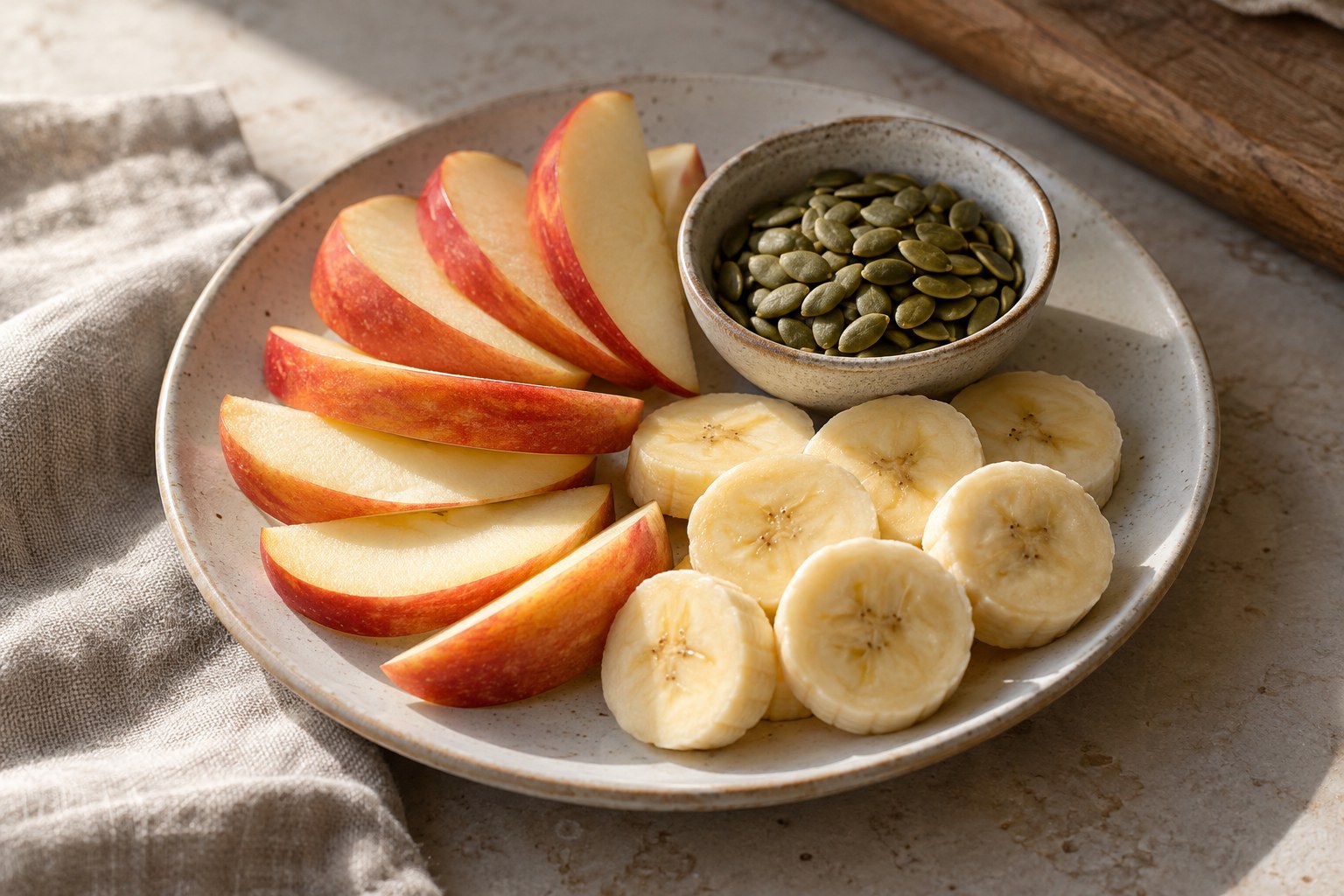
Snacks are optional and should reflect hunger, convenience and the rest of the day. Fresh fruit with pumpkin seeds, a handful of nuts, labelled gluten-free oatcakes or soy yogurt can be easy choices. If allergies are a concern, select an alternative that fits the person eating it. The purpose is variety, not scoring points for finding a supposedly perfect snack.
If you prefer a baked option, Vegan Gluten-Free Scones offer another recipe-specific choice. Check their portion and ingredient list against your own needs.
The original post recommended Almond Flour Chocolate Chip Cookies and called them vegan gluten-free cookies without eggs or butter. However, the linked recipe specifically contains one egg and 115 grams of butter. Almond flour may be gluten-free, but the presence of almond flour does not make the entire cookie vegan. Dark chocolate also needs its own ingredient check. We will not perpetuate that mistake.
If a sweet treat sounds good, choose a published recipe that actually fits your needs and confirm every label. A simple homemade snack can be sliced banana with nut or seed butter, or a fruit-and-seed mixture. When packing food for school or work, consider the institution's nut restrictions, temperature requirements and access to refrigeration. Convenience matters when building a plan that people can repeat.
There is no need to insist on cookies at every break just because the site covers baking. A credible food blog can highlight its desserts while giving readers realistic everyday options.
Lunch: Build a savoury bowl that balances the day
Lunch is an opportunity to introduce vegetables, legumes, savoury flavours and satisfying texture. Begin with a cooked gluten-free grain such as quinoa or rice. Add well-rinsed chickpeas or black beans, a generous portion of vegetables, and a simple lemon dressing. Fresh tomatoes, cucumber, grated carrots, red cabbage and greens are possible choices depending on season and preference.
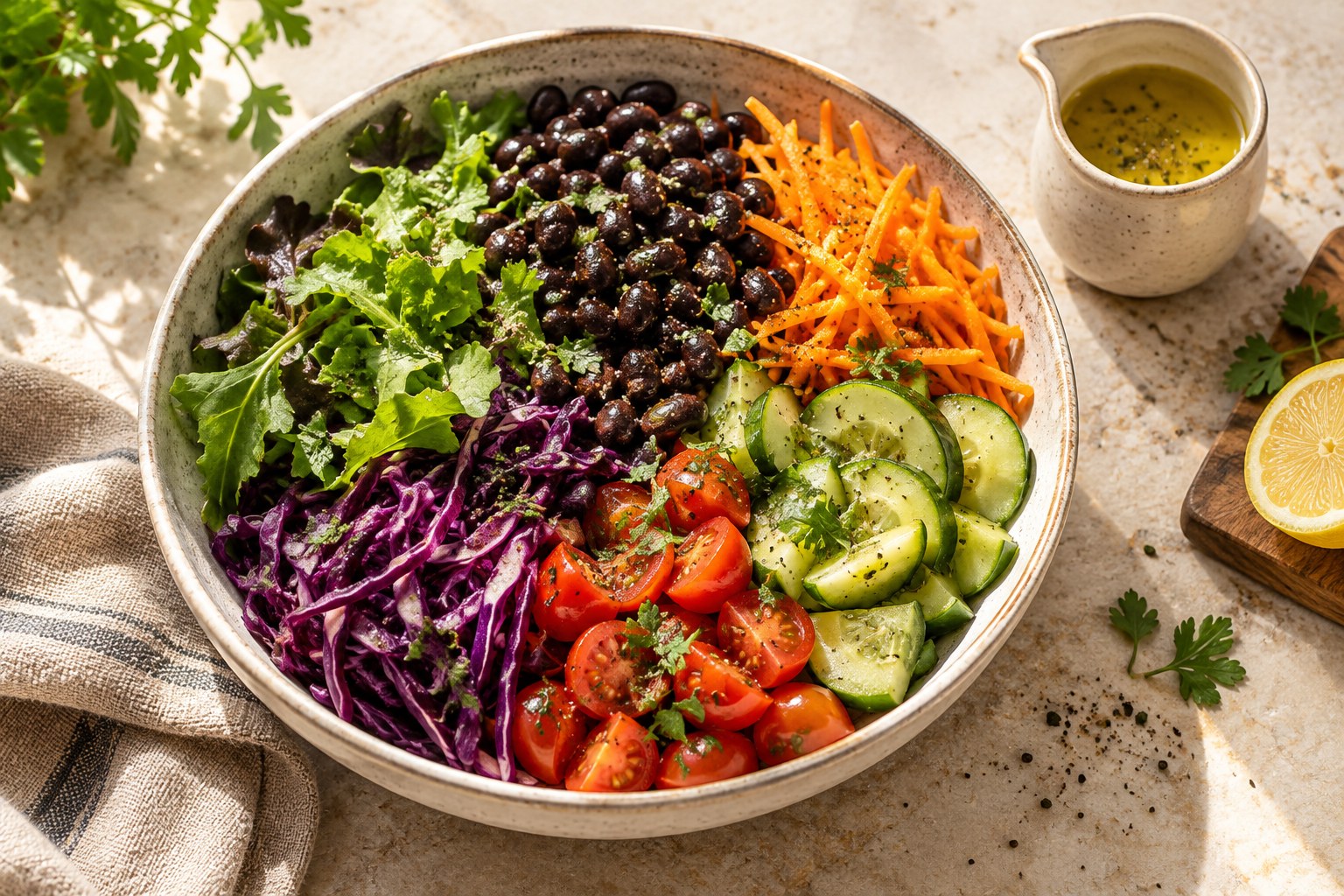
This is a meal-building formula, not a tested recipe with exact quantities. Its advantage is flexibility. Choose one grain, one legume, several vegetables and a dressing with enough flavour to make the bowl enjoyable. Roast peppers or sweet potatoes when you want warmth. Add herbs, citrus, garlic or smoked paprika for variety. For a creamier finish, use a suitable tahini dressing or mashed avocado.
For batch preparation, keep leafy greens and dressings separate from warm grains and beans until serving. Cool cooked components promptly, refrigerate them in shallow containers, and follow appropriate leftover storage and reheating guidance. Do not make a full week of unrefrigerated prepared bowls or assume that a tightly sealed container guarantees safety.
If quinoa tastes bitter, rinse it according to package guidance. If canned beans taste bland, dry them well after rinsing and season rather than merely piling them into a bowl. If the salad feels too dry, increase acid or dressing; if it is too soft, introduce fresh crunchy vegetables. These small adjustments help a practical lunch become something to look forward to.
A bowl can be substantial without relying on substitute meat. It can also be adapted for higher energy needs by adding another suitable food or larger portions. Avoid numerical nutrition promises unless you have analysed the precise ingredients and servings.
An optional sweet-potato component—and its limitations
The site's Vegan Sweet Potato Casserole is genuinely plant-based according to its published ingredient list. It uses sweet potatoes, coconut milk, maple syrup, coconut oil and a topping with oats, pecans, sugar and flour. However, the recipe's topping lists standard all-purpose flour as an option, so it is not automatically gluten-free unless a suitable certified gluten-free flour is used and every other ingredient is checked. The oats likewise need to be labelled gluten-free for someone avoiding gluten strictly.

There is another distinction: this sweet potato casserole is a sweet side dish, not the savoury, protein-rich meal described by the original post. Serve a modest portion as part of lunch or dinner if that flavour appeals to you, but pair it with beans, tofu, greens or another main dish rather than describing it as a stand-alone balanced lunch.
If modifying the topping, consider how flour affects its crumb structure. A gluten-free flour blend may work, but the resulting texture will vary. That is an adaptation, not evidence that every substitution has already been tested in the original. The honest recommendation is to read the recipe first and decide whether the sweet casserole fits the meal you are planning.
Afternoon snack: Using leftovers wisely
The afternoon is where planning can prevent both food waste and unnecessary work. A frozen slice of banana bread can be convenient. So can fruit, plant yogurt, hummus with vegetables, or a smoothie. If choosing a smoothie, combine fruit with unsweetened fortified plant milk or yogurt and consider a protein-containing addition where appropriate. A beverage made only with fruit juice may be less filling than a snack that also has substance.
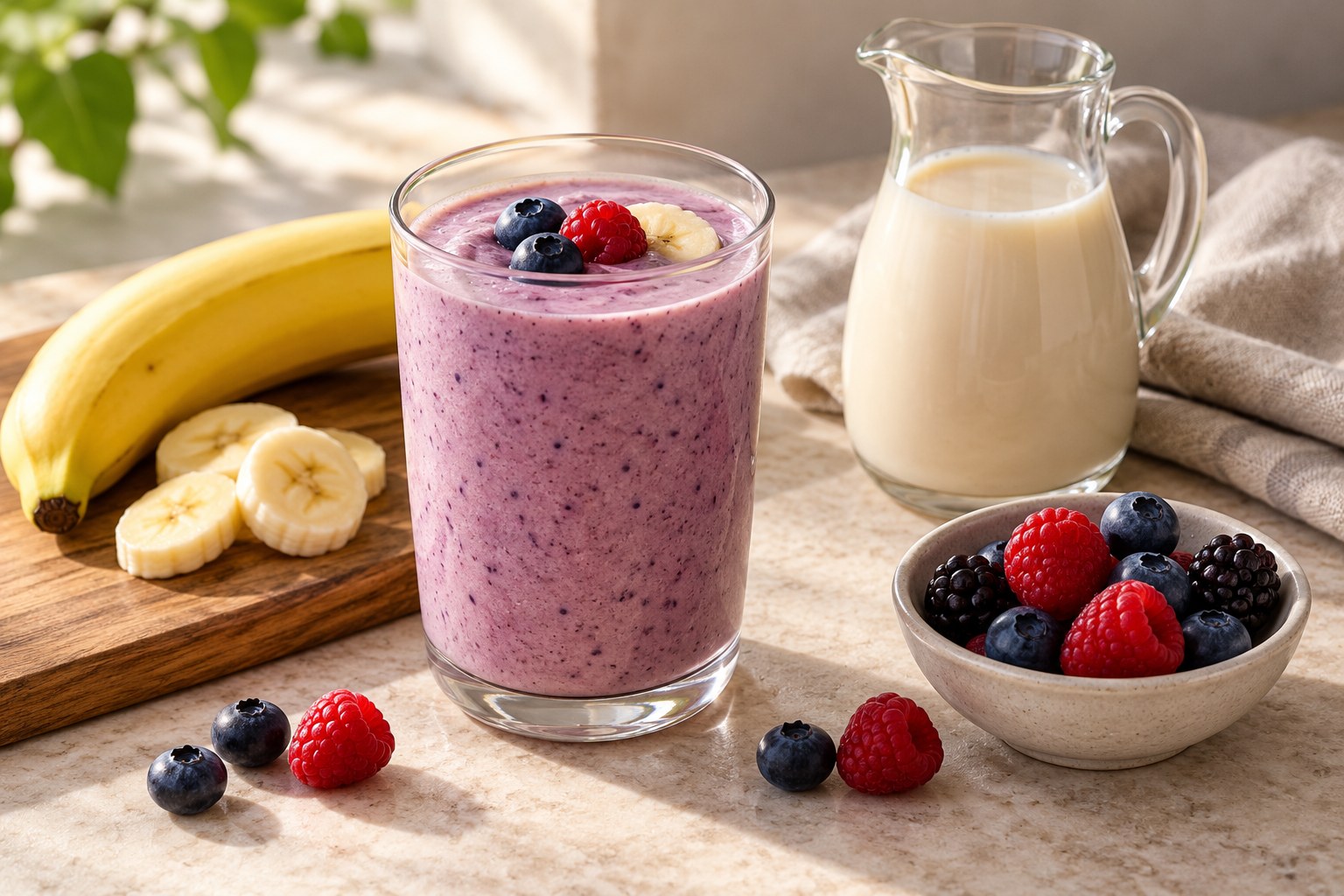
Do not feel obliged to prepare both a baked snack and a smoothie. The idea is to have options available, not consume every item on a checklist. A long workday, sports practice or travel day may call for something portable. A relaxed afternoon at home might call for tea and a snack you enjoy. Sustainable food planning adapts to the day.
Keep the distinction between vegan and gluten-free in view even with convenience items. Flavoured yogurts, granola and bars vary in ingredients. A product labelled plant-based may include oats that have not been certified gluten-free. A package labelled gluten-free may include milk or honey. Always look beyond the marketing headline when a strict dietary restriction matters.
For a food website, showing readers a few realistic combinations is better than announcing that one snack boosts energy, improves digestion or guarantees a particular health outcome. Such results depend on many factors and cannot be attributed to a single slice of bread or smoothie.
Dinner: Give the rolls a proper main course
The Vegan Gluten-Free Dinner Rolls Recipe is a particularly relevant link because its published ingredients are both plant-based and designed without gluten-containing flour. They include a gluten-free flour blend, tapioca flour, potato starch, flaxseed, psyllium, xanthan gum, olive oil, water, sugar and active dry yeast. Check the specific ingredients you purchase if cooking for someone with celiac disease.
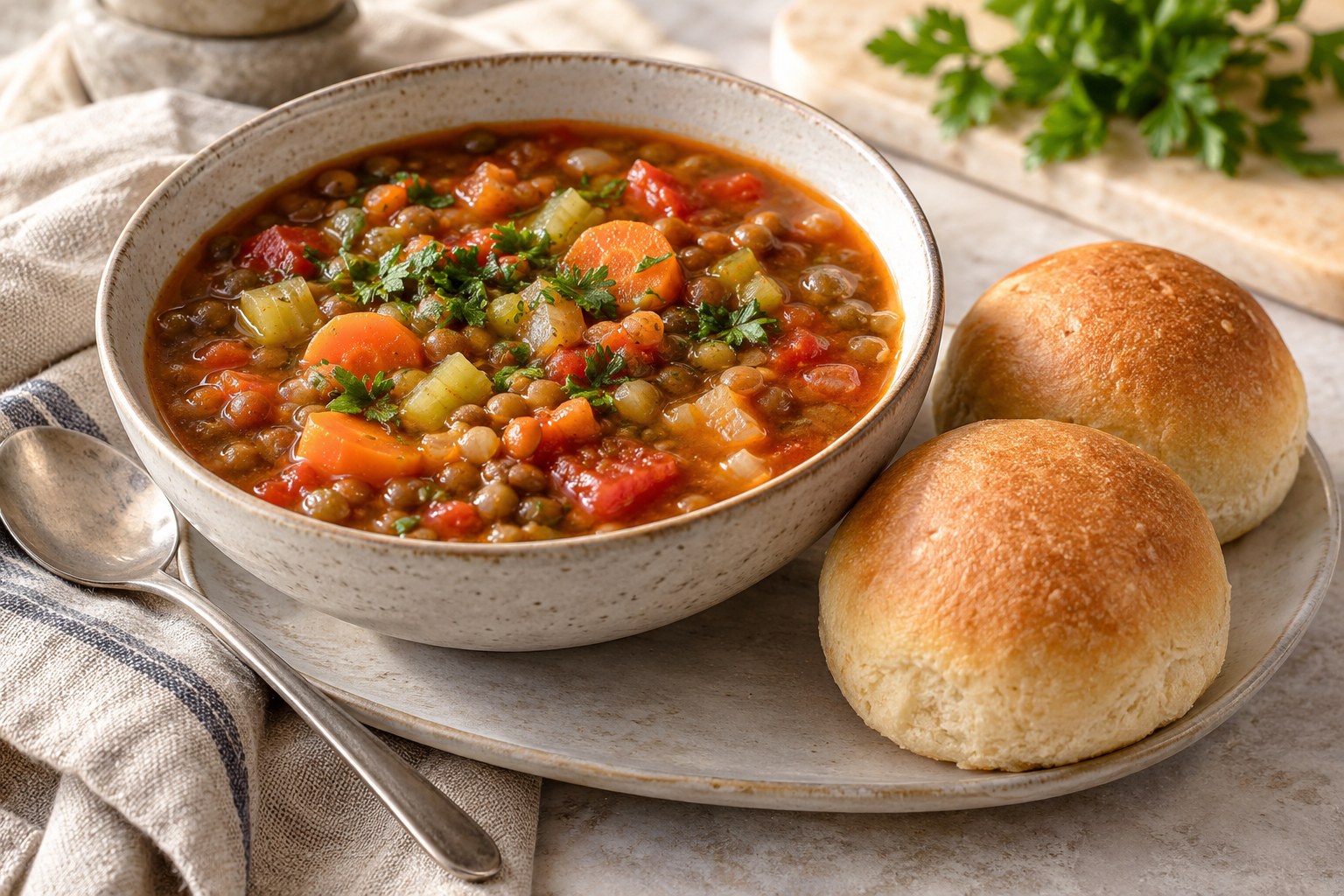
The old article called these rolls no-yeast, but they contain seven grams of active dry yeast. It also presented the rolls themselves as dinner. A bread roll can be a lovely side, but dinner is easier to build around a main course and vegetables. Pair a roll with a lentil-and-vegetable soup, a bean chilli made with gluten-free seasonings, or a tofu-and-vegetable stew. Those are illustrative pairings, not invented recipes from the site.
If you want a simple lentil soup, sauté onion, carrot and celery in a little oil, add rinsed lentils and suitable vegetable broth, and simmer until the lentils are tender. Add tomatoes and herbs to taste. Actual cook time will depend on the lentils and the recipe you choose. Check that your stock and seasonings do not contain gluten. Serve with a warm dinner roll and a side of greens if desired.
The dinner rolls deserve their own attention. Gluten-free yeasted dough does not behave exactly like a wheat dough; psyllium and xanthan can provide structure, and the mixture may be tackier than conventional bread dough. Follow the published mixing and proofing method instead of using wheat-bread kneading cues. Avoid substituting another flour blend without considering its existing gums and starch balance.
If freezing rolls, cool them, wrap portions carefully and label the date. Warm as directed when needed. Do not keep bread at room temperature indefinitely on the assumption that gluten-free baked goods are inherently shelf-stable.
Dessert: A real vegan and gluten-free chocolate tart
The Vegan Gluten-Free Chocolate Tart Recipe is an accurate and appealing dessert recommendation. The published crust uses gluten-free rolled oats, almond flour, coconut oil, maple syrup and salt. Its filling uses dairy-free dark chocolate, coconut milk, maple syrup and vanilla. Optional garnishes include fruit or chopped hazelnuts. It is designed as a rich chocolate dessert without eggs, dairy or gluten-containing flour.
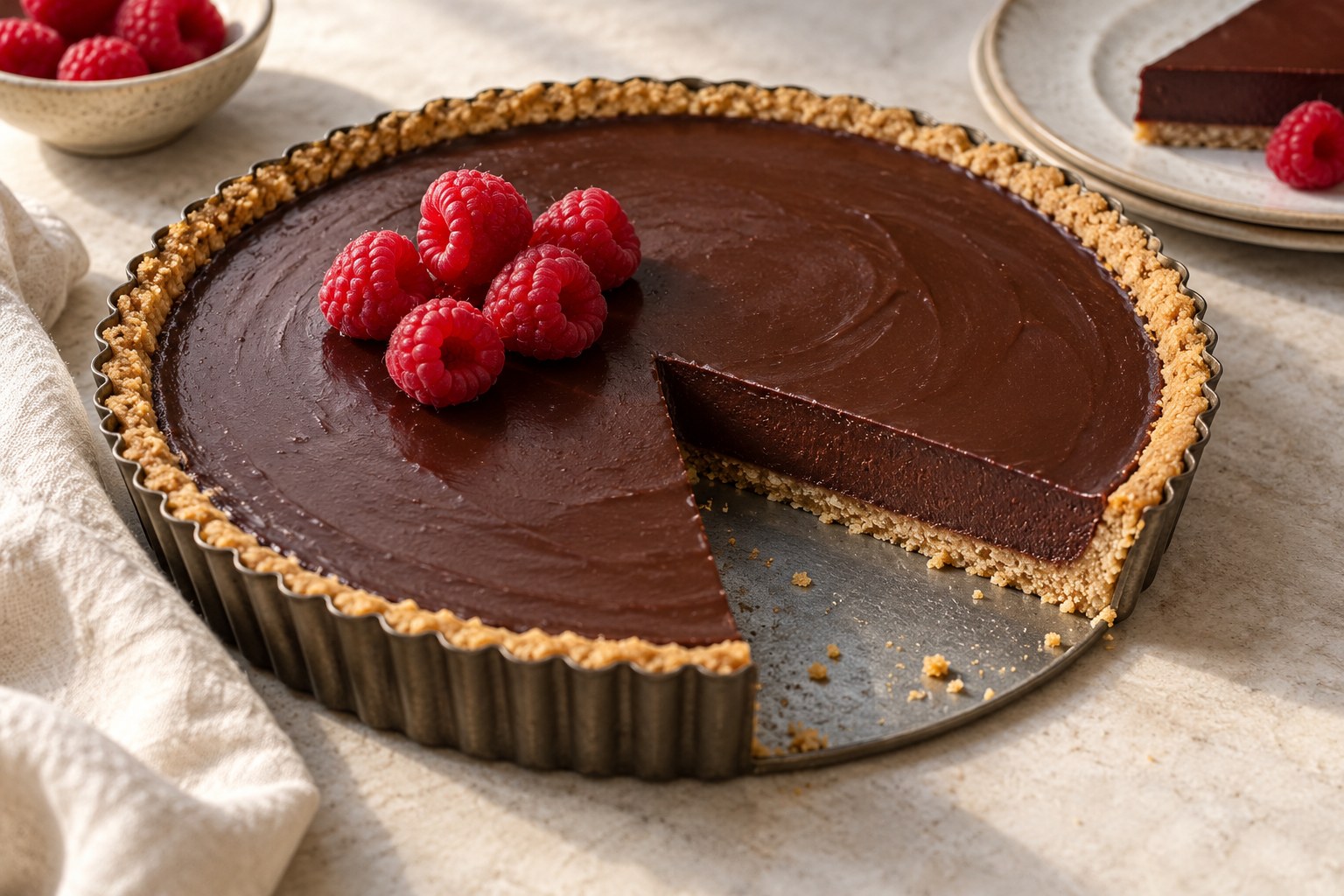
Read labels carefully: use oats marked gluten-free and dark chocolate verified dairy-free. Almond flour makes the standard tart unsuitable for those with almond allergies, and coconut is another ingredient worth flagging for anyone with specific sensitivities. A gluten-free title is not a guarantee of universal allergen safety.
The original post described this tart as refined-sugar-free and suggested an easy no-bake option. Neither statement can be assumed from its published ingredient list and instructions. Dark chocolate may contain added refined sugar, and the crust preparation needs to follow the actual recipe. It is enough to say that this is a luxurious chocolate tart with a plant-based filling and a gluten-free oat-and-nut crust.
Serve a modest slice after dinner when you feel like dessert. Fresh berries can provide a bright contrast to the chocolate's richness. If making it for guests, prepare it with time for chilling and setting rather than rushing the texture. Dessert can be part of a satisfying food day without being marketed as a health food.
What to prepare ahead on a realistic schedule
A flexible plan begins with two or three tasks, not a kitchen full of dishes. First, bake and slice the banana bread, cooling and freezing portions you will not eat soon. Second, cook a batch of quinoa or rice and a batch of beans or lentils for savoury meals, following safe cooling and refrigeration practices. Third, wash and chop vegetables for bowls or soups, storing them appropriately. If you have additional time, bake the dinner rolls and freeze portions.
Do not prepare delicate greens days ahead in dressing unless you enjoy wilted salads. Keep crisp and wet ingredients separate. Sauces can be mixed in small batches, with refrigeration as needed. Label the day you prepared food so that leftovers are not guessed about by sight or smell. Some foods are best assembled fresh even if their component ingredients are prepped.
The chocolate tart is a project for a day when you have time, not a requirement for weekday meal planning. Baking all four items at once can be enjoyable for an enthusiastic weekend baker but overwhelming for someone who just wants easy lunches. Choose the level of effort that suits your routine.
A useful shopping checklist includes bananas, gluten-free flour, ground flaxseed, suitable plant milk, berries or seasonal fruit, rice or quinoa, beans or lentils, vegetables, salad greens, soup ingredients, gluten-free oats, and any items specifically required for the tart or rolls. Add ingredients from the actual recipe cards rather than relying on a simplified blog paragraph that may omit a key binder or leavening agent.
Nutrition questions worth considering without overclaiming
A vegan and gluten-free dietary pattern can be varied, but exclusions narrow convenient food choices. Pay attention to reliable sources of protein, iron, calcium, vitamin B12 and other nutrients. Fortified foods can be useful; supplements may be appropriate for some people, especially for vitamin B12. Exact requirements depend on personal factors and should be discussed with a qualified healthcare professional when necessary.
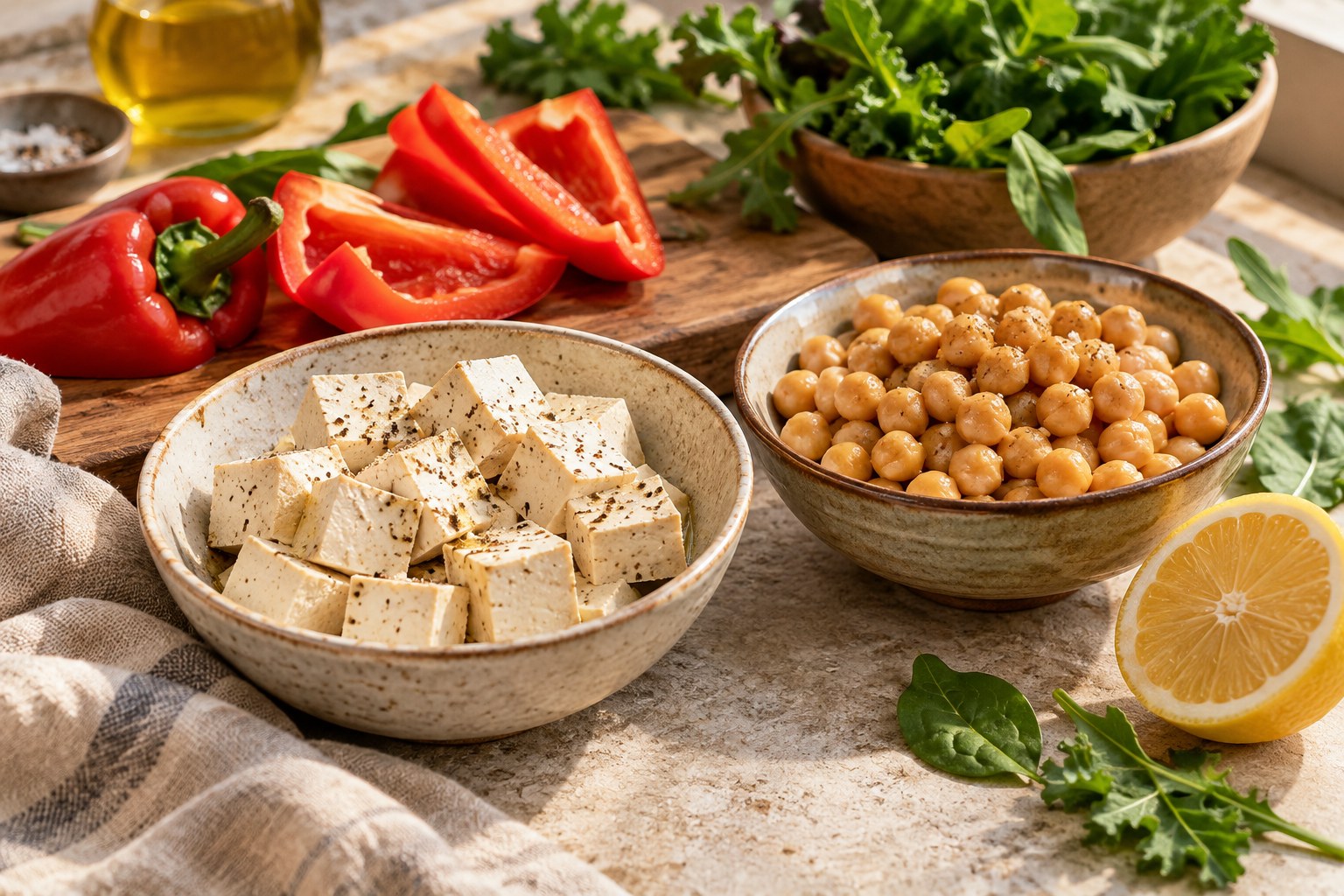
Legumes, tofu and suitable soy foods can contribute protein. Iron-rich plant foods can be eaten with vitamin C sources, such as citrus or peppers. Fortified plant milks and yogurts differ, so compare their nutrition labels rather than assuming almond, oat and soy products are nutritionally interchangeable. Whole gluten-free grains, vegetables, nuts, seeds and fruit add variety and fibre.
Gluten-free baked goods are not necessarily higher in protein or fibre than their wheat-based equivalents. Some rely heavily on starches, added sugar and fats to achieve familiar texture. Similarly, vegan desserts may contain substantial coconut oil, sugar or chocolate. The point of these foods is often pleasure and convenience; readers deserve accurate descriptions rather than automatic health claims.
For children, pregnancy, medical conditions or medically required gluten avoidance, tailored advice is more valuable than a sample internet menu. This article supplies ideas, not a clinically evaluated meal plan.
Shopping and substitution guide for common constraints
If you avoid soy, choose a suitable alternative protein and plant milk, recognising that soy milk's protein content is usually different from that of rice or almond milk. If you avoid nuts, the chocolate tart's almond-flour crust is not suitable as written; locate an explicitly nut-free tested formula rather than casually replacing flour quantities. If you avoid coconut, check multiple recipes carefully because coconut oil and milk appear in some of the published baked goods.

If you require strict gluten avoidance, check flour blends, oats, spice mixes, stock, chocolate, sauces and packaged proteins individually. A household that also prepares ordinary wheat baking may need separate equipment and organised storage. For a recipe labelled gluten-free, the most defensible approach is to follow the tested instructions and verify every packaged ingredient yourself.
For a lower-effort day, use canned beans, frozen vegetables and pre-cooked gluten-free grains where suitable. Convenience does not make food less legitimate. Rinse beans when appropriate, cook frozen vegetables according to package directions and check added sauces for ingredients that do not fit your requirements.
For a budget-minded day, select seasonal produce, dried lentils, rice, potatoes and simple vegetable combinations. Specialty vegan cheese and unusual flour blends can be enjoyable, but they are not necessary for every meal. Reserve specialty ingredients for recipes where they perform a specific function, such as xanthan gum in gluten-free rolls.
Troubleshooting common problems
My gluten-free banana bread is gummy. Confirm the flour blend, ingredient amounts and bake time. Gluten-free batters often need careful hydration; slicing before the loaf has cooled can make the centre seem wet. Do not keep adding flour randomly, because it may create a dry or crumbly loaf on the next attempt.
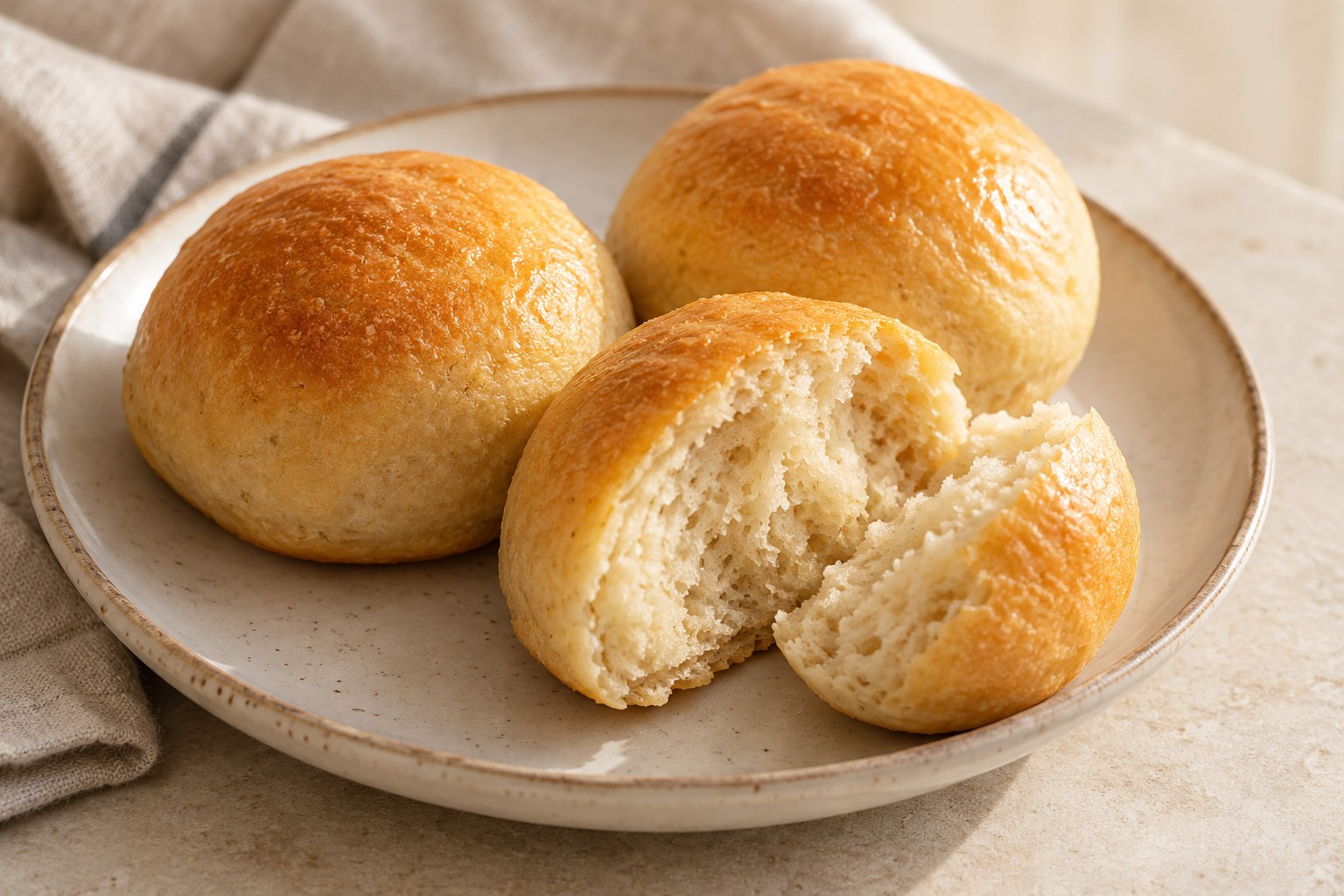
My dinner rolls are dense. Check that the yeast is active and that the dough was allowed to rise according to the published recipe. Gluten-free bread depends on binders and adequate moisture; treating it like traditional wheat dough can cause problems. Check the flour blend and temperature rather than assuming the answer is more kneading.
My lunch bowl is bland. Season the beans or grains, add fresh herbs, use enough acid and include contrasting textures. A bowl of unseasoned rice and beans can be nutritious but uninspiring. A little citrus, a flavourful sauce or something crunchy can make a major difference.
My greens turn soggy. Store washed, dried greens separately from warm components and dressing. Assemble the bowl just before eating. This is especially important if you prepare several portions at once.
My tart will not set properly. Check that you used the specified dairy-free chocolate and full-fat coconut milk, and follow the actual chilling directions. Ingredient substitutions can change the fat ratio and texture of a chocolate filling. Let it set completely before slicing, and use a clean warm knife for neat servings if the recipe allows.
My week feels like constant cooking. Simplify. Make one loaf or one side, prepare one savoury main, and use easy pantry combinations for the other meals. A meal plan should reduce work, not turn ordinary days into continuous recipe production.
Frequently asked questions
Is vegan food automatically gluten-free? No. Wheat bread, pasta, seitan and many baked goods can be vegan while containing gluten. Read both dietary labels independently.
Is gluten-free food automatically vegan? No. Gluten-free muffins, cookies, pizza and bread may contain eggs, butter, cheese, honey or milk. The ingredients—not the food's name—determine whether it is vegan.
Can I use the original blackberry cornmeal muffin recipe? Yes, if its actual ingredients fit your needs. It contains wheat flour, buttermilk, eggs and butter, so it is not suitable as written for someone needing both vegan and gluten-free food.
Are the almond-flour chocolate chip cookies vegan? No. The linked published recipe includes butter and egg. Almond flour alone does not make a cookie vegan.
Are the dinner rolls yeast-free? No. The verified recipe contains active dry yeast and needs to follow its actual proofing directions.
Is the banana bread oil-free? No. Its published formula uses vegetable oil. It is vegan and gluten-free as designed, subject to the ingredient labels used in your kitchen.
Can I serve sweet potato casserole as lunch? You can include it in a meal, but its sweet topping and ingredient composition make it a side dish rather than a complete savoury main. Add an appropriate protein source and vegetables.
Do I have to eat six times per day? No. This is a set of options, not a prescribed eating schedule. Adjust the meals and snacks to your hunger, lifestyle and professional dietary advice where relevant.
Does a vegan and gluten-free diet guarantee weight loss or improved health? No. Overall diet quality, portions, individual health needs and many other factors matter. Neither label on its own guarantees a particular health outcome.
Can I substitute a different gluten-free flour blend? Sometimes, but gluten-free flour formulations vary. Use the blend that has been tested in the recipe where possible, and treat other options as experiments.
How can I make this plan less expensive? Focus on legumes, rice, potatoes, frozen vegetables and ordinary seasonal produce. Bake specialty recipes occasionally and use leftovers thoughtfully.
What should I do if I have celiac disease? Follow medical guidance, use properly labelled gluten-free ingredients and prevent cross-contact during preparation. A general recipe blog cannot certify your kitchen or a manufacturer's products.
A practical ending: Good meals need accurate recipes
A satisfying vegan and gluten-free day is possible without pretending every recipe on a baking site fits both descriptions. Begin with one reliable baked recipe, build savoury meals around grains and legumes, and choose snacks that suit your appetite. Make room for a dessert you enjoy. Most importantly, read the actual recipe card and compare it with your dietary requirements before cooking.
For a dependable start, try the published Vegan Gluten-Free Banana Bread, serve Vegan Gluten-Free Dinner Rolls alongside a real main course, and save the Vegan Gluten-Free Chocolate Tart for dessert. If you choose the Vegan Sweet Potato Casserole, adapt its topping only after confirming the ingredients and the gluten-free needs of your table.
Better food writing is not about claiming that every dish is perfect. It is about helping readers choose confidently, cook realistically and enjoy the food they make.
IN PICTURES
From the baking notebook
FROM THE RECIPE BOX


