
On this page
A favorite family cake, a weeknight casserole, a batch of cookies you have made for years: there is often a way to make the food you love without eggs, dairy, meat, honey, or other animal-derived ingredients. The key is to think beyond a list of one-for-one swaps. Successful vegan recipe conversion starts with a question: what is the original ingredient doing in this particular dish?
Butter may provide flavor and tenderness in a cake, but it creates flaky layers in pie dough. Eggs may bind a cookie dough, enrich a bread, or supply almost all the lift in a sponge cake. Milk might simply add liquid to muffins, while cream gives a sauce its body. Those jobs are different, so their replacements should be different too.
This guide walks through a practical method for veganizing home recipes. You will learn how to replace eggs, butter, milk, cream, cheese, meat, and common hidden animal ingredients; how to adapt different styles of baking; which experiments are most likely to succeed; and how to troubleshoot a disappointing batch. Throughout, you will find links to existing plant-based recipes from What’s Baking? when starting with a vegan formula is the better choice.
The five-minute method: How to veganize a recipe
Before getting into individual ingredients, use this sequence whenever you are converting a recipe for the first time.
- Read the entire ingredient list and method. Circle animal-derived ingredients, including small additions such as honey, gelatin, fish sauce, or butter used to finish a dish.
- Identify each ingredient’s purpose. Is it providing moisture, fat, binding, structure, lift, emulsification, flavor, or a browned crust? One ingredient may serve several purposes.
- Choose the closest functional replacement. Unsweetened plant milk usually handles the liquid role of dairy milk. A firm vegan butter stick is generally more suitable than liquid oil for a butter-based pastry. A flax mixture binds, but it does not whip like egg whites.
- Change as little as practical on the first test. Keep the original pan, portion size, oven setting, and basic technique. If you change the flour, sweetener, fat, and egg replacement all at once, the cause of any problem becomes hard to identify.
- Bake or cook a small trial, record the result, and refine. Note ingredient brands, weight measurements, mixing time, texture, and any adjustment you make next time.
For an easy muffin with one egg, the process may be straightforward. For a six-egg chiffon cake, the most sensible first step is often to find a reliable vegan chiffon-style recipe rather than trying to substitute six eggs into a conventional formula.
What actually changes when you remove animal ingredients?
A good conversion protects the qualities that made the original recipe enjoyable. In a soft cake, that might mean a tender crumb and enough rise to hold frosting. In a cookie, it might mean chewy centers and golden edges. In a savory dish, it could mean a filling texture and deeply developed flavor.
Moisture comes from ingredients such as milk, water, eggs, yogurt, and vegetable purées. Fat contributes richness, tenderness, and a pleasant mouthfeel. Structure may come from wheat gluten, starches, proteins, and eggs. Lift can come from baking powder, baking soda combined with an acid, yeast, steam, or beaten eggs. Binding prevents a mixture from falling apart. Emulsification helps water and fat remain dispersed. Flavor and browning can depend on sugars, fats, proteins, temperature, and time.
Removing an egg does not mean you always need a literal “egg.” If the batter already contains enough flour structure and chemical leavening, a little extra liquid and a binder might work. If an egg is the main structural ingredient, the recipe may need to be reformulated from the ground up. That is why universal substitution charts are starting points, not guarantees.
Vegan egg substitutes: Choose by the egg’s job
Eggs are among the hardest ingredients to replace because they can do several things at once. They can bind cookie dough, emulsify cake batter, create tenderness, brown the surface, enrich bread, and trap air when whipped. Pick an alternative based on the final texture rather than assuming any “one egg equals” formula will suit everything.
Flax eggs and chia eggs for binding
To make one common flax-egg substitute, stir 1 tablespoon finely ground flaxseed with 3 tablespoons water, then rest for roughly 5–10 minutes until thickened. Ground chia seed or whole chia seed with water can also create a gel, although the appearance and texture differ. Flax and chia are useful when the original egg is mainly holding ingredients together: think hearty cookies, breakfast bars, some muffins, and dense quick breads.
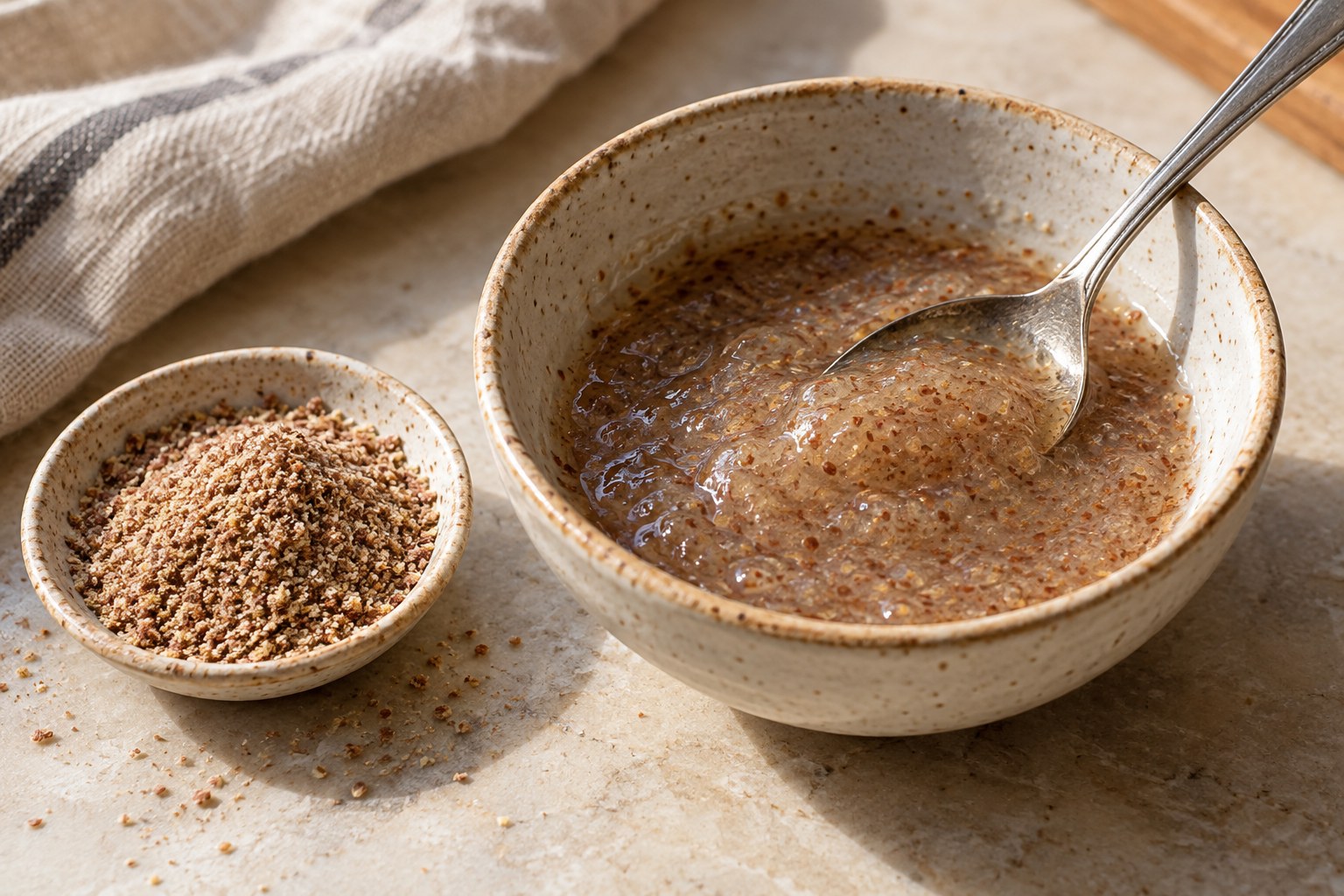
They are less suitable for airy sponges, delicate cakes, or recipes that depend on whipped eggs. They also introduce visible flecks and a faint seed flavor. For a pale vanilla cake where appearance matters, choose a different approach or an established vegan recipe. When adapting two-egg recipes, a larger amount of flax may create a gummy or heavy crumb, so do not assume doubling is risk-free.
Applesauce, banana, and pumpkin for moisture
Unsweetened applesauce, ripe mashed banana, and smooth pumpkin purée add moisture and some body. A common experiment is about ¼ cup (60 mL) purée per egg in a forgiving quick bread or muffin. These purées are not neutral: banana has a recognizable taste; pumpkin changes color and texture; applesauce may make a bake slightly denser.
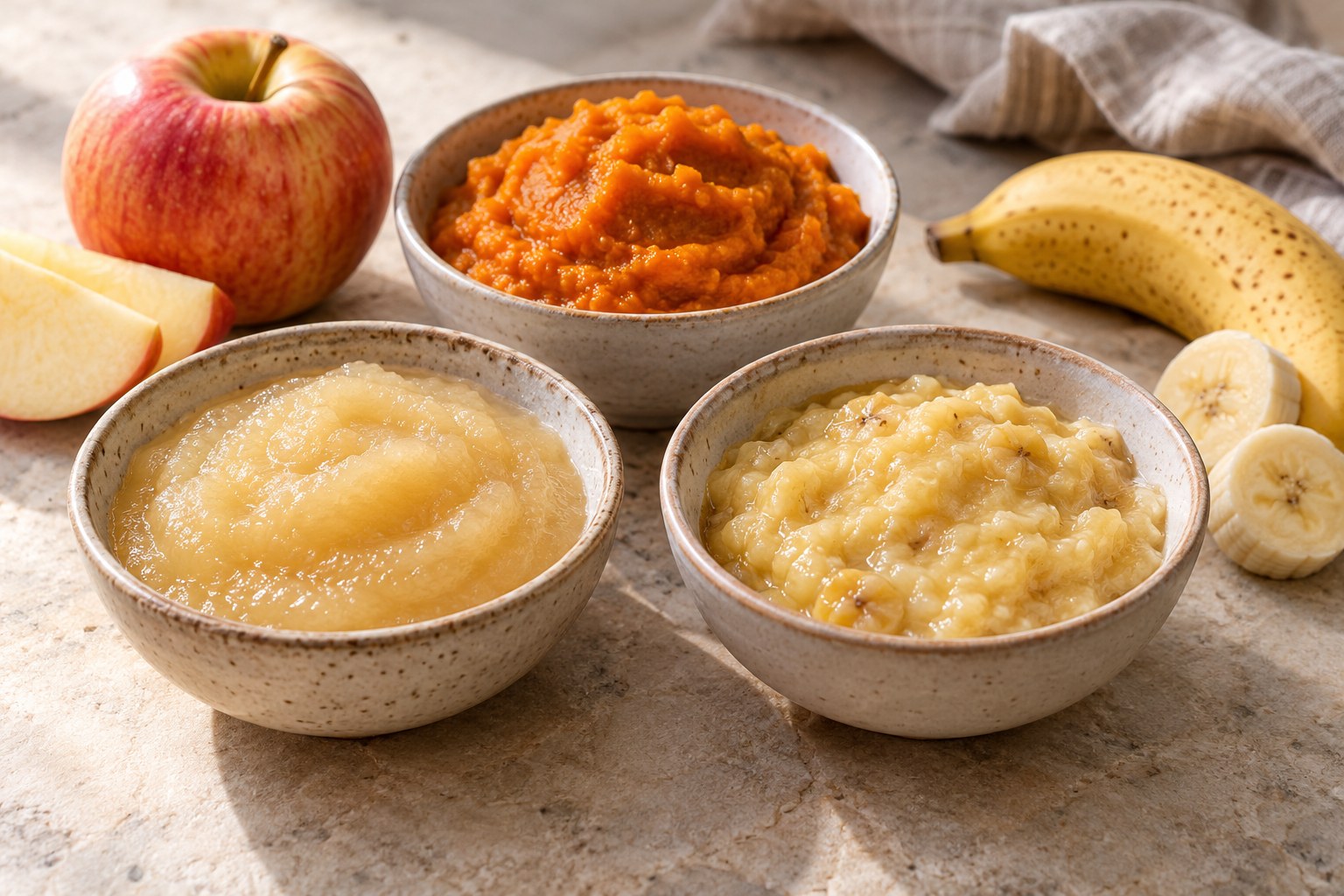
Use them where those qualities are welcome. A chocolate snack cake may tolerate a modest amount of applesauce, while a banana loaf already has a compatible flavor profile. Fruit purée is not a dependable way to create a crisp cookie edge or the strong rise of an egg-foam cake. If your trial turns gummy, reduce the purée and consider a different binder or a purpose-built vegan formula.
Aquafaba for some egg and egg-white functions
Aquafaba is the liquid from cooked chickpeas, often conveniently collected from a can. It can be used as a liquid egg alternative in some cakes, brownies, and breads, and it can whip into a foam for certain meringue preparations. As a starting point, King Arthur Baking’s egg-free testing guide uses approximately ¼ cup (about 57 g) canned chickpea liquid for a whole egg and 2 tablespoons (about 28 g) for one egg white. Your recipe may need adjustments because aquafaba contains water but does not duplicate egg proteins exactly.
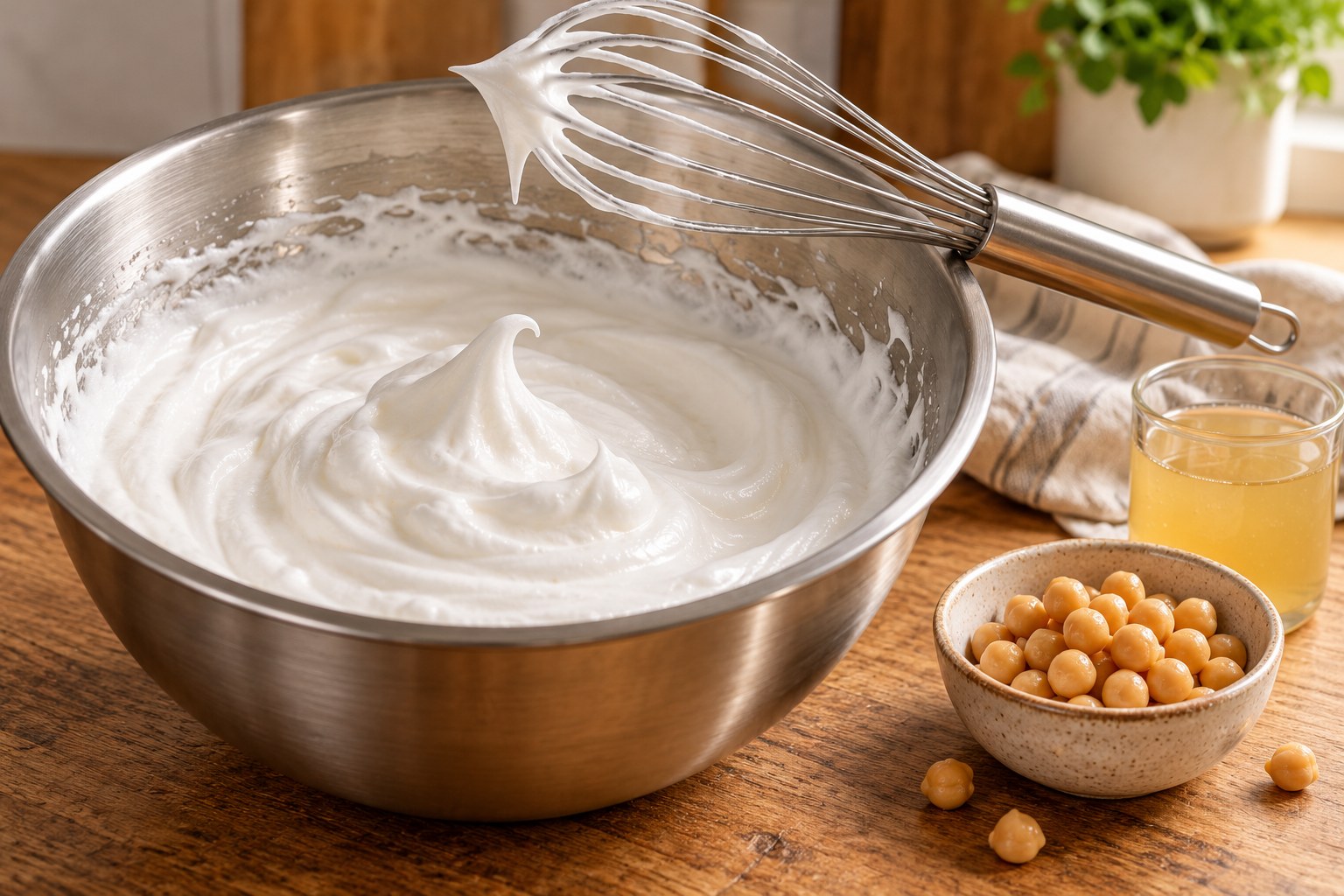
For foams, use a clean, grease-free bowl and follow a specifically developed aquafaba recipe. It is important not to overpromise: aquafaba meringues can work very well, but swapping it into standard angel food cake, chiffon cake, or French macarons does not reliably recreate the original structure. Vegan macarons and other advanced bakes require dedicated methods, testing, and careful ingredient ratios.
Silken tofu and commercial egg replacers
Blended silken tofu adds a smooth, neutral, moist component to dense cakes, creamy fillings, and some quick breads. About ¼ cup purée may be a starting point for one egg in a suitable recipe, but tofu will not aerate like beaten eggs. It can also make a very delicate crumb feel heavier.
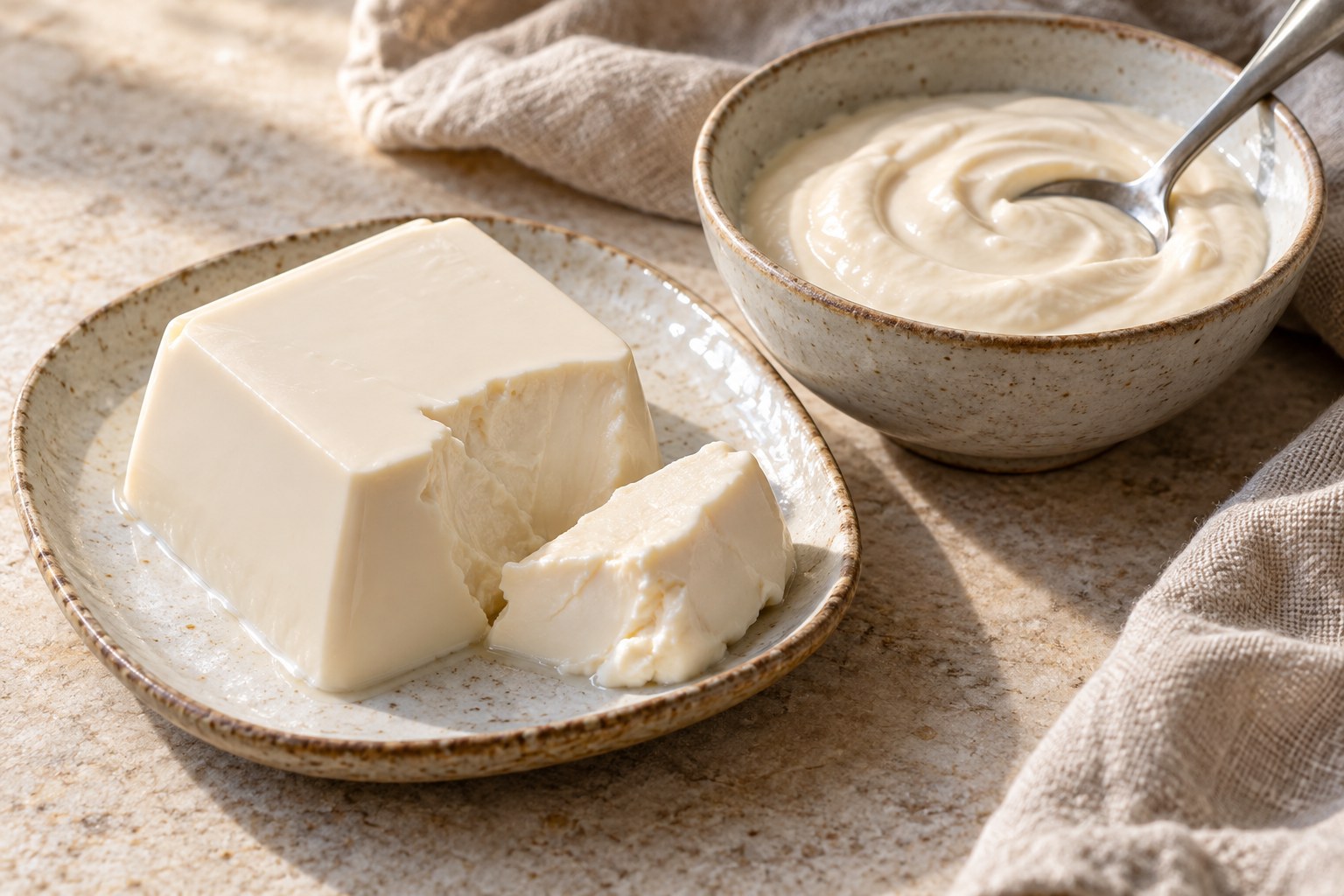
Commercial egg replacers are another option, especially when you want consistent measurement and a neutral flavor. Read the directions on the specific package: formulas differ. Some are primarily starch-based binders, while others are intended for scrambling or omelets and may behave differently in baking. Confirm that the product is vegan and suitable for your recipe rather than relying only on the words “egg substitute.”
Which egg replacement should you choose?
- Oatmeal or chocolate-chip cookies — First option to consider: Flax gel or a tested egg-free formula — Watch for: Excess spreading or softness
- Banana bread or hearty muffins — First option to consider: Flax, aquafaba, or a little compatible purée — Watch for: Dense or gummy centers
- Brownies — First option to consider: Aquafaba or a tested vegan brownie recipe — Watch for: Poor set or missing crackly top
- Simple snack cake — First option to consider: Aquafaba or a tested egg-free cake formula — Watch for: Weak rise and fragile crumb
- Custard or cheesecake filling — First option to consider: Starch, tofu, or a specific plant-based setting system — Watch for: Texture that does not set
- Meringues — First option to consider: A proven aquafaba meringue formula — Watch for: Unstable foam or weeping
- Chiffon, angel food, or traditional macarons — First option to consider: A fully developed vegan recipe — Watch for: One-for-one replacement usually fails
Best beginner rule: If a recipe uses one egg mainly for binding, try a controlled substitution. If it relies on several eggs or a whipped foam, start with a recipe designed to be egg-free.
How to replace milk, buttermilk, yogurt, and cream
Milk-based ingredients supply liquid, fat, protein, acidity, body, and flavor. Plant alternatives vary widely, so choose by function and read the carton rather than treating every beverage as interchangeable.
Everyday milk: Soy, oat, almond, and coconut
For many muffins, pancakes, quick breads, and simple cakes, unsweetened, unflavored plant milk can replace dairy milk at roughly a 1:1 volume ratio as a first test. Unsweetened soy milk often works well when a little more protein and body are helpful. Oat milk is useful for neutral, creamy batters. Almond milk is generally lighter and may contribute a subtle nutty note. Rice-based milk is thinner; canned coconut milk is far richer than a carton of coconut beverage.
Do not confuse canned coconut milk or coconut cream with coconut milk sold as a drinking beverage. The canned products typically contain substantially more fat and can change a delicate batter or sauce. Sweetened or vanilla-flavored varieties also change the overall sweetness and aroma, which matters especially in savory dishes.
Vegan buttermilk: Acidity is the main goal
A common homemade substitute is 1 tablespoon lemon juice or mild vinegar added to enough unsweetened plant milk to make 1 cup (240 mL). Stir and let it stand briefly before using. Soy milk often visibly curdles; other milks may not, and that is not necessarily a failure. What matters for many cakes or quick breads is adding acidity to support the intended reaction with baking soda.

This mixture is a helpful ingredient substitution, not a perfect reproduction of cultured dairy buttermilk’s viscosity or flavor. A recipe that specifically relies on thick, cultured buttermilk may require a different plant-based cultured product or another adjustment.
Yogurt, sour cream, and cream cheese
Unsweetened plain vegan yogurt is a reasonable place to start when a recipe needs moisture and tang. Check whether it is pourable or thick: a thin coconut yogurt and a dense soy yogurt can produce different cake batters. For a thick dip, filling, or dressing, strained plant-based yogurt may be more appropriate. For baking, taste the yogurt first because strong coconut or almond flavors will carry through.
Plant-based sour cream and cream cheese can work in some frostings, cheesecakes, and savory sauces, but their water and fat content varies by brand. A tub of vegan cream cheese is not automatically interchangeable with a brick of dairy cream cheese. If a cheesecake must slice neatly, use a formula developed for that particular setting method—often a combination of plant cream cheese, starch, tofu, or another stabilizer.
Heavy cream and whipped cream
For soups, pan sauces, and creamy pasta, use a suitable unsweetened plant-based cooking cream, blended cashews, or a thoughtfully diluted coconut product. Cashew cream can add body, but it is inappropriate for someone with a cashew allergy. Coconut cream has a distinct flavor that may work beautifully in a curry but less well in a delicate mushroom sauce.
For a whipped topping, choose a product sold specifically for whipping or follow a tested chilled-coconut-cream method. Ordinary oat or almond milk will not whip into stable cream simply because it is plant-based. Products marketed as culinary cream and products designed to whip serve different purposes.
Butter and oil: Why the texture of the fat matters
Dairy butter is not just fat. It contains water and milk solids, and its consistency changes with temperature. That means the result depends on whether the recipe uses cold butter, softened butter, or melted butter.
Cookies and cakes made with softened butter
For conventional cookies and butter cakes, a firm vegan butter stick at the same weight is often a practical first trial. King Arthur Baking’s vegan-butter baking trials found good results with several butter-style alternatives, although different brands soften, cream, and brown differently. Pay attention to the label: spreadable tubs may contain more water or have a softer structure, leading to extra cookie spread and reduced aeration.
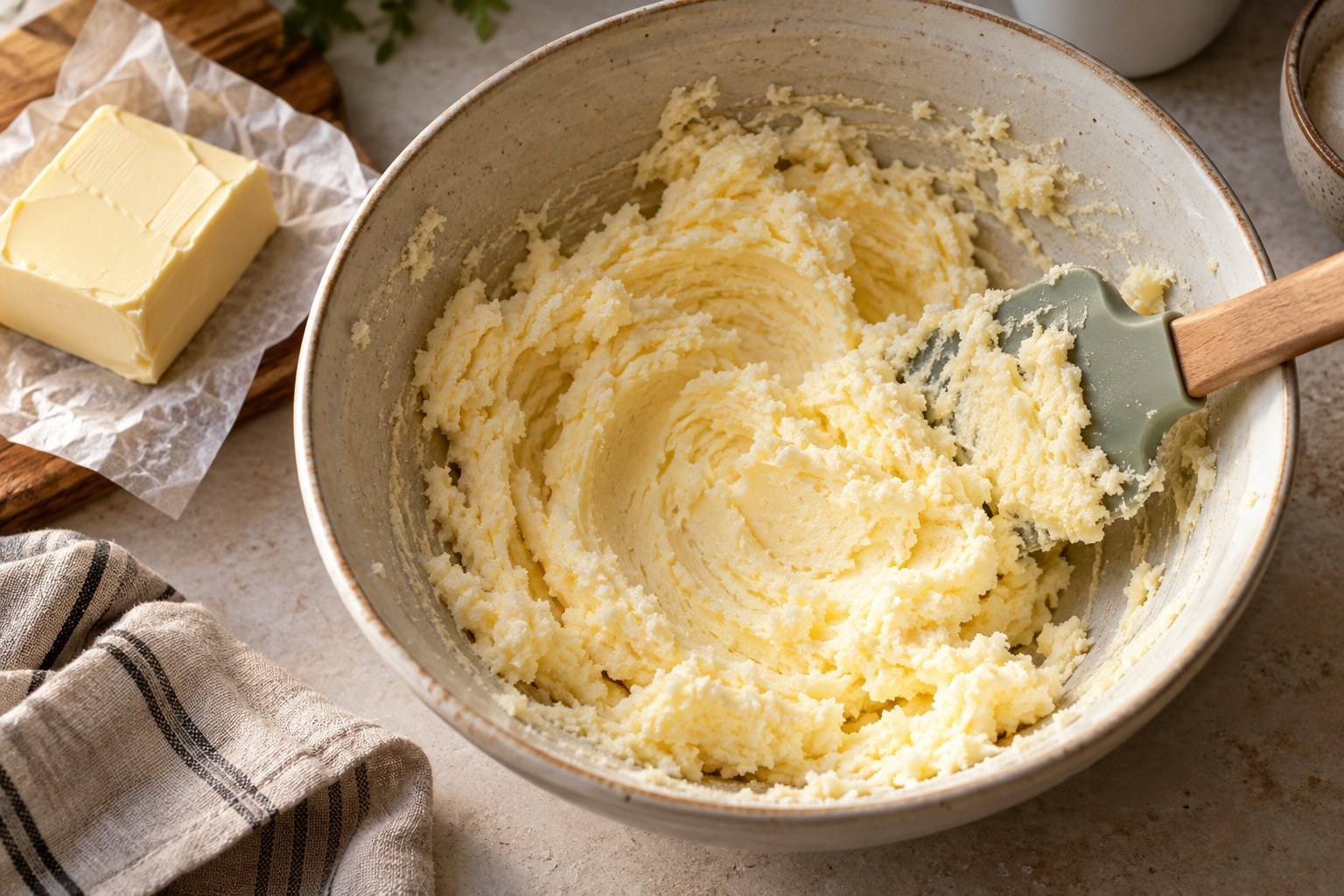
If the recipe begins by creaming butter and sugar, do not automatically swap in liquid oil. Creaming traps air in a plastic fat; oil cannot perform that same physical job. You may still be able to develop an oil-based version, but that is a reformulation rather than a direct substitution.
Pie crust, biscuits, and laminated pastry
These recipes depend on relatively firm pockets or layers of fat. Choose a cold, firm plant-based block or baking stick rather than a liquid fat. Work quickly, keep the dough cool, and minimize handling. The exact fat melting point and water content will influence flakiness, so expect some variation even when the weight is unchanged.

For croissants and puff pastry, technique matters as much as ingredients: a soft fat can squeeze out during rolling, while a brittle one can break into patches. Advanced laminated baking is another case where a tested vegan recipe and a suitable pastry fat are safer than assuming a universal swap.
Melted butter, neutral oil, and coconut oil
When butter is melted into a brownie, muffin, or quick bread batter, neutral oil may be an option. However, replacing melted butter with an equal volume of oil adds a different proportion of fat and water, so results may be greasier. A reasonable test is to start with a recipe already designed for oil, or make a small batch and adjust the formula deliberately.
Coconut oil solidifies when cool and can contribute texture, but it is not a universal substitute for dairy butter. It can make chilled desserts feel firm and bring coconut flavor unless refined. Its behavior in laminated pastry and creamed cakes differs from butter-style products. Choose based on the recipe, not the idea that one fat is automatically more “vegan-friendly” for every purpose.
Chocolate, sugar, honey, gelatin, and other easily missed ingredients
Some recipes contain animal-derived ingredients outside the obvious eggs-and-dairy list. Milk chocolate and white chocolate commonly contain dairy, so look for explicitly dairy-free products. Dark chocolate is not automatically vegan; check the ingredient label for milk fat, milk powder, whey, or other dairy ingredients. For dietary restrictions or allergies, look at allergen and cross-contact statements as well.

Replace honey with maple syrup, agave, or another vegan liquid sweetener when its flavor and moisture fit the dish. In baking, swapping syrups is not always a neutral change: acidity, water content, sweetness, and browning can affect texture. Start with a small test, especially in candies or recipes where syrup chemistry is central.
Gelatin is animal-derived. Agar-agar, pectin, carrageenan, and some starches can set or thicken plant-based desserts, but they do not behave identically and should not be swapped measure for measure without a specific tested formula. Agar typically produces a firmer, more brittle gel than gelatin. For panna cotta, marshmallows, jellies, and gummy candies, choose a vegan recipe built around the setting ingredient you intend to use.
White sugar is plant-derived, but processing practices vary by manufacturer and location; people following strict vegan standards may choose products clearly labeled vegan or suppliers that document their processing. Also check ready-made pastry, breadcrumb mixes, pie crusts, pesto, and sauces for hidden dairy, eggs, meat stock, anchovies, or fish sauce.
How to replace cheese in savory dishes
The best replacement depends on whether the cheese supplies melt, stretch, salt, tang, richness, or umami. Different cheeses do different jobs, and vegan versions differ just as much.
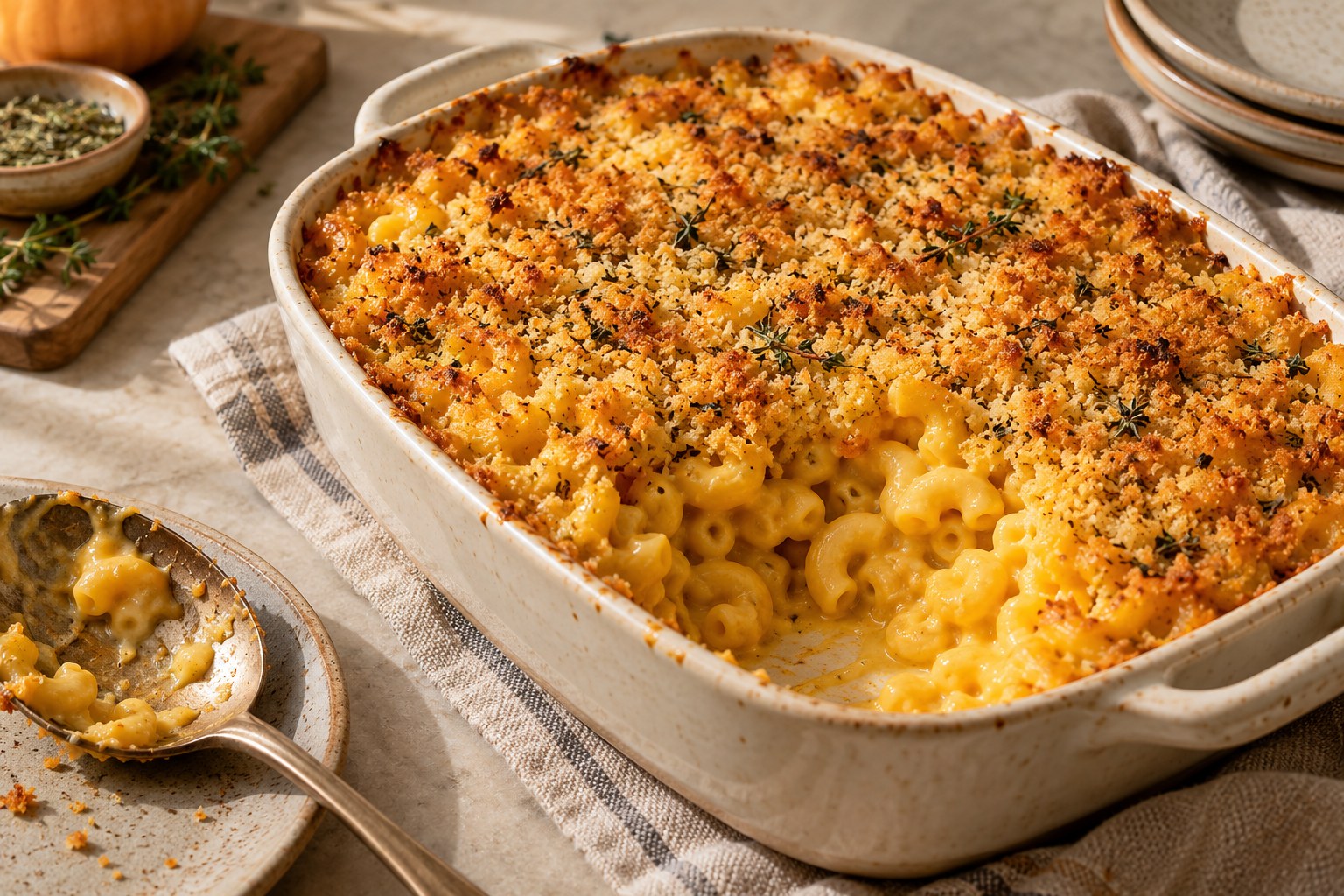
For a smooth pasta sauce, blended soaked cashews, cooked vegetables, unsweetened plant milk, lemon juice, miso, and nutritional yeast can create a savory, creamy result. The flavor will not be identical to cheddar, but it can be satisfying on its own terms. For a baked topping, choose a plant-based cheese that actually melts under heat; brands and varieties perform differently. For sharpness, add a little acid. For savoriness, mushrooms, miso, roasted garlic, or nutritional yeast may help.
To see how those techniques come together, try our Vegan Mac and Cheese. Its sauce is built around cashews and vegetables rather than relying on a mysterious one-for-one swap for dairy cheese. If using packaged vegan cheese, start conservatively and taste after heating: some products melt smoothly while others remain firm or become oily.
Replacing meat: Match texture, protein, and flavor
A good meatless dish should offer more than a vaguely similar appearance. Ask what the meat contributes: chew, savory flavor, fat, protein, or the ability to hold a shape.
Lentils work well in some meatballs, taco fillings, and hearty sauces when combined with aromatics and a binder. Crumbled firm tofu can take on seasonings and browning; press it when excess water would dilute a filling. Tempeh has a firmer bite and fermented flavor. Mushrooms contribute savoriness and moisture but may need to be cooked down before they are added to pastry or casseroles. Jackfruit can imitate pulled or shredded texture, but it contributes relatively little protein compared with beans, soy, or seitan. Seitan offers a chewy wheat-protein texture, but it is unsuitable for people who must avoid gluten.
Instead of dropping lentils into a beef-based recipe at a strict 1:1 weight ratio, think about moisture and seasoning. Brown mushrooms first, drain watery ingredients, add a binder if needed, and taste for salt, acidity, and umami. Our Vegan Meatballs demonstrate one approach using lentils, mushrooms, flaxseed, oats, and breadcrumbs to build a cohesive mixture.

For seafood-flavored dishes, use ingredients such as seaweed, lemon, capers, or dill thoughtfully, depending on the flavor you want. A familiar seasoning profile may be easier to preserve than the original texture. Check sauces too: Worcestershire sauce may contain anchovies, and many Asian-style condiments contain fish or oyster ingredients. Vegan alternatives are available, but read the label.
Converting cakes, muffins, cookies, brownies, and breads
Individual ingredients make more sense once you consider the entire recipe. Different baking categories tolerate different degrees of substitution.
Cakes and cupcakes: Protect the rise and crumb
Start with a simple single-layer cake or cupcake rather than a towering sponge. Check whether the original relies on baking powder or soda, creamed butter, separated eggs, or whipped egg whites. A chemically leavened cake is often easier to adapt because its rise is not entirely dependent on eggs.
Choose a plant milk that fits the batter, use an appropriate fat, and match the egg replacement to the recipe’s structure. Do not randomly add baking powder to compensate for every missing egg; excess leavening can cause a rapid rise followed by collapse or a harsh taste. Mix only as directed, use an accurate pan size, and test for doneness in the center.
For a dependable starting point, use a cake formulated to be vegan, such as our Vegan Chocolate Layer Cake or Vegan Vanilla Bean Cupcakes. Compare their liquid, fat, acid, and leavening systems with your original recipe to understand the choices a tested formula makes.
Cookies: Control spreading, binding, and chew
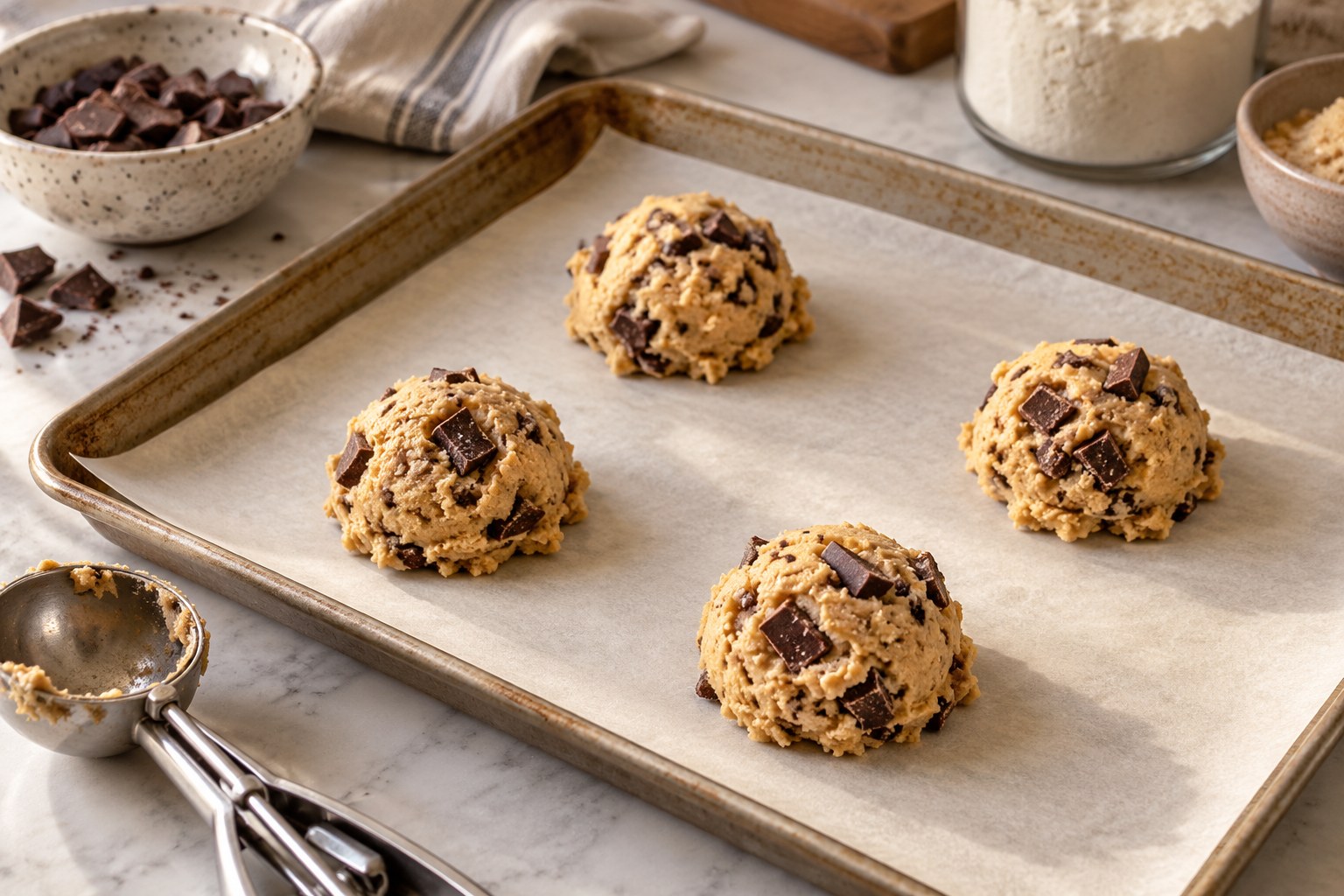
Cookie texture depends on flour, sugar, fat consistency, water, mixing, and oven temperature. When adapting butter cookies, a firm vegan baking stick is a sensible first test. If the recipe uses one egg primarily to bind, a flax gel or another binder may work; if it uses multiple eggs to create a particular structure, results will be more variable.
Before changing the amount of flour, consider whether your replacement fat is unusually soft. Chill the dough if the recipe permits it, bake a two-cookie test, and watch the edges. Very warm dough, oily fat, or excess liquid can cause spreading. Too much seed gel can yield a gummy center. Too little moisture can make a cookie crumbly rather than chewy.
Our Vegan Chocolate Chip Cookies use vegan butter, plant milk, and cornstarch instead of a conventional egg-and-dairy system. They are a useful example of the broader formula working together rather than relying on one substitution.
Muffins and quick breads: Often the easiest experiments
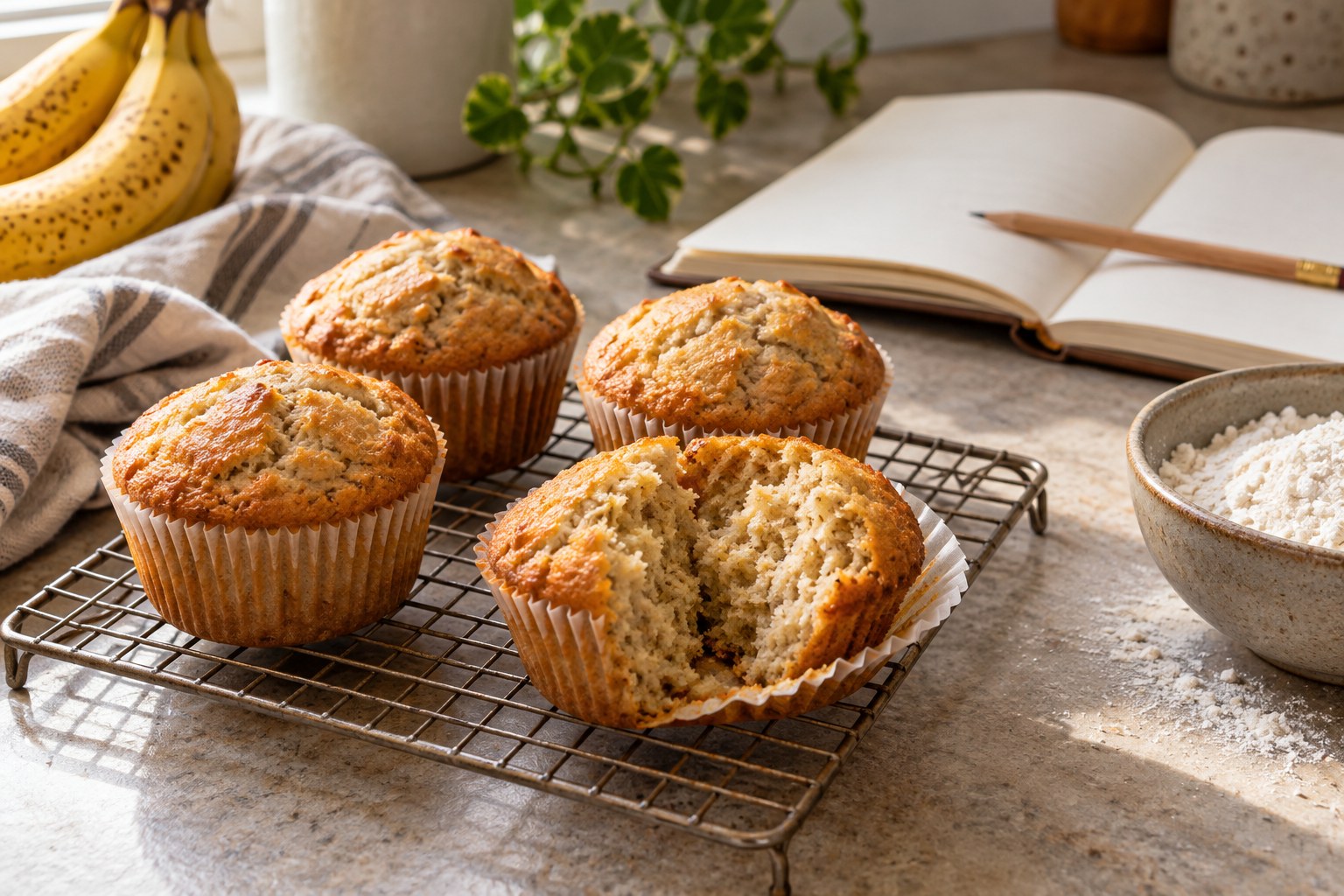
Because many muffins and quick breads are stirred together rather than whipped, they are good places to practice substitutions. A small amount of flax gel, aquafaba, or a compatible fruit purée may work, depending on the batter. Use plant milk and an appropriate oil or vegan butter, but keep in mind that bananas, pumpkin, and applesauce already contribute considerable moisture.
Avoid overmixing once flour meets liquid. If muffins tunnel or become tough, mixing may be part of the problem. If the center remains sticky despite a deeply browned exterior, check pan size, excess purée, underbaking, and whether the leavening ingredients were measured correctly. For an established plant-based reference, try the Vegan Gluten-Free Banana Bread; because it is also gluten-free, its structure requires more deliberate attention than ordinary wheat-flour banana bread.

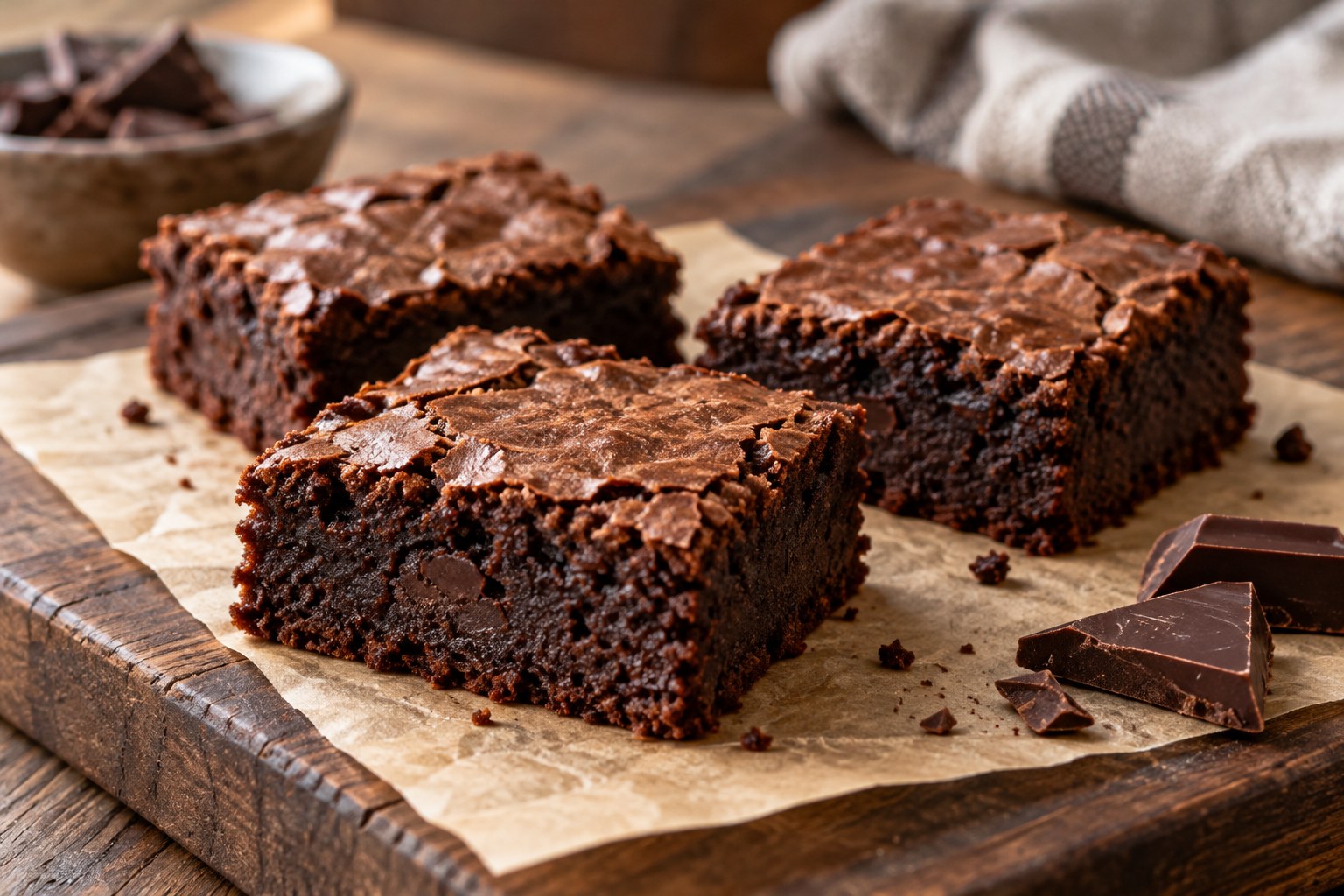
Brownies and bars: Decide whether you want fudgy or cakey
Brownies use eggs differently depending on the desired result. A dense, fudgy square is not the same project as a tall, cakey brownie with a shiny, crackly top. Replacing eggs may change emulsification, setting, chew, and surface appearance. Aquafaba may be a helpful experiment in some brownie recipes, but the substitution is not universally successful.
Choose the texture you care about most, then test a small pan. Make sure the chocolate is dairy-free, keep the sugar and fat balance under control, and allow the brownies to cool before judging whether they have set. If you are converting a particularly egg-heavy recipe, look for a tested vegan brownie formula rather than attempting to rescue an unstable mixture by adding extra flour halfway through.
Yeast breads, dinner rolls, and rich doughs
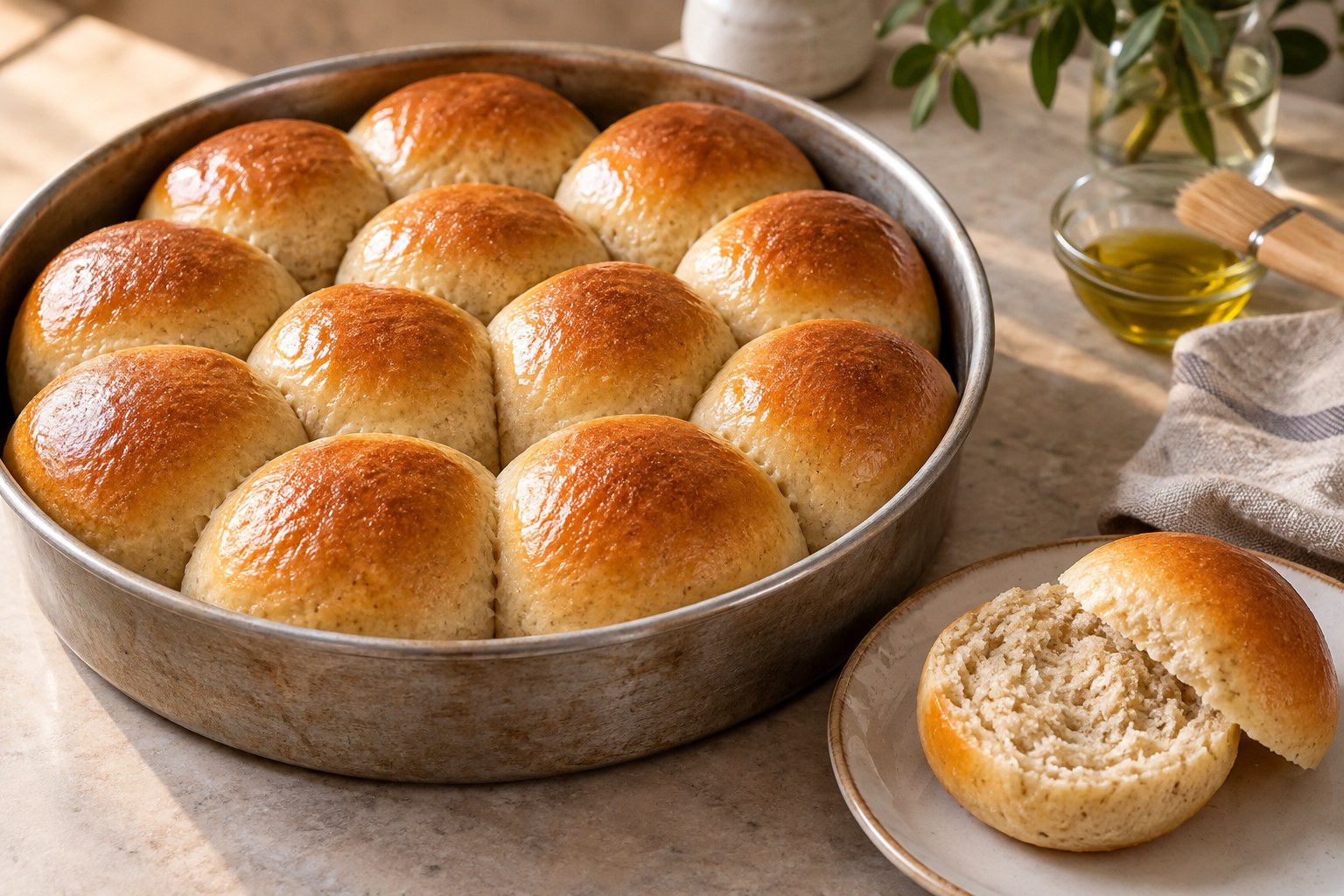
Basic lean bread often contains only flour, water, yeast, and salt, so it may already be vegan. Enriched breads, brioche-style loaves, cinnamon rolls, and soft dinner rolls may include milk, butter, eggs, and a honey glaze. Each ingredient influences softness, richness, color, and browning.
You can often replace dairy milk with unsweetened plant milk and butter with suitable vegan butter, while an egg may require a binder or a more extensive change to the dough’s hydration and structure. Keep the dough soft enough to expand without becoming unmanageable. Judge yeast fermentation by dough volume and feel rather than relying solely on a clock. For a specialty example, see our Vegan Gluten-Free Dinner Rolls; gluten-free formulas have their own binding and hydration requirements and should not be treated as an effortless conversion of wheat rolls.
Pie crust and pastry: Temperature matters
A pie crust is often one of the more manageable vegan adaptations if the original uses cold butter and water without eggs. Use a suitable chilled vegan baking fat, keep the liquid cold, and avoid overworking the dough. If your crust shrinks, look at stretching, overhandling, resting time, and oven technique rather than blaming the absence of dairy butter alone.
For laminated pastries, exact fat plasticity is especially important. For custard-filled pastries or cream pies, you may need a plant-based filling with its own thickening system. When several technically demanding components must be converted simultaneously, a recipe developed from the outset for plant-based baking will often save ingredients and frustration.
Savory recipes: Sauces, casseroles, soups, and one-pot meals
Many savory recipes are forgiving once you replace obvious animal products and rebuild the flavor. Creamy sauces may need a plant-based culinary cream, a blended bean or cashew base, or a roux with vegan butter and unsweetened plant milk. Add acids such as lemon near the end when their flavor is useful, and be careful when boiling products that may split.
Casseroles need the right balance of filling moisture and a topping that browns. Cook vegetables that release lots of water before layering. Replace meat with well-seasoned beans, lentils, mushrooms, tofu, or another suitable protein. Replace dairy cheese based on whether it is supposed to melt through the casserole or simply form a savory top layer.
Soups and stews are often easiest of all: swap animal stock for a flavorful vegetable stock and use beans, lentils, tofu, or vegetables for body. A little miso, mushroom, tomato paste, or caramelized onion can build depth. If the soup originally relies on cream, choose a product or blended base appropriate for heating. Always taste at the end; a recipe with no animal ingredients can still be flat if its salt, acidity, and savory notes are out of balance.
A substitution chart worth keeping in your kitchen
This chart is a practical starting point, not a guarantee that every recipe will work unchanged.
- 1 egg for binding — Starting vegan alternative: 1 tbsp ground flax + 3 tbsp water — Best use and limitation: Hearty cookies, bars, quick breads; not whipped sponges
- 1 whole egg in a suitable batter — Starting vegan alternative: About ¼ cup canned aquafaba — Best use and limitation: Test in basic cakes or muffins; weaker structure in foam cakes
- 1 egg white in suitable recipes — Starting vegan alternative: About 2 tbsp canned aquafaba — Best use and limitation: Whipped meringues need a tested formula
- 1 egg for moisture — Starting vegan alternative: About ¼ cup unsweetened applesauce — Best use and limitation: Moist quick breads; may become dense
- Dairy milk — Starting vegan alternative: Equal volume unsweetened plant milk — Best use and limitation: Common starting point for muffins, cakes, and sauces
- Buttermilk — Starting vegan alternative: 1 tbsp vinegar/lemon plus plant milk to make 1 cup — Best use and limitation: Acidic quick breads; not identical in thickness
- Butter in cookies or pastry — Starting vegan alternative: Similar weight of firm vegan butter — Best use and limitation: Check fat, water content, and softness
- Heavy cream in a savory sauce — Starting vegan alternative: Plant cooking cream or blended cashews — Best use and limitation: Match heat stability and desired flavor
- Cream cheese in a baked dessert — Starting vegan alternative: Tested plant-based cream cheese formula — Best use and limitation: Setting may require extra structure
- Ground meat in a filling — Starting vegan alternative: Seasoned lentils, mushrooms, tofu, or mix — Best use and limitation: Adjust binder, water, and savory seasoning
- Honey — Starting vegan alternative: Maple syrup or agave — Best use and limitation: Rebalance sweetness and liquid when necessary
- Gelatin — Starting vegan alternative: Agar, pectin, or another tested vegan gelling system — Best use and limitation: Never assume a 1:1 substitution
How to plan a first conversion without wasting ingredients
Choose a recipe you already know well. If you have never made the original, you will not know whether an unexpected texture comes from your swap or from the recipe itself. Make a small batch if possible, while keeping the ingredient ratios intact. A half batch may need a smaller pan and a different baking time, so take notes.
Write the original formula in grams where possible. Record your proposed changes alongside it. Decide what a successful result looks like: a chewy center, a soft crumb, a crisp edge, a sauce that does not split, or a filling that holds a slice. Those specific goals are more helpful than simply saying the food should taste “just like the original.”
For example, if converting a simple banana muffin, you might retain the original flour and spices, switch milk to unsweetened soy milk, replace melted butter with an appropriate vegan fat, and test one binding alternative. You would not simultaneously add more banana, lower the sugar, and substitute almond flour unless there were clear reasons to do so. Those extra changes obscure what worked.
After the trial, record the mixing method, batter appearance, actual oven temperature if known, bake time, resting time, and cooled texture. If the batter seemed much thinner than usual, note that before you forget. If the outside browned too quickly while the center remained wet, the next trial might call for adjusting the pan, liquid balance, or baking method—not an arbitrary extra spoonful of flour.
Troubleshooting vegan recipe conversions
My cake is dense or gummy
Possible reasons include too much applesauce or banana, too much flax gel, inadequate structural support, overmixing, or underbaking. Check whether the original recipe depended on whipped eggs. If so, a one-for-one replacement may never create the intended crumb. For a chemically leavened cake, confirm the quantities and freshness of baking powder or baking soda and avoid adding heavy purées without recalculating the liquid balance.
My cookies spread into thin puddles
Check whether you used a soft tub spread rather than a firm baking stick, whether the dough was very warm, and whether your egg substitute contributed extra water. Bake a small test portion after chilling if the dough type permits it. Do not keep adding flour in large amounts without testing: the cookies may turn dry and floury rather than properly structured.
My muffins are dry and crumbly
You may have lost binding or tenderness, measured too much flour, or baked them too long. Weigh flour, check the recipe’s intended fat, and choose a binder that suits quick breads. A small amount of plant milk may help in some formulas, but excessive extra liquid can make the center gummy. Look at the cooled texture before making changes.
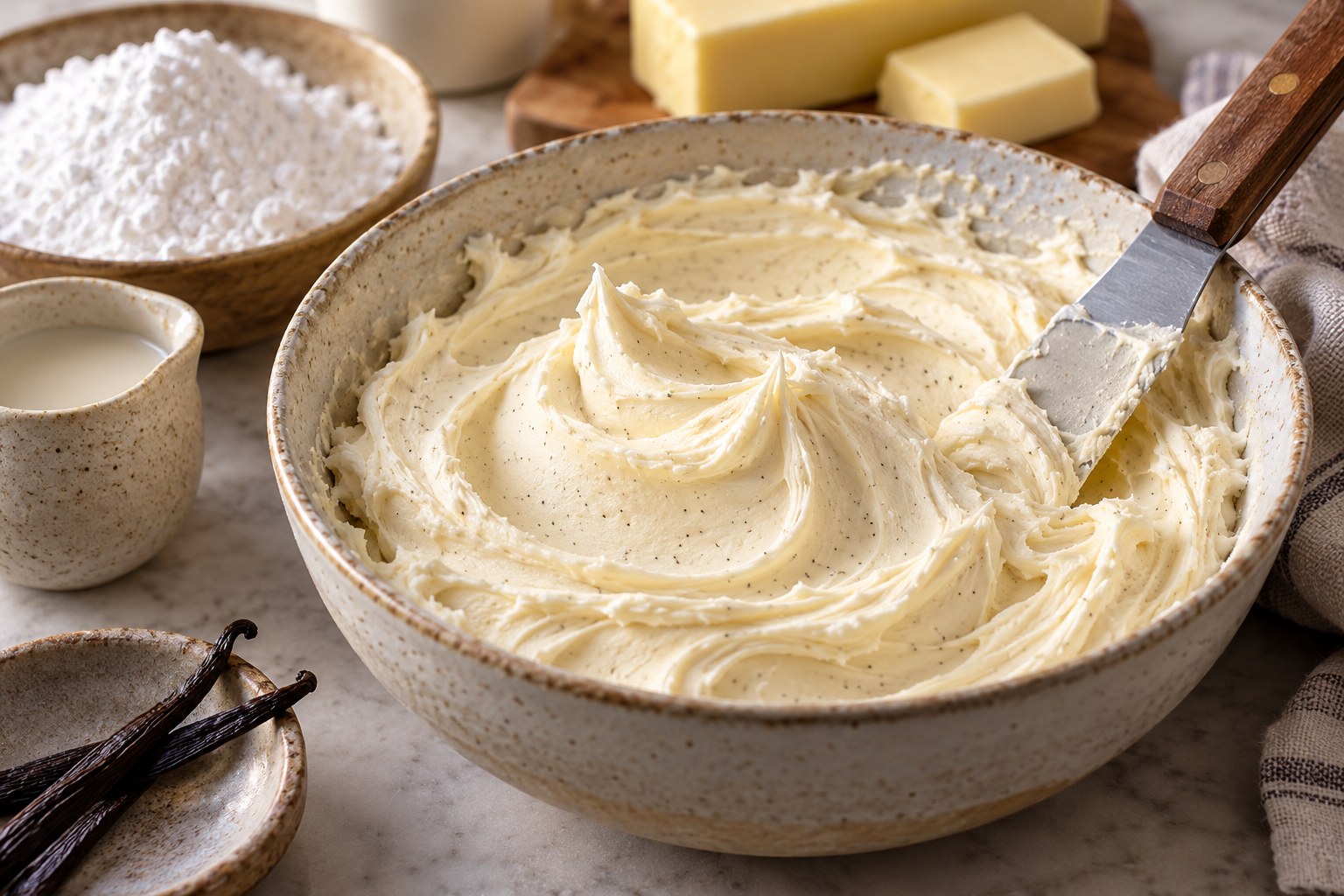
My vegan buttercream is runny or split
Fat type and temperature matter. Some vegan butters are softer or contain more water than their dairy counterparts. Begin with a product intended for baking or frosting, keep ingredients at compatible temperatures, and adjust gradually. If the frosting is too soft, chilling briefly can help; if it is grainy, investigate undissolved sugar or mixing technique before adding more ingredients.
My cream sauce separates
Some plant creams do not tolerate prolonged hard boiling or added acid. Reduce the heat, use a product intended for cooking, and whisk gently. If using cashew cream, blend thoroughly and adjust the water to achieve a smooth consistency. Add lemon juice after the sauce has thickened when possible, rather than during a vigorous boil.

My vegan cheese will not melt
Some products are designed mainly for slicing or cold use. For a smooth sauce, consider grated melt-friendly alternatives or build a creamy base first. Moisture, acidity, and heat affect the result, and different brands react differently. Avoid expecting a cold, firm slice to behave exactly like dairy mozzarella.
My loaf or bread is heavy
The dough may have too much substitute, insufficient gluten development where wheat is used, weak fermentation, or an unsuitable flour blend. A high-hydration gluten-free roll and an enriched wheat loaf need completely different methods. Check that yeast is active and that proofing is appropriate, but remember that a formula designed around eggs may need more than a simple flax substitution.
Read labels carefully: Vegan is not the same as allergy-safe
A vegan recipe excludes animal-derived ingredients, but it is not automatically gluten-free, nut-free, soy-free, or safe for someone with a food allergy. Many plant-based milks contain soy or nuts. Cashew cream contains tree nuts. Seitan is made from wheat gluten. Some dairy-free products are produced in facilities that also handle milk, and vegan chocolate may carry precautionary allergen labeling.
If you are cooking for someone with a diagnosed allergy, check each packaged ingredient and consider manufacturing cross-contact guidance relevant to that person's needs. Do not promise that a finished dish is allergen-free solely because its ingredient list is plant-based. Be especially cautious at potlucks, school events, and shared baking spaces.
Nutrition deserves the same care. Vegan does not automatically mean lower in calories, saturated fat, or sugar. Coconut-based substitutes may be high in saturated fat, and a plant-based dessert can still contain plenty of refined sugar. For main meals, think about satisfying protein sources, vegetables, grains, and other components of a balanced dish. A good conversion should be both enjoyable and appropriate for the people eating it.
Verified plant-based recipes to try first
When you want to enjoy the finished bake without troubleshooting several substitutions at once, choose a formula already written as vegan. These What’s Baking? recipes are useful starting points:
- Vegan Chocolate Layer Cake: a cocoa-rich cake built with plant milk and oil rather than eggs and dairy butter.
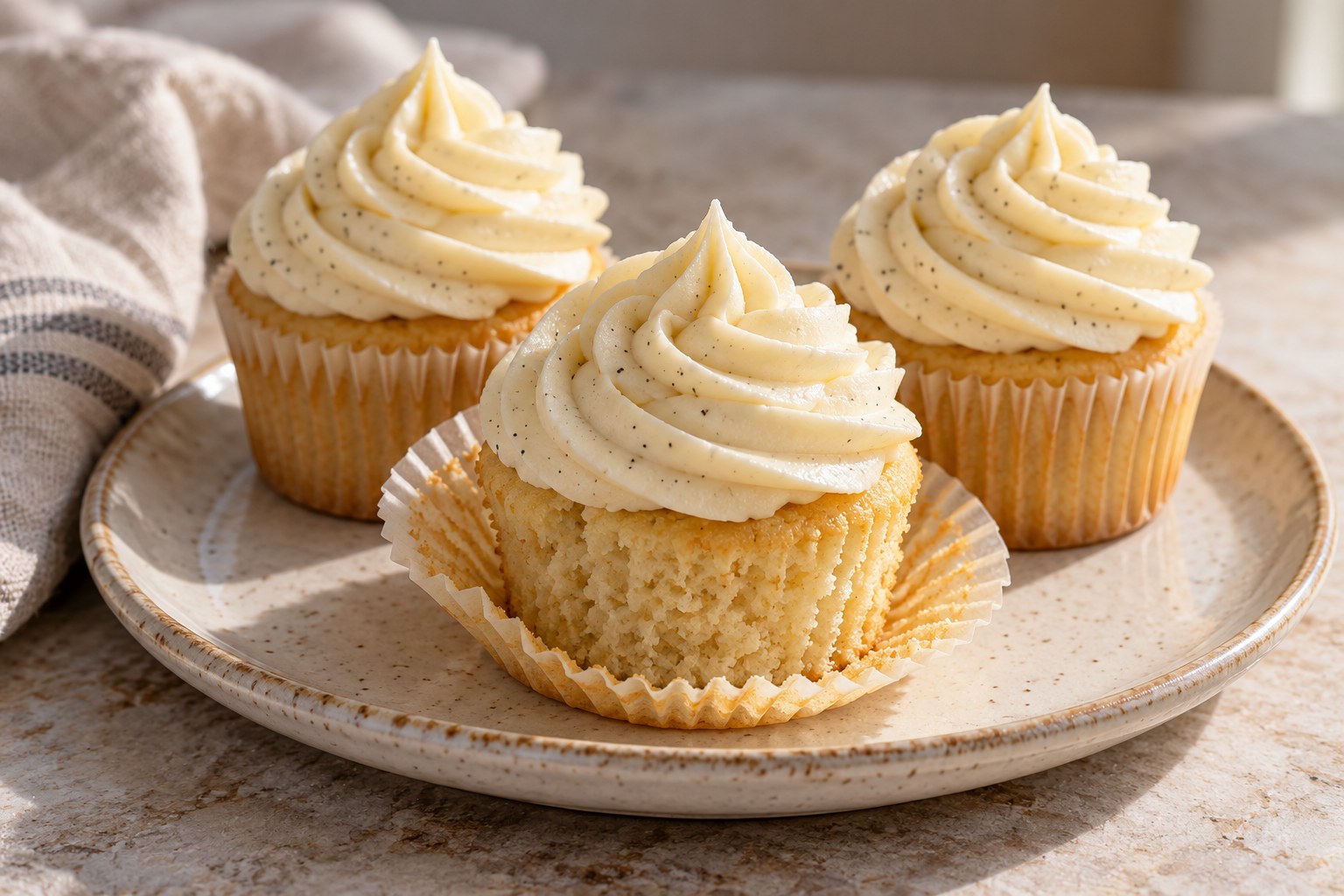
- Vegan Vanilla Bean Cupcakes: a helpful example of combining plant milk, acid, and leavening for a tender cupcake.
- Vegan Chocolate Chip Cookies: a practical study in vegan butter, plant milk, and cornstarch.
- Vegan Gluten-Free Banana Bread: a plant-based loaf whose binding and flour blend are designed to work together.
- Vegan Mac and Cheese: a creamy, savory sauce built from cashews and vegetables.
- Vegan Meatballs: a lentil-and-mushroom approach to savory binding and texture.
- Vegan Cheesy Garlic Biscuits: an example of plant-based butter, plant milk, and dairy-free cheese in a quick bread.
These links lead to existing recipes in our collection. Review the full recipe instructions and any dietary needs before preparing them. If you are just starting, choose one project whose ingredients and method feel familiar rather than the most complex recipe on the list.
Frequently asked questions about making recipes vegan
Can I replace every egg in a recipe with a flax egg?
No. Flax gel is useful for binding in many cookies, bars, muffins, and some breads, but it cannot recreate the foam and structure of several beaten eggs. Egg-heavy sponges, soufflés, and traditional macarons are much better approached using recipes designed as vegan from the outset.
Is almond milk always a 1:1 replacement for milk?
It is often a reasonable starting point by volume in simple baking, especially when the dairy milk mainly adds liquid. But almond milk is typically lighter than whole dairy milk and may provide different protein and fat levels. In richer recipes, unsweetened soy milk or a suitable creamier alternative may produce a closer result. Choose based on the finished texture you need.
Should I add more baking powder when I remove eggs?
Not automatically. Eggs provide structure, emulsification, and sometimes lift, but adding baking powder only addresses one possible function. Excess leavening can create off-flavors or collapse. First determine whether the recipe already has chemical leavening and whether it depends on whipped eggs for aeration.
Can I use coconut oil instead of butter in everything?
No. Coconut oil differs from butter in water content, melting behavior, and sometimes flavor. It may work well in specific melted-fat applications, but it does not reproduce the aeration of creamed butter or reliably perform like a firm pastry block. Use a recipe-specific approach.
What can I use instead of heavy cream for pasta?
An unsweetened plant-based cooking cream is convenient. Blended cashews, white beans, or another creamy vegetable base can also work, depending on the recipe. Consider the desired body, flavor, allergens, and how the sauce behaves when heated.
Is a vegan recipe automatically healthier?
No. Plant-based food can be delicious and suitable for many eating patterns, but the nutritional profile depends on the whole recipe. Highly sweetened desserts, coconut-heavy frostings, and refined pastries remain rich foods. Judge each recipe by ingredients, portions, and personal nutritional needs rather than the vegan label alone.
Why does my converted recipe taste different even when the texture works?
Butter, eggs, dairy, and meat all contribute flavor as well as structure. Vegan butter brands taste different; plant milks vary in sweetness; tofu and legumes have characteristic notes. Use vanilla, citrus, toasted nuts, herbs, spices, acidity, and savory seasonings where appropriate, without hiding every ingredient under excessive sugar or salt.
What is the easiest first recipe to veganize?
A simple muffin, quick bread, oatmeal cookie, basic soup, or tomato-based pasta sauce is often more forgiving than an egg-foam cake, croissant, or baked cheesecake. Choose something you have made successfully before and change only the necessary animal-based ingredients for the first test.
Final thoughts: Keep the recipe’s purpose, not just its ingredient list
Learning to convert recipes into vegan versions is a skill built one small experiment at a time. Instead of asking “What can I replace this ingredient with?” ask “What result was this ingredient helping me create?” That shift in thinking makes substitutions more intentional and helps you troubleshoot with confidence.
Start with an approachable recipe. Use ingredients suited to the texture you want, measure carefully, and keep notes. When the original relies on a technical egg foam, a precise gel, or a complicated butter structure, choosing a tested vegan formula is not cheating—it is good baking judgment.
For more ideas, explore the plant-based recipes collection and our Beginner’s Guide to Vegan Baking. With a few reliable methods, your favorite cookies, cakes, breads, sauces, and comforting dinners can become wonderful plant-based dishes in their own right.
IN PICTURES
From the baking notebook
FROM THE RECIPE BOX


