On this page
A celebration cake can borrow the fragrance of a cocktail without trying to reproduce an entire drink in sponge form. Orange zest brings a Negroni-inspired cake to life; ginger and lime make a rum cake feel like a Dark ’n Stormy; grapefruit and a restrained touch of salt transform an ordinary Bundt cake into something memorable. The trick is to respect the cake as much as the cocktail: flour, eggs, temperature, structure and moisture still determine whether the dessert succeeds.
This guide explores verified What’s Baking? recipes across bitter Italian aperitif flavours, rum, tequila and whiskey, with notes on balancing flavours, assembling layers, packaging, storage and adult-only service. It also identifies two linked items that are not cocktail cakes: Manhattan cocktail truffles, and a cranberry-almond Bundt cake with no added cocktail spirits. They remain useful companions, but describing them accurately gives readers a better experience.
Important: These recipes are intended for adults who choose to consume alcohol. Many contain spirits in unbaked syrups, glazes, or frostings. Do not assume that baking makes an alcoholic dessert alcohol-free. Anyone who avoids alcohol should choose a fully tested alcohol-free cake instead of making an improvised one-to-one substitution. Always read the linked recipe card for its exact quantities, instructions, chilling time, and allergen information.
First, choose the kind of celebration cake you actually want
For a casual garden party, a one-pan Bundt or sheet cake is easier to transport and slice than a three-layer construction. A rum punch or classic margarita Bundt can hold its shape on a stand and can often be decorated simply. A Mai Tai layer cake asks for more time, more pans, and careful management of filling and buttercream; save it for an occasion when you can assemble and chill it calmly.
Consider the audience before the flavour. Guests who enjoy bitter aperitifs may appreciate the strong Campari notes of a Negroni Sbagliato cake. Others will prefer the familiar citrus and vanilla flavours of a mojito or a piña colada sheet cake. At a mixed gathering, provide a clearly labelled no-added-alcohol dessert prepared from a recipe whose complete ingredient labels have been checked; do not merely hope that a rum glaze has become harmless after sitting out.
Build around three decisions: the cake structure (Bundt, sheet, round or layered), the dominant flavour (citrus, ginger, coconut or warm spice), and the finish (syrup, glaze, buttercream or whipped cream). These decisions determine how far ahead you can bake, how you will transport it, and whether the cake can safely remain on a dessert table.
The baker’s flavour map: What each spirit contributes
Rum offers caramel-like, molasses or tropical notes depending on the style. Dark rum pairs particularly well with pineapple, brown sugar and ginger; white rum lets mint and lime remain more prominent. A rum-containing syrup added after baking may deliver flavour more directly than an equal quantity incorporated into batter, but it also adds liquid and alcohol.

Tequila works best when anchored by lime, grapefruit, orange and a carefully controlled salt accent. The sharpness can brighten a rich butter cake, but large additions of juice, tequila or triple sec can alter the batter's liquid balance. The linked recipes already make those structural choices for you.
Whiskey or bourbon adds a warming quality alongside cherry, orange, aromatic bitters and mint. It is especially effective with a butter cake or a chocolate filling. Whiskey can overpower delicate frosting, so the proportions in the recipe's syrup and glaze are meaningful, not optional guesses.
Campari and vermouth introduce a distinctive bitterness and herbal flavour. They are not simply interchangeable with orange juice. Meanwhile, prosecco or other sparkling wine may feature in a baked sponge or syrup, but the effervescence itself is unlikely to survive mixing and baking as bubbles in the finished cake. Aim for the cocktail's recognizable flavour balance rather than pretending it remains carbonated.
Verified cocktail-inspired cakes and companion desserts
1. Negroni Sbagliato Cocktail Cake
Italian aperitif and sparkling-wine flavours
This is a 23 cm round cake built with butter, eggs, self-raising flour, orange zest, Campari, sweet vermouth and prosecco. The separate syrup also contains those three drinks; the powdered-sugar glaze uses Campari. The published recipe does not require a prosecco reduction, despite what the older article claimed.
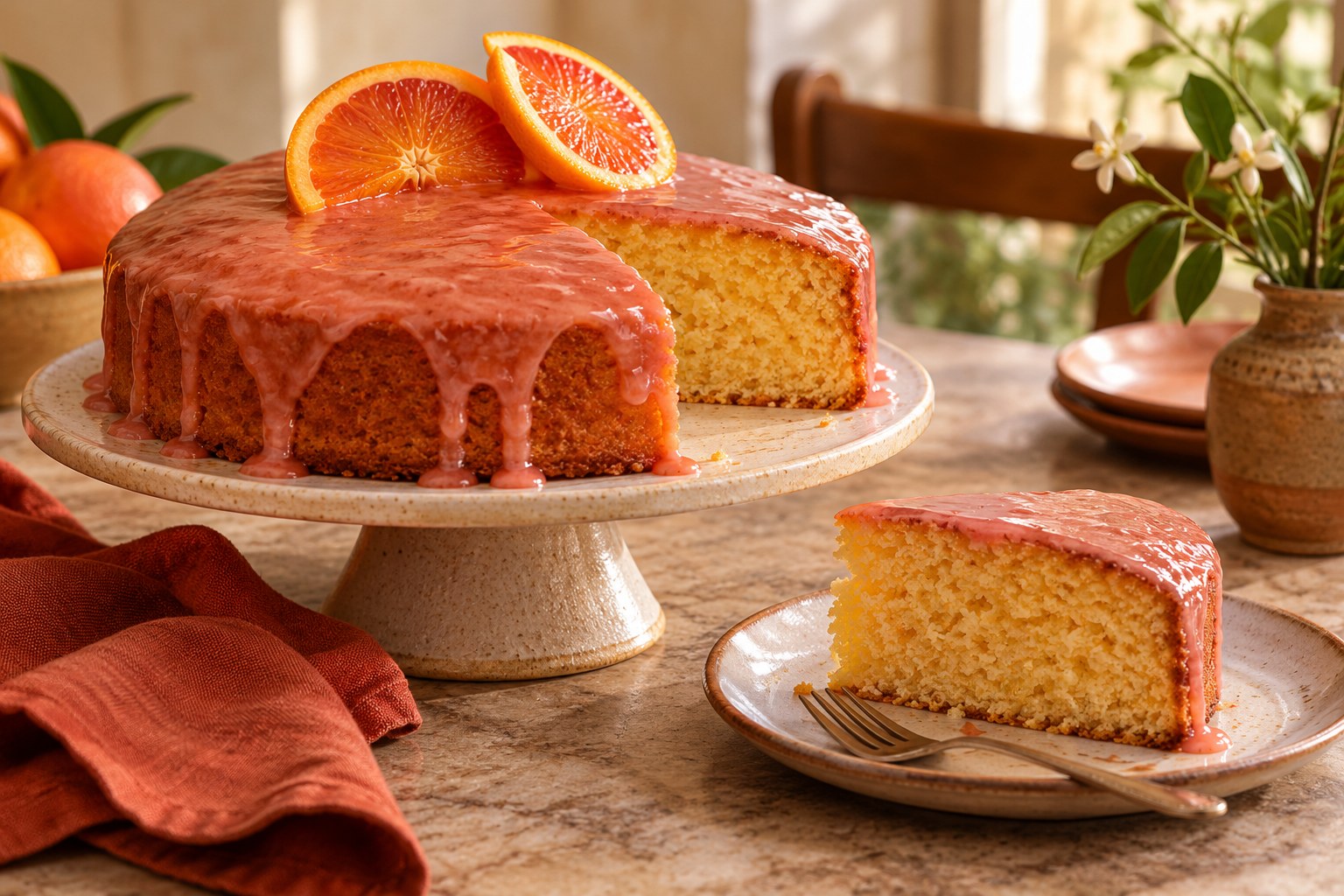
Baking focus: The main challenge is bitterness. Campari brings a pronounced bitter-orange edge, while sugar and the warm sponge soften it. Keep the orange zest fresh, follow the original batter divisions and do not flood the cake with extra syrup. If the cake has several flavour zones, their contrast is intentional.
Serving idea: Serve thin slices after an adult dinner, with a simple orange garnish. Label Campari, vermouth and prosecco clearly; they appear in components added beyond the baked batter.
2. Rum Punch Cocktail Cake
Rum and tropical Bundt cake
The recipe uses dark rum, pineapple juice, orange and lime zest, and drained crushed pineapple in a butter cake. A separate rum-and-pineapple soak and rum-lime glaze reinforce those flavours. The original blog invented a caramelized-pineapple filling that the recipe does not contain.
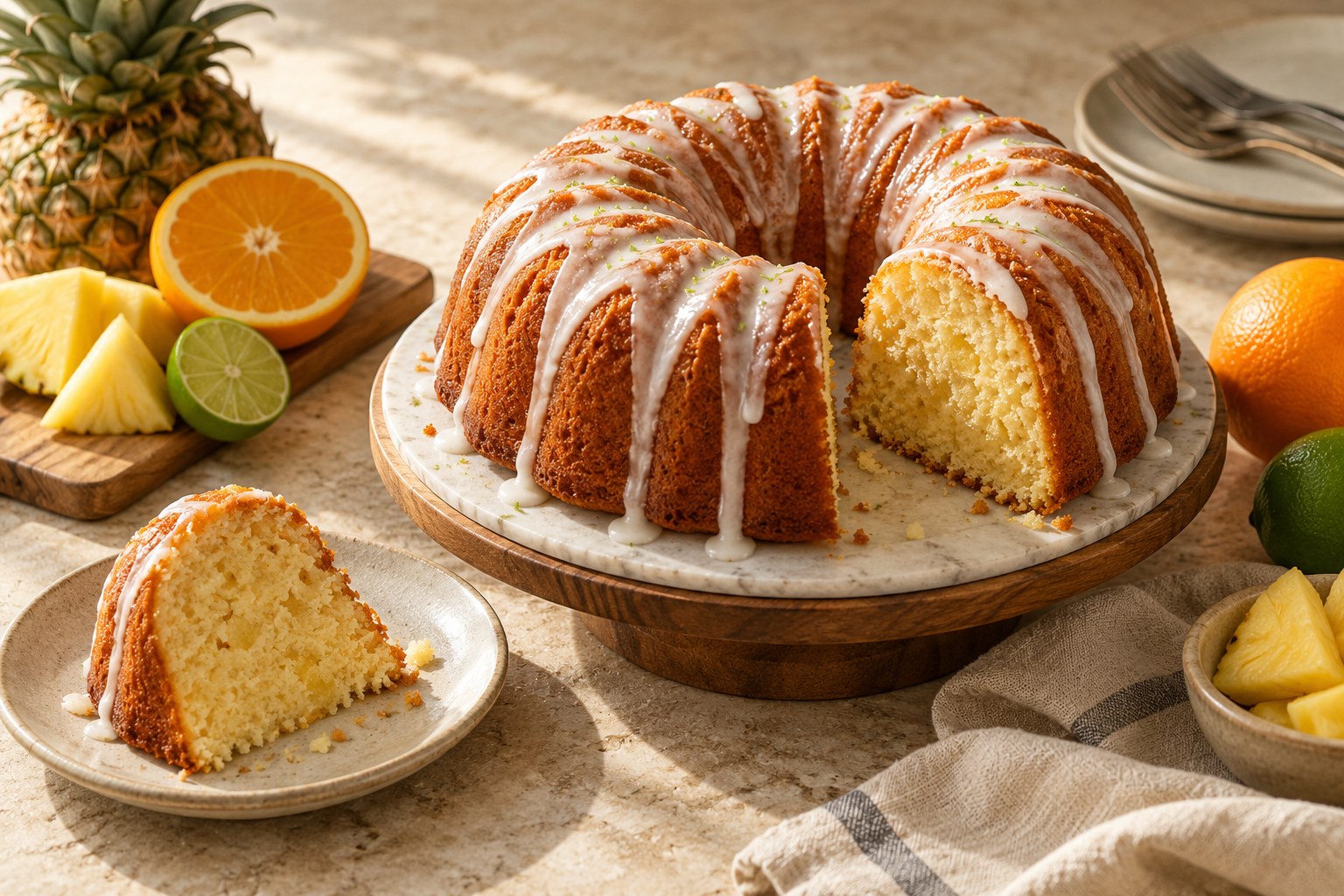
Baking focus: Bundt pan preparation matters because sweet fruit cakes can cling to detailed ridges. Grease and flour the crevices thoroughly; allow the cake to release at the stage specified. Drain the pineapple as instructed so the batter is not unexpectedly wet.
Serving idea: A light layer of toasted coconut or citrus zest is enough to echo the tropical ingredients. Because rum is present in the soak and glaze, this remains an alcoholic dessert after baking.
3. Mai Tai Cocktail Cake
Layered almond, citrus and rum cake
The three-layer cake contains self-raising flour and ground almonds, buttermilk, orange and lime zest. The filling is a cooked pineapple-orange mixture; the frosting uses almond extract and lime. Its rum syrup has an orange-juice alternative described in the published recipe, though the entire recipe must still be checked for optional liqueur.
Baking focus: Treat this as an assembly project, not a quick Bundt. Bake even layers, allow them to cool fully, and make sure fruit filling is set before spreading it between cakes. A soft filling or warm sponge can cause sliding; piping a modest buttercream border may help where the recipe allows.
Serving idea: Flaked almonds, citrus zest and candied lime make the flavour visible. Clearly label almonds, eggs, wheat and dairy; use a fully reviewed no-added-spirits variation if serving anyone avoiding spirits.
4. Dark ’n Stormy Cocktail Cake
Ginger, dark rum and lime
This richly spiced cake contains dark rum, black treacle or molasses, ground and fresh ginger, ginger beer, and a lime-cream-cheese frosting. The linked recipe’s syrup also uses dark rum. These ingredients give it a deeper, warmer character than the brighter tropical cakes.
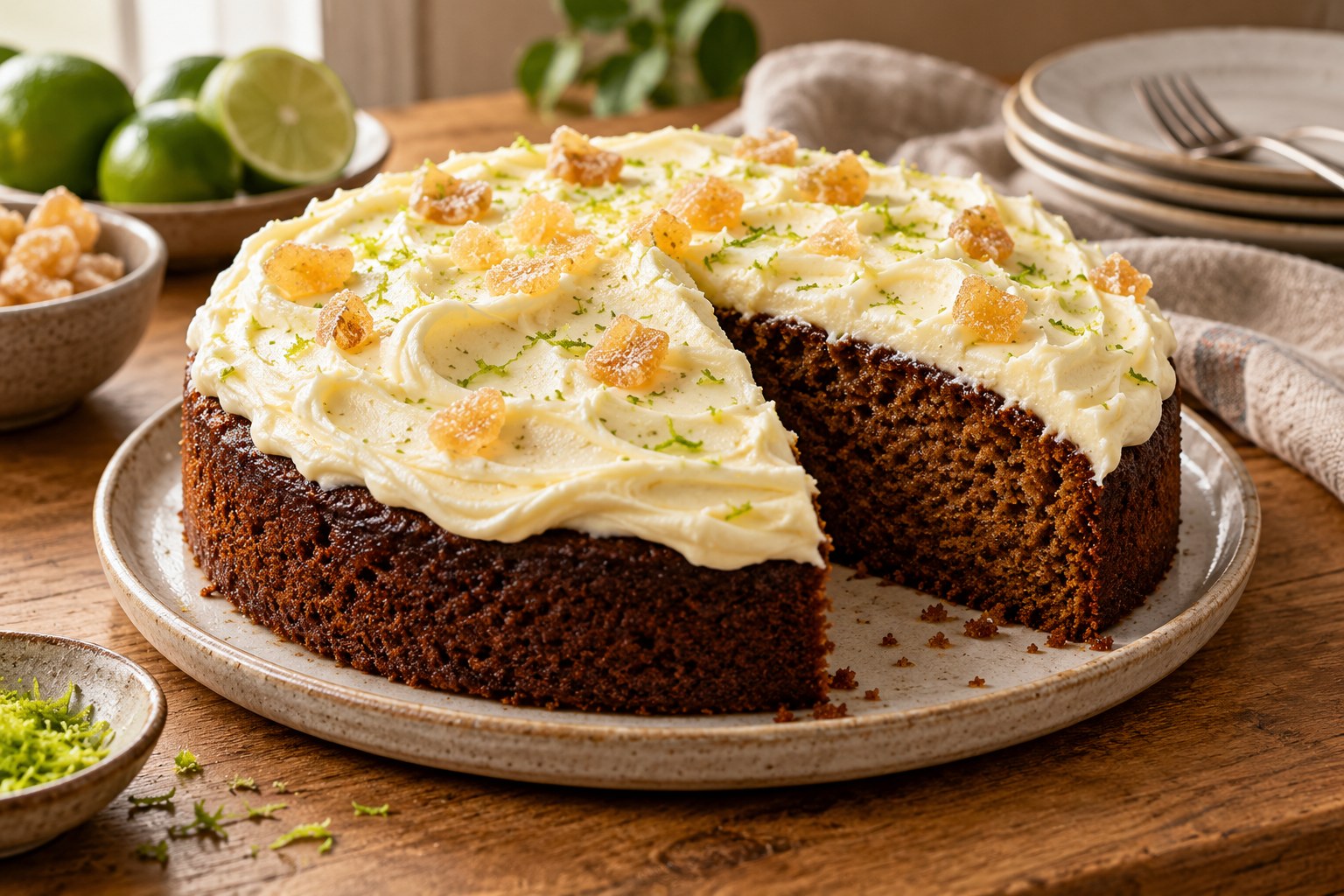
Baking focus: Treacle and brown sugar add moisture and strong flavour, so weigh them carefully. Do not judge this cake’s doneness from its dark colour alone. Allow it to cool before applying the perishable cream-cheese topping to prevent slippage and melting.
Serving idea: Candied ginger and lime zest are meaningful garnishes. Keep it chilled as appropriate for cream-cheese frosting and tell guests that the syrup remains alcoholic.
5. Classic Margarita Cocktail Cake
Tequila-lime Bundt
A 25 cm Bundt cake combines plain flour, lime juice, zest and tequila blanco. The glaze includes fresh lime juice and tequila, while the rim decoration is a mixture of sugar, zest and flaky salt. The green colour described in the original article is not necessary to achieve the flavour.

Baking focus: Salt should be a small visual and flavour accent, not a coating over every bite. Zest provides citrus aroma without adding large amounts of liquid. Follow the glaze quantities; extra juice or tequila may prevent the finish from setting neatly.
Serving idea: Dress the outer rim with a restrained sprinkle of salted sugar and thin lime pieces. Adults who avoid alcohol should not be offered the tequila glaze as an alcohol-free alternative.
6. Paloma Cocktail Cake
Grapefruit and tequila
This citrus-forward Bundt uses pink grapefruit juice and zest, buttermilk, a little lime and tequila. The separate tequila soak and grapefruit glaze are not interchangeable with ordinary icing; both affect sweetness, moisture and how alcohol is distributed through the cake.
Baking focus: Grapefruit supplies aromatic bitterness that can fade under too much sugar. Zest and freshly prepared juice are more dependable than arbitrary added colour. Drain candied grapefruit garnish before arranging it to prevent wet patches.
Serving idea: Use thin candied citrus pieces and a modest sprinkle of salt. The cake’s tequila-containing soak and glaze require prominent adult-only labelling.
7. Tequila Sunrise Cocktail Cake
Orange, grenadine and sunset colour
The recipe is an orange- and tequila-scented Bundt cake with a grenadine syrup and a grenadine-tequila glaze. Orange and yellow gel colours are included for visual effect; there is no need to promise perfect concentric sunrise layers after baking.
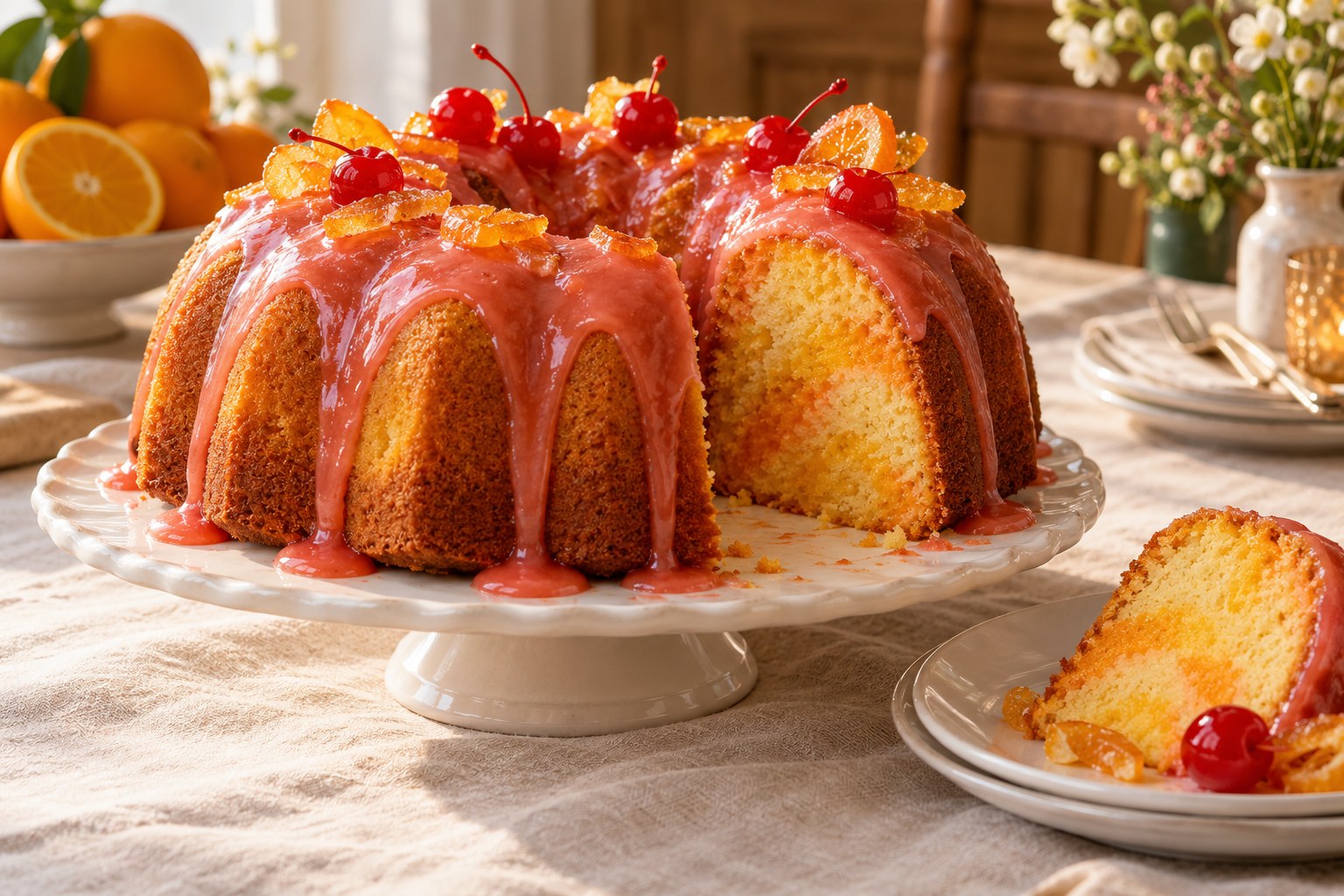
Baking focus: Colour varies with mixing, oven heat and the amount of syrup. Prioritize a tender crumb before attempting an elaborate ombré effect. Too much coloured syrup may run along the side of the cake and obscure rather than improve the finished shape.
Serving idea: Keep the garnish simple: a few drained cherries and candied orange pieces. Explicitly disclose tequila in both sponge and finish.
8. Spicy Margarita Cocktail Shortbread
Companion bake: lime and jalapeño shortbread
This is not a cake. The published 20 cm square shortbread contains butter, plain flour, lime zest, tequila and finely chopped jalapeño, with an additional tequila-lime glaze and flaky salt garnish.
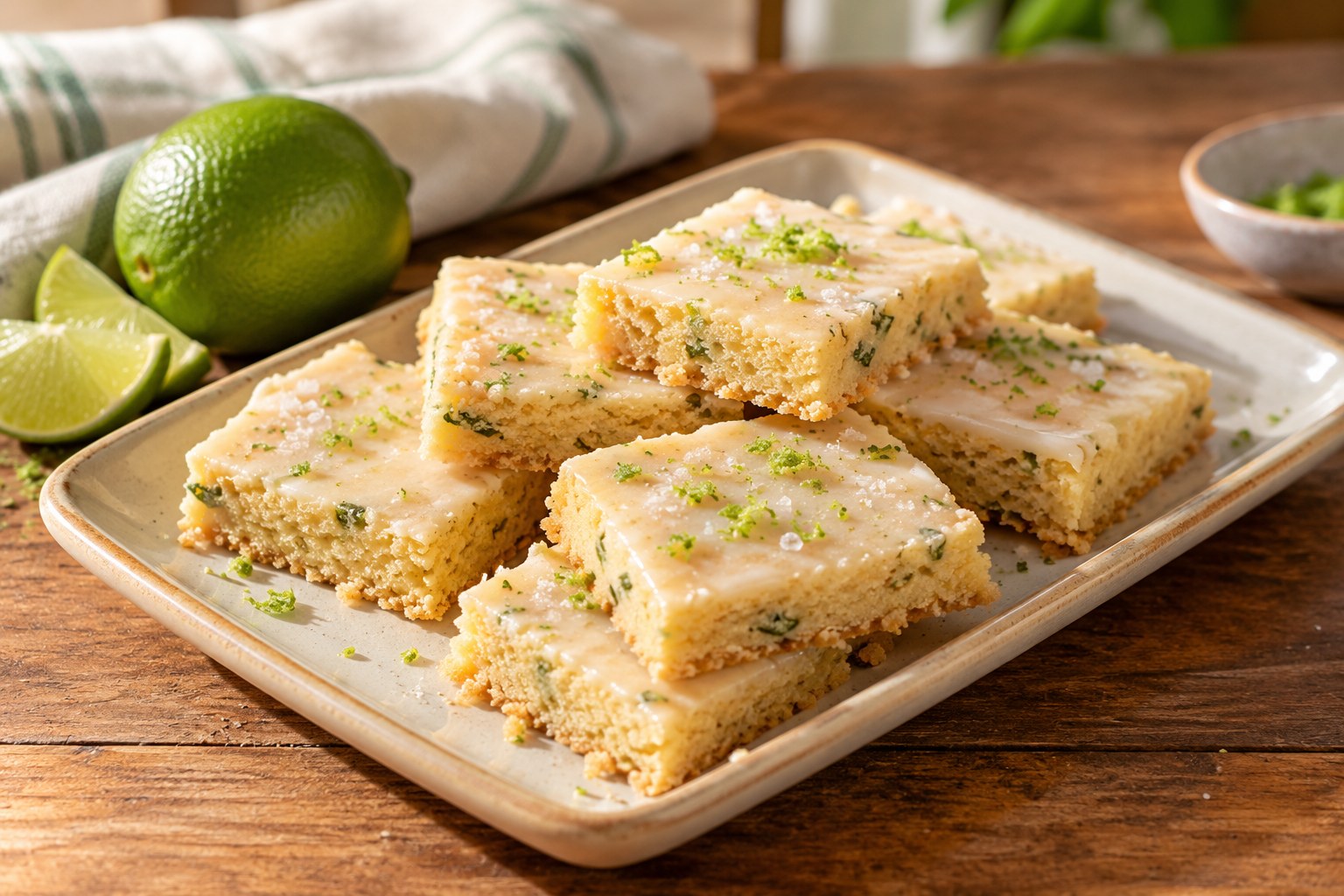
Baking focus: Shortbread depends on a measured fat-to-flour balance; pouring in extra alcohol can soften its texture. Jalapeño heat varies, so follow the quantity and remove seeds as described if you prefer a milder finish. Cool before cutting and glazing.
Serving idea: Slice into neat bars and place beside margarita cake as a crisp contrast. Use a separate labelled platter: it contains wheat, dairy and alcohol, and may be spicy.
9. Old Fashioned Cocktail Cake
Bourbon, orange, cherries and bitters
The recipe uses bourbon whiskey, orange zest, aromatic bitters and chopped candied or drained maraschino cherries in a Bundt. It also includes a bourbon syrup and bourbon-orange glaze. This is a richer, more layered preparation than the phrase “just a bourbon cake” suggests.
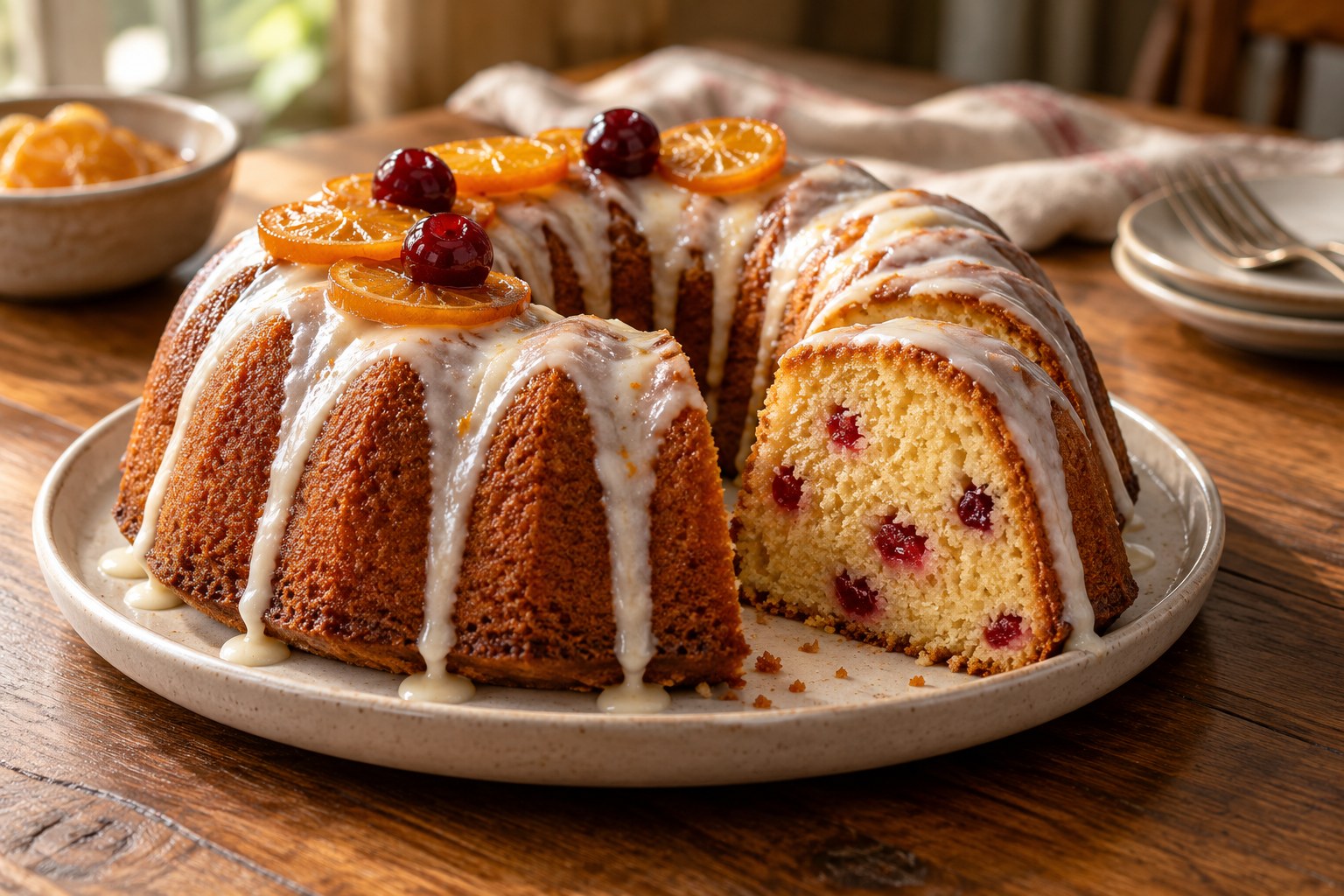
Baking focus: Drain wet cherries before folding them through the batter to avoid localized patches of moisture. Use the specified syrup amount rather than drenching the cake until it collapses. As with other Bundts, the pan needs thorough preparation.
Serving idea: Candied orange and a few cherries are enough for a polished finish. Label the bourbon and bitters; the glaze contains alcohol added after baking.
10. Manhattan Cocktail Truffles
Companion dessert: whiskey-vermouth chocolate truffles
These are chocolate truffles, not a Manhattan cocktail cake. The recipe uses dark and milk chocolate, cream, rye or bourbon, sweet vermouth, bitters and chopped maraschino cherries. The ganache requires chilling and shaping rather than cake baking.
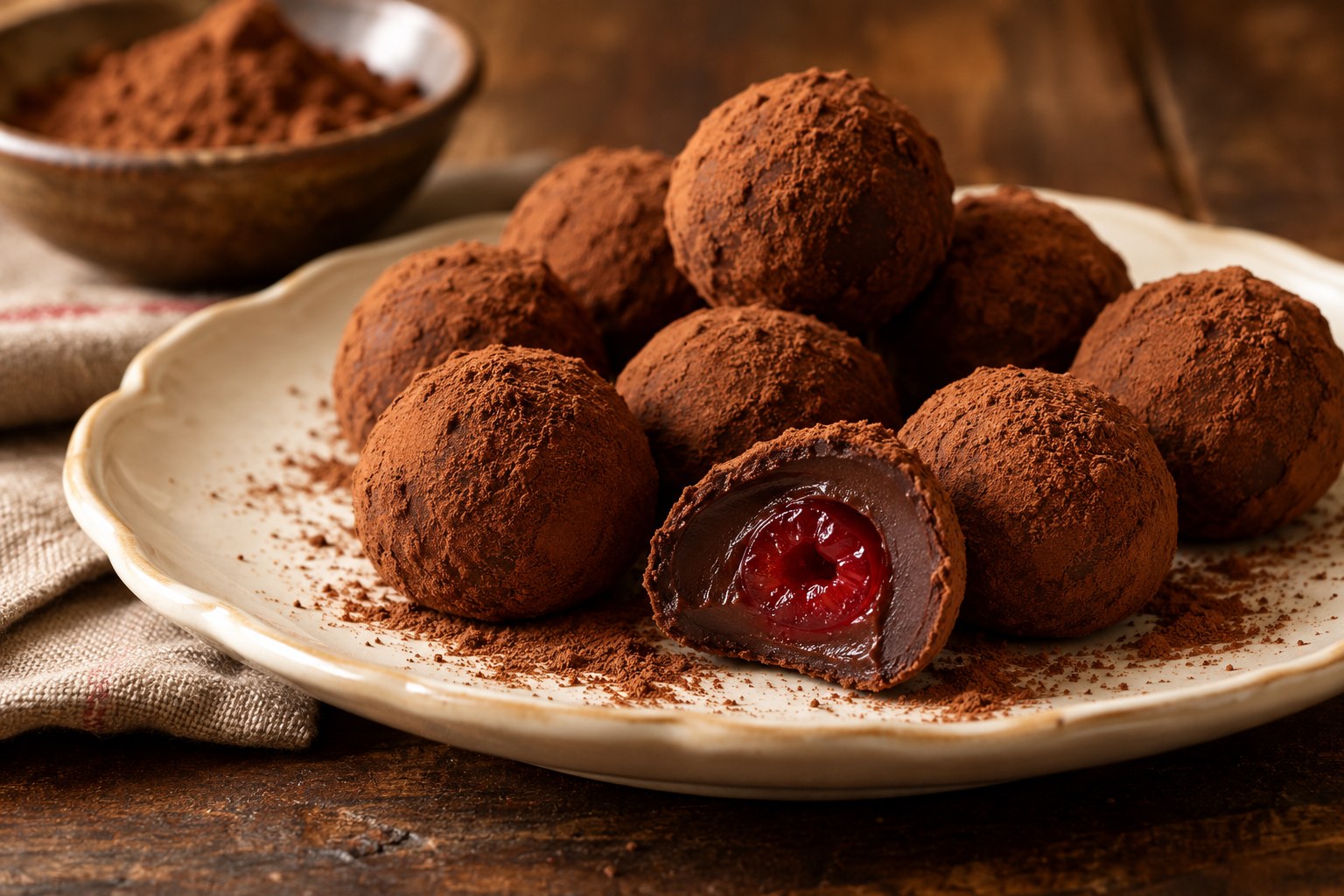
Baking focus: The emulsion depends on the temperature of the cream and chopped chocolate. Add the measured spirits as the method instructs; too much cold liquid can cause the mixture to separate or become too soft to roll. Allow the chilling time stated in the linked recipe.
Serving idea: Arrange one or two truffles beside a slice of Old Fashioned cake on a tasting plate. They contain alcohol and dairy and should be stored according to the ganache recipe.
11. Mint Julep Cocktail Cake
Mint and bourbon celebration cake
The cake includes fresh chopped mint, Kentucky bourbon, milk, eggs and butter. It is finished with a mint-bourbon syrup and whipped-cream frosting containing bourbon. The garnish section also lists egg white for sugared mint leaves, which introduces a separate raw-egg concern.
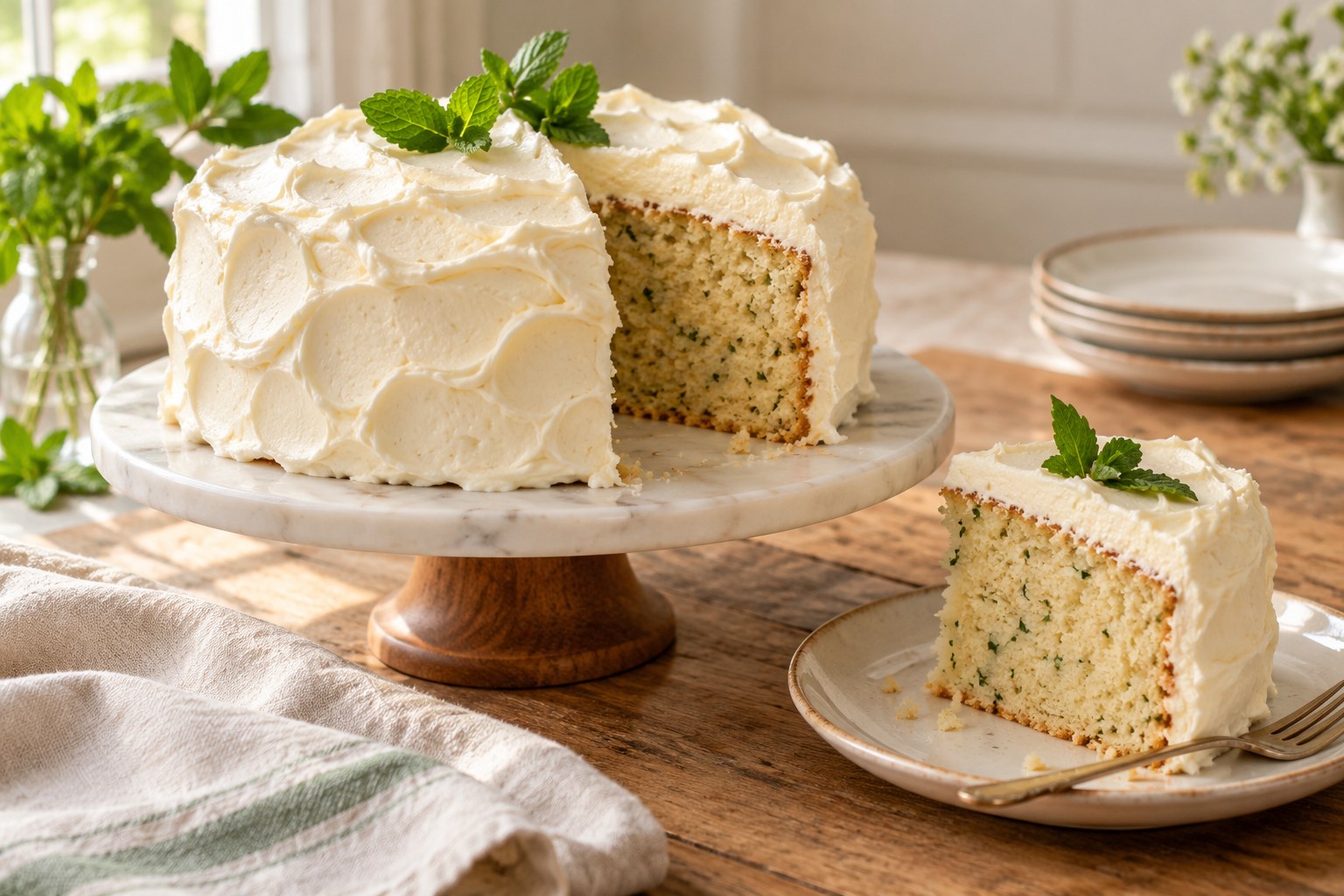
Baking focus: Whipped cream is temperature-sensitive. Keep it cold and avoid frosting a warm sponge. For garnish, use plain washed mint leaves or another food-safe decoration rather than assuming raw egg-white coating is suitable for every guest.
Serving idea: This is a striking centrepiece for an adult spring celebration. Clearly mark the bourbon and refrigerate promptly because of the cream topping.
12. Piña Colada Sheet Cake
Pineapple, coconut and rum
A 33 × 23 cm sheet cake incorporates coconut cream, buttermilk and desiccated coconut. Its pineapple filling uses crushed pineapple and juice, with rum or a recipe-specified alternative; the butter frosting also has a rum option. It is more approachable to slice for a group than a stacked celebration cake.

Baking focus: Drain fruit and follow the cooked filling method so the cake does not become soggy. The coconut buttercream is rich enough without extra liquid poured over the top. Use only food-safe, properly drained fresh pineapple garnish.
Serving idea: Toast coconut flakes lightly and scatter them just before serving. For a no-added-spirits version, review both the filling and frosting ingredients rather than replacing rum in only one place.
13. Mojito Cocktail Cake
Mint, lime and white rum
The recipe combines white rum, lime zest and juice, and finely chopped mint in a buttermilk Bundt cake. The glaze includes rum, lime and fresh mint, with linked substitutions described for certain components.
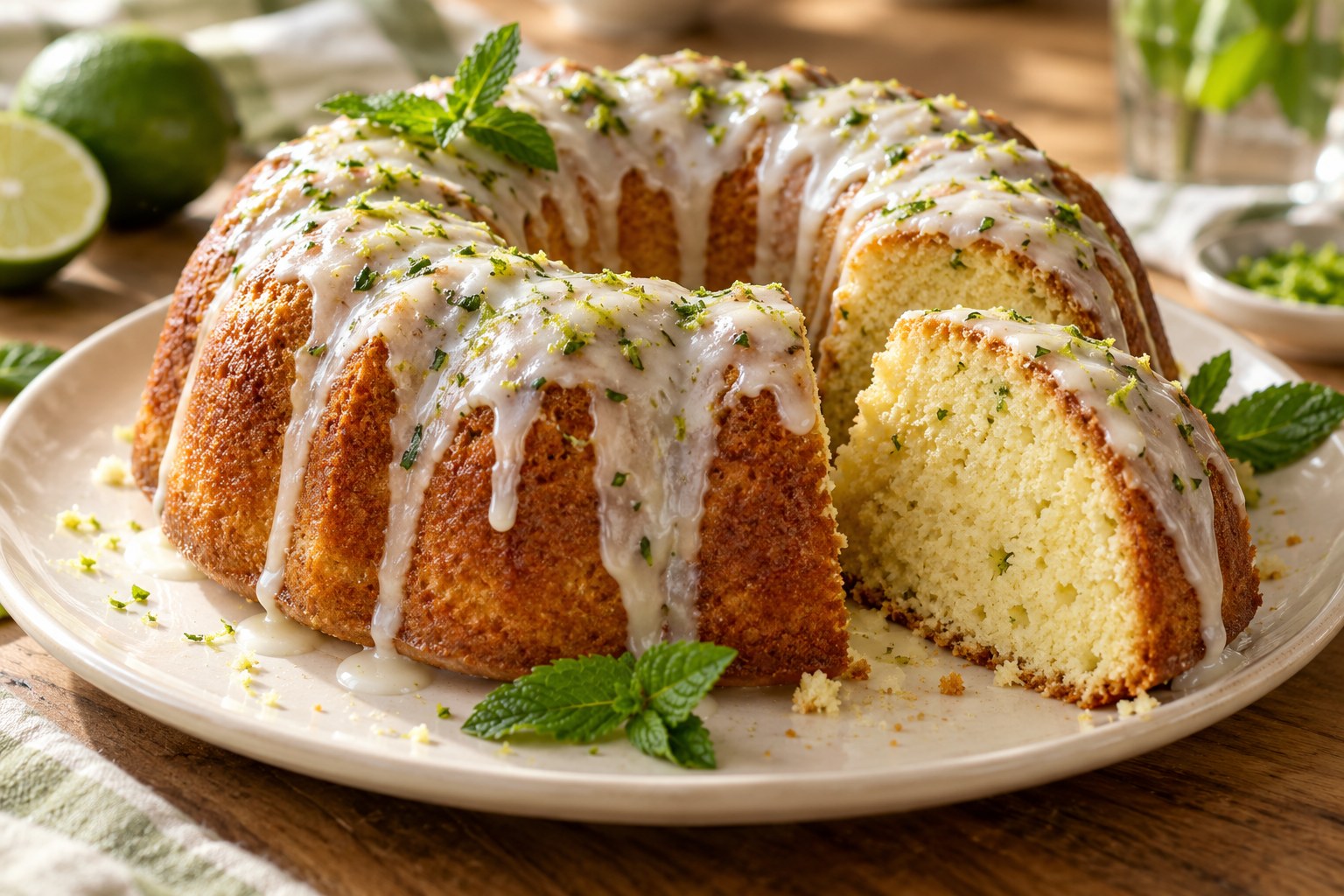
Baking focus: Mint can become harsh if chopped too aggressively or used in huge amounts; the published amount balances the citrus. Lime juice contributes acidity as well as flavour, so follow the batter formula rather than casually doubling it. Keep the Bundt pan well prepared for a clean release.
Serving idea: Make the lime and mint visibly fresh with a few leaves and fine zest. The rum glaze is added after baking, so the original version must be labelled alcoholic.
14. Lime Margarita Cake
Layer cake with tequila and orange liqueur
Unlike the classic Margarita Bundt, this variation is two round layers with lime, tequila and orange liqueur in the main batter. The syrup and buttercream also contain tequila and, in the frosting, orange liqueur. It is an assembly project with several alcoholic components.
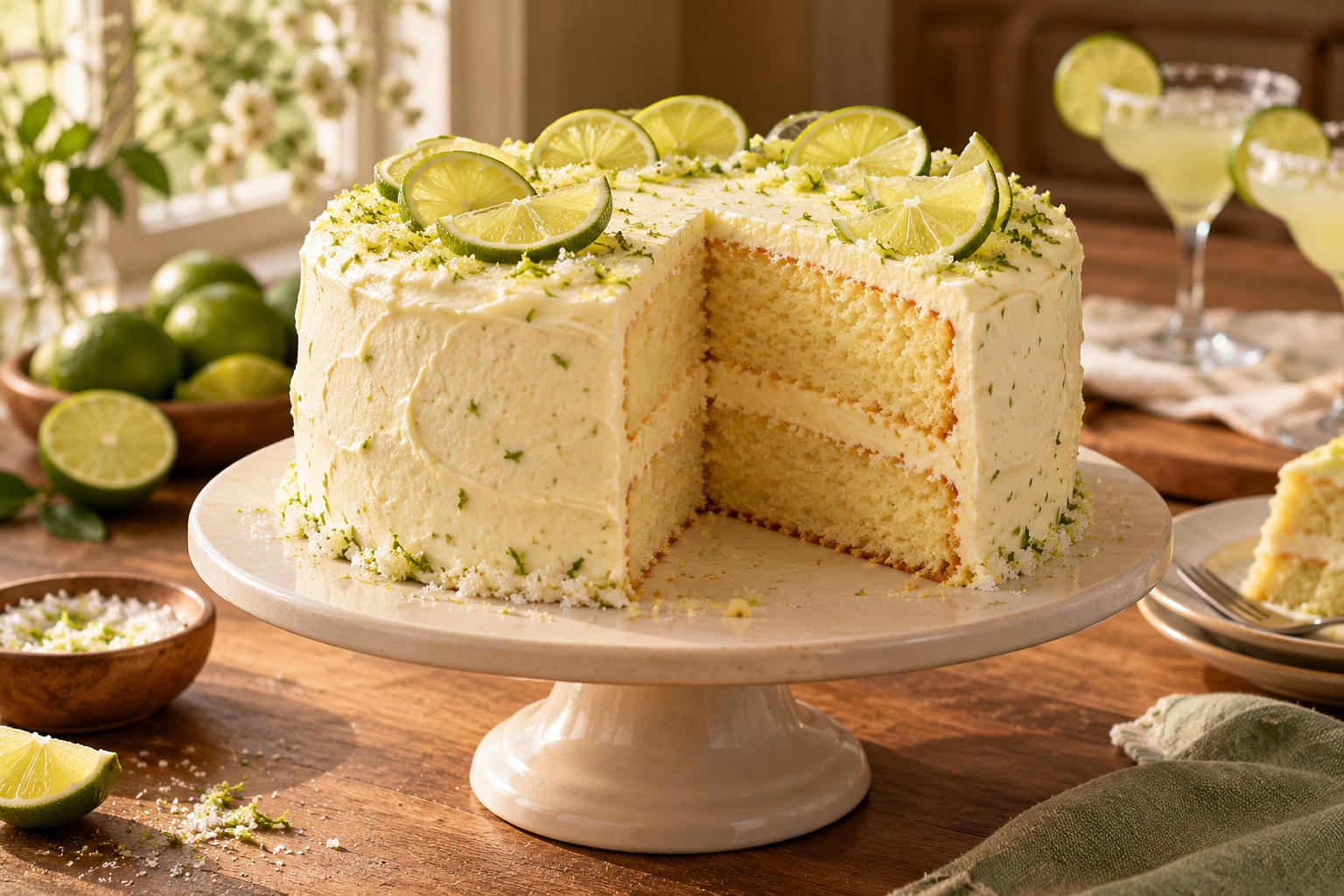
Baking focus: Cool both cakes completely and apply the syrup in the quantity directed before frosting. If the buttercream looks too loose, check ingredient temperature and avoid adding more liquid to fix it. The salt-and-lime finish should accent the cake rather than make the whole top salty.
Serving idea: Choose this cake for a larger decorated celebration where layer height matters. Do not call it alcohol-free simply because the sponge was baked.
15. Eggnog Bundt Cake
Winter nutmeg and optional rum variation
The cake contains purchased eggnog, nutmeg, butter, eggs and a rum or rum-extract option in the batter. The glaze is eggnog-based, with optional added rum. This differs from a dessert that always contains spirits: the selected variation determines alcohol exposure.
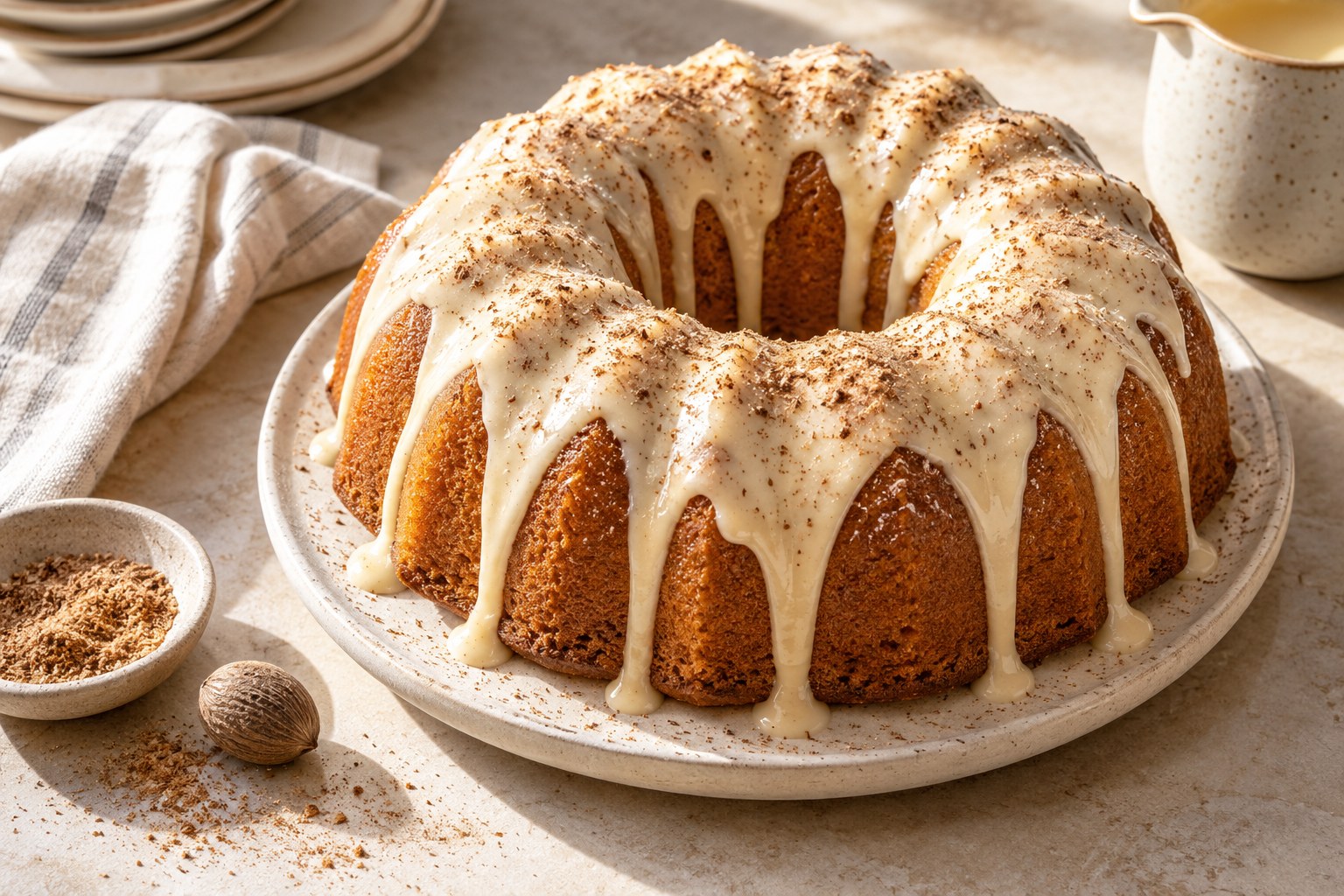
Baking focus: Do not substitute homemade raw-egg eggnog casually; use pasteurized commercial eggnog where specified. Eggnog is perishable, and the cake should be stored based on the actual finished ingredients and glaze. Bundt mould greasing is especially important for this rich batter.
Serving idea: A little nutmeg and a fine powdered-sugar finish suit a holiday table. Identify whether the version prepared contains rum, rum extract or neither.
16. Cranberry Almond Bundt Cake
No-added-spirits contrast: cranberry, almond and vanilla
The original article incorrectly labels this as a Cranberry Moscow Mule cocktail cake. The actual CMS recipe contains no vodka, ginger beer or cocktail spirit. It is a cranberry-and-almond sour-cream Bundt with an almond-flavoured milk glaze.
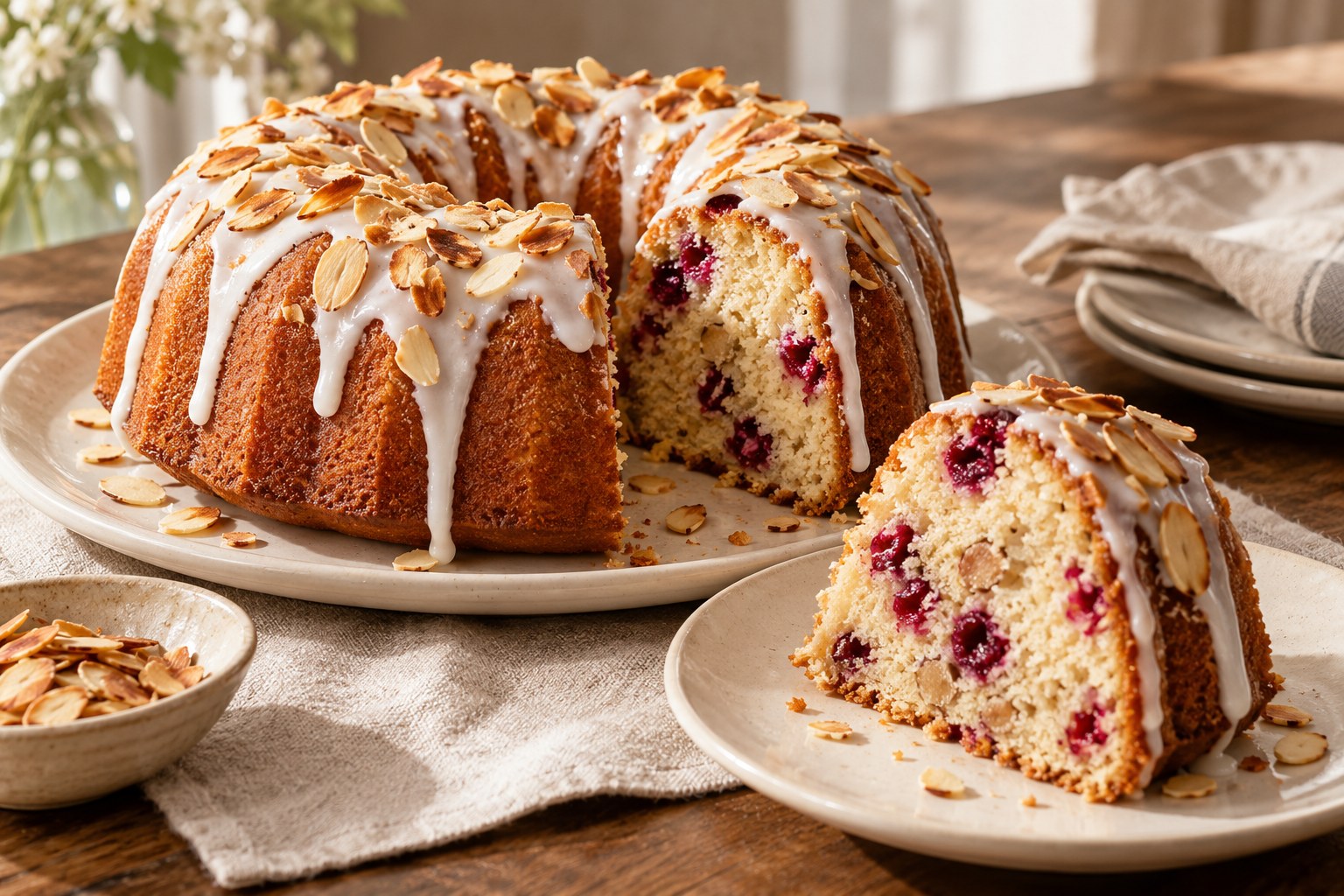
Baking focus: This is a worthwhile companion dessert for guests who prefer a cake without added alcohol. Frozen cranberries can be used as specified; do not thaw if the published method advises against it. The ingredients include sliced almonds and almond extract, which must be labelled for allergies.
Serving idea: Present a slice next to the boozy cakes on a separate, clearly marked platter, using separate serving utensils. “No added spirits” does not mean every ingredient is alcohol-free or free from allergens.
How to bake with alcohol without ruining cake structure
A cake formula is a system. Flour absorbs liquid, fat coats flour particles, eggs provide structure, sugar retains moisture, and leavening changes the crumb. Alcohol is another liquid ingredient and does not behave identically to milk, citrus juice or water. Large, arbitrary additions can change the cake's rise, sweetness and set. This is why “add a splash” can be less reliable than it sounds.
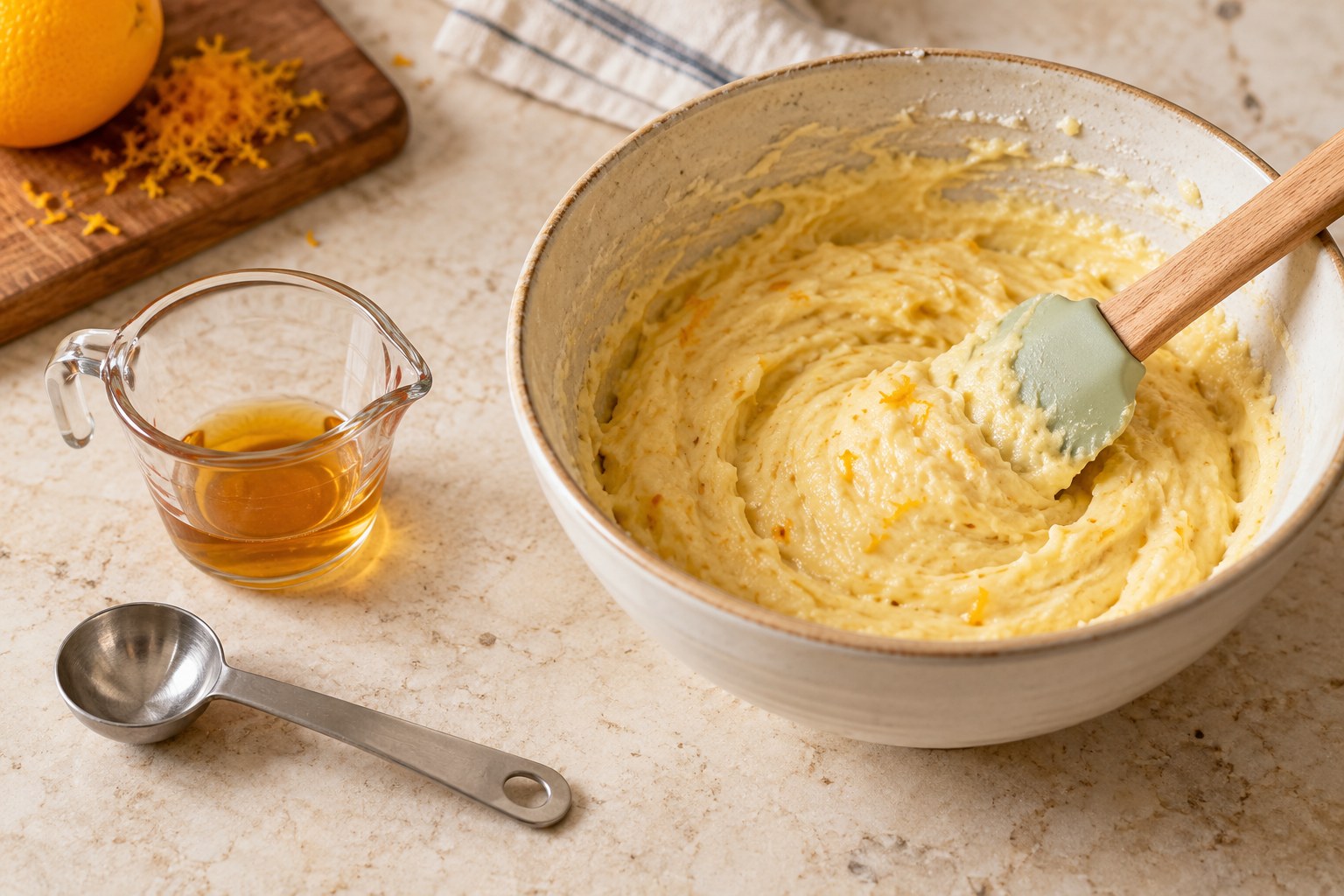
Use the published quantity first. If a recipe includes 60 ml tequila in the batter and another 15 ml in the glaze, it has already divided flavour between two different stages. Pouring all 75 ml into the batter can change the balance and remove the carefully chosen finishing note. Likewise, do not replace a measured syrup with undiluted liquor unless the specific formula calls for it.
Separate flavour intensity from moisture. Citrus zest adds aroma without much additional juice. Aromatic bitters and flavoured spirits can supply intensity in small amounts, whereas juice dilutes batter. If the rum-punch cake calls for drained crushed pineapple, drain it: fruit liquid and syrup are not automatically interchangeable.
Keep batter and frosting at suitable temperatures. Creamed-butter cakes generally depend on correctly softened butter, eggs added gradually, and measured mixing after flour goes in. Cream cheese and whipped cream can become loose or grainy if handled outside their workable temperatures. Alcohol can further destabilize a delicate finish if poured in all at once. Add it exactly as directed and stop before trying to “fix” the result with more spirit.
Do not taste raw cake batter. Raw flour and raw eggs can carry pathogens. Health Canada recommends not tasting raw batter or dough. Assess sweetness using the published formulation and a properly cooked sample when appropriate.
Alcohol does not reliably disappear in the oven
It is a mistake to write that all alcohol evaporates during baking. Alcohol retention depends on cooking method, duration, ingredient composition, surface area and other factors. The USDA's nutrient-retention data explicitly includes alcohol retention during food preparation; it does not support a universal zero-alcohol guarantee.
There is also a crucial distinction between alcohol in a baked sponge and alcohol brushed onto a cooled cake or stirred into a raw frosting, glaze or ganache. The latter preparations do not undergo the same baking process as the sponge. Negroni Sbagliato syrup, Paloma soak, Manhattan truffle filling, and margarita frosting are examples where alcohol can be present in the finished serving.
Label desserts prominently when serving a group. Keep alcoholic and no-added-alcohol desserts separate with separate utensils. Do not present boozy cake to children, pregnant guests, anyone avoiding alcohol for medical or personal reasons, or guests who have not consented. Where a recipe lists a rum-free option, read the complete ingredient list and method: swapping a single component does not prove the entire cake is alcohol-free.
Five ways to combine cocktail flavours thoughtfully
1. Use zest for definition. Orange zest makes Negroni and Old Fashioned bakes recognizable; lime zest can give Mojito and Margarita cakes a bright finish. Zest is potent, and freshly grated zest is best added as specified so it does not overwhelm the cake with bitterness from the white pith.
2. Let contrasting flavours work together. Grapefruit is both tart and bitter, but butter cake adds richness. Ginger in a Dark ’n Stormy brings warmth that lime can brighten. Too much salt can overwhelm a tequila-lime glaze: a few crystals make a clear point without turning dessert savoury.
3. Choose a suitable delivery method. A Bundt with a syrup emphasizes moist crumb. A layer cake with buttercream creates distinct taste and texture with each bite. A truffle holds whiskey and chocolate in a ganache rather than a cake sponge. No one method is inherently superior; use the structure in the linked recipe.
4. Think about the last bite. Highly sweet buttercream and a strong spirit can be exhausting in large portions. Smaller slices, unsweetened tea or coffee, and a few fresh citrus pieces often provide better balance than another heavy sauce.
5. Garnish honestly. Fresh mint suggests Mojito or Julep; pineapple and coconut suggest Piña Colada. Do not decorate a cranberry-almond Bundt as though it contains vodka and ginger beer. The visual promise should agree with the ingredient list.
Choosing the right cake format and equipment
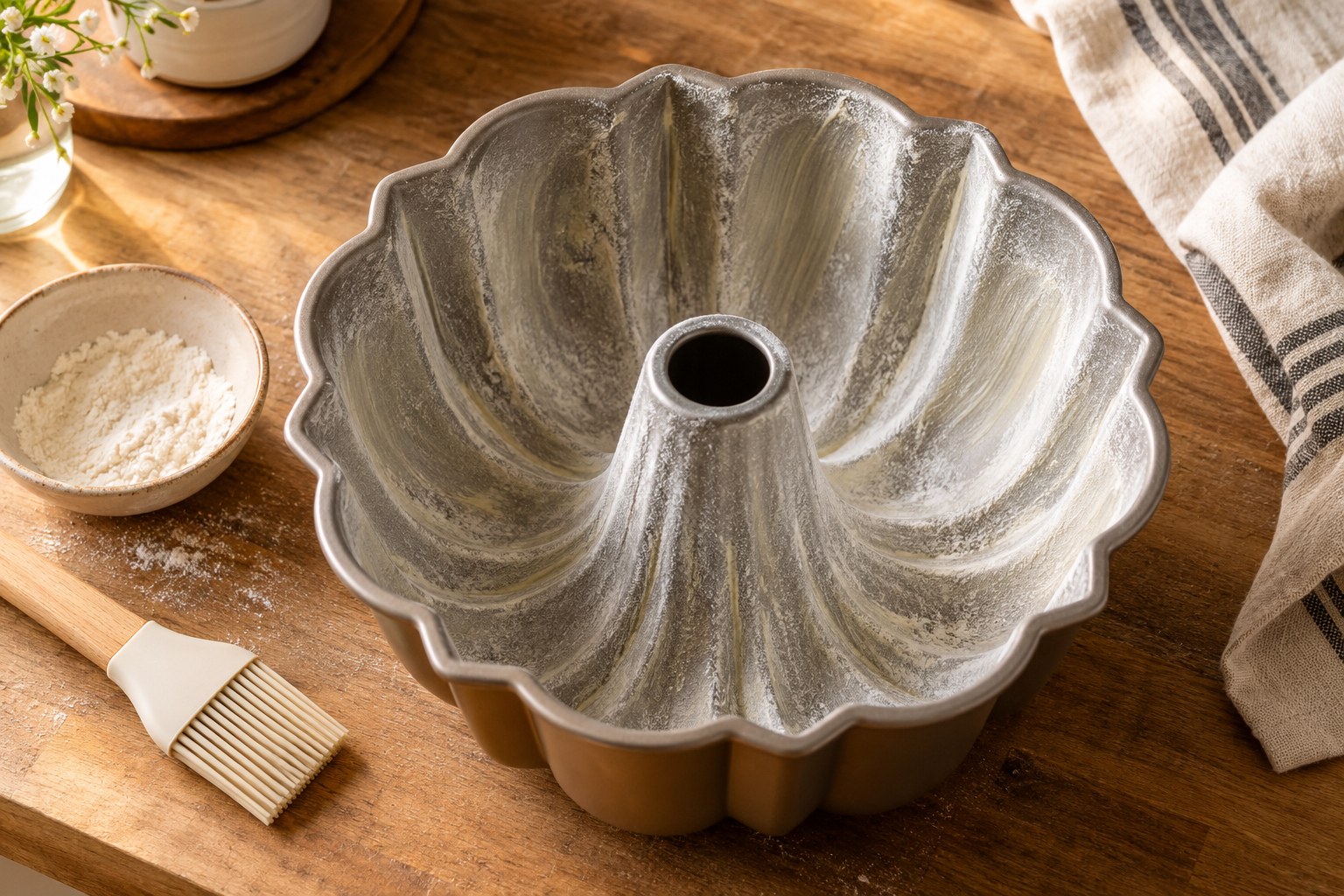
Bundt cakes—Rum Punch, Classic Margarita, Paloma, Tequila Sunrise, Old Fashioned, Mojito and Eggnog—are ideal for a clean centrepiece, but the pan requires careful greasing and flouring, especially around ridges. Follow the original pan size; changing mould volume can lead to overflow or uneven cooking.
Layer cakes—Mai Tai and Lime Margarita—need multiple evenly sized tins, racks for cooling, a level work surface and enough refrigerator space for filling and frosting. Bake a test run before a wedding or milestone event if the recipe is unfamiliar. A loose filling and warm cake will undo the work of a beautiful decoration in minutes.
Sheet cakes—the Piña Colada variation—simplify portioning. They also give you a large surface to cover evenly. Keep pineapple filling controlled and ensure the pan dimensions match the recipe so the centre cooks as expected.
Companion desserts—Spicy Margarita Shortbread and Manhattan Truffles—make an interesting dessert bar. But shortbread uses a different oven method and truffles may need prolonged chilling. They are not interchangeable with cake layers, even when the cocktail flavours resemble one another.
A digital scale, oven thermometer, suitable pans, spatulas and a food-safe storage container are more useful than decorative gadgets. For sophisticated photographs, a simple stand, soft side light, and neat slices often do more than elaborate props.
A practical three-day celebration schedule
Three days before: Choose, shop and check requirements
Decide on one main cake and one smaller companion dessert. Read both recipes fully. Count the cake pans and check whether syrup, frosting, fruit filling or ganache requires cooling or chilling. Review allergens and guests' alcohol preferences before you buy ingredients. If you need an alcohol-free option, select a distinct recipe such as Cranberry Almond Bundt Cake rather than promising that a cocktail cake can be converted on the spot. Check extracts and flavourings too, since some contain alcohol.
Write a shopping list by category: flour and leavening, eggs and dairy, fresh citrus and herbs, fruit, chocolate and nuts, and any spirits or liqueurs required. Include the quantity for glaze and syrup separately—those parts are easy to forget when looking only at the sponge ingredients.
Two days before: Bake the sponge and prepare stable components
Bake cakes according to the recipe and allow them to cool completely. If the published method permits advance preparation, wrap fully cooled undecorated layers securely to protect texture. Make separately cooked fruit fillings or syrups at the stage the recipe recommends, then cool them safely. Do not prepare perishable whipped-cream finishes too far ahead; choose their timing according to their stability and storage requirements.
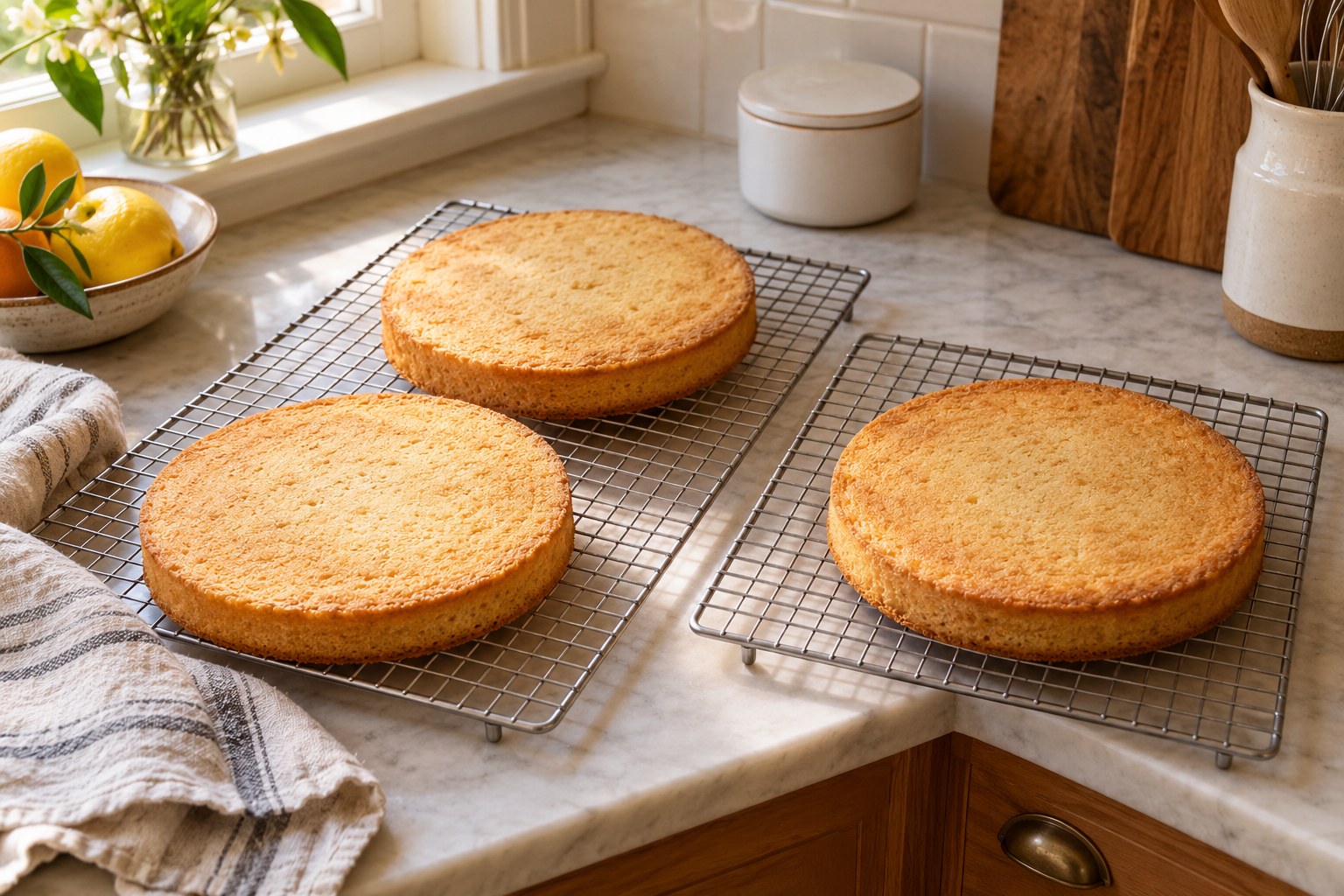
Check for problems while there is still time to correct them: a Bundt that failed to release cleanly, a layer that domed dramatically, or a fruit filling that has not thickened enough for stacking. Troubleshoot the specific issue instead of changing several recipe ratios at once.
One day before: Fill, decorate and label
Assemble suitable layer cakes, apply measured soak and frosting, and chill perishable components. For truffles, allow the prescribed refrigeration time before shaping. Test the serving platters and make a simple ingredient or allergen card. Keep alcoholic and no-added-alcohol items clearly separated.
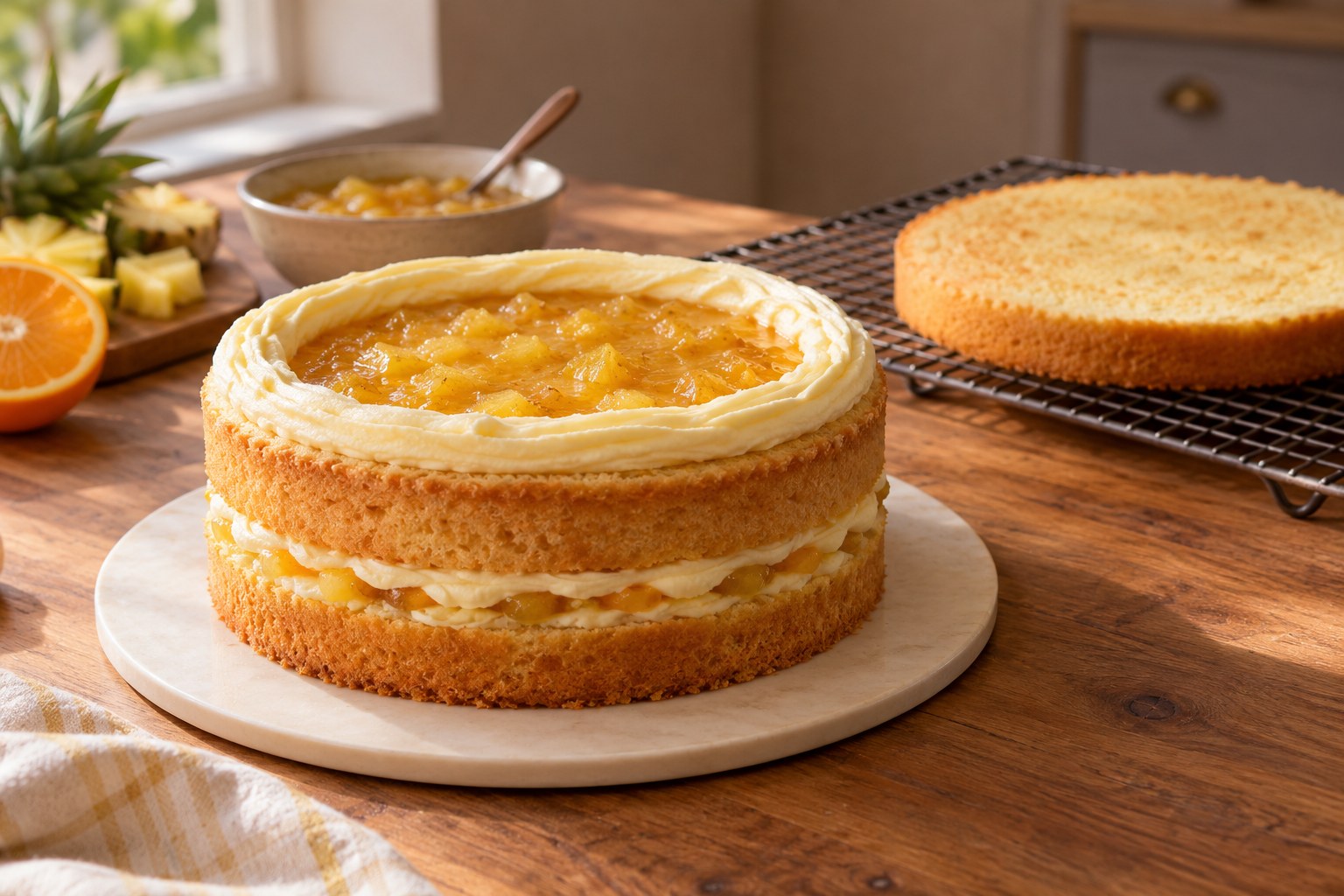
Leave delicate fresh mint, soft citrus slices and fragile chocolate pieces until close to serving when possible. Releasing a Bundt from its pan and finishing its glaze is easier when the cake is no longer warm, but the recipe may require a certain stage for soaking. Follow the exact original procedure.
On the celebration day: Store, transport and serve
Transport cakes in a rigid food-safe box on a level surface. Keep whipped-cream, cream-cheese and other perishable toppings refrigerated; do not leave them on a buffet for hours. Health Canada advises discarding perishable foods kept at room temperature beyond two hours. Avoid prolonged sunlight and heat.
Before cutting, double-check the alcohol labels, serving utensils and a verified no-added-alcohol choice. Cut modest portions and offer more to guests who want them. A smaller, well-balanced dessert tasting is often more enjoyable than an oversized slice of a strongly flavoured cake.
Storage and safe transport
Plain cakes and cream-filled cakes cannot all follow one storage rule. A fully cooked plain Bundt might tolerate different conditions from a Mint Julep cake topped with bourbon whipped cream or a Dark ’n Stormy cake topped with cream cheese frosting. The latter two should be chilled appropriately. Use the most perishable component to determine storage, not the word “cake” in the title.
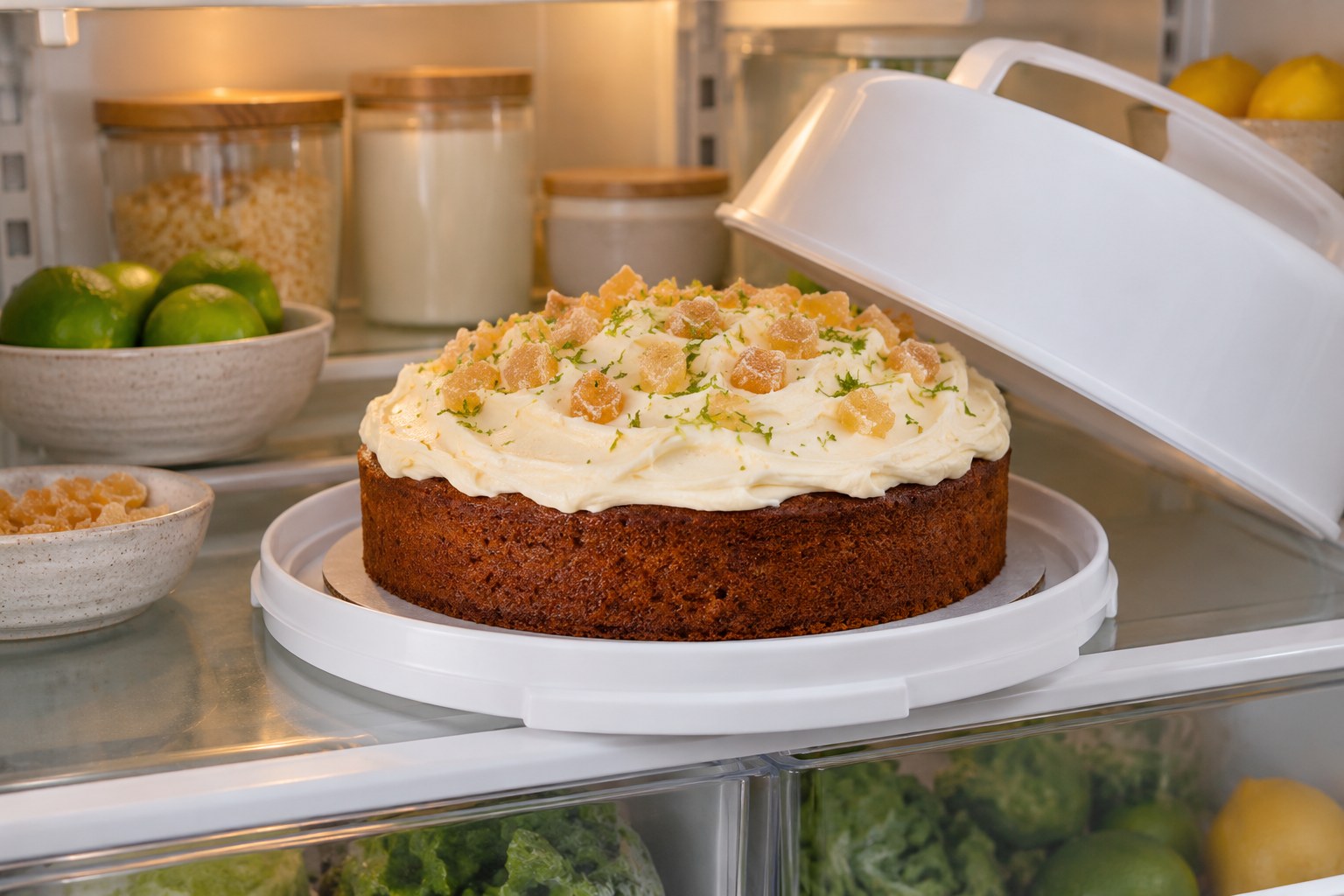
Do not store whipped cream frostings, ganaches and eggnog-containing glazes under a universal “three days on the counter” rule. Check the recipe and reliable food-safety guidance. Label containers with the preparation date and keep lids or wrapping from damaging decoration. If freezing is suitable, undecorated layers often fare better than fully assembled cakes with delicate toppings.
Move cakes on a stable tray rather than holding them by the cake board edge. For tall layers, use adequate support and keep the cake cool. Truffles travel best in individual paper cups in a rigid container. Shortbread bars can be packed flat once the glaze is set. Condensation during temperature changes may spoil the appearance of chocolate and sugar decorations even when the food remains safe.
Allergens and alcohol-free choices
Several featured cakes contain wheat, eggs and dairy. Mai Tai cake also contains ground almonds and an almond-flavoured frosting. Cranberry Almond Bundt Cake contains sliced almonds and almond extract. Manhattan truffles contain dairy and may include other allergens from purchased chocolate and flavourings. Check every label, and do not promise that an almond-flour substitution automatically yields a safe gluten-free or nut-free dessert.
For a guest avoiding alcohol, a “virgin” variation should use a separately tested formulation whenever possible. Replacing rum with orange juice may work for one syrup where the CMS explicitly mentions that option, but a different cake might rely on rum in several stages and would need testing. Rum extract may itself contain alcohol depending on the product, so inspect the label before claiming the finished cake has none.
Keep serving cards simple: Contains cocktail spirits / No added cocktail spirits (check extracts), plus major allergens. Use separate utensils and avoid placing a boozy glazed cake immediately above an alcohol-free slice where syrup could drip. Guests should be able to make an informed choice without asking for a complete verbal explanation at the dessert table.
Troubleshooting common cocktail-cake problems
Why is my cake heavy or dense?
Start with accurate weighing, correct leavening and butter temperature. Excess flour, overmixing after flour is added, or large unplanned amounts of alcohol can change the crumb. Review the specific recipe's pan size and oven temperature before adding extra baking powder as a supposed cure.
Why is my glaze too thin?
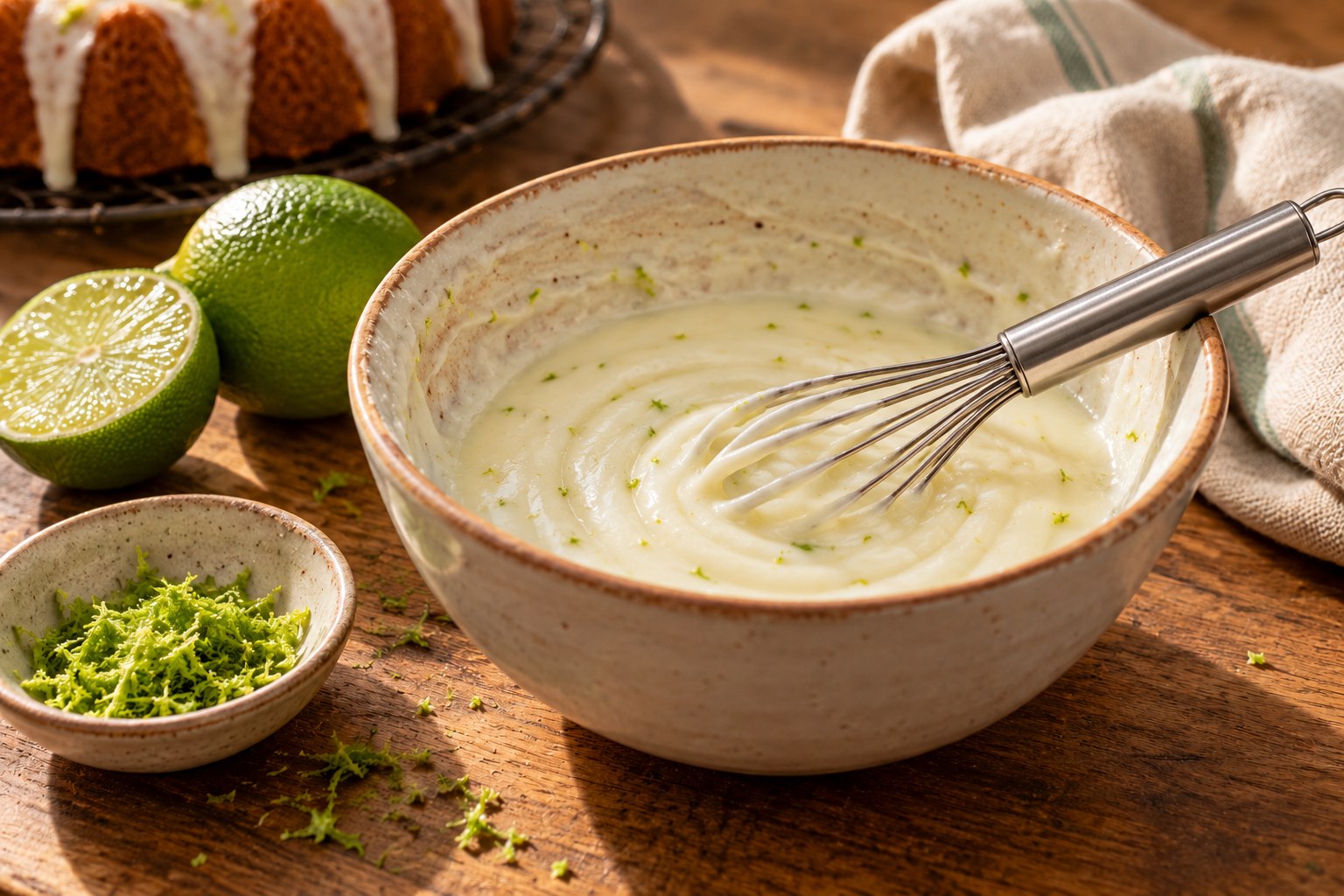
Check the actual ratio of icing sugar to lime juice, rum or tequila. Too much liquid makes a glaze run off rather than cling. Measure the recipe carefully; allow the cake to cool where instructed, and make a small correction to consistency if necessary without introducing another large pour of spirit.
Why did my layer cake slide?
The fruit filling may have been applied while warm, the buttercream may be too soft, or the cake layers may not have cooled enough. Chill and assemble according to the recipe. If required, use a modest buttercream dam to keep fruit filling inside rather than adding more fruit just before stacking.
Why does the cocktail flavour disappear?
Heating and dilution can reduce the impact of delicate aromas. Rather than adding random spirits to the batter, use the recipe's intended zest, reduction, syrup or finish. Choose the flavour that should lead; a Negroni cake should not taste like plain orange frosting, and a mint Julep cake should still taste of fresh mint.
Why is the cake too bitter or too strong?
Campari, grapefruit zest, spirits and bitters are concentrated accents, not liquids to add indiscriminately. Measure them and serve a smaller slice alongside a plain accompaniment. Do not assume extra sugar will solve a badly unbalanced or over-soaked cake.
Why are the truffles too soft to roll?
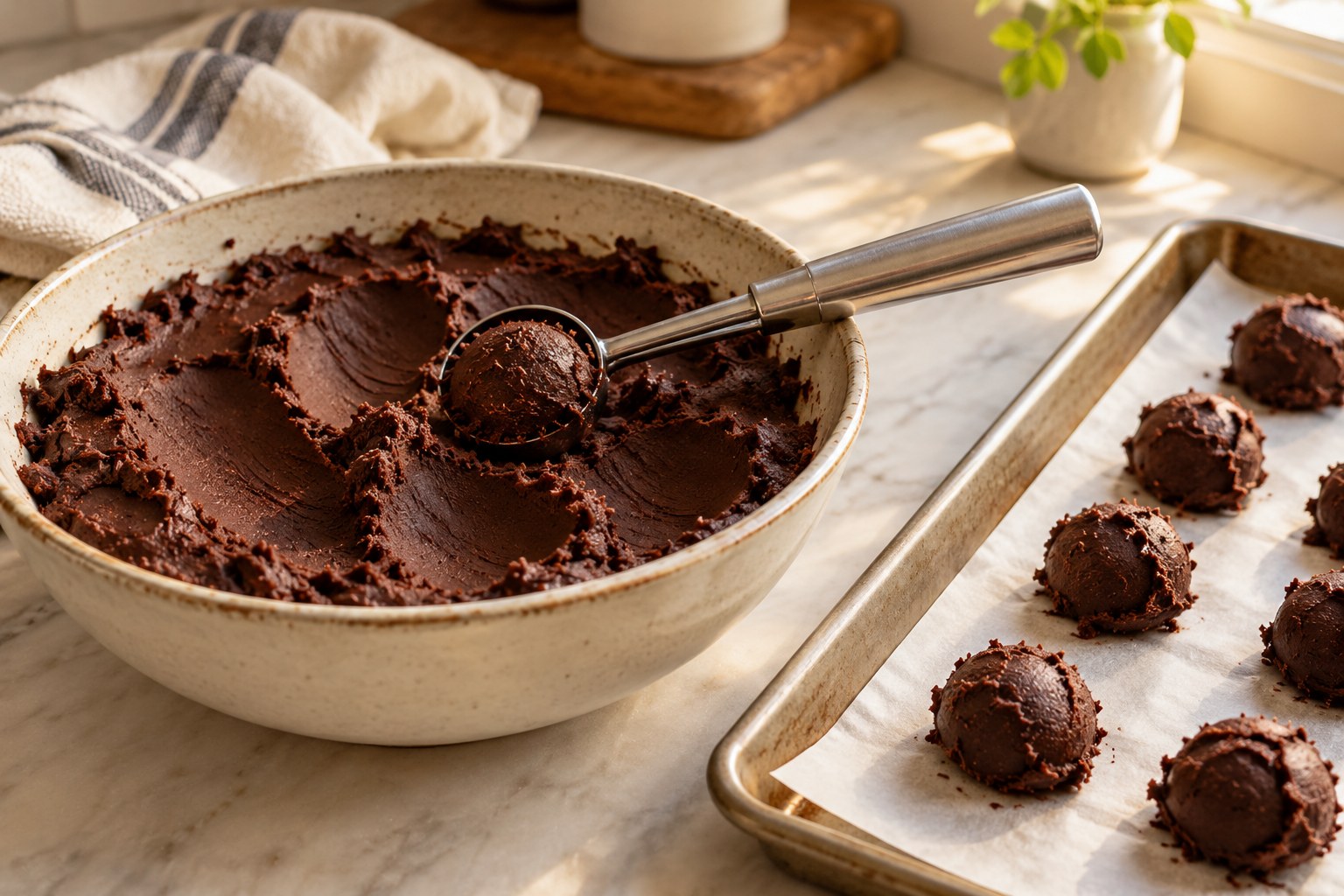
Manhattan truffles are an emulsion of chocolate, cream, butter and other liquids. Too much added spirit, an unbalanced chocolate ratio or insufficient chilling can prevent the ganache from setting. Return to the measured recipe and give the mixture the stated chilling time; this is not a cake-baking fault.
Can I serve these desserts outdoors?
Yes, with controlled time and temperature. Cream-cheese, whipped-cream and perishable fruit fillings need appropriate cold storage. Heat also makes frosting slump and causes glazes to run. Use small replenished platters from refrigerated stock rather than displaying every dessert at once.
Frequently asked questions
Will the oven remove all of the liquor?
No reliable universal rule says it will. Cooking conditions matter, and many recipes here include uncooked liquor in glazes, syrups, or frosting. Assume the alcoholic versions contain alcohol and label them as such.
Which is the easiest cocktail-inspired cake to serve a crowd?
A one-pan Bundt such as Classic Margarita or Rum Punch is relatively straightforward to portion after it is completely cool. A Piña Colada sheet cake is another group-friendly option, with less delicate stacking than Mai Tai layers.
Are Spicy Margarita Shortbread and Manhattan Truffles cakes?
No. They are accurately described as companion desserts within this guide. The shortbread is baked, while the truffles depend on preparing and chilling a chocolate ganache.
Is Cranberry Almond Bundt Cake a cranberry Moscow Mule cake?
No. The linked recipe lists cranberries, almonds, sour cream and an almond-milk glaze with no vodka or ginger beer. It can serve as a no-added-alcohol contrast, subject to its other ingredients and allergens.
How can I make a cake for an alcohol-free guest?
Choose a complete, tested non-alcoholic cake. A few cocktail-inspired recipes list alternatives for certain components, but check every part of the method before using the term alcohol-free, especially extracts, syrups and finishes.
Can I add more spirits to the buttercream for extra flavour?
Not without risking a loose or separated mixture. Buttercreams have limits on the amount of liquid they can hold. Add the exact amount specified by the recipe and emphasize compatible zest or spice when permitted instead of excess alcohol.
Is it safe to taste batter to adjust the sweetness?
No. Raw flour and eggs can carry foodborne hazards. Use measurements and rely on properly cooked samples. Health Canada specifically advises against tasting uncooked batter.
When should I decorate a cake with citrus or mint?
Decorate after the cake is cool and the frosting or glaze is set as required. Fresh herbs and cut citrus look best near serving time, while candied garnishes can sometimes be prepared ahead. Use only edible, food-safe decorations.
Final thoughts: Make the celebration taste intentional
The best cocktail-inspired cake does not need a large pour of liquor to make an impression. It needs a balanced flavour, a reliable crumb, a finish that suits the structure, and clear information for the people eating it. A rum punch Bundt, a ginger-rich Dark ’n Stormy and a layered Mai Tai cake can all be excellent choices, but they ask for different equipment, timing and attention.
Start with one verified What’s Baking? recipe, follow its measured formulation, and plan the cooling and finishing stages as carefully as the baking. Offer a thoughtfully prepared alcohol-free alternative, store perishable frostings safely, and let the cake—not an exaggerated headline—be the centrepiece of the celebration.
IN PICTURES
From the baking notebook
FROM THE RECIPE BOX