On this page
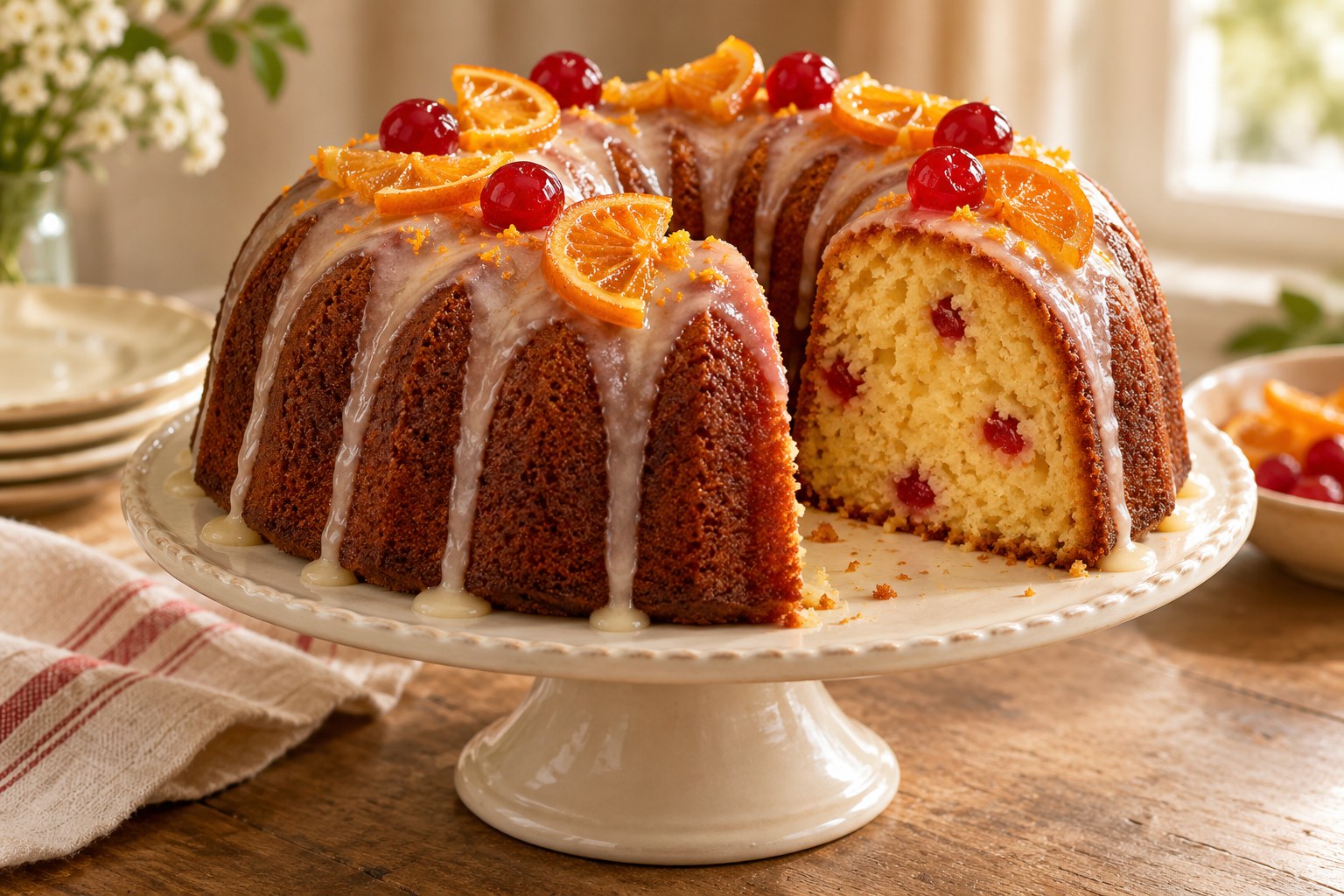
A memorable cocktail-inspired cake does not need to taste like a glass of liquor poured onto sponge. The pleasure comes from recognisable flavour structure: citrus that tastes bright rather than sour, a warming spirit balanced with sweetness, fruit that stays distinct, and a glaze that makes sense with the cake beneath it. Achieving that balance is a baking problem before it is a decorating problem. Liquid changes batter consistency, sugar changes tenderness, acid interacts with leavening, and an uncooked spirit glaze has a very different effect from a spoonful mixed into batter.
This is a practical drink-to-cake design guide, built around verified What’s Baking? recipes rather than a second list of party cakes. You will learn where to put the flavours of a drink, how to preserve cake texture, when to choose syrup instead of adding liquid to batter, what to do when frosting splits, and how to plan a finished dessert safely. The linked recipe cards provide exact quantities, equipment, temperatures and procedures; they are not interchangeable formulas.
If you mainly want to browse desserts by spirit or occasion, visit Celebration Cakes with a Twist. Here we focus on why the techniques work and how to make a sensible choice when turning a favourite cocktail into a dessert. Every cake with actual liquor needs clear adult-only labelling, especially when alcohol is added after baking. No home baking method can guarantee complete removal of alcohol.
Start with a flavour blueprint, not a bottle
Before measuring flour, describe the drink in three words. A margarita might be lime, citrus liqueur, salt; a Dark ’n Stormy might be ginger, dark rum, lime; an Old Fashioned might be bourbon, orange, bitters. Those three anchors are usually enough to make a cake recognisable. More ingredients do not automatically create more convincing flavour, and incorporating every liquid from a cocktail often results in a sodden sponge.
A practical approach is to assign different ingredients to different layers of the dessert. Zest carries aromatic citrus oil without adding much water. Juice contributes acid and liquid, so its amount matters structurally. Fruit filling can express a drink's fresh fruit character more distinctly than juice mixed into cake. Syrup adds moisture and post-bake flavour. Frosting or glaze gives the first impression, especially if it contains an uncooked spirit. Bitters can contribute complexity in small quantities, but their concentration makes guesswork risky.
Read the published recipe before changing one of these roles. When a formula already contains a tequila-lime syrup and tequila glaze, adding another splash to the batter can upset the designed balance. When a recipe specifically uses orange zest rather than juice, that is likely a deliberate choice to preserve aromatic intensity without extra liquid.
The six parts of a well-designed cocktail cake
1. The cake crumb: Keep the structure dependable
Flour, sugar, eggs, fat and leavening create the basic structure. Alcohol and acidic juice are additional liquids, not cost-free flavours. Adding enough to make an uncooked batter smell strongly of a drink may weaken the emulsion, alter rise, or leave a dense or gummy centre. Choose a tested recipe that already accounts for these ingredients instead of applying a universal alcohol-to-batter ratio. The original article's “15% rule” was not a reliable principle for every type of cake and has been removed.
Creaming recipes depend on properly softened butter and correctly incorporated sugar; all-in-one cakes and oil-based sponges use different methods. Beat according to the specific instructions, then incorporate the dry and wet components in the recipe's order. Once flour goes in, unnecessary overmixing can change texture. Keep the oven at the stated temperature and verify that the cake is baked rather than relying on colour alone.
2. Citrus and fruit: Build flavour without waterlogging
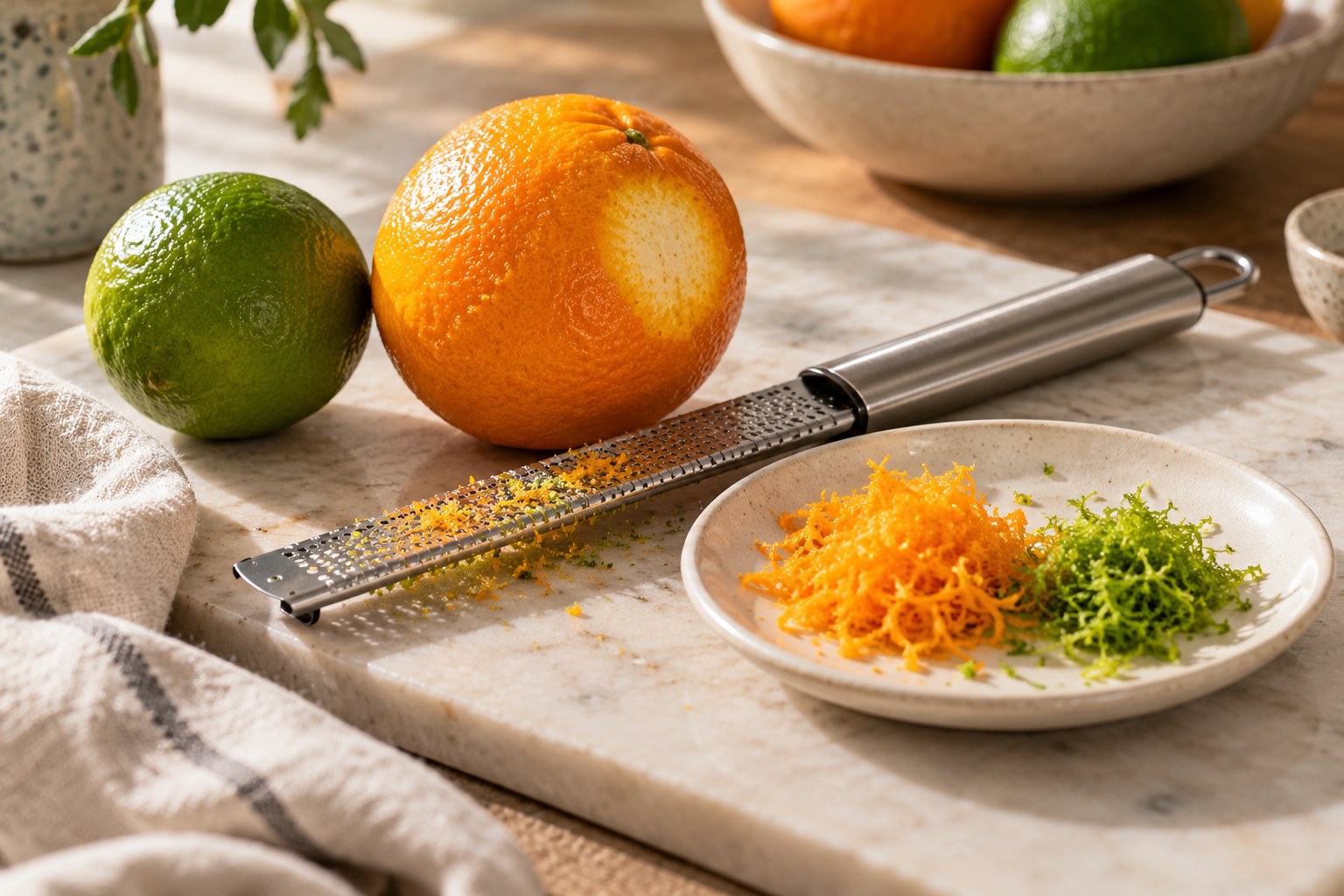
For lemon, lime, orange and grapefruit cakes, zest is an especially useful way to capture fragrance. Wash and dry citrus before zesting, avoid the bitter white pith, and follow the quantity in the linked recipe. Juice adds acidity as well as water; it is not a drop-in replacement for zest. For pineapple and other juicy fruit, draining or cooking may be important before filling or assembly.
Fruit reductions and compotes need cooling before they meet buttercream. A warm filling can melt frosting, while a thin fruit sauce may soak through the cake. When the published method includes cornflour or another thickener, follow it rather than improvising a large quantity of syrup. Use the finished cake's flavour to decide whether it needs more fruit on the plate, not more liquid poured into the batter.
3. Post-bake syrups: An effective but measurable tool
A syrup lets you put cocktail character close to the surface of a baked sponge. It is useful for cakes that would otherwise require too much liquid in the batter. However, syrup changes moisture and can carry alcohol. Follow the recipe's instructions on syrup temperature, application stage and volume. Brush or spoon it evenly instead of saturating one area, and stop when you have used the prescribed amount.
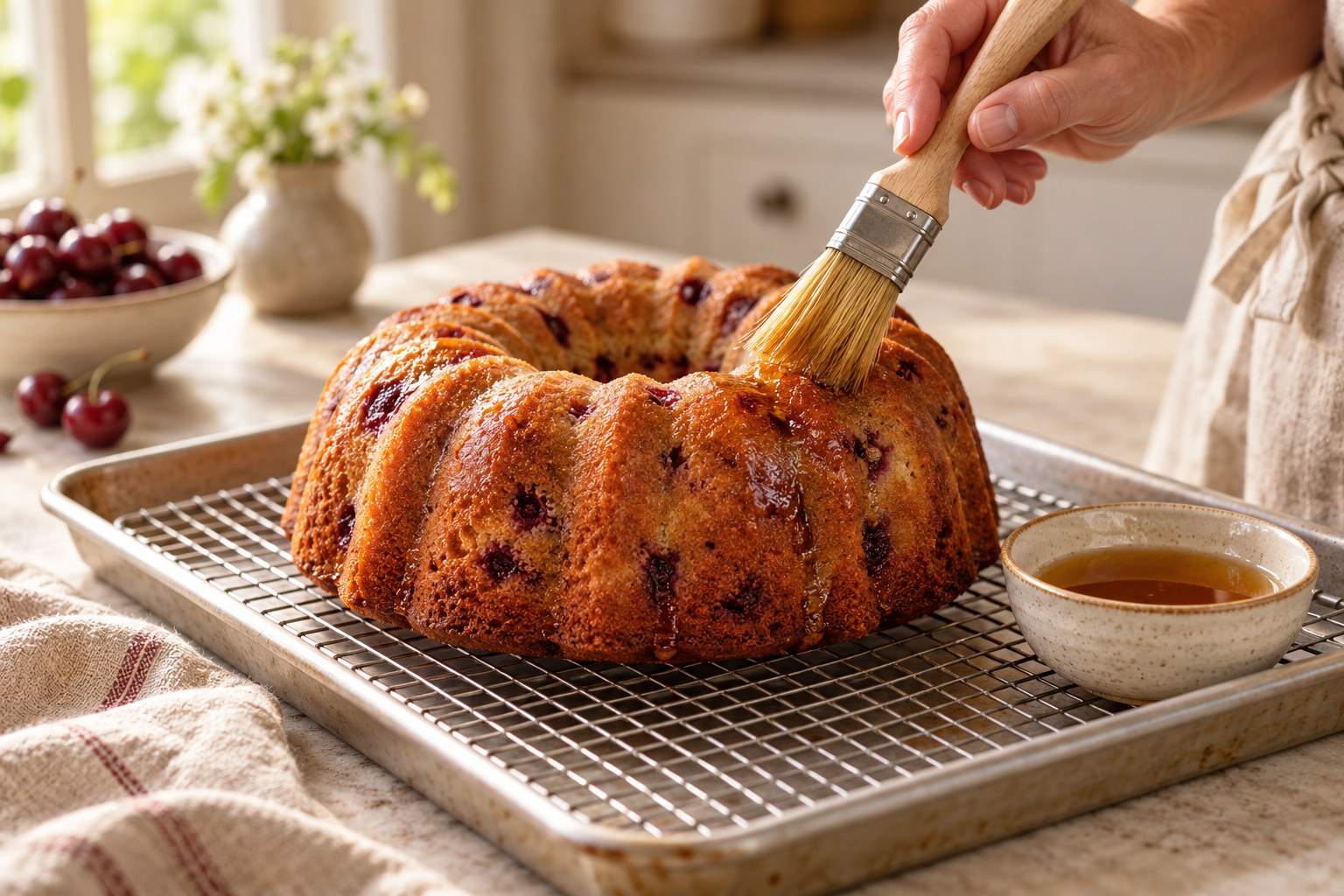
A syrup added after the cake leaves the oven does not experience the cake's full bake time. Do not tell guests that alcohol has all cooked off because the cake was baked. Likewise, a simmered syrup is not automatically alcohol-free. If alcohol avoidance matters, choose a truly alcohol-free recipe or a tested alternative that excludes alcohol throughout the batter, filling, soak and decoration.
4. Frosting and glaze: Where the flavour becomes obvious
The finished icing is often the first thing someone tastes. A lime glaze on a margarita cake reads more clearly than a large amount of tequila hidden in the crumb. For buttercream, begin with correctly softened butter, sifted icing sugar and the recipe's liquid quantities. Add liquid as directed, a little at a time; pouring in extra juice or liquor may break the texture or create a runny finish.
For cream-cheese or whipped-cream frosting, temperature control matters. Cream cheese can loosen if overworked, and whipped cream may lose volume if handled roughly or left warm. Chill finished perishable frostings promptly. An uncooked alcohol-containing glaze or frosting should be explicitly described and labelled, not dismissed as a trace ingredient.
5. Garnishes: A visual cue that matches the food
A thin slice of lime, candied orange, a mint leaf, or a restrained pinch of flaky salt can remind guests of the drink without overwhelming the cake. Garnishes must be food-safe, clean, and appropriate to the finished dessert. Cherries used in a bourbon cake need correct draining; fresh citrus rounds can release juice onto frosting. If using cocktail picks, remove them before serving and take care around children. Decorative craft glitter and non-edible flowers do not belong on edible surfaces.
6. Serving and disclosure: Make the dessert welcoming
Cocktail-inspired does not always mean alcoholic, but a cake containing tequila, bourbon, rum, bitters or a spirit glaze needs clear disclosure. Label alcoholic and alcohol-free desserts separately; do not assume alcohol disappears during baking. Offer a genuinely suitable alternative for children, pregnant guests, and anyone avoiding alcohol. Nut, egg, milk and wheat allergens also matter: a cake may contain ground almonds, dairy cream, or eggs even when its flavour headline only mentions fruit and spirits.
Reading real recipes as flavour-and-technique case studies
These published recipes illustrate different solutions. This section is not a proposal to alter their formulations: follow the exact linked recipe card, and use the explanations to understand the intended structure. A case study may be a cake, shortbread, brownie or truffle; the non-cake recipes are identified as companions rather than disguised as layer cakes.
1. Negroni Sbagliato Cocktail Cake
Flavour blueprint: Bitter aperitif, orange and bubbles. The published cake includes Campari, sweet vermouth and prosecco in the batter, a separate syrup with those components, and a Campari-sugar glaze. Despite the source article grouping it under gin, Negroni Sbagliato is not a gin cake in this formulation. Orange zest gives the crumb aromatic lift.
Technique to learn: Do not swap in gin merely because you know a traditional Negroni uses it. That turns the published cake into a different formula. Watch the combined volume of spirit-containing syrup and glaze; the original formula supplies both.
When to serve it: Choose for an adult dinner party where a gently bitter dessert will be appreciated. Label the spirits and provide another dessert for guests avoiding alcohol.
2. Margarita Cake
Flavour blueprint: Lime, tequila and orange liqueur. This version uses self-raising flour, lime zest and juice, tequila and triple sec, plus a tequila-lime syrup and a tequila-containing buttercream. It has several flavour delivery points already.

Technique to learn: Because the cake has a syrup and frosting, it is not a sensible test bed for additional liquid in the sponge. Keep finishing salt measured and restrained rather than reproducing an entire glass rim.
When to serve it: Serve as a citrus-forward celebration cake. Note that alcohol is present after baking in the syrup and frosting.
3. Classic Margarita Cocktail Cake
Flavour blueprint: The simpler glazed margarita approach. The separate Classic Margarita formula uses milk, lime, tequila and a powdered-sugar lime-tequila glaze; it does not have the same full buttercream-and-syrup architecture as the other Margarita Cake.
Technique to learn: Choose between the two original recipes according to your decorating time and preferred finish. Do not mix their glaze and batter quantities without testing; their ingredient balances differ.
When to serve it: A useful choice when you want a polished dessert with less elaborate assembly than a layered frosted cake.
4. Paloma Cocktail Cake
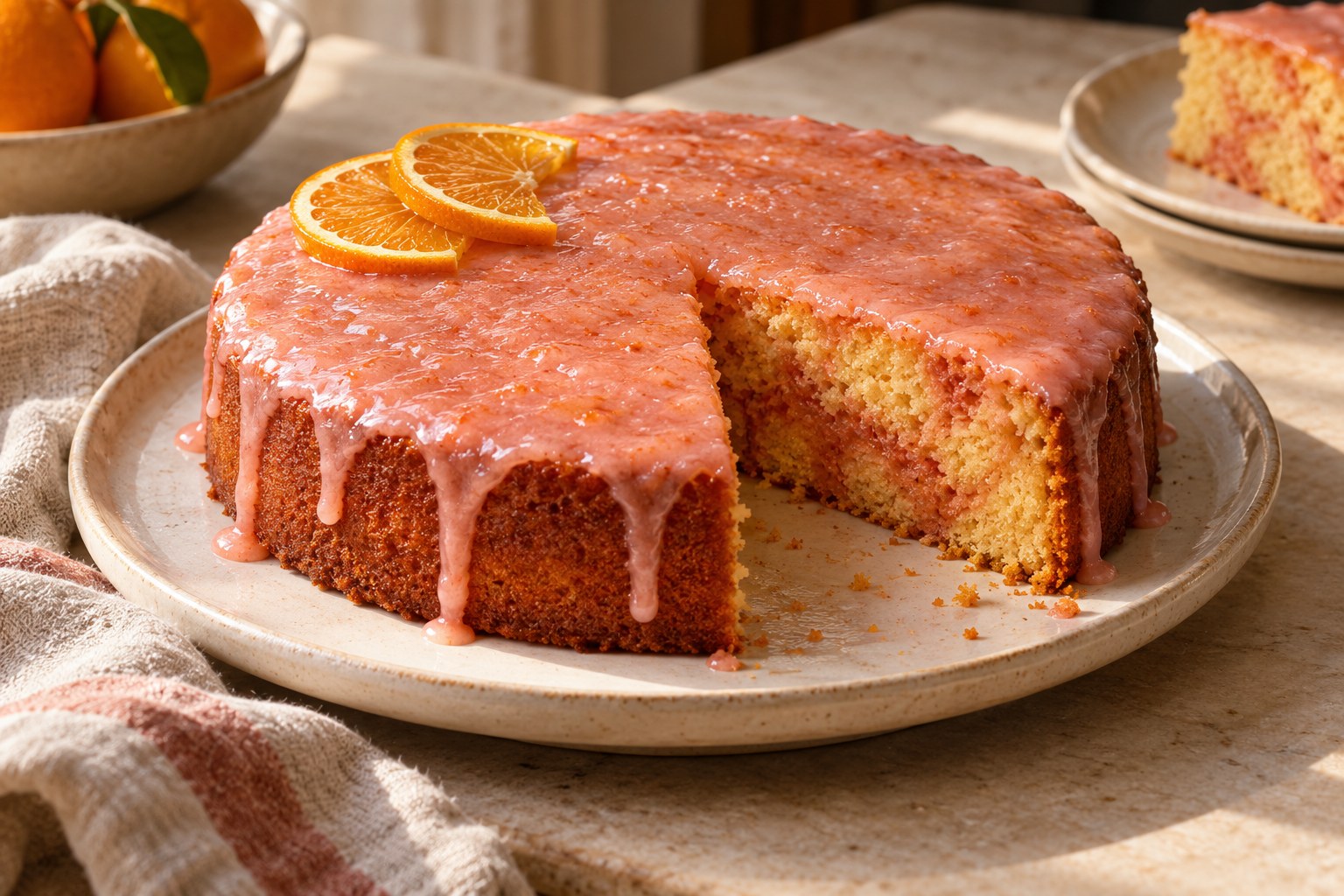
Flavour blueprint: Grapefruit, lime and tequila. The cake uses grapefruit juice and zest, a little tequila, buttermilk, plus a grapefruit-tequila soak and glaze. The grapefruit is the identity of this recipe; simply substituting orange would lose the point.
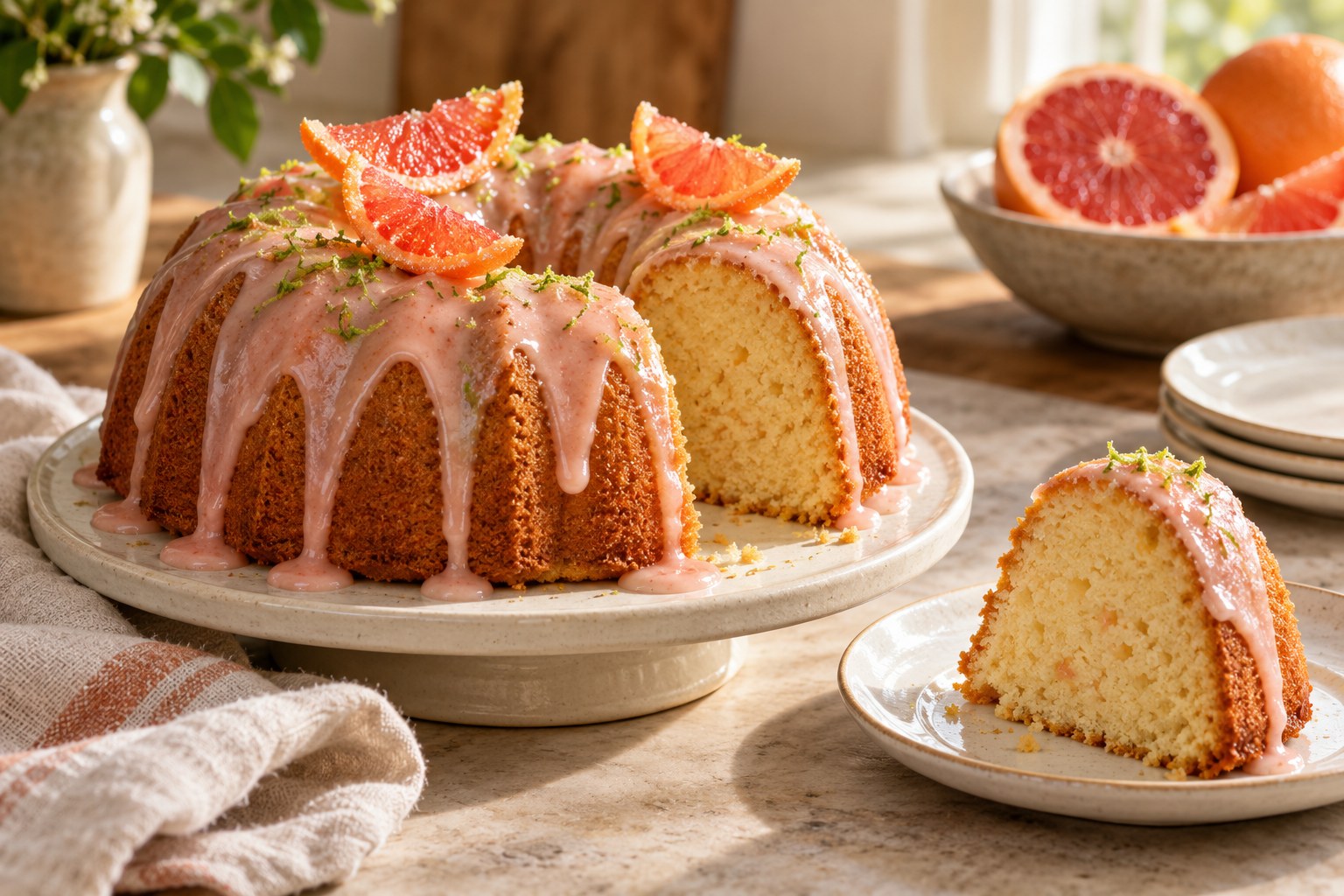
Technique to learn: Because both acidity and dairy are present, follow the method for combining them. The glaze and soak should remain measured to avoid a wet crumb. Pink colour alone is not evidence of grapefruit flavour.
When to serve it: An elegant spring dessert where bitter-tart grapefruit offers contrast to a sweet crumb.
5. Tequila Sunrise Cocktail Cake
Flavour blueprint: Orange, grenadine and a sunset effect. The published Bundt contains orange juice, tequila and coloured batter with grenadine syrup and grenadine-tequila glaze. The original article called it a layered cake, but the source recipe uses a Bundt pan.
Technique to learn: Follow the instructions for dividing and colouring batter; do not simply pour red and yellow glazes over a finished cake and expect the intended gradient. Let any glaze settle without flooding the ridges.
When to serve it: Choose when the appearance matters, but keep the visual effect secondary to correct baking and cooling.
6. Spicy Margarita Cocktail Shortbread
Flavour blueprint: Lime zest, tequila and jalapeño heat. This is shortbread, not cake. Its dough uses butter, flour, sugar, lime zest, tequila and finely diced jalapeños, followed by a tequila-lime glaze. It provides a different texture and a smaller individual serving.
Technique to learn: Control jalapeño quantity using the published recipe and avoid touching eyes while handling peppers. A shortbread formula responds differently to extra liquid than a cake batter does.
When to serve it: Offer in a clearly labelled adult dessert assortment; spice levels can surprise guests.
7. Rum Punch Cocktail Cake
Flavour blueprint: Rum, pineapple and two kinds of citrus. A Bundt cake with dark rum, orange and lime zest, juices and drained crushed pineapple, followed by a rum-pineapple soak and rum-lime glaze. The recipe itself contains no required coconut ingredient.
Technique to learn: Drain pineapple as directed so the crumb does not become too wet. Do not promise caramelised pineapple layers or a coconut accent unless they actually appear in the recipe.
When to serve it: Best for tropical parties where a well-prepared Bundt needs no complicated stacking.
8. Mai Tai Cocktail Cake
Flavour blueprint: Almond, lime, orange, pineapple and rum. This three-layer dessert uses ground almonds in the sponge, a rum syrup, pineapple-orange filling and almond-lime buttercream. Orange juice is listed as a non-alcoholic syrup alternative in the published recipe.
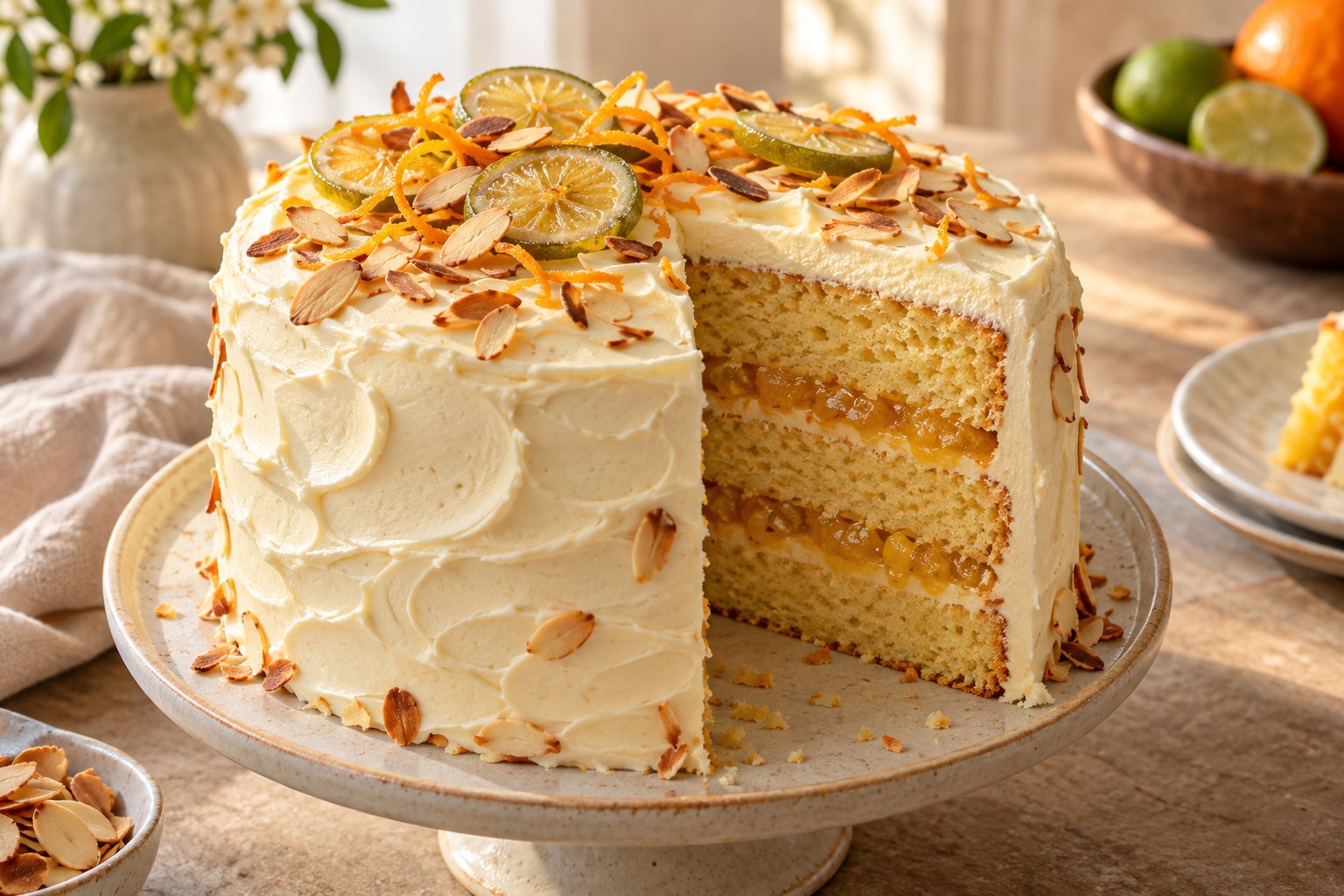
Technique to learn: The key challenge is sequencing: cool cakes and filling, assemble level layers, then frost. Almond is a major allergen and remains so even if a spirit-free variation is selected.
When to serve it: A project bake for someone comfortable with filling and stacking; plan refrigerator and counter space in advance.
9. Dark 'n Stormy Cocktail Cake
Flavour blueprint: Ginger, dark rum and lime. This cake gets a robust ginger profile from ground and fresh ginger, black treacle and non-alcoholic ginger beer, with dark rum in the sponge and syrup plus lime cream-cheese frosting.
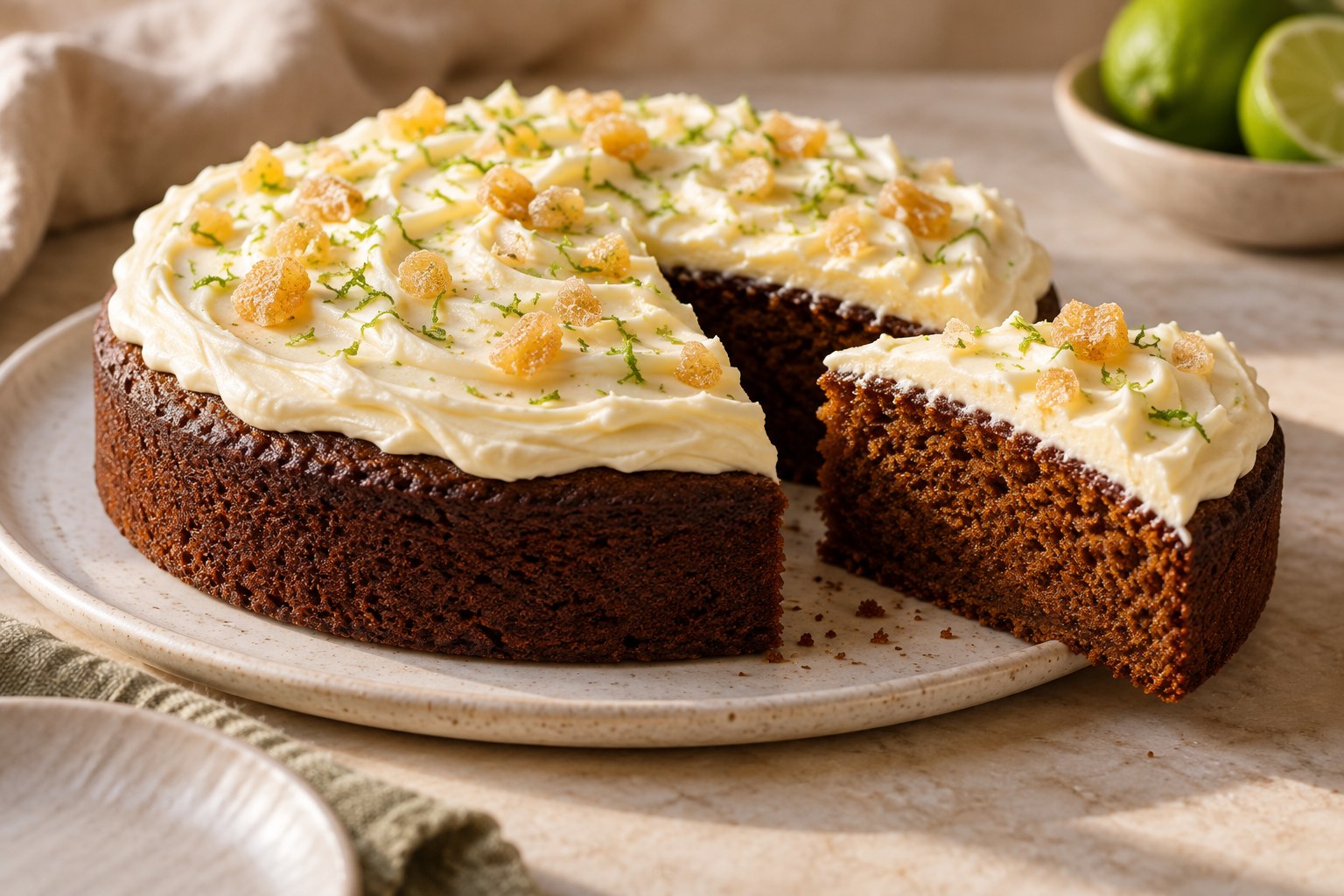
Technique to learn: The fresh and dried gingers play different roles; their intensity cannot be replaced teaspoon for teaspoon without altering flavour. Cream-cheese frosting needs cold storage.
When to serve it: Choose for a cooler-weather gathering when a spiced ginger cake fits the menu.
10. Mint Julep Cocktail Cake
Flavour blueprint: Fresh mint, bourbon and cream. The published formula uses bourbon in the cake, mint syrup and whipped-cream frosting. The garnish instructions also include egg white for sugared mint, which requires careful handling.
Technique to learn: Do not treat the whipped-cream topping as shelf-stable. For any uncooked egg-white garnish, heed Health Canada’s guidance and use pasteurized egg products where appropriate or omit a garnish safely without altering the base cake.
When to serve it: Chill until serving and label that both the syrup and whipped topping contain bourbon.
11. Old Fashioned Cocktail Cake
Flavour blueprint: Bourbon, orange, cherries and bitters. A richly flavoured Bundt with bourbon, buttermilk, orange zest, bitters and cherries; the recipe also includes a bourbon syrup and bourbon glaze.
Technique to learn: Drain preserved cherries correctly, weigh the dry ingredients and distribute added fruit without overmixing. A generous unbaked glaze is a significant alcohol component, not evidence that the alcohol baked away.
When to serve it: A good dinner-party option that reads as a cocktail even without an elaborate layer-cake silhouette.
12. Sazerac Cocktail Cake
Flavour blueprint: Rye, citrus, absinthe and bitters. This is a loaf cake rather than a large Bundt or round layer cake. Its batter contains rye whiskey, a small quantity of absinthe and bitters; the glaze also includes rye and absinthe.
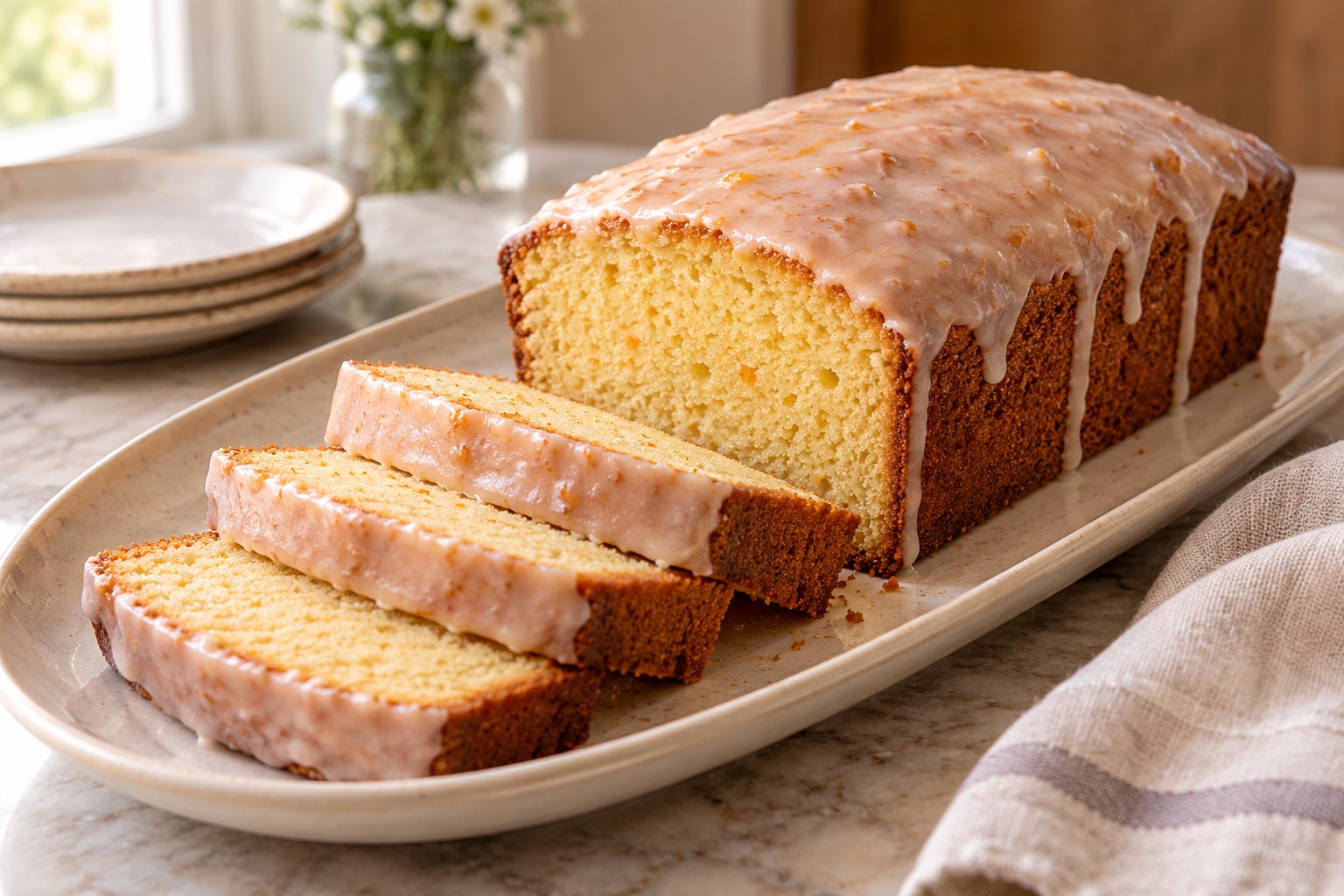
Technique to learn: Anise and bitters are strong flavours, so small measured amounts matter. Do not add more absinthe to chase a stronger aroma or imply the baked loaf is alcohol-free.
When to serve it: Useful when you want clean slices and a restrained presentation; note that rye-based cocktail flavours can be intense.
13. Whiskey Sour Cocktail Cake
Flavour blueprint: Lemon, whiskey and meringue. The cake contains lemon zest and bourbon; the finishing syrup uses lemon and bourbon, while a separately prepared meringue mimics a whiskey sour’s foamy top.
Technique to learn: Meringue handling is its own food-safety task. Follow the specified method and use pasteurized egg products for any meringue or topping not thoroughly cooked. Do not torch an underprepared egg-white mixture merely to colour the surface.
When to serve it: Pick this for a dramatic finish only when you have time to handle the topping carefully.
14. Paper Plane Cocktail Cake
Flavour blueprint: Bourbon, amaro, Aperol and lemon. The published cake has bourbon in the crumb; its syrup uses bourbon, Amaro Nonino or a specified alternative, Aperol and lemon, while both buttercream and glaze bring additional spirits.
Technique to learn: Because several concentrated components are involved, measure exactly as published. Swapping one bitter liqueur for another may change sweetness and flavour even if the liquids measure alike.
When to serve it: For adults who enjoy bittersweet cocktails, a small serving with coffee gives the flavour space.
15. Irish Coffee Cocktail Cake
Flavour blueprint: Coffee, Irish whiskey and cream. The cake contains instant espresso, Irish whiskey and milk, then receives a whiskey-coffee syrup and a Baileys-containing whipped-cream topping.
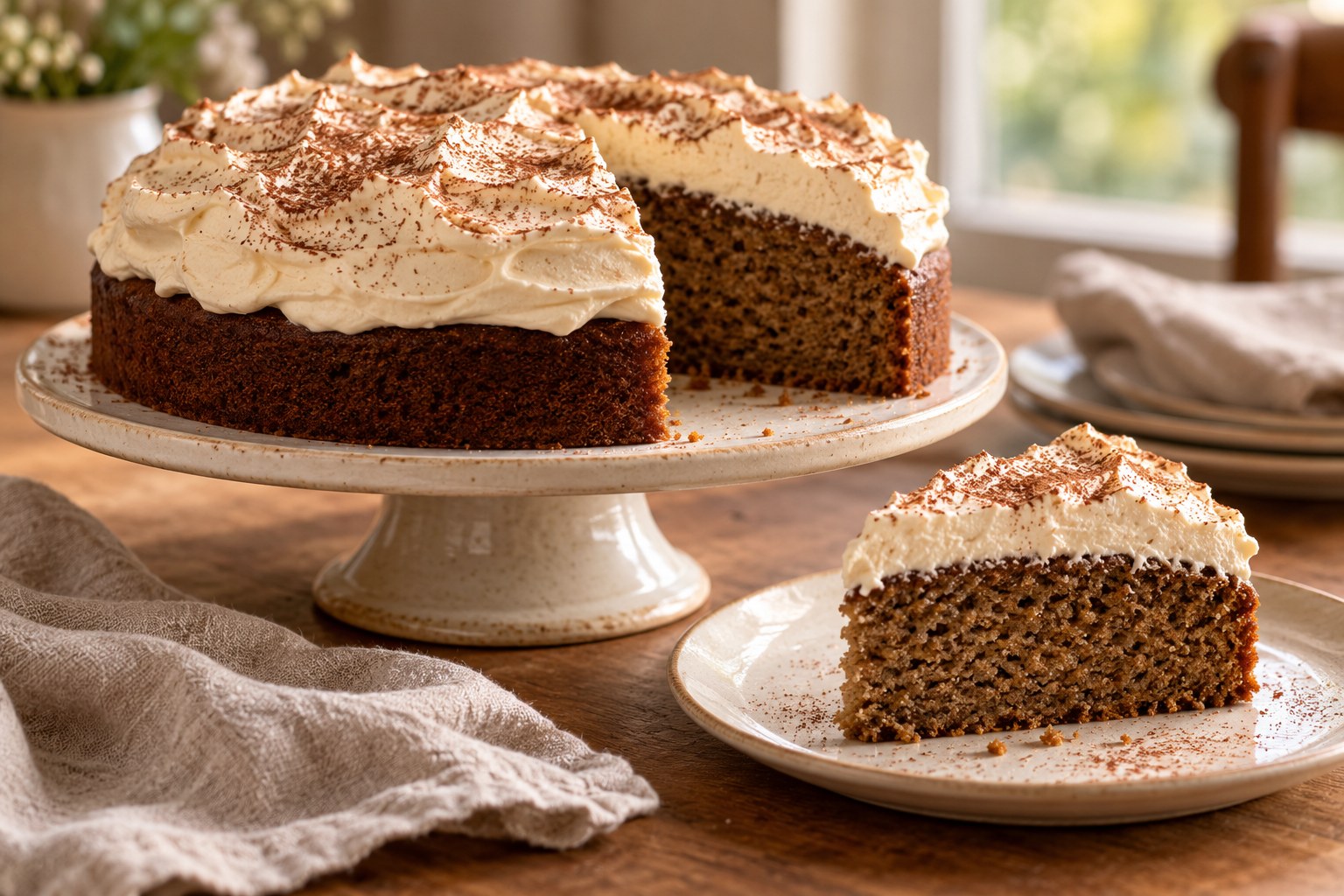
Technique to learn: The cream topping is perishable. Coffee powder and brewed coffee contribute different kinds of intensity; using brewed coffee in place of dry espresso powder would add water to the batter.
When to serve it: Best when you can keep it chilled and finish with cocoa shortly before serving.
16. Manhattan Cocktail Truffles
Flavour blueprint: Chocolate, rye, vermouth and bitters. These are chocolate truffles, not a Manhattan cake. Dark and milk chocolate are emulsified with cream, then seasoned with rye whiskey, sweet vermouth and bitters; the mixture requires chilling.
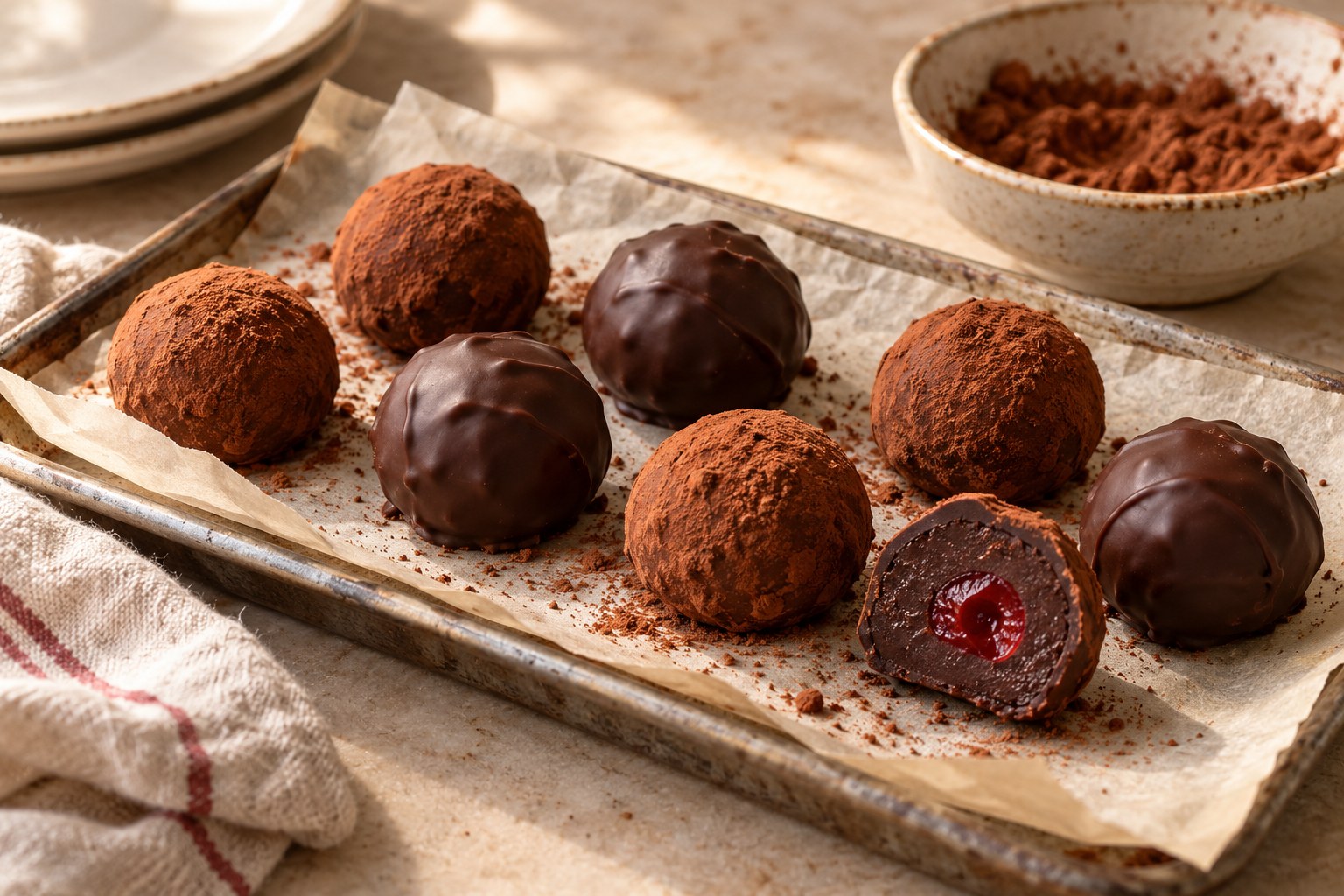
Technique to learn: Be patient with the emulsion and chill time. Additional liquor can loosen ganache. Label the chocolates, dairy and alcohol, and never advertise the truffles as baked alcohol-free treats.
When to serve it: Excellent as a bite-size companion to a cake; they do not replace a sliced sponge in a buffet plan.
17. Boulevardier Cocktail Brownies
Flavour blueprint: Dark chocolate, bourbon, Campari and vermouth. These are brownies, not cake. The recipe contains melted dark chocolate and butter, measured bourbon, Campari, sweet vermouth, flour and eggs, plus a spirit-containing glaze.
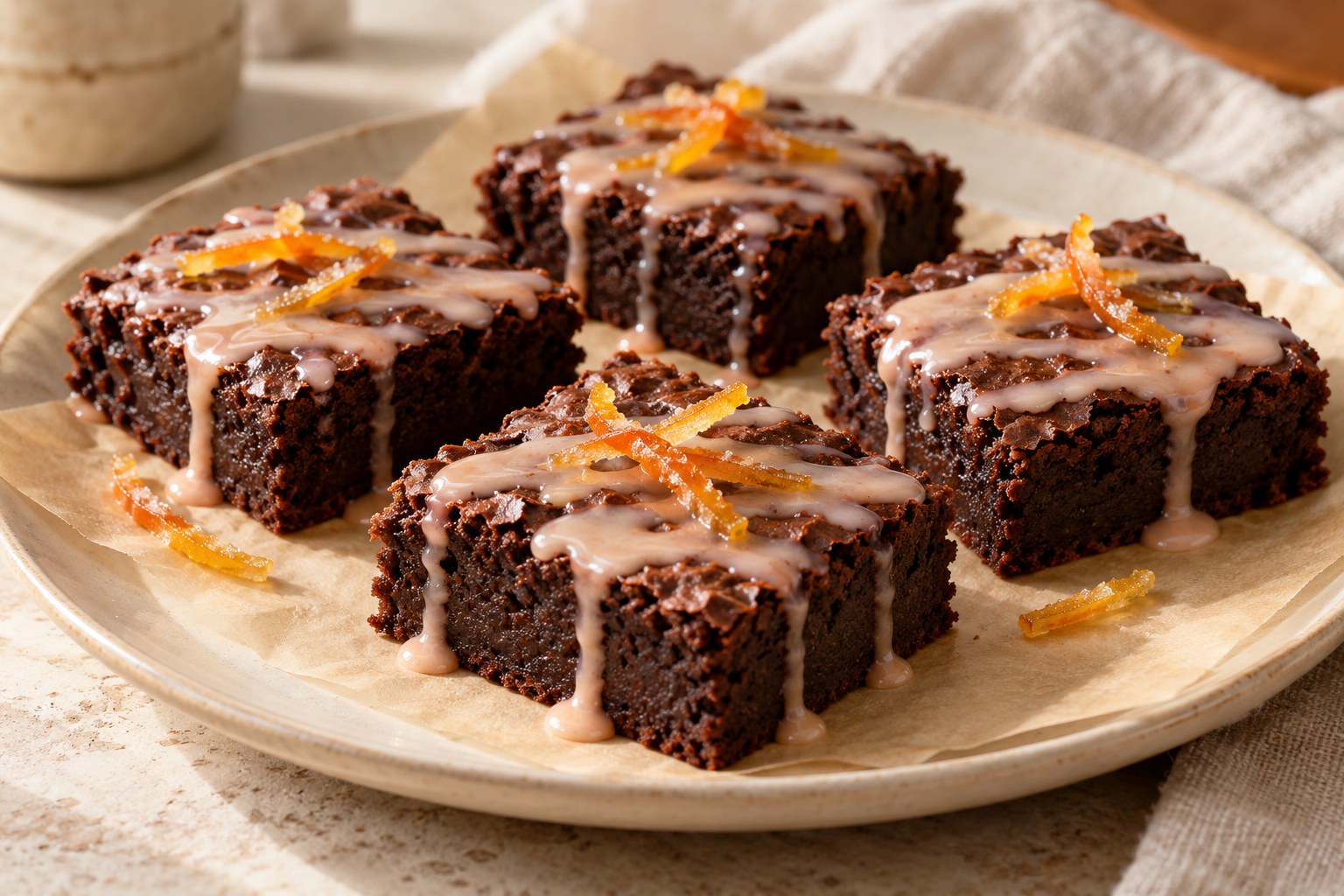
Technique to learn: Baking chocolate desserts can make doneness hard to read by colour alone. Use the instructions and cooling stage for clean squares. The uncooked glaze is another alcohol source.
When to serve it: Offer as a small adult-only tasting square beside a citrus-forward cake.
18. Lime Margarita Cake
Flavour blueprint: Layer cake with tequila, orange liqueur and lime. This is a separate lime-margarita recipe from both the Margarita Cake and the Classic Margarita Cocktail Cake. It uses two round cake tins, tequila and orange liqueur, tequila syrup, lime buttercream and a salt-sugar-zest finish.
Technique to learn: Choose the correct formula first. Ingredient measurements from three similarly named cakes are not interchangeable; this version needs layer assembly and a different frosting ratio.
When to serve it: A good opportunity to practise stacking and decorating when you prefer a lime-led layer cake to a Bundt.
A practical test-bake workflow that keeps the cake intact
For an unfamiliar formula, perform a small rehearsal rather than altering multiple things at once. Start by checking ingredient weights and temperatures. Confirm whether the recipe needs a loaf tin, Bundt, or several round pans. Check which components are cooked and which contain alcohol added after the bake. Make a shopping list for the actual recipe, including any finishing liquor, not just the sponge.
On the first attempt, make the recipe exactly as published and record observations: how long the butter took to cream, how the batter looked before baking, whether the cake released from the pan, the cooling time, and whether the finished icing was thick enough to hold. Use a kitchen scale where possible. If your cake is dry or uneven, diagnose the problem before changing spirit measurements, leavening or flour. Changes to an acidic drink-inspired cake should be tested one at a time.
During the second bake, aim to change only one adjustable finish—for example, an approved garnish or the degree of orange zest in the finished decoration, without altering the base batter. Take a photograph in consistent lighting and note the serving temperature. A simple testing log helps you understand what improved the result and what merely changed its appearance.
The three-day production plan for a special occasion
Three days before: Decide on a cake and check the recipe in full. Buy ingredients and confirm there is enough refrigerator space for perishable fillings or frosting. Locate the right pan and a box tall enough to transport the finished cake. If guests avoid alcohol or have allergies, plan an explicitly suitable alternative as its own recipe, rather than assuming you can eliminate one ingredient from a complex cake without consequences.
Two days before: If the recipe permits advance baking, prepare cake layers or a Bundt, cool completely and wrap according to the recipe's storage instructions. Make only fillings or syrups that can be stored safely under the published method. Label every container and clean surfaces that handled raw eggs. Do not use the mere presence of alcohol as permission to store cream or egg products at room temperature.
One day before: Prepare a suitable filling, frost when cakes are completely cool, and refrigerate cakes with cream cheese, whipped cream or other perishable toppings. Decide whether a glaze should be added just before serving to avoid dissolving decorations. Make an allergen and alcohol label to display beside the dessert.
On the day: Add fragile garnishes shortly before serving, transport perishable desserts cold and give guests a clean knife and serving utensil. A cake may need a brief serving-temperature adjustment for texture, but use food-safety guidance rather than leaving cream-based frosting on a buffet for hours. Cut with a clean knife, wiping it between slices for a professional finish.
Troubleshooting flavour, structure and presentation
The cake tastes more like liquor than dessert
Check whether an uncooked glaze or syrup dominates the first bite. Increasing sugar to cover an excessive alcohol addition often makes the cake cloying rather than balanced. On a future test bake, follow the original quantities and use orange, lemon or lime zest as directed rather than adding liquor outside the recipe. Serve a smaller portion with a plain accompaniment if the finished flavour is intense.
The middle is wet or heavy
Excess liquid, too much fruit, inadequate baking or an emulsion problem may be responsible. Do not immediately blame the alcohol content without checking the pan size and oven temperature. Use the recipe's doneness cues and allow the prescribed cooling time. A soaked sponge should be evenly moist, not dripping. Once an underbaked cake has been cut, a glaze cannot repair its structure.
The buttercream curdles or looks greasy
Ingredient temperatures may be mismatched or too much liquid was added at once. Check that the butter is softened but not melted and that any citrus or alcohol-containing reduction has cooled. Stop adding liquid and follow a tested remedy appropriate to that frosting style. The response for a classic buttercream may differ from one using cream cheese or whipped cream.
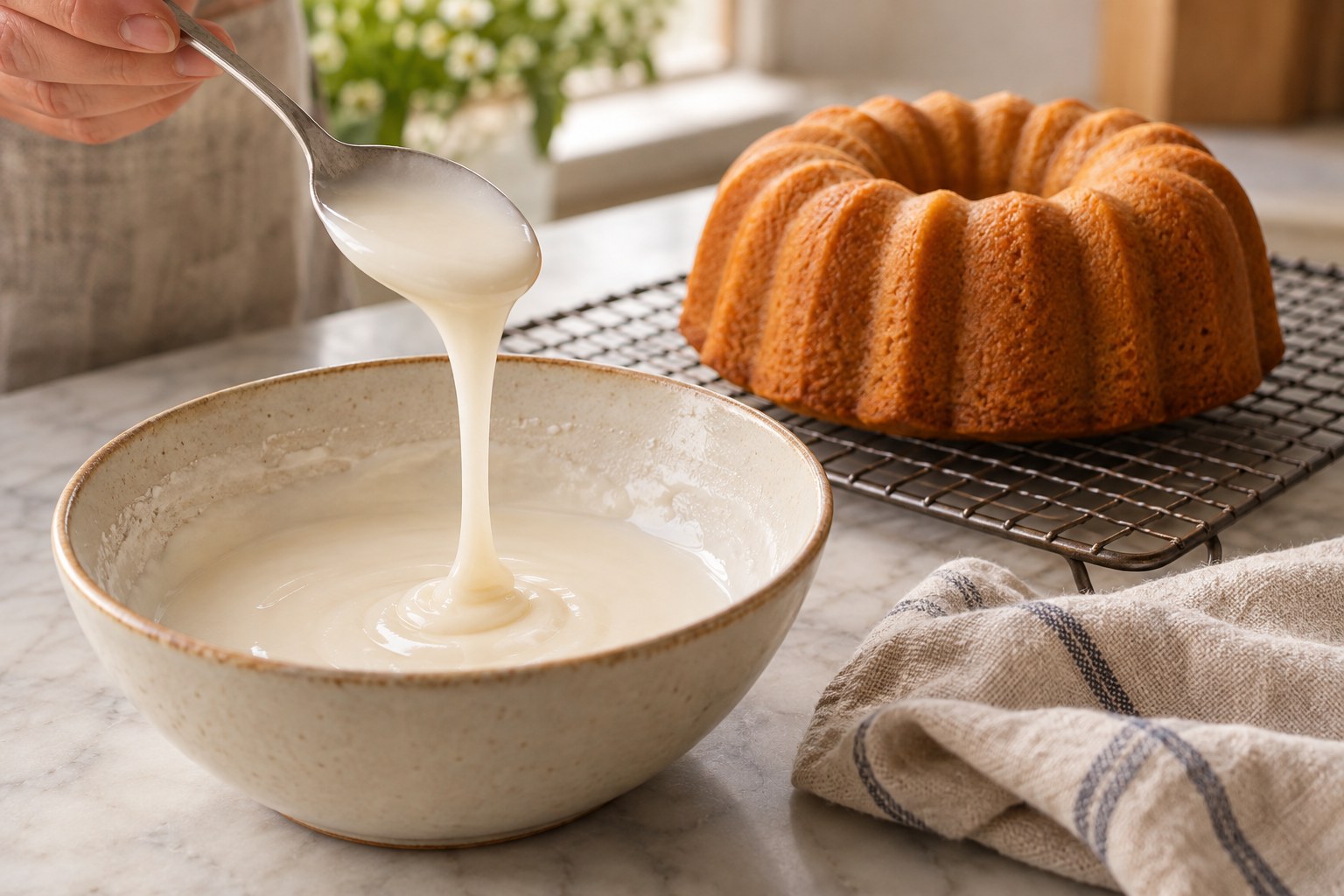
The glaze slides off the cake
A hot cake may melt glaze, and an overly thin glaze may run down the sides. Let the cake reach the recipe's specified temperature. Make the glaze with the published liquid-to-icing-sugar ratio, then test the flow on a spoon. For ridged Bundts, apply in stages rather than pouring everything onto one spot.
The fruit filling makes layers slip
Filling may be too loose or too warm. Chill according to the recipe and use a frosting dam when instructed. Avoid stacking onto warm cake layers; a filling that is delicious in a bowl is not necessarily firm enough to support a stacked cake.
The cake tastes bitter or medicinal
Bitter aperitifs, absinthe, bitters and aromatic extracts are concentrated. Use their measured quantities and pay attention to the role of balancing sugar, citrus or dairy. Adding anise spirit to a Negroni cake or strong bitters to a margarita may obscure the drink's intended identity.
The decorated cake looks crowded
Remove unnecessary garnishes rather than adding more. A single recognisable citrus twist or cherry is often enough. Dessert styling benefits from repeated simple elements, a tidy cake stand and clearly labelled servings, particularly when several kinds of cocktails are represented.
Alcohol, allergen and food-safety guidance
Alcohol retained after heating varies with recipe, cooking method and time. Iowa State University Extension explains that cooking may reduce alcohol but does not reliably eliminate it. A syrup, ganache, glaze or frosting containing liquor added after heating may retain substantial alcohol. If complete avoidance is necessary, do not promise that a baked version is alcohol-free; choose a genuinely alcohol-free alternative recipe and read all ingredient labels. Read Iowa State Extension's explanation of alcohol retention.
Never taste raw cake batter. Recipes may contain uncooked eggs and flour. Health Canada warns that raw or lightly cooked eggs can be risky, especially for certain groups, and recommends pasteurized egg products in foods not thoroughly heated. This is particularly relevant to a meringue topping or a raw-egg decoration. Health Canada: Egg safety.
Perishable frosting needs refrigeration. Keep cold foods at 4°C or lower, avoid leaving perishable food at room temperature for more than two hours, and follow instructions appropriate to cream cheese, whipped cream, eggs and fillings. Health Canada recommends promptly chilling leftovers and using refrigerated leftovers within two to three days or freezing them for later use; the particular cake's recipe may impose a shorter timeframe. Health Canada: Leftovers and cooling.
Check allergens individually. Mai Tai cake contains ground almonds, while most examples include wheat, eggs and dairy. Manhattan truffles contain chocolate and cream; other recipes may include nuts, sesame-derived ingredients or dairy toppings. Read packages for cross-contact information. A “mocktail-style” label is not automatically gluten-free, vegan or allergy-safe, and extracts marketed as flavourings can themselves contain alcohol.
Frequently asked questions
Does the alcohol bake out of a cocktail cake?
Not necessarily. Retention depends on the method, time and where the alcohol is incorporated. Post-bake syrups and uncooked frostings are particularly important. Label the cake as containing alcohol whenever the finished recipe does. Choose a verified alcohol-free dessert when alcohol must be avoided altogether.
Can I replace the liquor with the same volume of juice?
Only when the published recipe explicitly permits that substitution, or you are using a separate tested alcohol-free recipe. Spirits, juice, water and extracts differ in sweetness, acidity, aroma and behaviour. Replacing all the tequila in a batter with lime juice may change the crumb and the leavening balance.
Which is easier: Bundt cake or layer cake?
A Bundt avoids stacking and extensive filling but needs careful pan preparation and release. A layered Mai Tai or Lime Margarita cake adds the tasks of levelling, filling and frosting. The right choice depends on your available time and equipment, not on which cocktail sounds simpler.
How do I know which Margarita Cake recipe to choose?
What’s Baking? has distinct Margarita Cake, Classic Margarita Cocktail Cake and Lime Margarita Cake. Compare their pans, ingredients, syrup and frosting before shopping. Treat them as separate tested formulas, not three sets of optional instructions.
Is a Negroni Sbagliato cake made with gin?
Not in the published linked formula. It lists Campari, sweet vermouth and prosecco, reflecting the Sbagliato style. The original article's gin label was incorrect for this recipe.
Do Manhattan truffles count as cocktail cakes?
No. They are a chocolate-based companion dessert requiring chilling. Keep them in a separate section or label their category clearly on the dessert table.
Can I make a cocktail cake ahead of time?
Often yes, but components differ. Plain cake layers may be wrapped and frozen when appropriate, while whipped-cream frosting and some fillings require prompt refrigeration. Use the individual recipe's instructions and food-safety guidance rather than assuming every alcoholic cake lasts longer.
How do I avoid a soggy cake after adding syrup?
Use the measured amount from the published recipe, distribute it evenly and apply at the stated stage. Resist the urge to double it for more cocktail flavour. Remember that a syrup contributes both moisture and potentially alcohol.
Is a spirit-flavoured cake appropriate for children?
Do not assume that cooking renders alcohol-containing cake suitable for children. Offer a separate, clearly alcohol-free dessert made from a tested recipe, and avoid cross-serving with utensils used for the alcoholic version.
What is the best starting point for a new baker?
Choose one straightforward linked formula with minimal assembly, prepare all equipment in advance and follow the method without extra substitutions. A simple glazed Bundt may involve fewer stages than a filled three-layer cake. Your second bake is the time to experiment with controlled garnish changes.
Final thoughts: Let the recipe carry the flavour
The best cocktail-inspired desserts use a few recognisable flavours with clear jobs: citrus for freshness, syrup for controlled moisture, bitters for contrast, and a frosting that complements the sponge. You do not need an expensive bottle or an invented percentage rule to achieve that effect. You need a dependable recipe, accurate ingredient measurements, an understanding of the layers you are building, and appropriate serving information for your guests.
IN PICTURES
From the baking notebook
FROM THE RECIPE BOX


