Disclosure: As an Amazon Associate I earn from qualifying purchases. Some links below are tagged affiliate links; purchases may earn us a commission at no additional cost to you.
Our methodology: This research-based buying guide compares manufacturer's published details and practical kitchen requirements. We have not claimed independent hands-on testing or guaranteed performance.
A covered oven-safe vessel makes steam management relatively simple during the first part of a sourdough bake. The right pot depends on your loaf shape, safe working temperature and how easily you can transfer dough into hot cookware—not just its price or prestige.
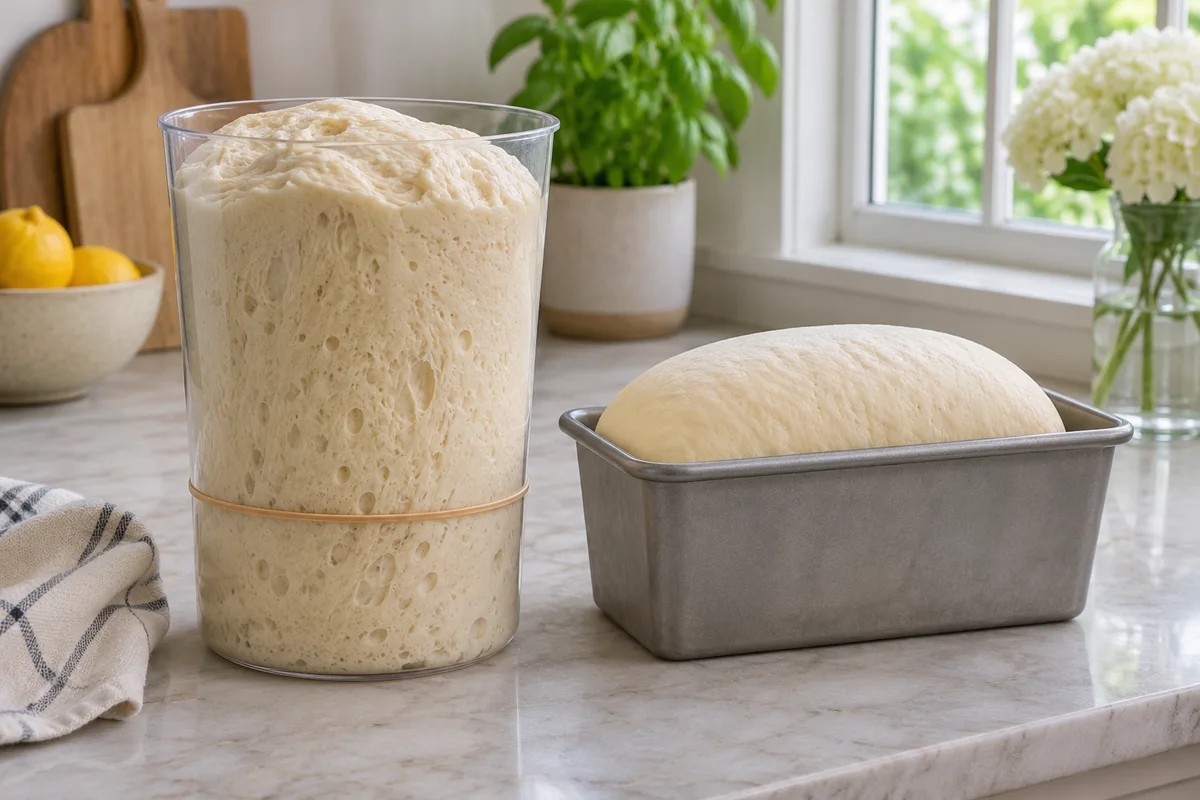
Compare best dutch ovens for sourdough bread side by side
This is a specification-based comparison using manufacturer descriptions and practical baking criteria, not a claim of independent performance testing. Check the exact variant and current product directions before ordering.
| Option and source | Documented design | Best fit | Trade-off |
|---|---|---|---|
| Lodge Double Dutch L8DD3 | 5-qt cast iron; lid also functions as a handled skillet | Round sourdough loaves and a versatile pot | Heavy; check that loading a hot vessel is comfortable |
| Standard round Dutch oven General equipment format | Deep covered vessel; specifications depend on the model | Home bakers who already own suitable oven-safe cookware | Loading into a deep heated pot may be awkward |
| Oval Dutch oven or bread cloche General equipment format | Longer interior geometry varies by model | Bâtards and other longer loaves | Measure lid height, handles and actual interior length |
Which option makes sense for your baking?
Lodge 5-Quart Double Dutch Oven, L8DD3
A practical cast-iron contender because the lid can serve as a skillet or shallow bread-loading base. That reduces the depth into which dough has to be lowered. It is still a heavy, very hot iron vessel, and the loading procedure requires appropriate gloves and clearance.
Conventional round Dutch oven
A useful multipurpose option for boules, especially if one already sits in your kitchen. The primary issue is lowering dough safely past high walls without deflating or stretching it. Check lid knob and full-assembly heat ratings rather than assuming all enameled pots work at bread temperatures.
Oval Dutch oven or bread cloche
Worth considering if you mainly proof longer bâtards, which may be constrained by a round vessel even when it has a generous quart rating. Internal usable length, height under the lid and storage footprint matter more than its nominal capacity.
What to compare before paying
Measure the loaf, not the marketing capacity
Compare your proofing basket's outside dimensions with the pot's usable interior. Two five-quart vessels may have very different diameters and lid headroom. If a batard cannot fit without distortion, more volume in a round pot may not solve the problem.
Confirm every heat-sensitive part
The base, lid, coating and knob can have different safe limits. Follow the exact maker's instructions for preheating, temperature and cooling, especially with enameled cookware. Do not transfer thermal-shock techniques from cast iron to glass or ceramic.
Evaluate loading and weight
A low cooking surface may make transfer safer, but handling an inverted hot lid introduces its own technique. If a heavy pot is difficult to lift, a lighter correctly rated baker may be a better choice than a popular cast-iron recommendation.
What we would choose
If you already own a suitable covered cast-iron pot, bake with it before buying another. A Lodge-style double Dutch oven makes the most sense when shallow loading and multipurpose cookware matter. Choose an oval form for consistently elongated loaves.
Before ordering, compare the exact maker's SKU, size, parts, operating limits and warranty with your actual recipes. If a tool already in your kitchen completes the job safely, you may not need an upgrade.
Browse current Canadian options
The following link opens Amazon.ca search results for the described equipment rather than promising a particular brand, seller, price or stock level. Always verify the exact listing yourself.
Explore Lodge 5 qt double dutch oven L8DD3 on Amazon.ca
Frequently asked questions
What Dutch oven size works for one sourdough loaf?
Many home bakers start around five or six quarts, but the important measurements are usable diameter and lid clearance. Match the vessel to your dough weight, banneton and shape.
Does enameled cast iron bake better bread?
Not inherently. Both bare and enameled vessels can work when the full assembly is oven rated. Loading method, steam retention, geometry and safe handling are more defensible buying criteria.
Can I bake without a Dutch oven?
Yes. A properly rated bread cloche or a stone and oven-compatible steam approach can work. Follow your oven manufacturer's steam and thermal-shock instructions.
Product research sources
Put your gear to work
From the What's Baking recipe library — recipes to explore alongside your equipment research.

Compare the gear side by side
These related guides cover equipment choices that frequently come up alongside this one.


Keep exploring Baking Gear
Equipment works best as a system. These guides address the next practical choice.