Disclosure: As an Amazon Associate I earn from qualifying purchases. Some links below are tagged affiliate links; purchases may earn us a commission at no additional cost to you.
Our methodology: This research-based buying guide compares manufacturer's published details and practical kitchen requirements. We have not claimed independent hands-on testing or guaranteed performance.
The shape of a sandwich loaf comes from dough quantity, proofing and pan geometry together. Two pans with similar nominal dimensions can have noticeably different sidewall shapes and usable volumes, so matching your recipe is more important than choosing the most expensive finish.
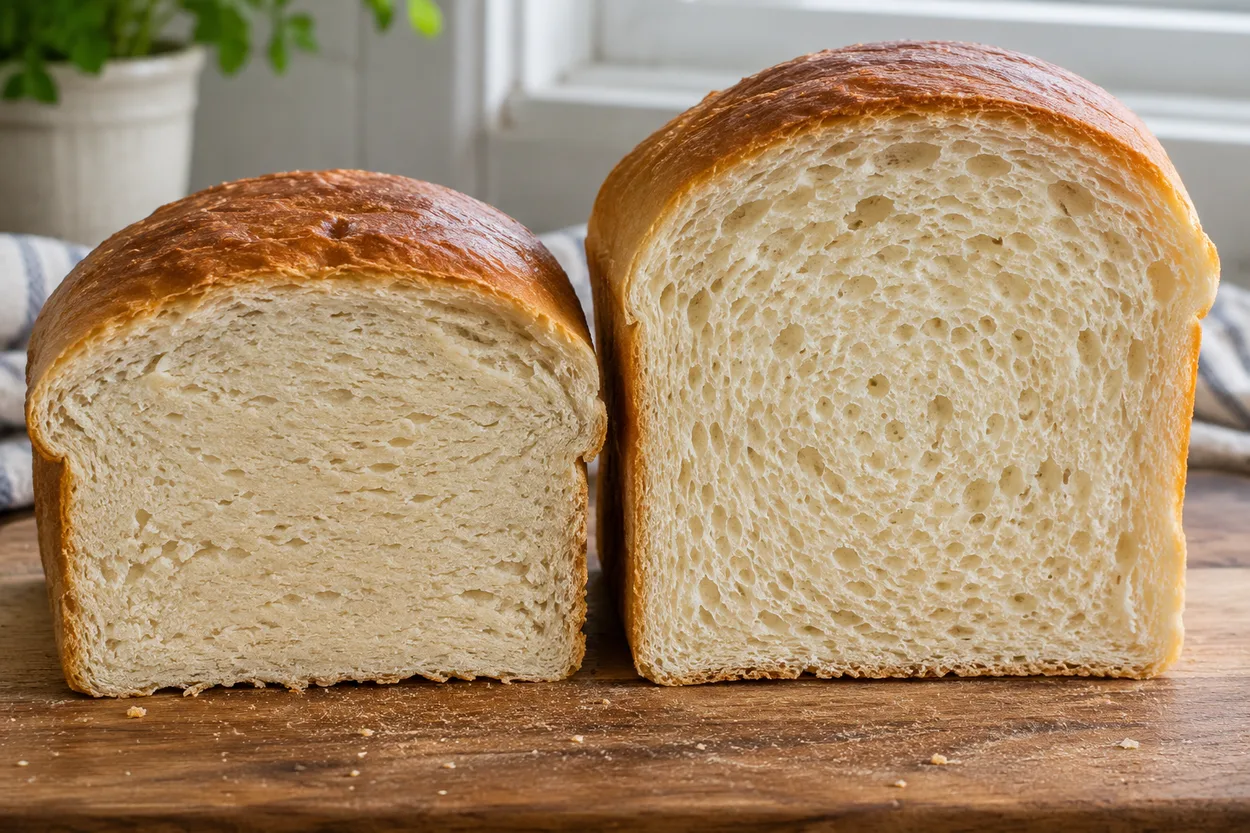
Compare best loaf pans for sandwich bread side by side
This is a specification-based comparison using manufacturer descriptions and practical baking criteria, not a claim of independent performance testing. Check the exact variant and current product directions before ordering.
| Option and source | Documented design | Best fit | Trade-off |
|---|---|---|---|
| USA Pan small loaf 1140LF-1 | Nonstick-coated metal loaf pan; one-pound volume designation | Standard quick breads and smaller sandwich loaves | Check actual dimensions against your recipe's dough mass |
| USA Pan small Pullman 1170PM-1 | Straight-sided covered Pullman pan | Square sandwich slices and closed-lid baking | Requires correct dough load and a compatible cover |
| Fat Daddio's loaf pan range | Anodized aluminum in multiple bread-pan sizes | Choosing a different geometry or capacity | Match the specific size and care guidance before ordering |
Which option makes sense for your baking?
USA Pan 1-lb loaf pan, 1140LF
A common format for traditional rounded-top sandwich bread. Confirm the manufacturer's interior measurements and suggested care requirements, and compare those figures with the volume your recipe expects.
USA Pan Pullman loaf pan with cover, 1170PM
A covered rectangular pan for square-topped slices when used with a suitable dough quantity and correctly timed proof. The lid changes expansion room, so follow a recipe built for a Pullman pan.
Fat Daddio's bread loaf pans
Metal loaf-pan options in different sizes and profiles. Useful when you want to select a specific internal footprint rather than assume all pans labelled 9-by-5 behave the same.
What to compare before paying
Dough load matters as much as pan length
A small dough batch in a broad pan may bake as a short loaf. A large batch in a small pan may mushroom over the rim or create dense areas. Follow your recipe's intended pan dimensions and dough mass.
Straight and sloped sides produce different slices
A Pullman pan is designed for a more rectangular loaf, while a traditional open pan may produce rounded shoulders. Neither guarantees better flavour; the shape matters for sandwiches, toast and storage.
Coatings and release deserve attention
Check whether your chosen pan requires grease, parchment or a special cleaning method. Do not assume a durable-looking pan can withstand metal tools or dishwashers if the maker prohibits them.
What we would choose
For an everyday sandwich loaf, choose the pan your trusted bread recipe specifies. Buy a Pullman pan only when square slices or covered-pan bread are part of your regular routine.
Before ordering, compare the exact maker's SKU, size, parts, operating limits and warranty with your actual recipes. If a tool already in your kitchen completes the job safely, you may not need an upgrade.
Browse current Canadian options
The following link opens Amazon.ca search results for the described equipment rather than promising a particular brand, seller, price or stock level. Always verify the exact listing yourself.
Explore USA Pan 1 lb loaf pan 1140LF Pullman loaf pan 1170PM Fat Daddios on Amazon.ca
Frequently asked questions
Can I use a standard sandwich recipe in a Pullman pan?
Often with adjustments, but verify the recommended dough weight and proof. Baking with the lid changes available rise and can require a different recipe size.
What is the difference between 8.5-by-4.5 and 9-by-5?
Small dimension differences add up to meaningful volume differences. A loaf that rises tall in the smaller pan may spread more in the larger one.
Are dark pans better for bread?
Surface colour can affect browning, but results also depend on material, oven and dough. Follow your recipe and adjust after a controlled comparison.
Product research sources
Put your gear to work
From the What's Baking recipe library — recipes to explore alongside your equipment research.
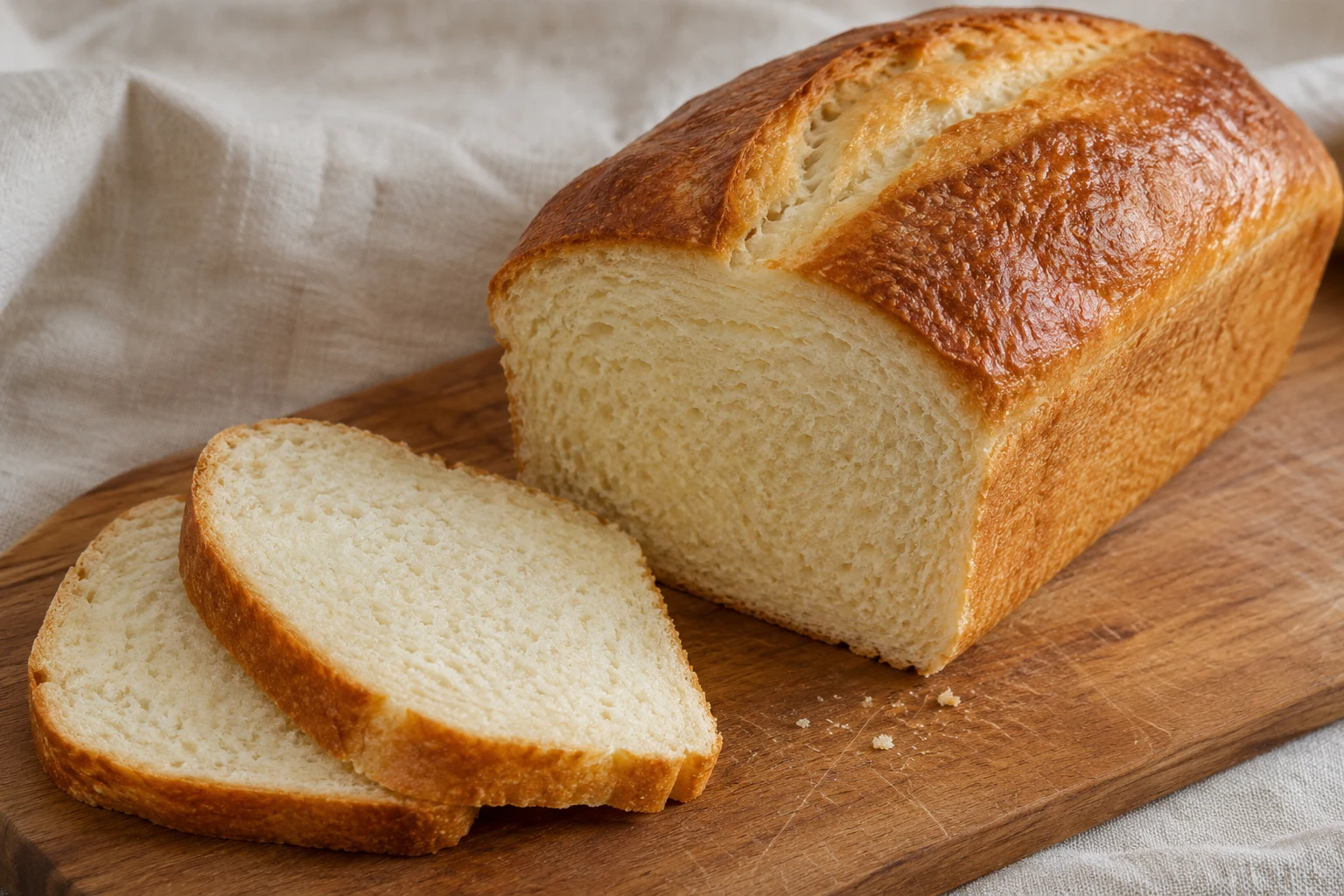

Compare the gear side by side
These related guides cover equipment choices that frequently come up alongside this one.

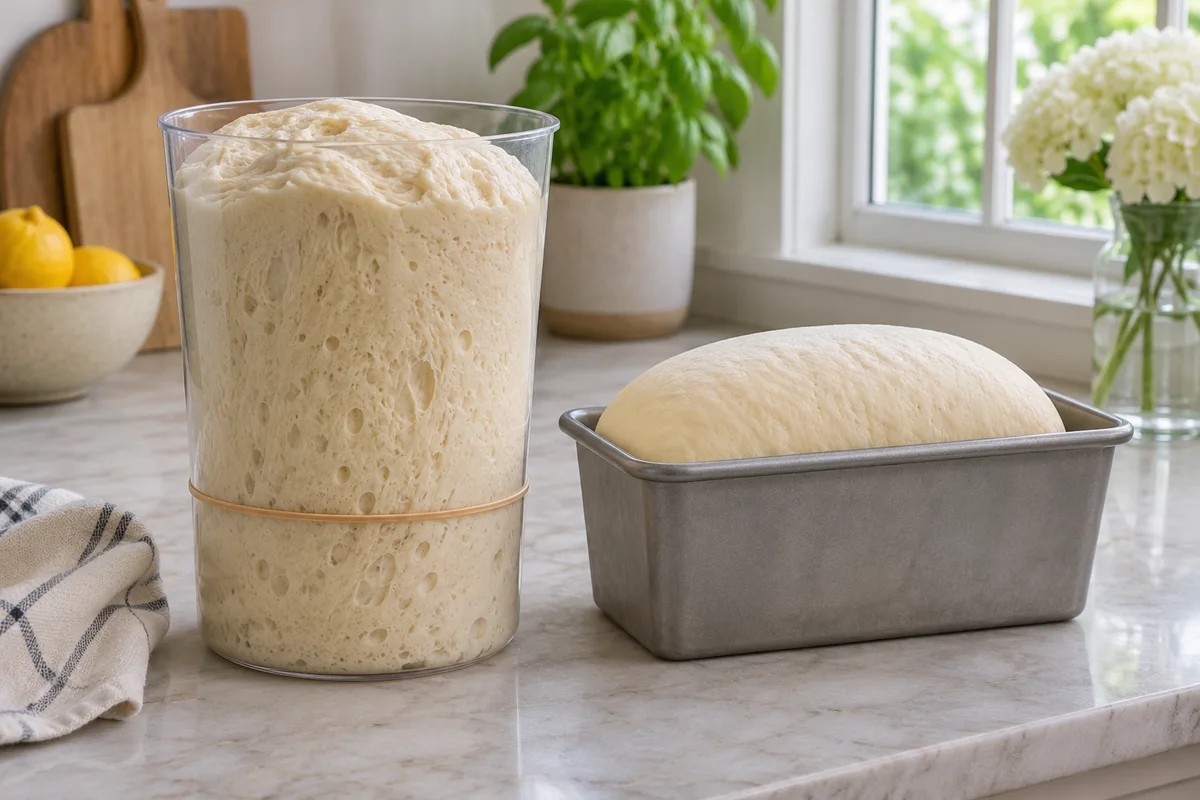
Keep exploring Baking Gear
Equipment works best as a system. These guides address the next practical choice.