Disclosure: As an Amazon Associate I earn from qualifying purchases. Some links below are tagged affiliate links; purchases may earn us a commission at no additional cost to you.
Our methodology: This research-based buying guide compares manufacturer's published details and practical kitchen requirements. We have not claimed independent hands-on testing or guaranteed performance.
Cake-pan materials change how easy it is to handle, level and release layers. Pan diameter, sidewall height, surface finish and your oven are often more important than slogans about one metal giving perfect results.

Compare best cake pans: aluminum vs steel vs silicone side by side
This is a specification-based comparison using manufacturer descriptions and practical baking criteria, not a claim of independent performance testing. Check the exact variant and current product directions before ordering.
| Option and source | Documented design | Best fit | Trade-off |
|---|---|---|---|
| Fat Daddio's round pan | Anodized aluminum; several diameters and depths | Layer cakes with precise size and depth requirements | Choose correct depth and release technique |
| Nordic Ware Naturals 9-in round | Uncoated aluminum round cake pan | Simple metal layer-cake pans | Uncoated surface calls for suitable preparation |
| Nordic Ware Naturals Nonstick 9-in | Aluminum body with nonstick coating | Prioritizing coated release | Protect coating and confirm manufacturer heat limits |
| Steel cake pan (material category) General equipment format | Metal pan; finish, coating and wall thickness vary | Rigid layer-cake pans when the recipe calls for this material or finish | Check dark-versus-light finishes and coating care; no universal steel performance claim |
| Silicone cake pan (material category) General equipment format | Flexible silicone mold; oven limit and stiffness vary by maker | Molded shapes when a stable support tray is available | May need a rigid tray; handling and release differ from metal pans |
Which option makes sense for your baking?
Fat Daddio's round cake pans
Rigid aluminum pans available in many layer-cake sizes. They appeal when you want matching diameters and straight sides. Confirm whether the specific model needs greasing or lining according to your recipe.
Nordic Ware Naturals 9-inch round cake pan
An uncoated metal option to compare against coated designs. The exact inside diameter and side height should be matched across layers for even stacking.
Nordic Ware Naturals Nonstick 9-inch round
A nonstick alternative that may ease release and cleanup, subject to coating care. Judge whether a coated pan suits your cake types and planned usage.
Silicone cake pan
Flexible and potentially easy to unmould, but may need a rigid tray for safe filling and oven transfer. Avoid assuming silicone behaves thermally like metal.
What to compare before paying
Geometry controls the final cake layer
Deep versus shallow pans affect batter depth and baking time. Matching several pans exactly helps you bake level layers that stack consistently and require less trimming.
Material and finish change handling
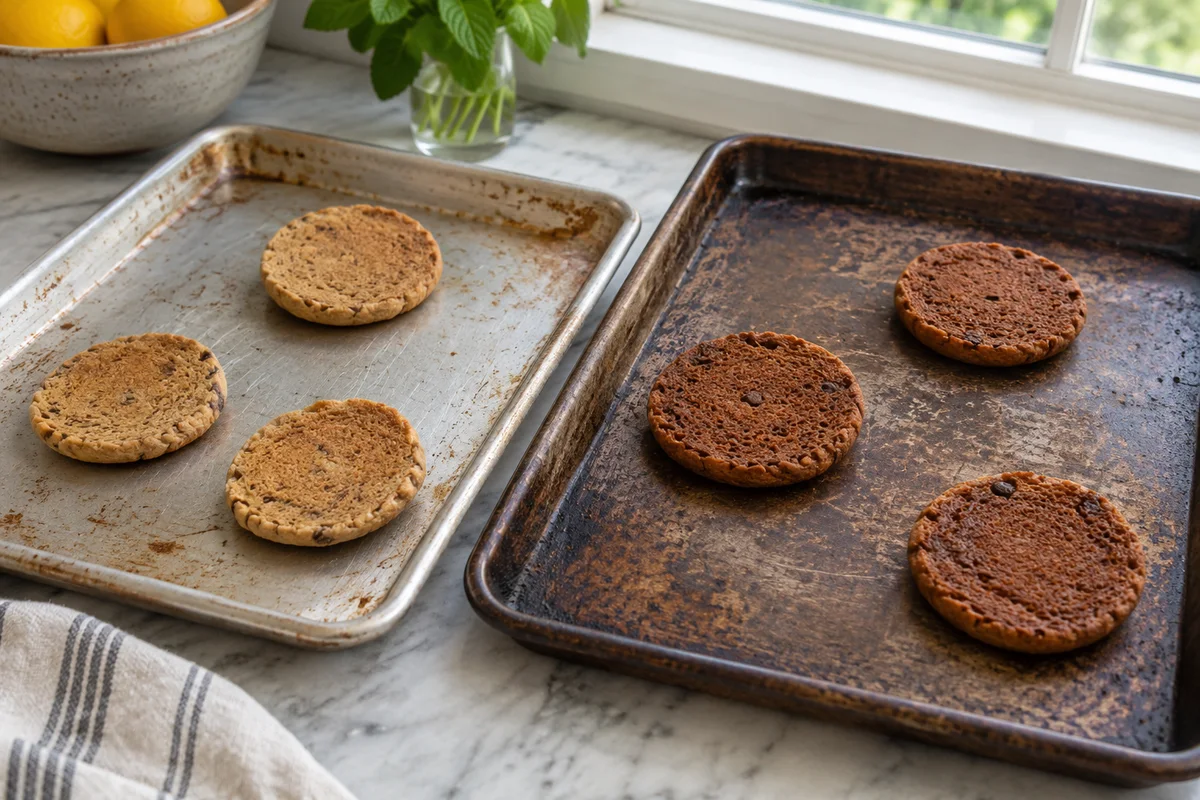
Bright metal, dark coatings and flexible silicone can behave differently under the same oven settings. Follow instructions for the specific pan and watch cake doneness rather than copying a claimed universal time.
Release technique still matters
Parchment circles, thorough greasing when required and appropriate cooling can reduce breakage in many pans. A nonstick coating does not compensate for underbaking or forcing a fragile hot layer out too early.
What we would choose
For repeatable layer cakes, we favour starting with a matching set of sturdy metal pans in the sizes your recipes use most. Consider silicone for specialty forms or freezer projects rather than assuming it replaces all metal bakeware.
Before ordering, compare the exact maker's SKU, size, parts, operating limits and warranty with your actual recipes. If a tool already in your kitchen completes the job safely, you may not need an upgrade.
Browse current Canadian options
The following link opens Amazon.ca search results for the described equipment rather than promising a particular brand, seller, price or stock level. Always verify the exact listing yourself.
Explore Fat Daddios round cake pan Nordic Ware 9 round cake pan silicone cake pan on Amazon.ca
Frequently asked questions
Are aluminum cake pans safe?
Food-grade bakeware used as directed is commonplace. Choose established manufacturers and follow their product-specific instructions for food contact, cleaning and temperature limits.
Can I bake a nine-inch recipe in an eight-inch pan?
The batter will sit deeper, changing bake time and potentially overflowing. Use an approved pan-size conversion or adjust quantities.
Do I need springform pans for ordinary layer cakes?
Usually not. Springforms are most helpful for certain delicate or difficult-to-unmould desserts; a standard round pan suits many cakes.
Product research sources
Put your gear to work
From the What's Baking recipe library — recipes to explore alongside your equipment research.


Compare the gear side by side
These related guides cover equipment choices that frequently come up alongside this one.

Keep exploring Baking Gear
Equipment works best as a system. These guides address the next practical choice.